

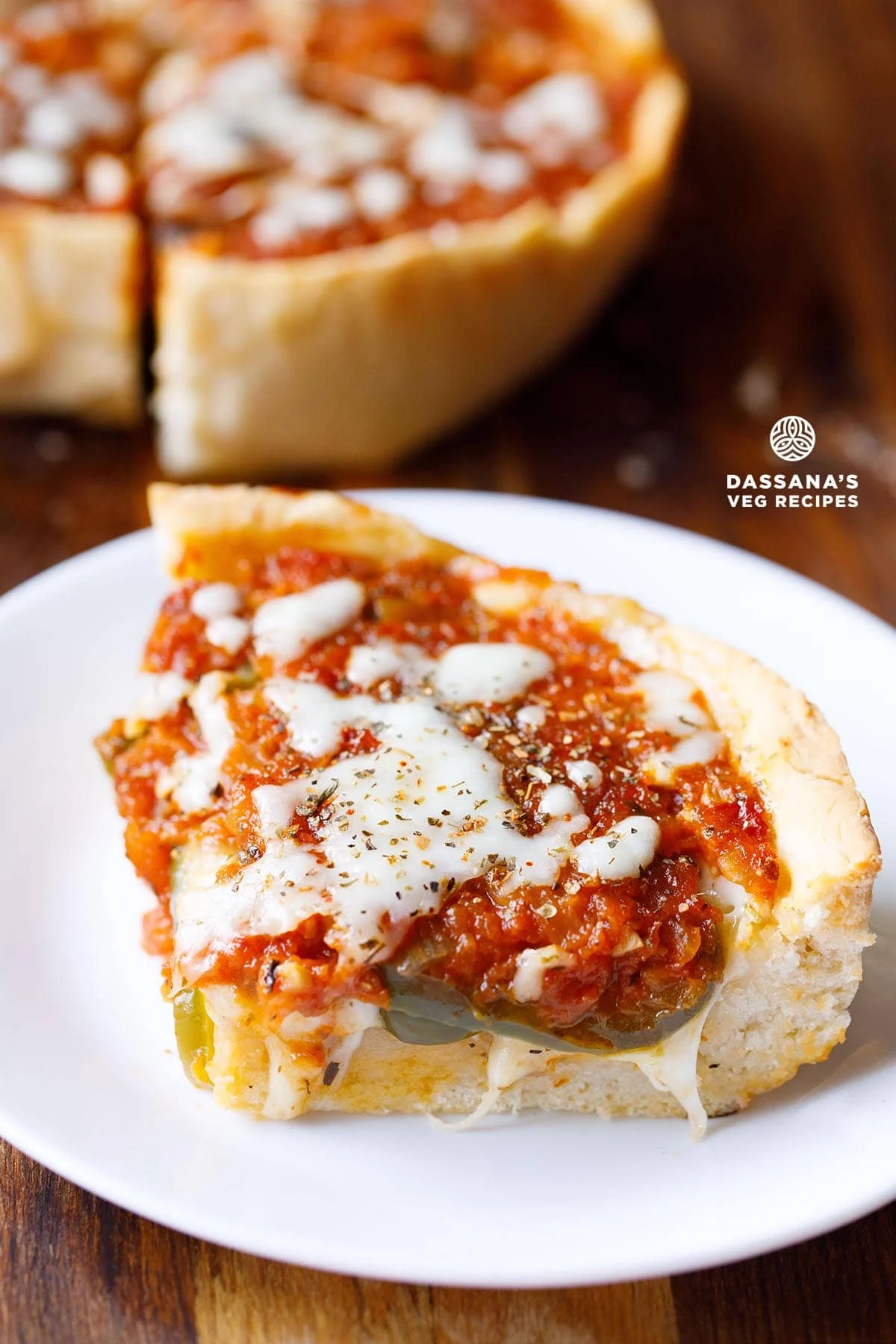
Main Facts: The Structural and Culinary Identity of an American Icon
In the pantheon of American regional cuisine, few dishes are as polarizing, celebrated, or structurally distinct as the Chicago-style deep dish pizza. Often described by detractors as a "casserole" and by devotees as a "savory pie," the deep dish pizza represents a departure from traditional Italian Neapolitan standards, prioritizing volume, richness, and a unique inverted assembly.
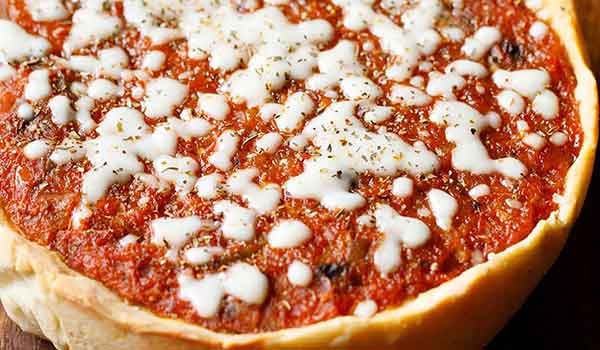
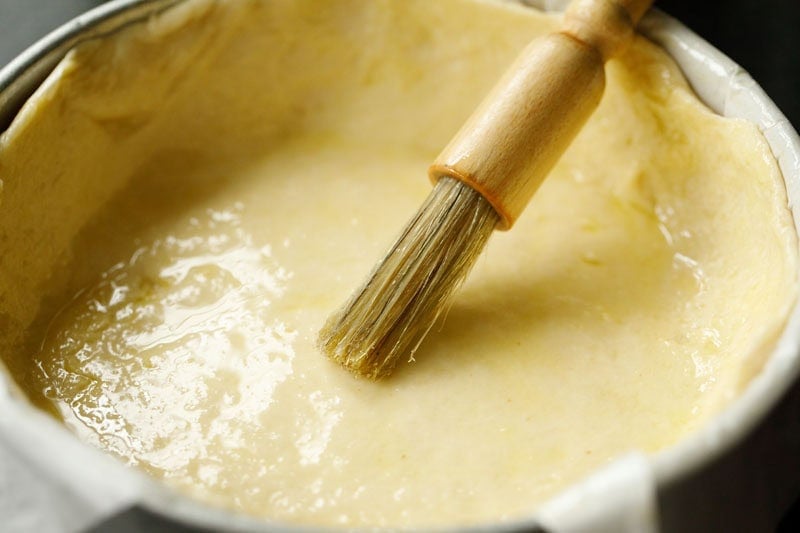
A quintessential deep dish pizza is characterized by its high, buttery crust that functions as a reinforced wall for generous layers of melted mozzarella, sautéed vegetables, and a crowning layer of thick, tangy marinara sauce. Unlike the thin-crust varieties common in New York or Naples, the Chicago deep dish is baked in a high-sided circular pan, resulting in a crust that is simultaneously crisp at the edges and soft, chewy, and slightly flaky within.
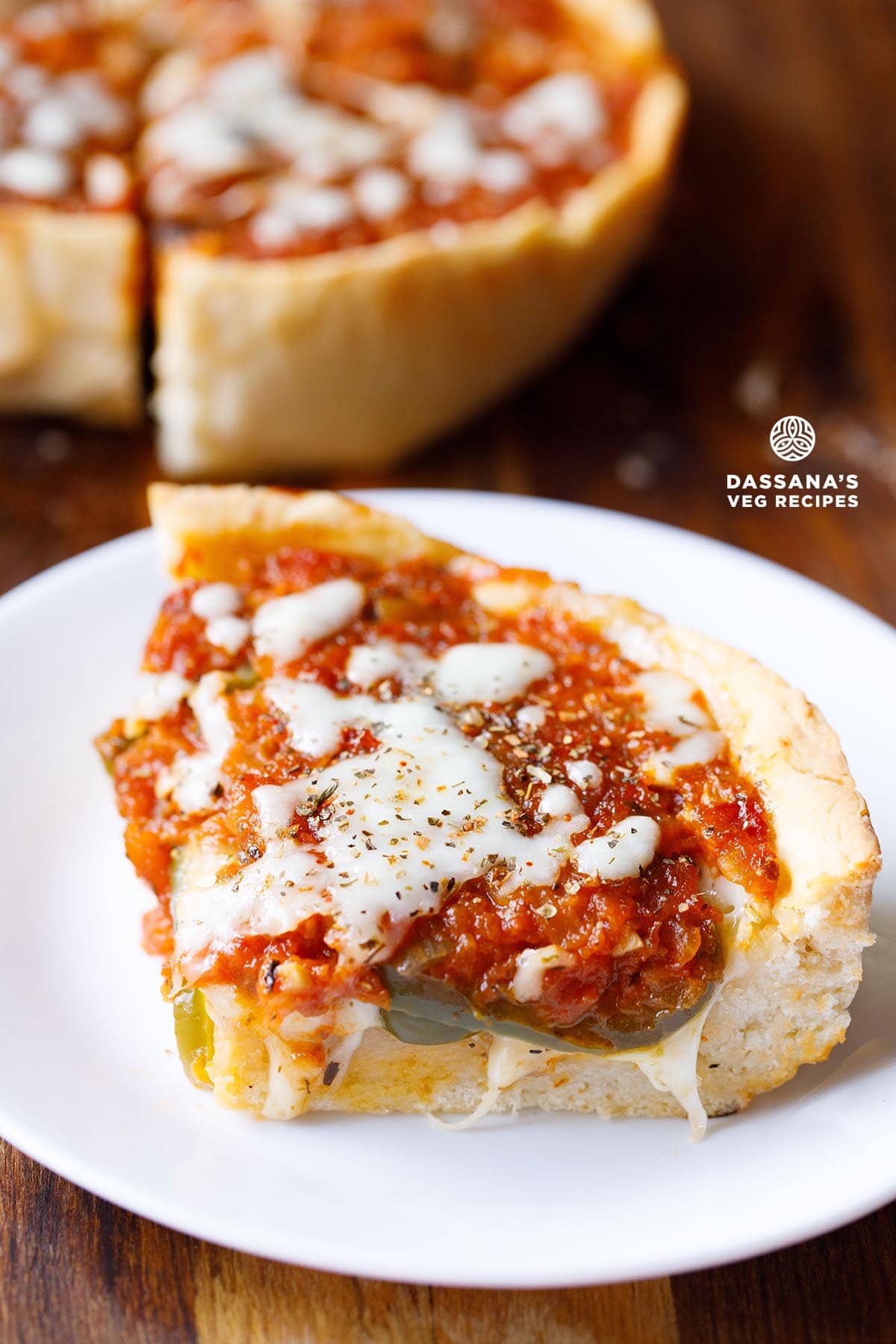
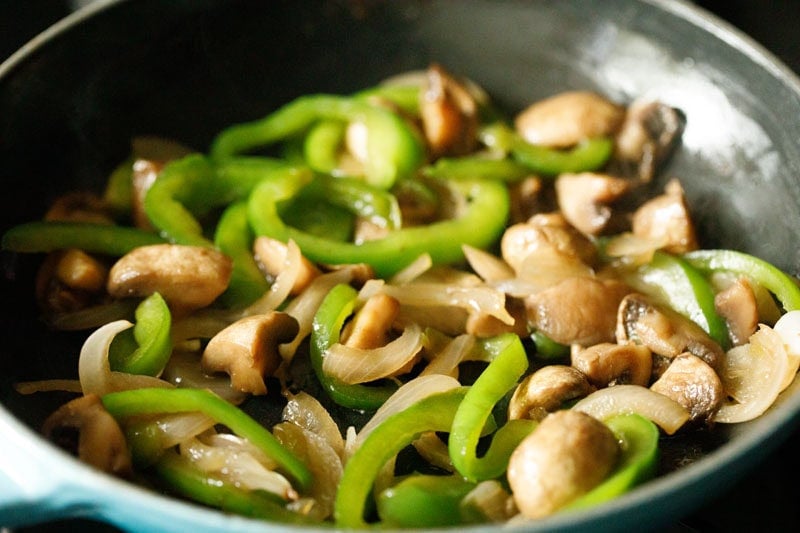
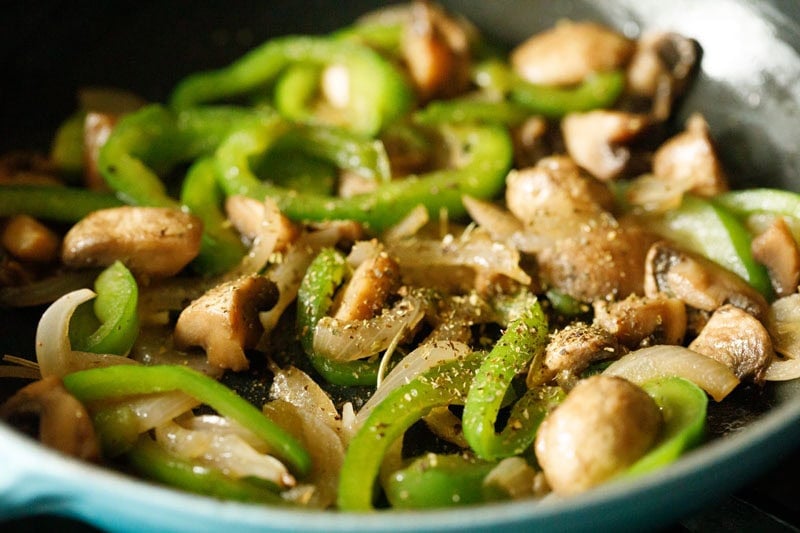
The vegetarian iteration of this dish—featuring a robust blend of button mushrooms, onions, and green bell peppers—highlights the versatility of the style. By utilizing a sturdy dough enriched with semolina and butter, the pizza can support significant weight without succumbing to the "soggy bottom" syndrome that plagues lesser attempts at the genre. With a single slice often providing a complete meal’s worth of caloric and nutritional density, the deep dish pizza remains a cornerstone of American culinary engineering.
Chronology: From the 1943 Debut to the Modern Home Kitchen
The evolution of the deep dish pizza is a story of immigrant innovation and mid-century American appetite. While pizza has existed in various forms in the United States since the late 19th century, the specific "deep dish" format is a relatively recent invention.
The 1940s: The Genesis at Pizzeria Uno
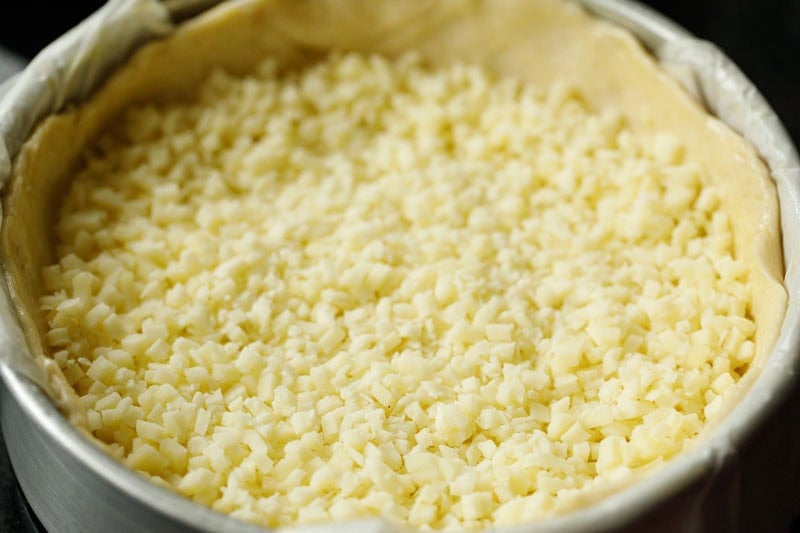
Historical records generally credit the creation of the deep dish pizza to Pizzeria Uno, founded by Ike Sewell and Ric Riccardo in 1943 at the corner of Ohio and Wabash in Chicago. Seeking to create a pizza that was a "meal in itself" rather than a snack, they utilized deep-sided pans and a longer baking process. This era established the "reverse assembly" method, where cheese is placed directly on the dough to protect it from the intense heat required for the thick crust to bake through.
The 1970s: The Expansion and Diversification
By the 1970s, the style had proliferated throughout the Windy City. Rival establishments like Lou Malnati’s and Gino’s East introduced their own variations, experimenting with cornmeal-crusted doughs and different fat ratios. It was during this period that the deep dish moved from a local curiosity to a national symbol of Chicago’s cultural identity.
The 2020s: The Era of the Gourmet Home Baker
The modern era has seen a democratization of the deep dish. Once a dish that required specialized industrial ovens, the rise of culinary education and high-quality home kitchen equipment (such as cast-iron skilleths and springform pans) has allowed home cooks to replicate bakery-standard results. Current trends emphasize the use of high-quality fats, such as olive oil and butter, and the integration of diverse toppings beyond the traditional Italian sausage, including the sophisticated vegetarian profiles seen in today’s leading recipes.
Supporting Data: The Technical Specifications of the Perfect Crust
The success of a deep dish pizza is fundamentally a matter of chemistry and physics. According to culinary data, the crust must act as a vessel capable of holding approximately 1.5 to 2 pounds of toppings without losing its structural integrity.
The Dough Composition
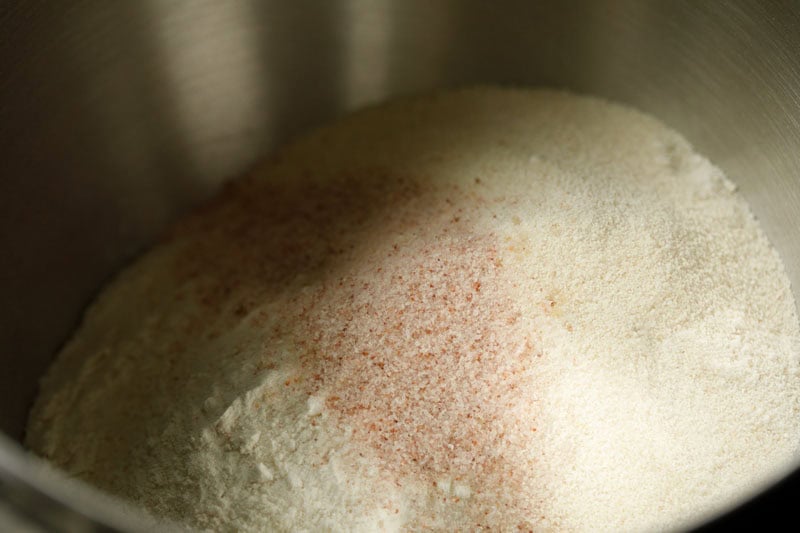
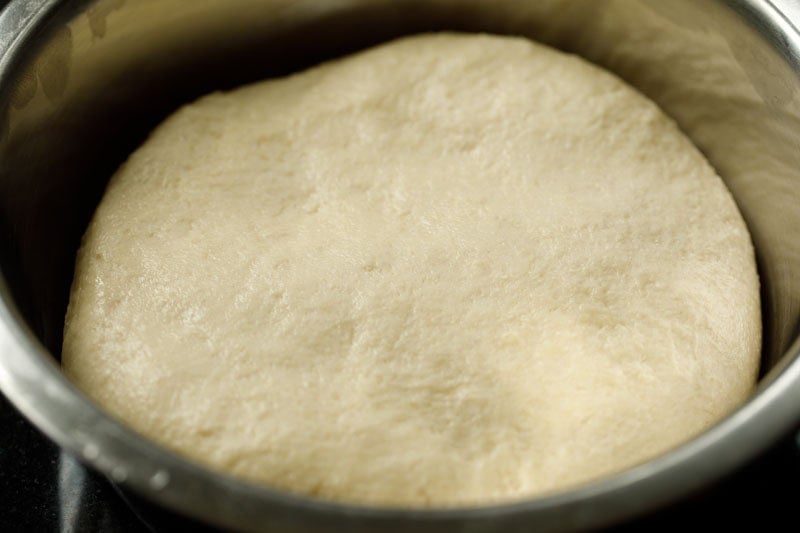
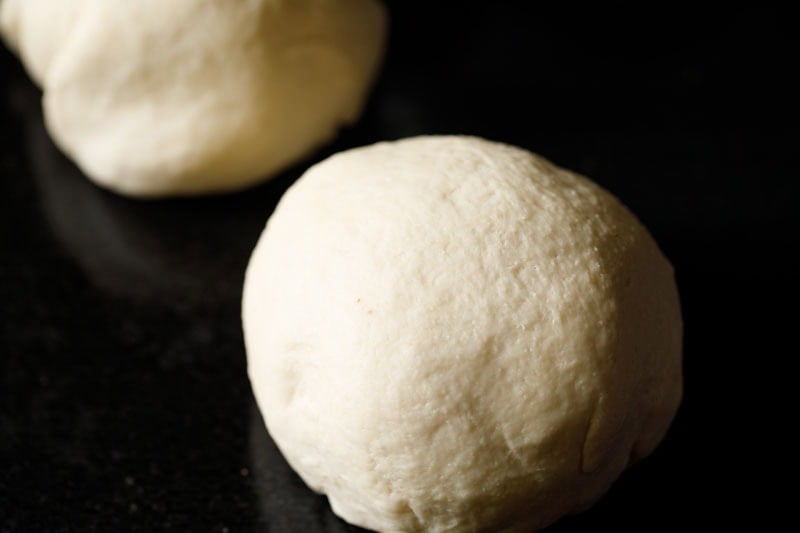
A professional-grade deep dish dough relies on a specific hydration level and a blend of flours. The inclusion of semolina flour (rava) or cornmeal is not merely for flavor; it provides a "short" texture to the gluten, ensuring the crust remains flaky rather than overly bready.
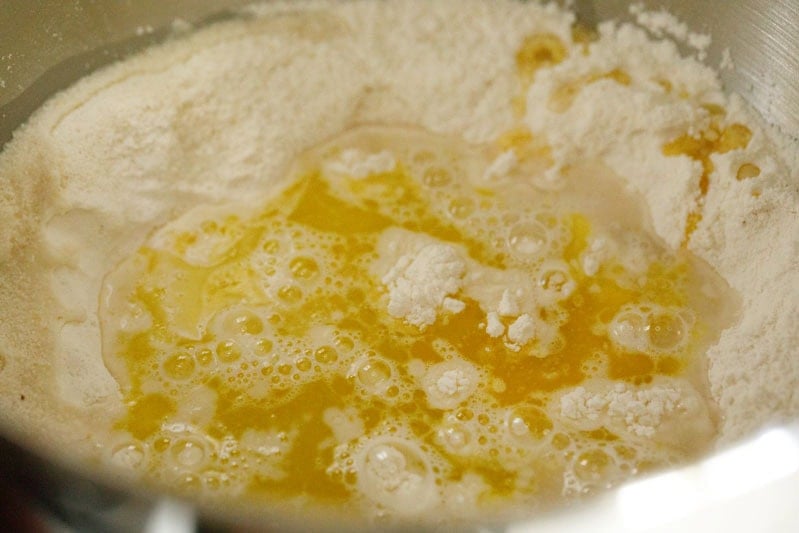
- The Fat Ratio: The use of 4 tablespoons of melted butter and 2 tablespoons of olive oil for a 3-cup flour base creates a rich, "biscuit-like" quality.
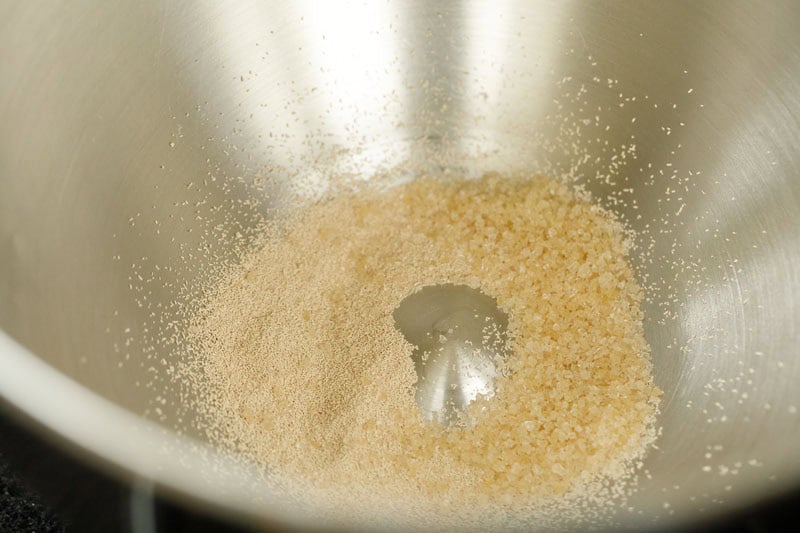
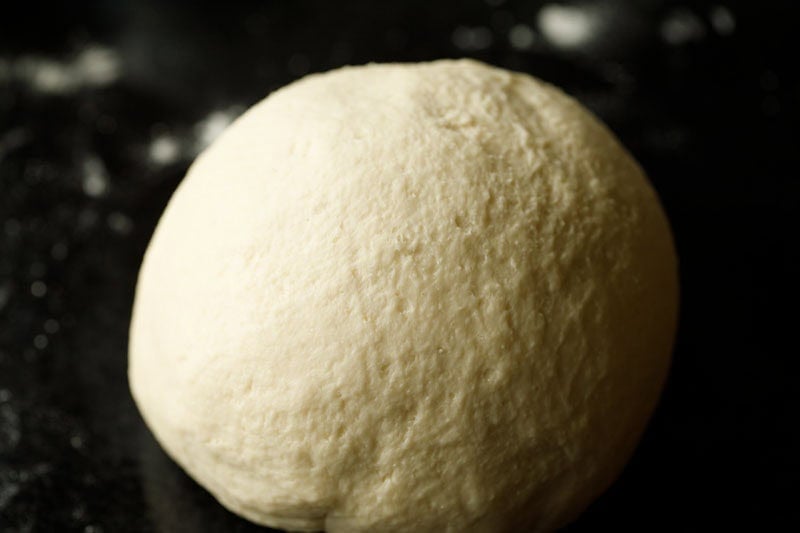
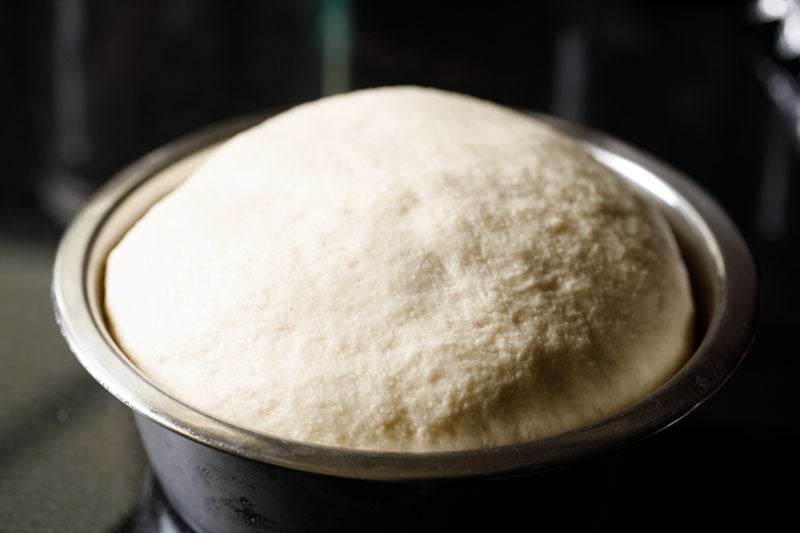
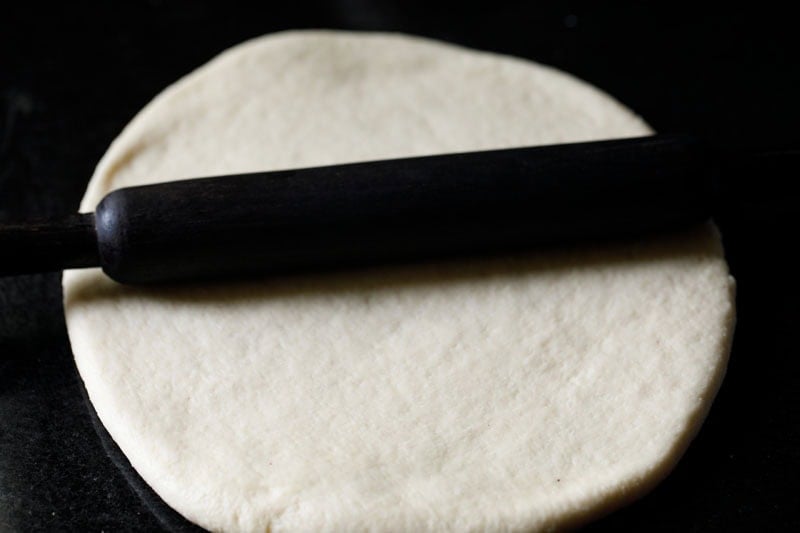
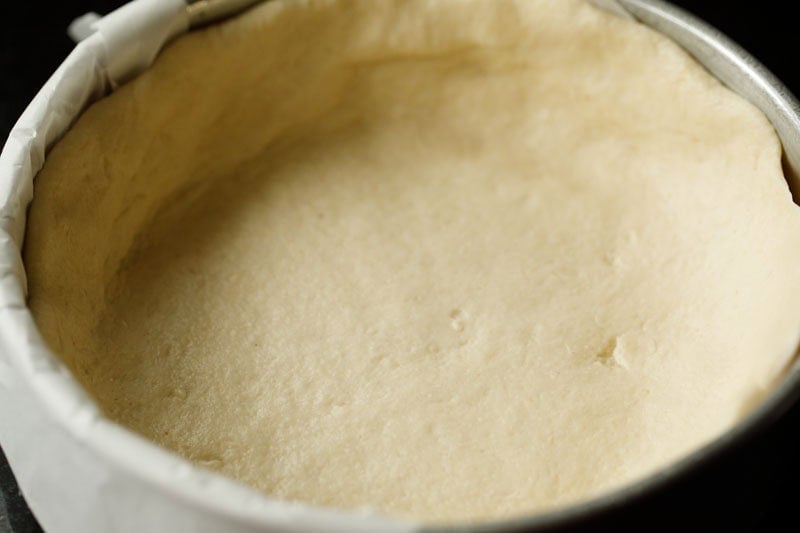
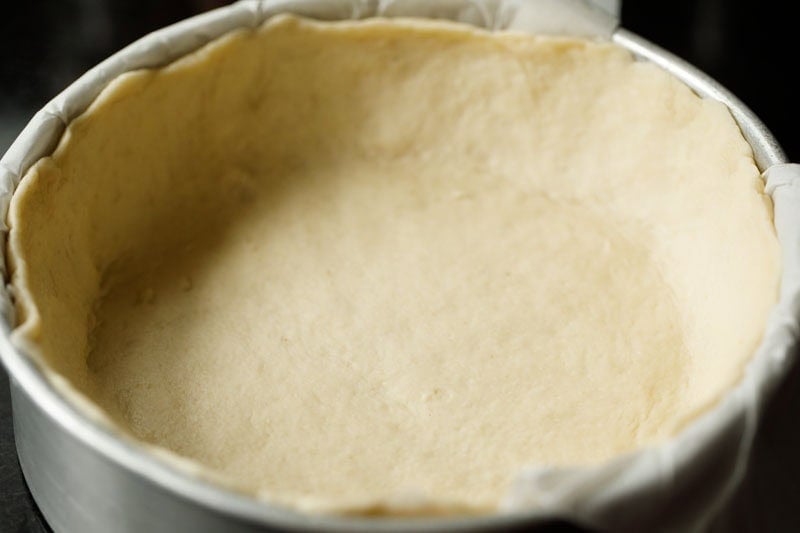
- The Proofing Cycle: A two-stage proofing process is essential. The first 45-minute proof allows the yeast to develop flavor and air pockets, while the second 30-minute proof—conducted after the dough has been pressed into the pan—ensures the edges rise sufficiently to form the "deep dish" walls.
The Moisture Management Strategy
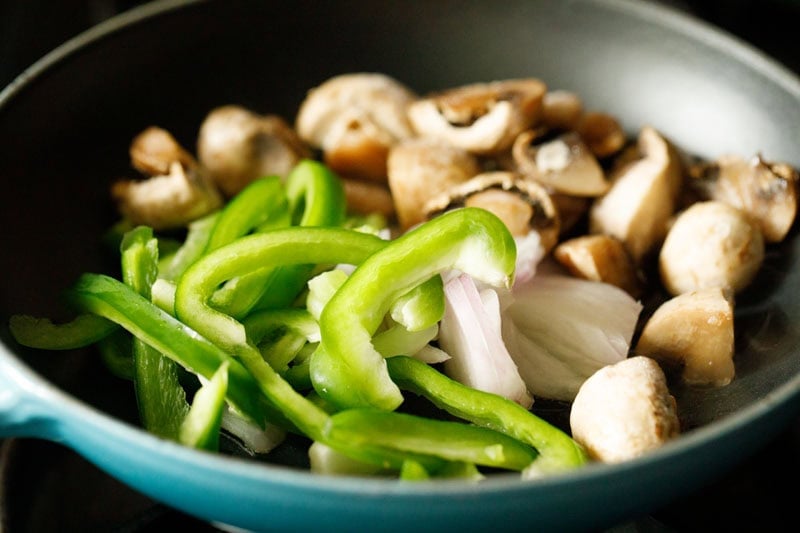
One of the primary challenges in vegetarian deep dish baking is the high water content of vegetables like mushrooms and bell peppers. Professional techniques involve a 10-minute sauté of the vegetables prior to assembly. This process reduces the moisture content, preventing the pizza from becoming watery during the 30-minute bake time.
Nutritional Profile
The deep dish is an energy-dense food. Data indicates that a standard recipe serving two can contain:
- Calories: Approximately 2,352 kcal per recipe (1,176 per pizza).
- Protein: 70g, primarily from mozzarella and semolina.
- Fat: 142g, with a significant portion coming from monounsaturated fats (olive oil) and saturated fats (butter and cheese).
- Micronutrients: High levels of Calcium (967mg) and Vitamin A (2754 IU), making it a significant source of bone-health minerals and antioxidants.
Official Responses: Insights from Culinary Experts
Culinary experts and professional bakers, including prominent figures like Dassana Amit, emphasize that the "Chicago-style" designation is as much about the method as it is about the ingredients.
"The most common mistake home cooks make is the order of operations," states the technical guide for this recipe. "In a standard pizza, the sauce goes first. In a Chicago deep dish, that would be a disaster. Because the pizza spends nearly 30 minutes in a 450°F (230°C) oven, the cheese would burn if it were on top. By burying the cheese under the vegetables and a thick layer of marinara, we create an insulation layer that allows the cheese to melt into a perfect, stretchy consistency without browning too early."
Furthermore, experts highlight the importance of the "resting period." Unlike thin-crust pizza, which is often sliced immediately, a deep dish requires a 5-minute rest after leaving the oven. This allows the internal temperature to stabilize and the cheese to "set" slightly, ensuring that the layers remain distinct when sliced with a serrated knife.
Implications: The Globalization of Regional American Cuisine
The enduring popularity and the "at-home" evolution of the Chicago deep dish pizza have several broader implications for the food industry and cultural trends.
The Rise of DIY Regionalism
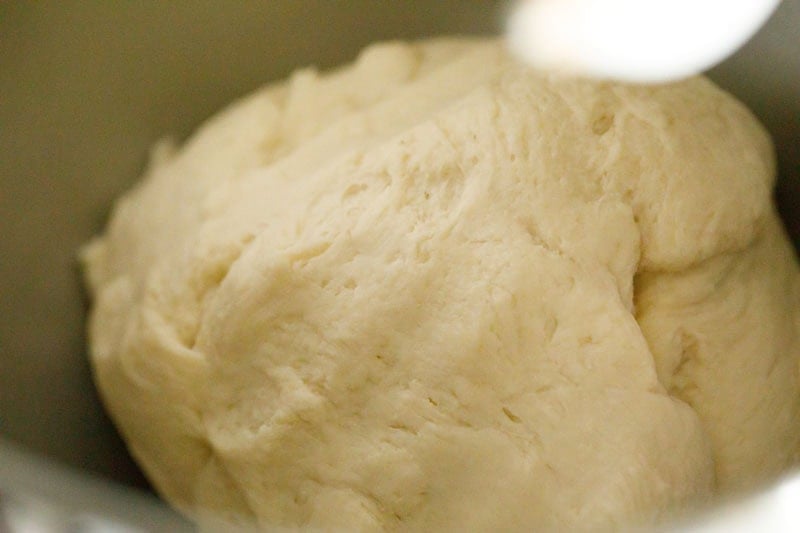
As digital platforms provide access to highly technical, step-by-step recipes, the "geographical barrier" of food is dissolving. A home cook in Mumbai or London can now produce an authentic Chicago deep dish that rivals those found in the Illinois suburbs. This has led to a "Gourmet DIY" movement where the process of making the food—kneading the dough for 12 minutes, sourcing semolina, and mastering the sauté—is as valued as the consumption itself.
Health-Conscious Adaptation
The shift toward vegetarian deep dish options (using mushrooms as a meat-mimicking savory base) reflects a broader societal move toward reducing meat consumption without sacrificing the "comfort food" experience. By utilizing "umami-rich" vegetables and high-quality cheeses, the deep dish remains a viable option for a wide demographic of diners.
Economic and Practical Value
In an era of rising food costs, the deep dish offers a high "satiety-to-cost" ratio. The ingredients—flour, yeast, onions, peppers, and canned tomatoes—are relatively inexpensive staples. When prepared at home, a meal that would cost $30–$40 at a specialty pizzeria can be produced for a fraction of the price, serving as a hearty option for family "pizza nights."
Conclusion: A Culinary Landmark
The Chicago-style deep dish pizza is more than just a recipe; it is a testament to the American spirit of "more is more." Through its specific engineering—the buttery, semolina-dusted crust, the inverted layers, and the slow-baked marinara—it offers a sensory experience that thin-crust pizzas cannot replicate. Whether viewed as a savory pie or a structural marvel, its place in the global culinary landscape is secure, continuing to challenge and delight bakers who seek to master its thick, cheesy depths.
Quick Help & FAQ Summary
- Key Difference: Deep dish features a high-walled crust and inverted layering (cheese bottom, sauce top).
- Top Sauce Logic: Prevents cheese from burning during the extended 30-minute bake.
- Make-Ahead Potential: Dough can be refrigerated for 24 hours or frozen for several weeks.
- Customization: While mushrooms and peppers are classic, jalapeños, olives, and spinach are popular contemporary additions.
