

Main Facts: A Modern Summer Icon
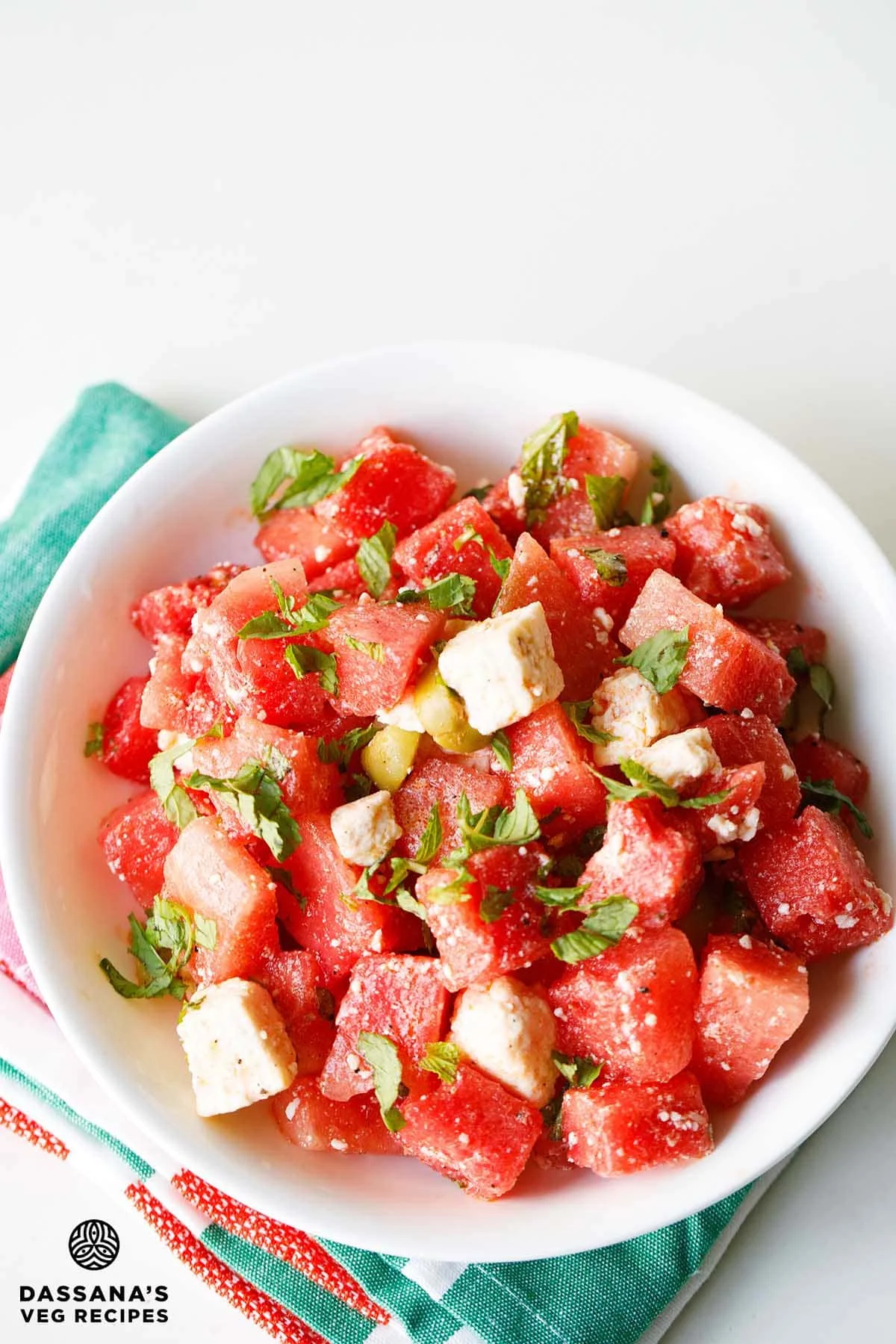
In the landscape of contemporary summer gastronomy, few dishes have achieved the ubiquitous status and critical acclaim of the Watermelon Feta Salad. Once a regional secret of the Mediterranean basin, particularly within the coastal villages of Greece and the Levant, this vibrant assembly of fruit, cheese, and herbs has transitioned into a global culinary staple. The dish is defined by its radical simplicity: it requires no heat, minimal preparation time, and relies entirely on the quality of its raw components.
The core appeal of the salad lies in its "flavor paradox"—the high-contrast marriage of the saccharine, hydrating crunch of ripe watermelon with the pungent, briny, and creamy profile of aged feta cheese. According to culinary experts, this combination triggers multiple taste receptors simultaneously, providing a sensory experience that is both refreshing and deeply satisfying. Beyond its palate-cleansing properties, the salad has become a focal point for nutritional discussions regarding seasonal eating, hydration, and the efficacy of the Mediterranean diet in modern lifestyles.
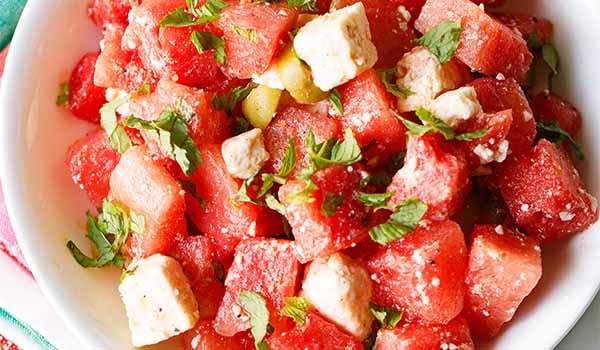
Key facts regarding the dish include its natural gluten-free profile, its versatility as both an appetizer and a side dish, and its reliance on the "holy trinity" of Mediterranean accents: extra virgin olive oil, fresh mint, and citrus. As the culinary world leans further into "clean eating" and farm-to-table philosophies, the Watermelon Feta Salad stands as a testament to the power of ingredient-driven cooking.
Chronology: From Ancient Tradition to Global Kitchens
Historical Roots and Evolution
The pairing of fruit and cheese is not a modern invention but a survival strategy rooted in the history of the Mediterranean. Historically, nomadic shepherds and rural farmers in Greece and Turkey utilized salty cheeses like feta as a means of preservation and a source of protein. Pairing these salty morsels with high-water-content fruits like watermelon was a practical method of staying hydrated and maintaining electrolyte balance during the intense heat of the harvest months.
Throughout the 20th century, the dish remained a humble, domestic preparation. However, with the rise of global tourism to the Greek islands in the 1970s and 80s, international travelers were introduced to this refreshing combination. By the early 2000s, high-end chefs in New York, London, and Dubai began reimagining the dish, adding sophisticated garnishes like balsamic glazes, toasted pine nuts, or micro-greens, firmly cementing its place in the "New Mediterranean" movement.
The Chronology of Preparation: A Step-by-Step Orchestration
Achieving the perfect Watermelon Feta Salad is a chronological process that prioritizes texture and temperature management.
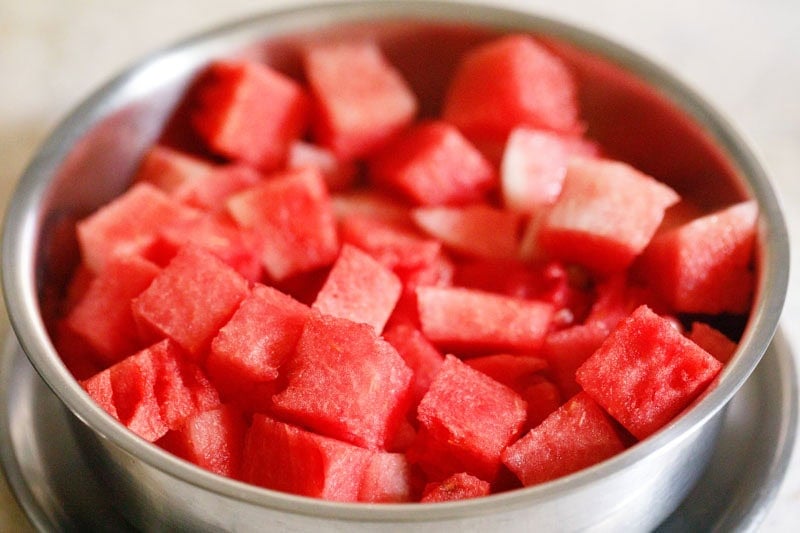
- Selection and Priming: The process begins with the selection of a medium-to-large watermelon. The fruit must be firm and heavy for its size, indicating high water content. The watermelon is halved and de-seeded, then meticulously cubed into bite-sized pieces. To preserve the integrity of the fruit’s cell structure, the cubes are lightly chilled but never frozen, as over-chilling can dull the natural sugars.
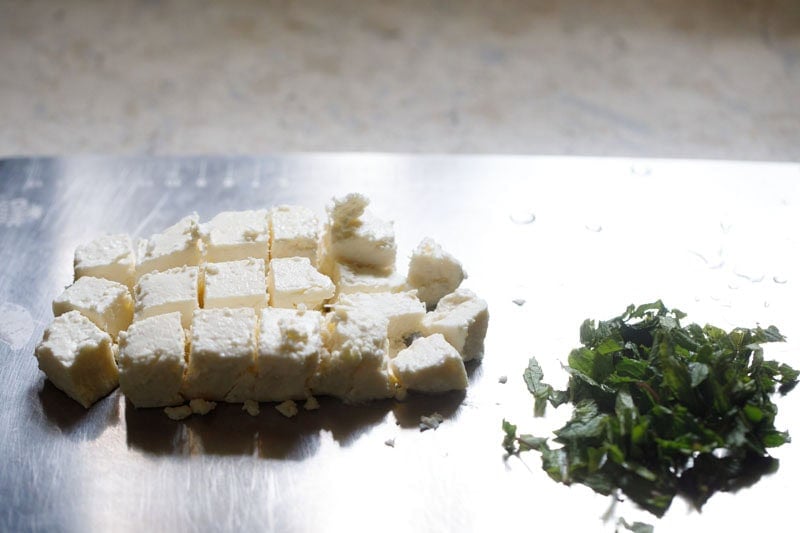
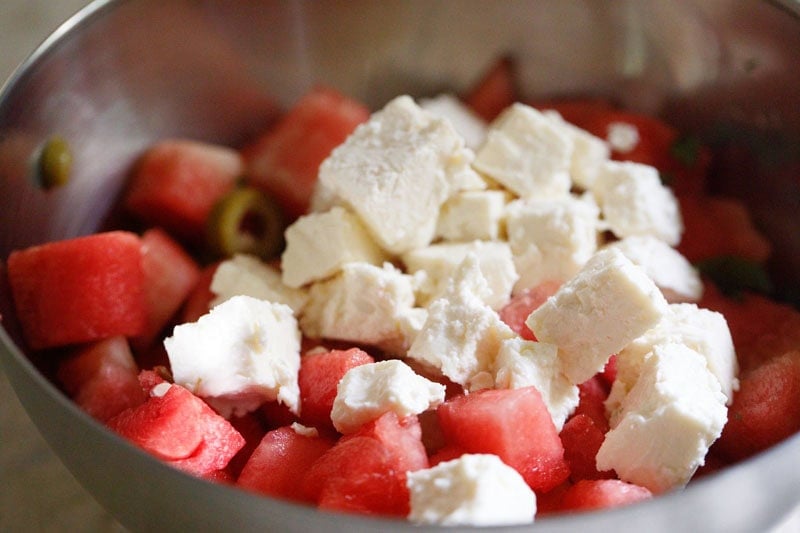
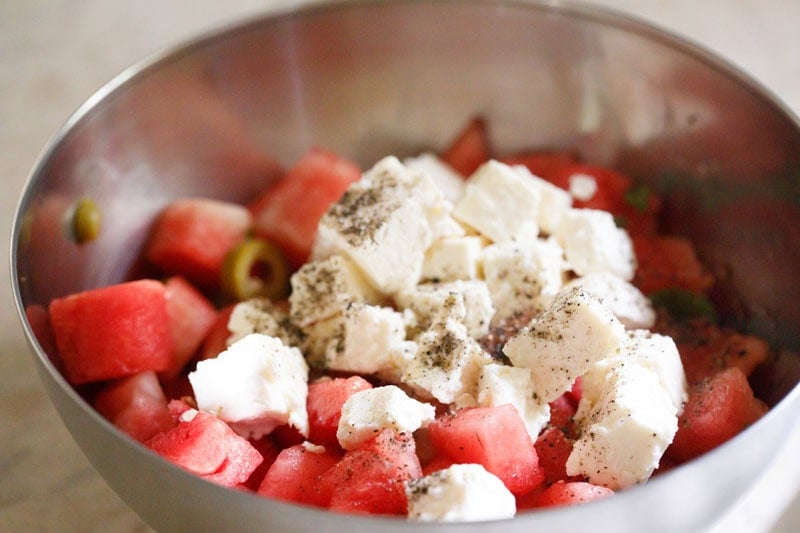
- The Cheese Component: Approximately 100 grams of high-quality feta cheese is prepared. Journalistic culinary standards suggest using block feta rather than pre-crumbled varieties to ensure a creamy mouthfeel. The cheese is cut into medium chunks rather than crumbled, allowing it to stand as a structural peer to the watermelon.
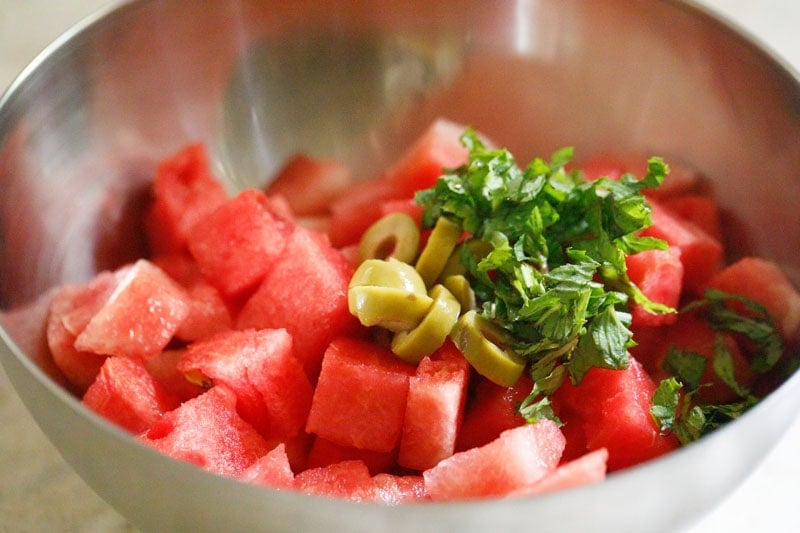
- The Aromatic Layering: Fresh mint is rinsed, patted dry, and chiffonaded. At this stage, secondary elements such as sliced green or Kalamata olives are introduced to provide a secondary layer of umami and brine.
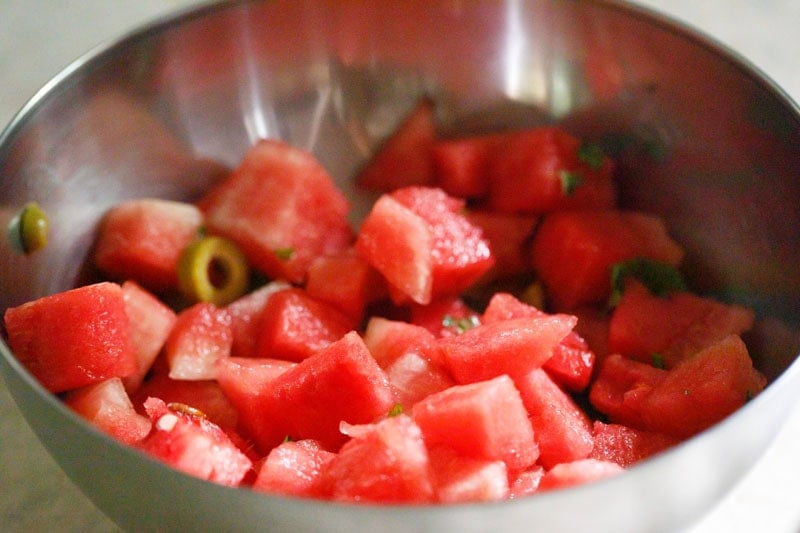
- The Emulsion and Seasoning: The final stage involves a gentle "toss." Unlike leaf-based salads, the Watermelon Feta Salad is fragile. The watermelon, mint, and olives are combined first, followed by the feta. The dressing—a simple emulsion of extra virgin olive oil and fresh lemon juice—is drizzled over the top. The dish is finished with dried oregano, freshly crushed black pepper, and a minimal pinch of salt, accounting for the inherent saltiness of the cheese.
- Immediate Service: The chronology ends with immediate consumption. Due to the high water content of the fruit and the hygroscopic nature of the salt in the feta, the salad begins to "weep" or release liquid shortly after assembly.
Supporting Data: Nutritional Efficacy and Sensory Science
The Watermelon Feta Salad is more than a visual centerpiece; it is a nutritionally dense preparation. Data-driven analysis of a standard three-serving preparation reveals a complex profile of vitamins, minerals, and macronutrients.
Nutritional Breakdown (Per Serving)
- Energy: 184 kcal
- Hydration: Watermelon is approximately 92% water, making this salad an excellent source of dietary hydration.
- Macronutrients: The dish provides a balanced ratio with 14g of carbohydrates, 6g of protein, and 13g of fats (primarily heart-healthy monounsaturated fats from olive oil).
- Micronutrients: It is exceptionally high in Vitamin A (1232 IU) and Vitamin C (15mg), which are essential for immune function and skin health.
- Electrolytes: With 683mg of sodium and 228mg of potassium, the salad serves as a natural electrolyte replacement, ideal for recovery in hot climates.
The Science of Flavor Pairing
The success of this salad is supported by the "Food Pairing Theory," which suggests that ingredients sharing key flavor compounds or offering extreme contrasts in basic tastes (sweet, sour, salty, bitter, umami) create a more memorable culinary experience. The watermelon provides the sweet base, the feta provides the salt and umami, the lemon provides the acid (sour), and the mint provides a cooling sensation through the compound menthol. This "full-spectrum" taste profile explains the dish’s near-universal appeal.
Official Responses: Culinary Perspectives and Expert Advice
Leading chefs and nutritionists have frequently commented on the rise of this dish, offering insights into its preparation and its place in a healthy diet.
The Chef’s Perspective
Dassana, a noted culinary expert and creator of popular Mediterranean-inspired recipes, emphasizes the importance of ingredient quality. "The simplicity of the Watermelon Feta Salad is its greatest strength, but also its greatest challenge," Dassana notes. "Because there is no cooking involved, you cannot hide poor-quality ingredients. You must use a watermelon that is sweet and firm—avoiding the ‘mushy’ texture that occurs when the fruit is overripe."
Furthermore, culinary professionals recommend using a block of feta kept in brine. "The brine keeps the cheese moist and tangy," says one Mediterranean executive chef. "Pre-crumbled cheese often contains anti-caking agents like cellulose, which can impart a dry, chalky texture that ruins the refreshing nature of the watermelon."
The Health and Wellness Response
Dietitians highlight the salad as a "functional food." The lycopene in watermelon—a powerful antioxidant—is fat-soluble, meaning it is better absorbed by the body when consumed with the healthy fats found in feta cheese and olive oil. While some express concern over the sodium content of feta, experts suggest rinsing the cheese lightly under cold water to reduce surface salt without compromising the internal flavor.
Implications: The Future of Seasonal Gastronomy
The continued popularity of the Watermelon Feta Salad has broader implications for the global food industry and consumer habits.
Sustainability and Seasonal Consumption
The dish serves as a primary example of "seasonal eating." By emphasizing ingredients that are at their peak in the summer months, the salad encourages consumers to support local agriculture and reduce the carbon footprint associated with out-of-season produce. The watermelon feta trend has influenced supermarket stocking patterns, with many retailers now co-locating these ingredients to encourage "solution-based" shopping.
The Shift Toward Minimalist Cooking
In an era of increasingly complex processed foods, the Watermelon Feta Salad represents a return to minimalism. It challenges the notion that a "gourmet" meal requires hours of labor or heat. This shift toward "no-cook" meals is expected to grow as global temperatures rise, and consumers seek ways to prepare nutritious meals without heating their homes.
Culinary Versatility and Customization
The salad’s framework allows for endless regional adaptations, which ensures its longevity. In some regions, chefs are adding cucumber for extra crunch, while others use balsamic glaze to introduce a dark, syrupy sweetness. The core "sweet-and-salty" blueprint is being applied to other fruits—such as peaches or strawberries—demonstrating the salad’s role as a foundational concept in modern recipe development.
Final Assessment
The Watermelon Feta Salad is a rare culinary phenomenon: a dish that is culturally significant, nutritionally sound, and aesthetically pleasing. It bridges the gap between ancient Mediterranean tradition and the fast-paced needs of the modern consumer. As we look toward the future of global dining, the salad remains a gold standard for how three or four simple ingredients, when treated with respect and served at the right moment, can create a masterpiece of the table.
