

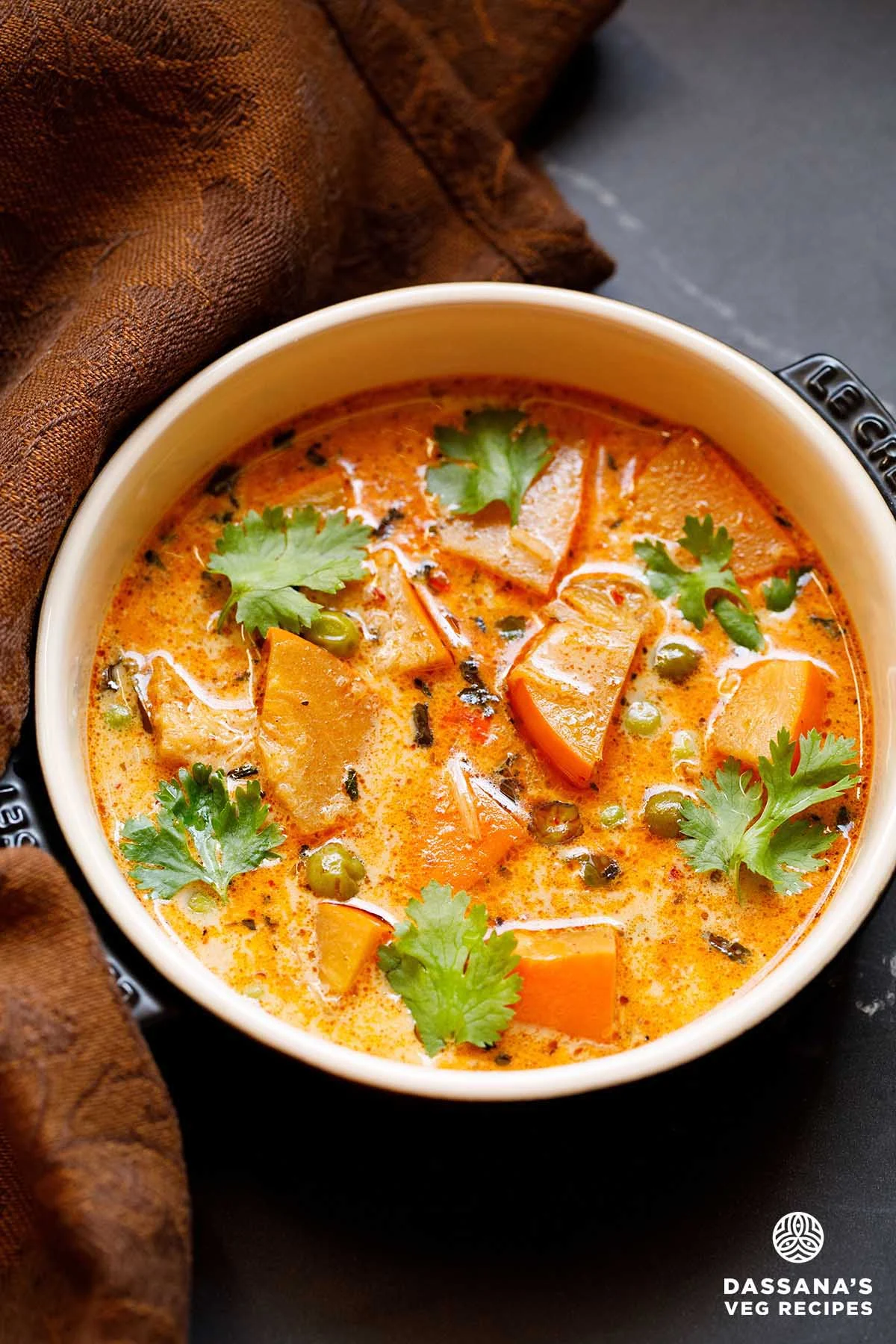
The global culinary landscape has witnessed a significant shift toward plant-based diets, with Southeast Asian cuisine emerging as a frontrunner in providing complex, nutrient-dense, and flavor-forward alternatives to meat-centric dishes. At the heart of this movement is the Thai-style pumpkin curry, known natively as Gaeng Fak Thong. This coconut milk-based staple represents a masterclass in the balance of the four essential Thai flavors: sweet, spicy, salty, and sour.
Recent culinary data and the rise of digital recipe archives, such as those curated by renowned plant-based chef Dassana of "Veg Recipes of India," highlight a growing interest in deconstructing these traditional dishes for the modern home kitchen. This article explores the technical nuances, nutritional profile, and cultural implications of this iconic Thai dish.
Main Facts: The Anatomy of a Modern Classic
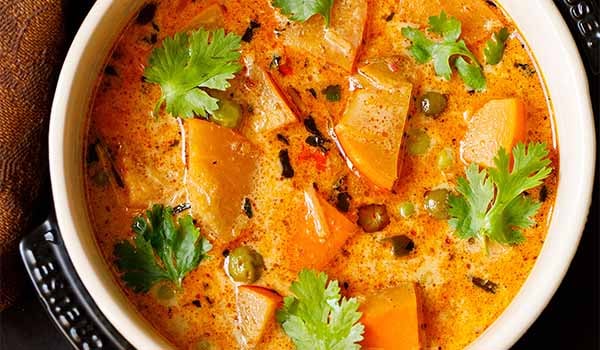
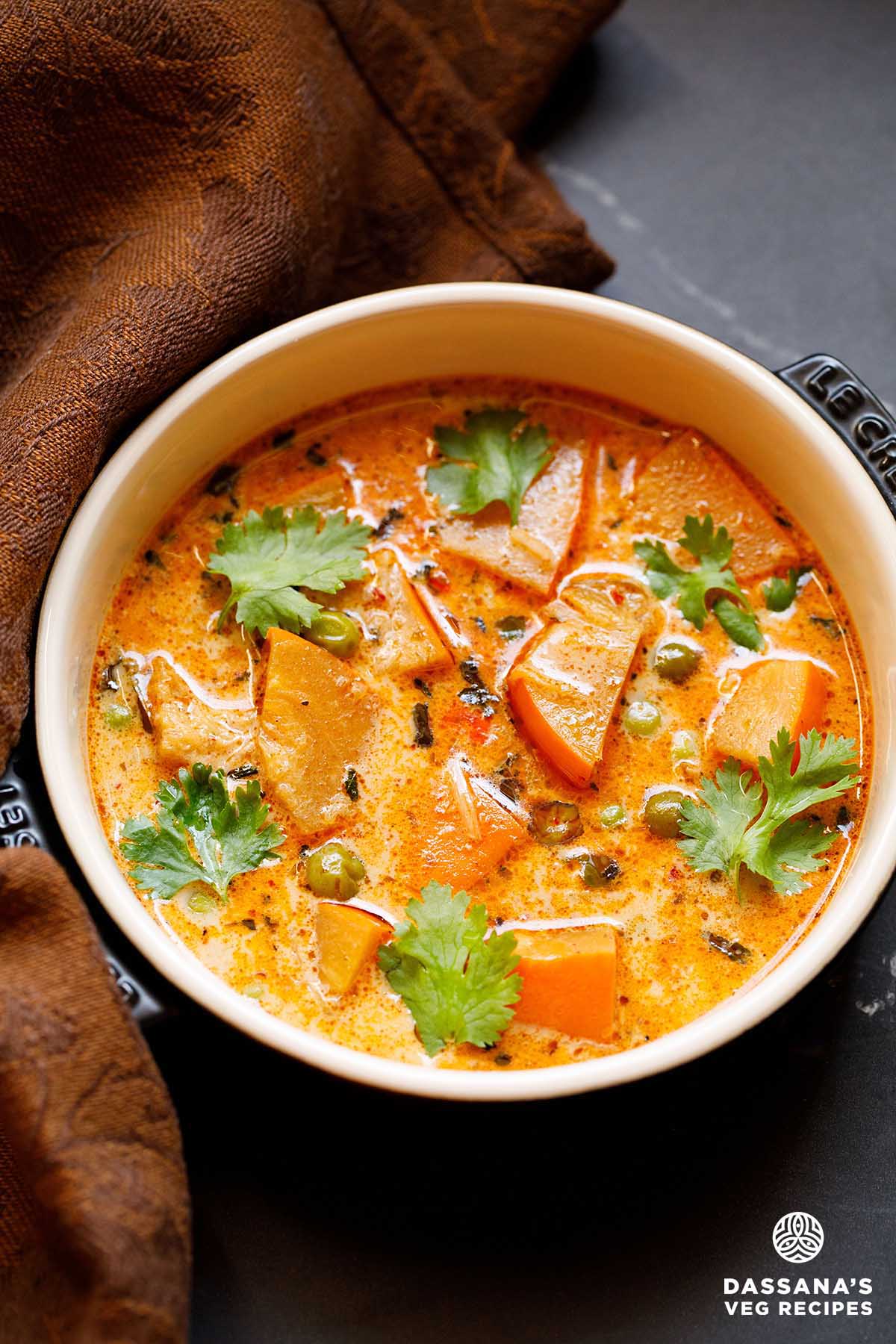
Thai pumpkin curry is fundamentally a fusion of indigenous Southeast Asian aromatics and the versatile pumpkin, a gourd that, while not originally native to Thailand, has become a cornerstone of its rural and urban diets. The dish is characterized by its vibrant orange hue, courtesy of the pumpkin’s beta-carotene and the red chilies within the curry paste.
Key components of an authentic Thai pumpkin curry include:
- The Base: A high-quality red curry paste (Krueng Gaeng Phet) containing lemongrass, galangal, shrimp paste (or vegan fermented soybean alternatives), and dry red chilies.
- The Cream: Coconut milk, which provides the necessary lipids to carry the fat-soluble flavors of the spices.
- The Star: Pumpkin, specifically varieties like Kabocha or Calabaza, which maintain their structural integrity when simmered.
- The Aromatics: Kaffir lime leaves and lemongrass, providing the signature citrus high notes.
The dish’s versatility allows it to bridge the gap between traditional Thai service—typically with jasmine rice—and fusion applications, such as being served alongside Indian flatbreads like roti or paratha.
Chronology: The Technical Process of Flavor Development
Achieving the specific "mouthfeel" and aromatic depth of a professional-grade Gaeng Fak Thong requires a disciplined approach to the cooking sequence. Culinary experts divide the preparation into three distinct phases: the "Blooming," the "Tenderizing," and the "Emulsifying."
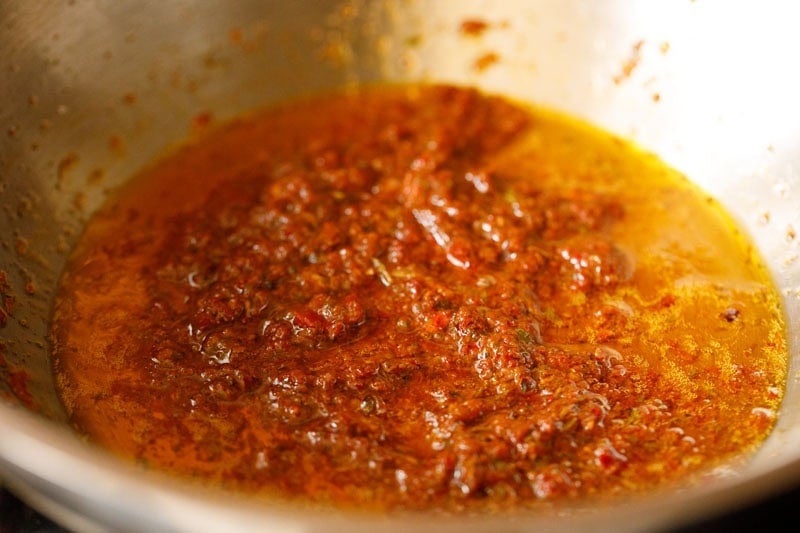
Phase 1: The Blooming of Aromatics
The process begins with the application of heat to a neutral oil or coconut oil. A quarter-cup of red curry paste is introduced to the pan on low heat. This stage, known as "blooming," is critical. As the paste sautés for one to two minutes, the heat breaks down the cellular walls of the dried spices, releasing essential oils. A visual indicator of success is the "splitting" of the oil—when small droplets of red-tinted oil begin to separate from the paste, signaling that the flavors are fully activated.
Phase 2: The Vegetable Integration and Simmer
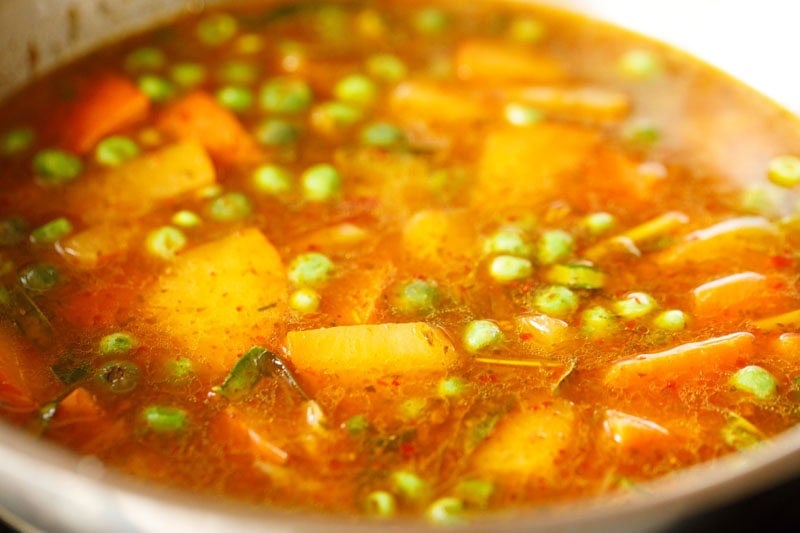
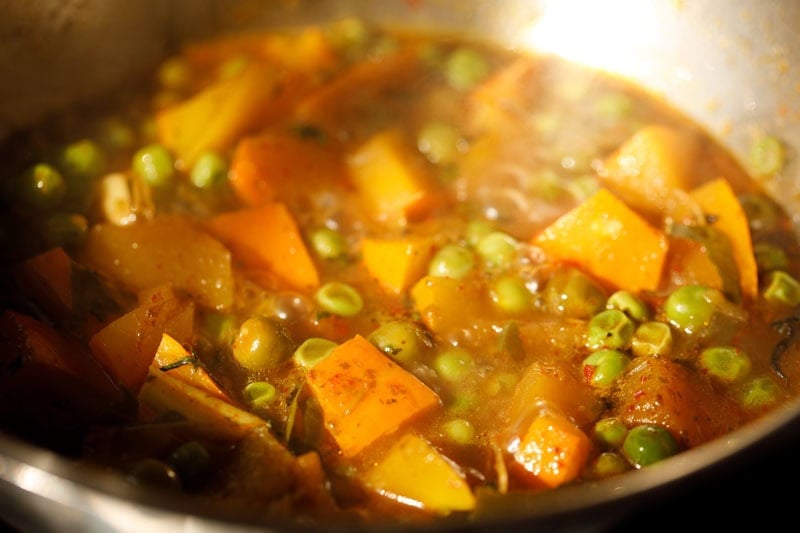
Once the paste is fragrant, 200 grams of cubed pumpkin are added. For added texture and authenticity, Thai pea eggplants and green peas are often incorporated at this stage.
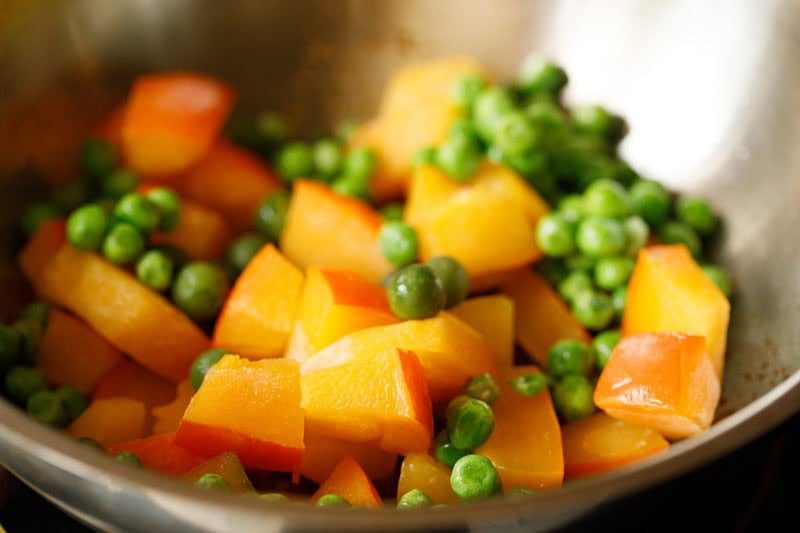
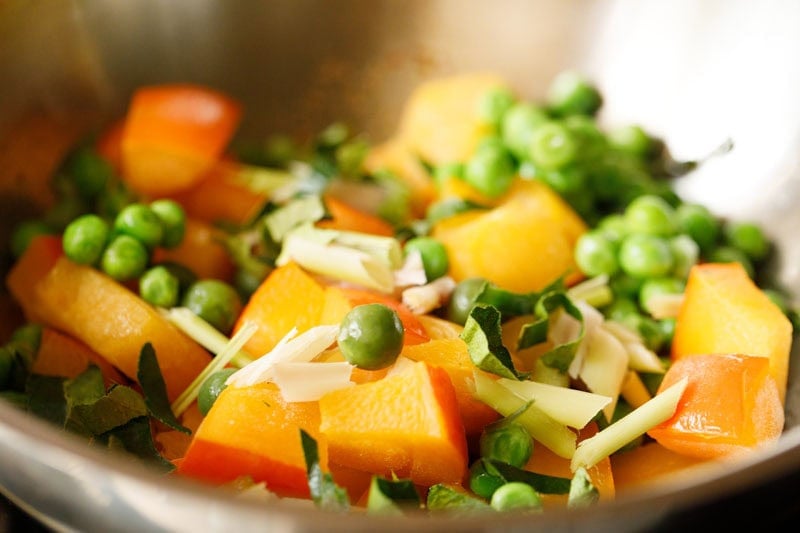
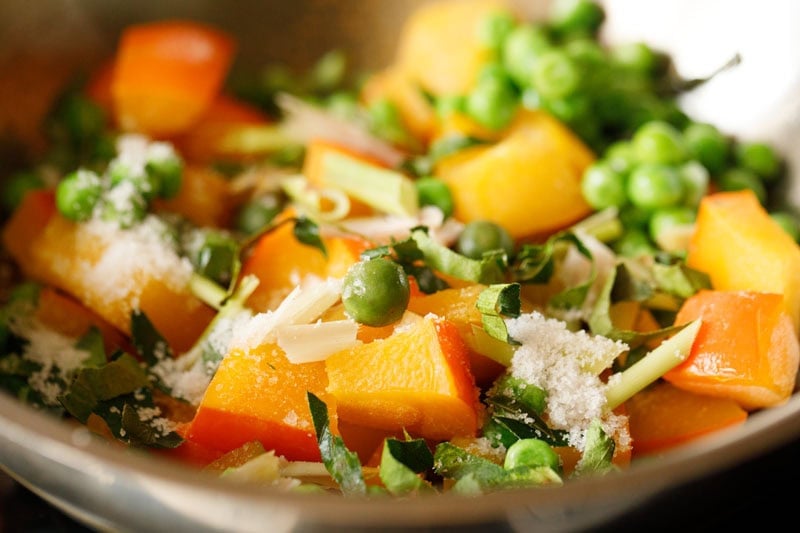
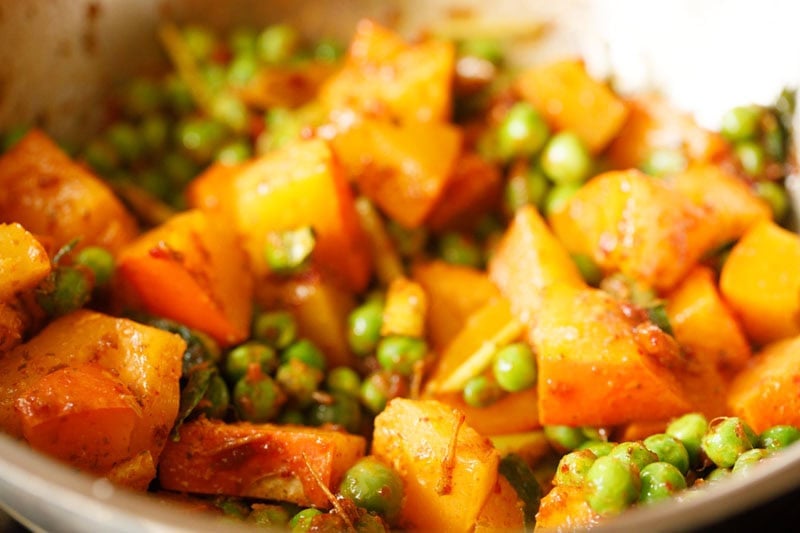
Water (approximately 1.25 to 1.5 cups) is added to create a simmering liquid. The chronology here is vital: the pumpkin must be cooked until "fork-tender" but not mushy. This typically takes 10 to 15 minutes for peeled cubes, though unpeeled varieties or larger cuts may require up to 20 minutes. The inclusion of bruised lemongrass stalks and torn kaffir lime leaves during this simmer allows the liquid to be infused with volatile citrus compounds.
Phase 3: The Final Emulsification
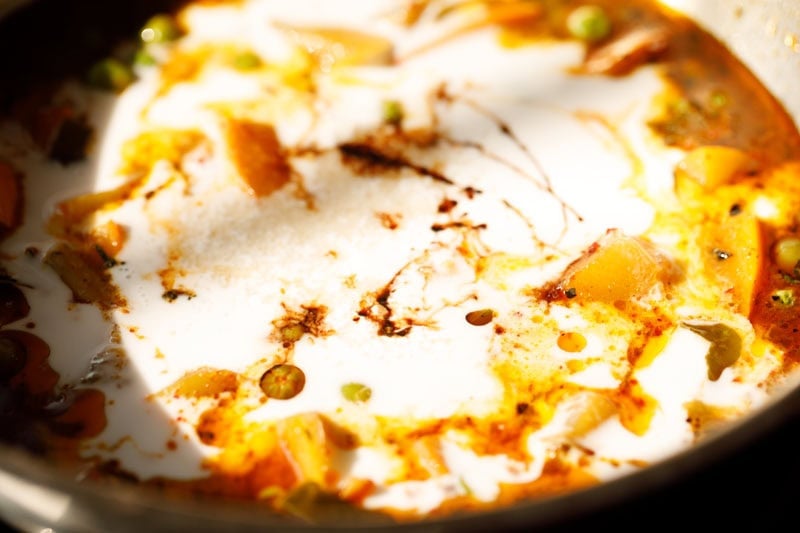
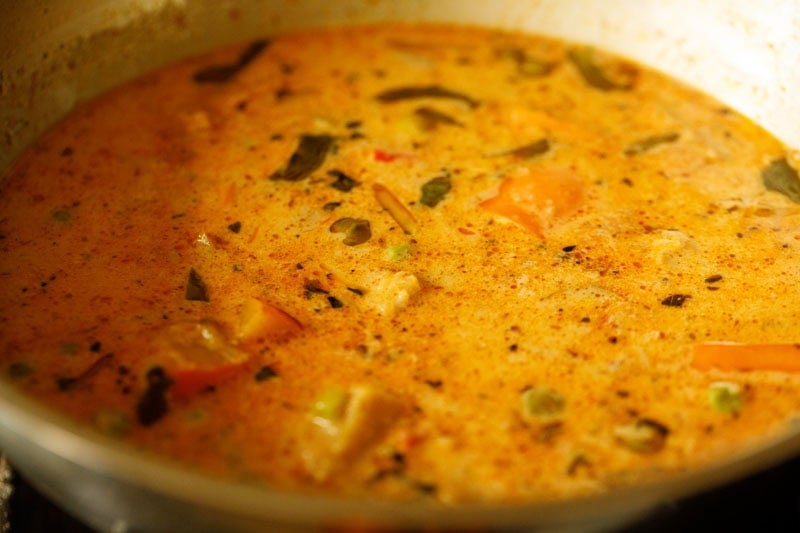
The final stage occurs once the heat is reduced or turned off. Thick coconut milk is stirred in, along with soy sauce for umami and sugar to balance the heat. The curry is then gently reheated until it reaches a sub-boil. Boiling the curry after adding coconut milk is a common technical error that can lead to "breaking" the sauce, resulting in a curdled appearance. The dish is finished with a garnish of Thai basil or fresh coriander to provide a fresh, herbal top note.
Supporting Data: Nutritional Profile and Ingredient Analysis
The nutritional density of Thai pumpkin curry makes it a powerhouse for health-conscious consumers. Based on standard serving sizes (yielding four portions), the dish offers a robust profile of vitamins and minerals.
Nutritional Breakdown (Per Serving):
- Calories: 234 kcal
- Total Fat: 20g (Saturated Fat: 17g)
- Carbohydrates: 13g
- Vitamin A: 6741 IU (135% of Daily Value)
- Vitamin C: 14mg
- Iron: 3mg
- Sodium: 346mg
The high Vitamin A content is attributed to the pumpkin, which is one of the best sources of beta-carotene, an antioxidant that the body converts into Vitamin A for eye health and immune support. The fat content, primarily derived from coconut milk, consists of medium-chain triglycerides (MCTs), which are metabolized differently than long-chain fats, often being used for immediate energy.
Ingredient Synergy
From a chemical perspective, the combination of black pepper and the capsaicin in bird’s eye chilies serves to increase the bioavailability of nutrients in the vegetables. Furthermore, the use of soy sauce (dark or regular) provides the necessary glutamates to achieve "umami," the savory fifth taste that satisfies the palate in the absence of meat.
Official Responses: Expert Insights and Culinary Standards
Chef Dassana, a leading voice in the "Veg Recipes of India" platform, emphasizes that the quality of the curry paste is the single most important factor in the dish’s success.
"While store-bought brands offer convenience, the nuance of a homemade paste—where the lemongrass and galangal are pounded fresh—cannot be overstated," Dassana notes in her technical guidance. She further advises that home cooks should not be afraid to keep the skin on the pumpkin. "The skin provides a textural contrast and holds the flesh together, preventing the curry from becoming a purée."
Culinary instructors often point to the "flexibility" of the recipe as a hallmark of Thai home cooking. While the red curry paste is standard, substitutions with Panang (for a nuttier, thicker sauce) or Green curry paste (for a more herbaceous, spicy profile) are considered acceptable variations within the Thai culinary framework.
Furthermore, experts suggest that the "resting period"—allowing the curry to sit for 10 minutes after cooking—is essential. This allows the pumpkin cubes to fully absorb the surrounding sauce through osmosis, deepening the flavor profile before service.
Implications: Culinary Trends and Global Impact
The rise of Thai style pumpkin curry reflects broader trends in the global food industry, particularly regarding sustainability and the "de-meatification" of classic recipes.
1. The Globalization of Thai Flavors
Once confined to specialty markets, ingredients like kaffir lime leaves and bird’s eye chilies are now becoming staples in Western supermarkets. This accessibility allows for the authentic reproduction of Gaeng Fak Thong in diverse geographical contexts, from London to Mumbai.
2. The Fusion of Indian and Thai Cuisines
The recipe’s popularity on platforms like "Veg Recipes of India" highlights a fascinating cross-cultural exchange. By suggesting that pumpkin curry be served with roti, chefs are creating a "fusion-functional" meal that appeals to the Indian diaspora and global fans of subcontinental cuisine. This blending of Thai aromatics with Indian bread-based service represents a new frontier in Asian-fusion dining.
3. Sustainability and Seasonal Cooking
Pumpkin is a hardy, shelf-stable vegetable that can be grown in various climates. As the world looks toward more sustainable food sources, the promotion of gourd-based curries offers a solution that is both ecologically responsible and economically accessible. The ability to use "optional" ingredients like pea eggplants or green peas allows cooks to reduce food waste by utilizing whatever seasonal produce is available.
4. Dietary Inclusivity
As a naturally gluten-free (when using tamari or gluten-free soy sauce) and vegan dish, Thai pumpkin curry meets the requirements of almost every major dietary restriction. This makes it an ideal "anchor dish" for restaurants and catering services looking to provide high-quality, inclusive options.
Conclusion
The Thai-style pumpkin curry is more than just a simple coconut milk stew; it is a sophisticated intersection of history, chemistry, and art. From the careful blooming of the red curry paste to the final garnish of Thai basil, each step is a testament to the complexity of Southeast Asian flavor profiles. As nutritional awareness grows and the demand for plant-based excellence increases, Gaeng Fak Thong stands as a definitive example of how traditional wisdom can meet modern dietary needs. Whether served in a bustling Bangkok market or a quiet kitchen in New Delhi, this dish remains a vibrant, nourishing, and essential part of the global culinary canon.
