

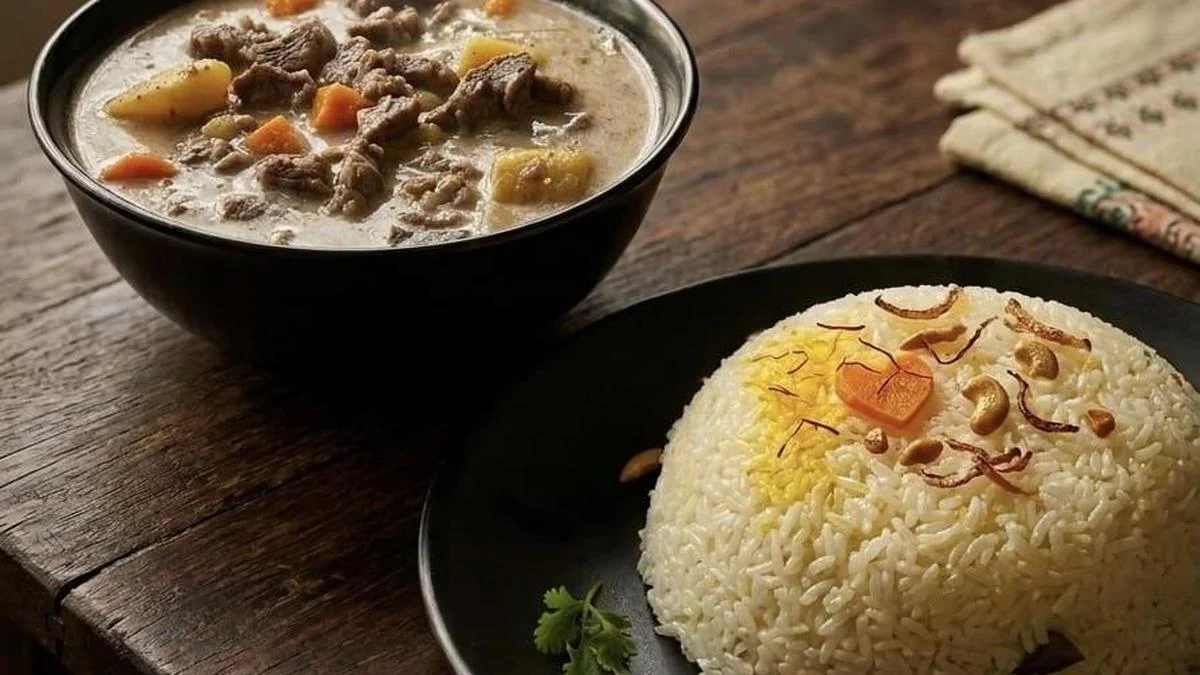
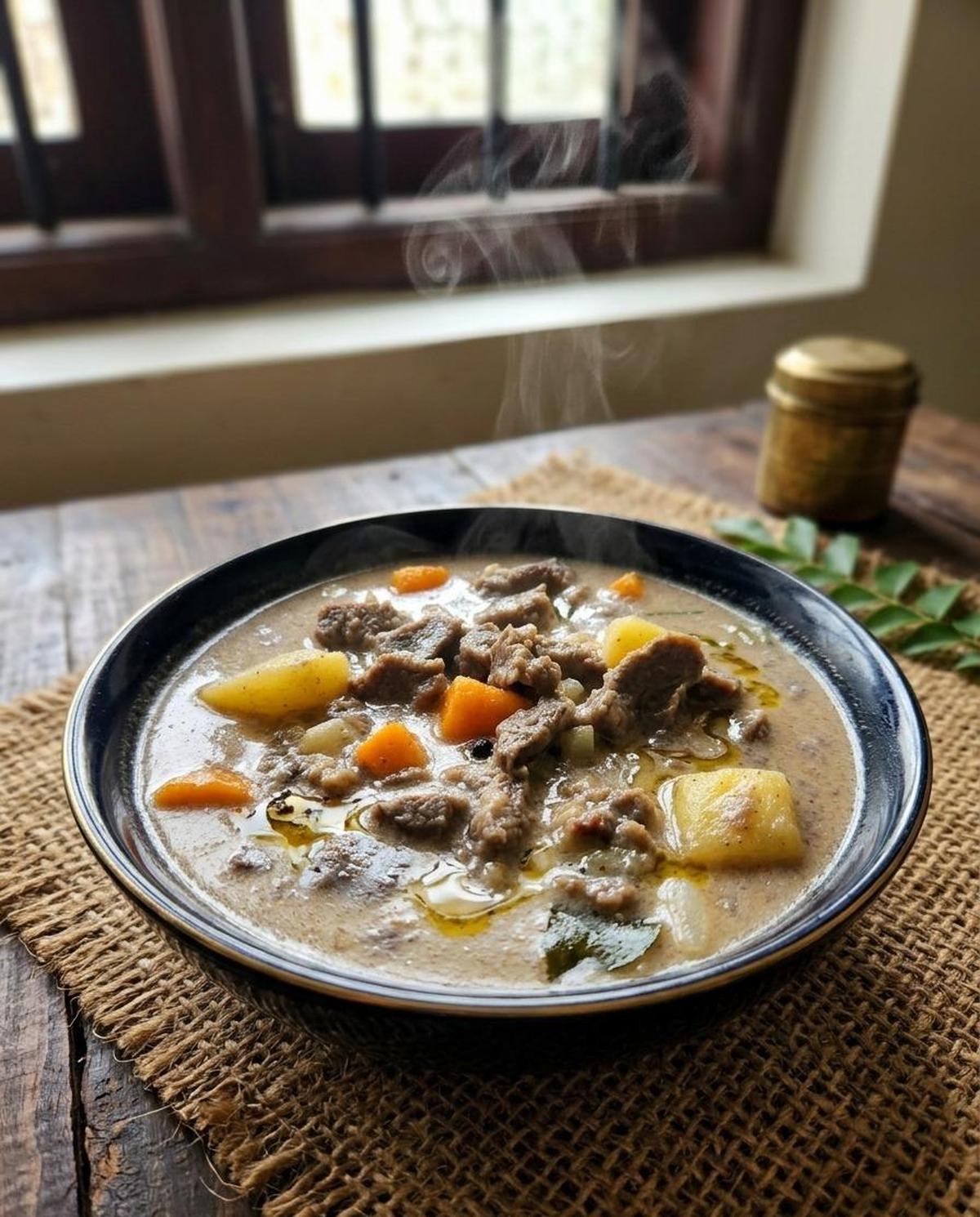
The aroma of a well-made Kerala stew—locally known as ishtew or ishtoo—is more than just a culinary experience; for the Malayali diaspora and residents alike, it is a sensory gateway to heritage. A pale, ivory-colored gravy, shimmering with a thin layer of coconut oil and flecked with cracked black pepper, the stew represents a delicate balance of heat and creaminess. Traditionally relegated to the status of a side dish for breakfast staples like lacy appams or steamed idiyappams, the Kerala stew is currently undergoing a significant transformation. It has stepped out from the shadow of the appam to become a standalone star, fueling a new wave of niche eateries, food trucks, and cloud kitchens across the urban landscape of Kochi.
Main Facts: The Anatomy of a Culinary Icon
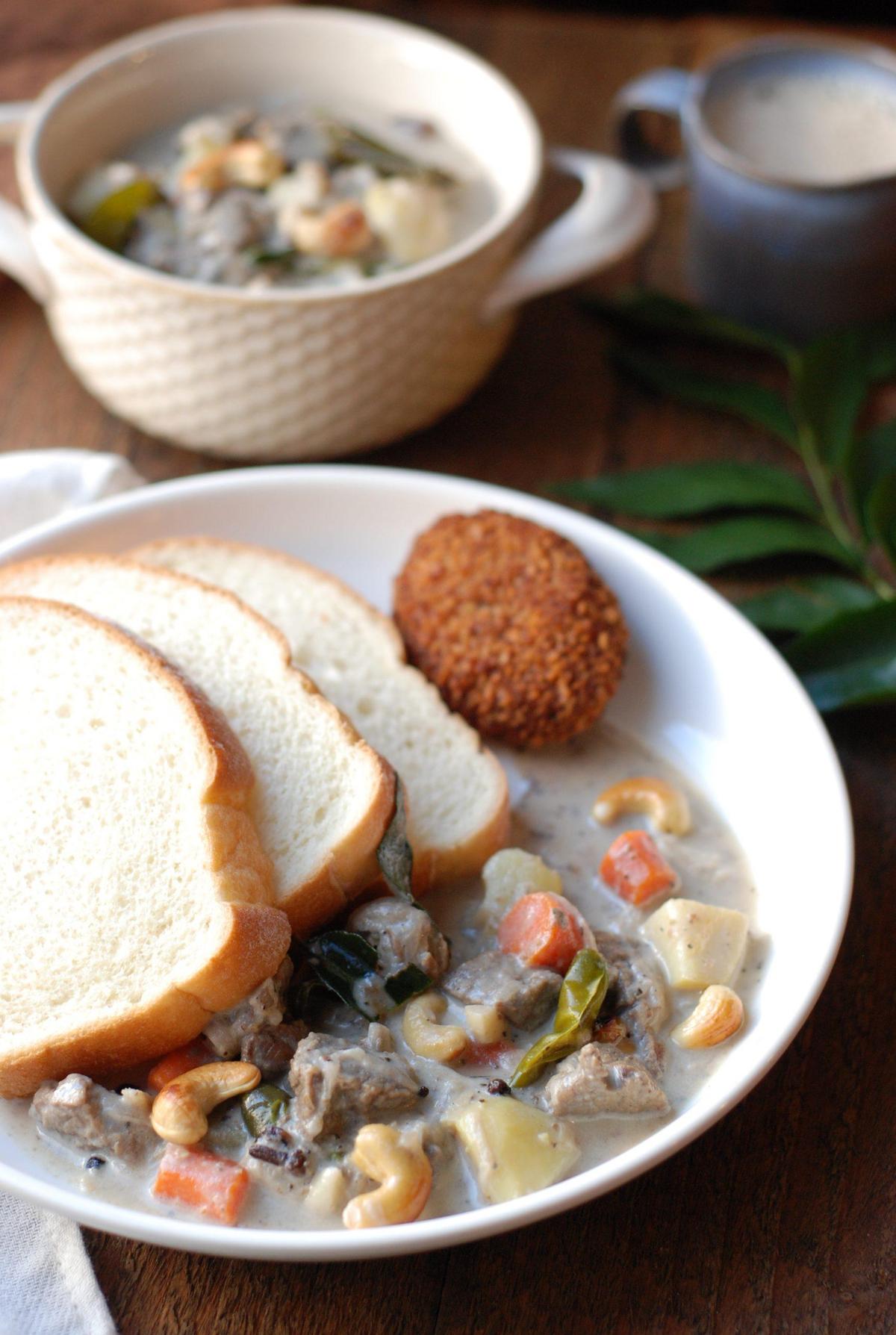
At its core, the Kerala stew is a coconut milk-based broth, typically featuring chicken, beef, or a medley of vegetables (potatoes, carrots, and onions). Unlike its European counterparts, which often rely on heavy flour-based roux or tomato reductions, the Kerala version is defined by its lightness and the use of whole aromatics. Cinnamon sticks, green cardamom, cloves, and bay leaves provide a woody undertone, while fresh ginger and green chilies offer a subtle, creeping heat that never overpowers the palate.
The current trend in Kochi sees the dish moving away from domestic kitchens and into the commercial spotlight. What was once a "Sunday morning special" or a staple of Easter and Christmas celebrations is now a daily craving. This shift is evidenced by the emergence of specialized "stew spots" that prioritize the quality of the gravy over a diverse menu. From the "stew truck" culture in Kakkanad to sophisticated cloud kitchens in Kozhikode, the ishtew is being rebranded as the ultimate comfort food for a modern, fast-paced generation seeking a "warm hug" in a bowl.
Chronology: From Colonial Ports to Modern Food Trucks
The history of the Kerala stew is a timeline of cultural fusion, reflecting the state’s long history as a global spice hub.
The Colonial Infusion (16th – 19th Century)
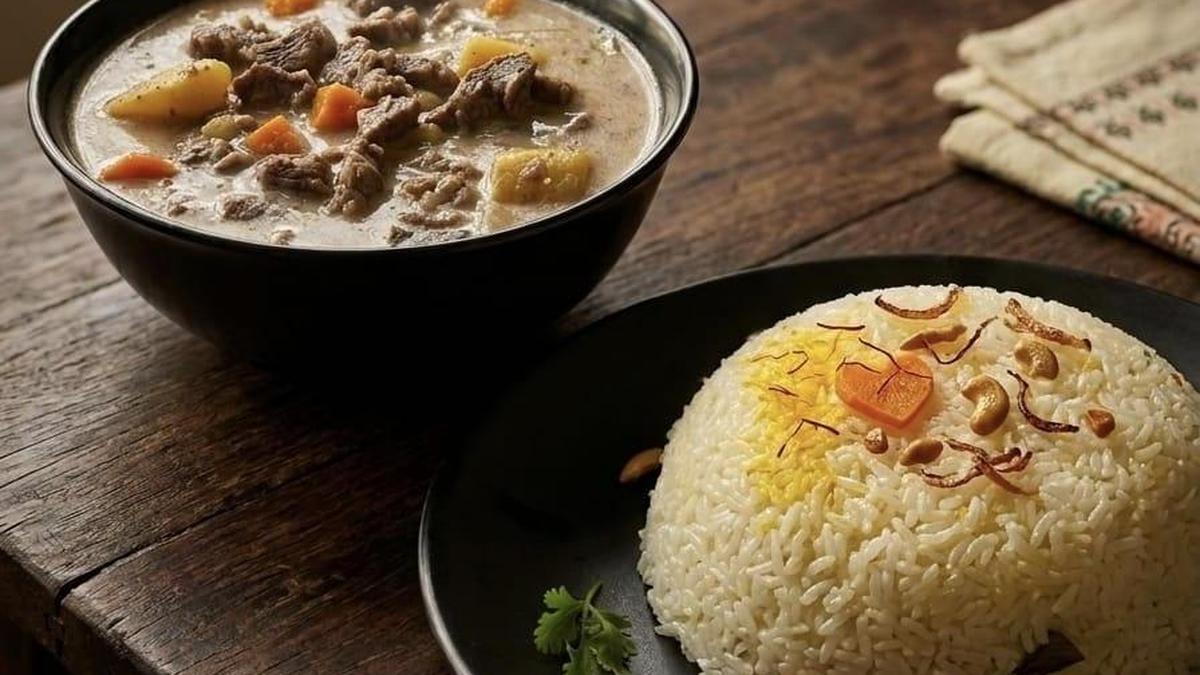
The origins of the dish are inextricably linked to Kerala’s colonial encounters. The Portuguese, who arrived in the late 15th century, are credited with introducing New World vegetables like potatoes and carrots to the Malabar Coast. However, the term "stew" itself and the concept of a slow-cooked meat broth are largely attributed to the British. While the English made their stews with water or wine and thickened them with flour or cornstarch, the local population adapted the technique to suit the regional larder.
The Syrian Christian and Jewish Adaptation
A pivotal moment in the chronology of the ishtew occurred when the local Syrian Christian community—and according to some historians, the Malabari Jewish community—replaced dairy or flour with coconut milk. For the Jewish community, the use of coconut milk allowed them to enjoy meat dishes without violating Kosher laws that prohibit the mixing of meat and dairy. The Syrian Christians further refined the recipe, incorporating ginger and a heavy hand of black pepper, creating the version that remains a celebratory staple today.
The Modern Resurgence (2020 – Present)
The transition of the stew from a home-cooked meal to a commercial trend began to accelerate around 2021. Following the global pandemic, there was a documented shift toward "nostalgia dining"—a preference for foods that evoke safety and home.
- January 2024: The launch of Reems Stew and Bread, a food truck in Kochi, marked a turning point, proving that there was a high-volume market for a limited, stew-centric menu.
- The Rise of Cloud Kitchens: Shortly after, ventures like Stewmuch began operating, utilizing digital platforms to deliver traditional stew pairings to office workers and households, further cementing the dish’s status as a versatile, all-day meal.
Supporting Data: The Business of Nostalgia
The commercial success of the stew is backed by its unique market positioning. Unlike spicy curries or heavy fried foods, the stew is perceived as "light" and "healthy," making it suitable for breakfast, lunch, or dinner.
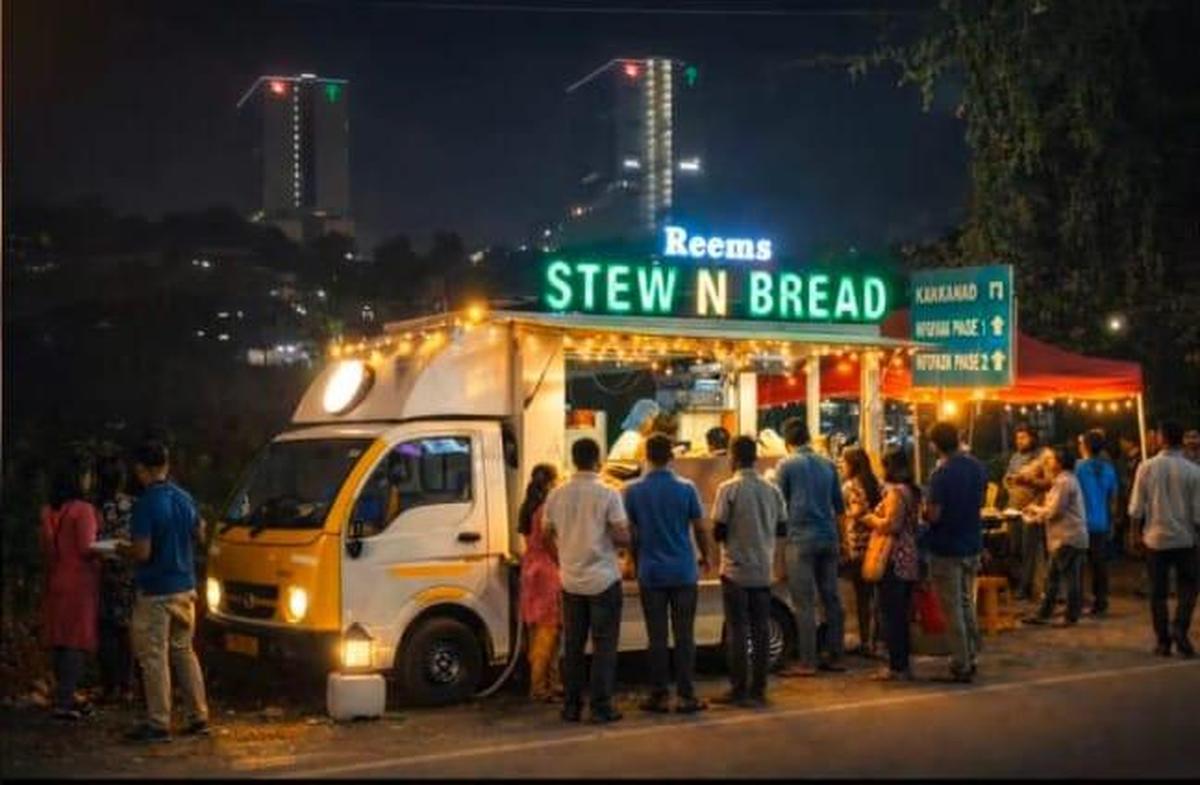
In Kochi’s tech hubs like Kakkanad, food trucks report a "sensational" response. Reems Stew and Bread, operated by Ajoy ET and his wife Reema, serves as a primary case study. Their business model relies on two high-traffic locations: Kakkanad (outside Infopark) during the week and Panampilly Nagar on weekends. Ajoy notes that the demand is driven by a "droves" of customers who call daily to track the truck’s location.
One of the key data points in their success is the "grandmother’s hack"—the use of cashew paste instead of cornflour to thicken the gravy. This artisanal touch differentiates commercial "stew spots" from standard restaurant fare, where thickening agents are often used to cut costs. Furthermore, the diversification of the protein—beef being the "crowd favorite" followed by chicken and mutton—shows that while the base remains traditional, the consumer preference leans toward the richness of red meat.
Official Responses: Voices from the Kitchen
The narrative of the ishtew is best told by those currently steering its revival. These entrepreneurs and historians provide insight into why this specific dish resonates so deeply with the contemporary public.
Ajoy ET, Co-founder of Reems Stew and Bread:
"The response has been sensational. The bread-stew combination is more than food for the Kochiite; it is part of our celebrations like Christmas and Easter. It is pure nostalgia and a taste of home. People come to us in droves because it reminds them of their roots."
Jishnu KP, Founder of Stewmuch:
Jishnu spent three years deliberating before launching his stew-based cloud kitchen. "I chose stew because its spices and warmth are balanced. It is not a heavy dish; it feels light on the palate. Another thing I love about stew is that it fits every meal—breakfast, lunch, and dinner. Very few foods carry that versatility." Jishnu is also attempting to bridge regional divides, offering a hybrid recipe that balances the spicy, yellow-toned Malabar style with the milder, whiter Kochi tradition.
Tanya Abraham, Historian and Author of Eating with History:
Abraham highlights the layered history of the dish, noting the specific influences of different communities. "Potatoes and carrots came with the Portuguese, and the stew took on a variation of their slow-cooked broth-like dish. Coconut milk was used widely by the West Asians—the Jews—who couldn’t mix milk and meat due to Kosher laws. Syrian Christians often adapted these techniques."
Implications: Geography, Identity, and the Future of Kerala Cuisine
The "stew movement" carries several implications for the future of the regional food industry and cultural identity.
Regional Variations and Identity
The resurgence of the stew has highlighted the subtle culinary borders within Kerala. The Malabar Stew (Northern Kerala) is typically thicker, spicier, and carries a distinct yellow hue from the use of turmeric. In contrast, the Kochi Stew (Central Kerala) is prized for its pristine white color, milder spice profile, and a slightly sweeter finish derived from fresh coconut milk. The fact that entrepreneurs like Jishnu are now consciously blending these styles suggests a new "Pan-Kerala" culinary identity emerging in urban centers.
Innovation in Pairing
Traditionally paired with appam, the stew is now breaking boundaries. In Kozhikode, it is increasingly paired with ghee rice, a combination that Stewmuch is now introducing to the Kochi market. The "stew truck" model has also popularized the use of custom-baked, crusty bread, which acts as a perfect vessel for the gravy, appealing to a younger demographic that prefers "handheld" or easily portable meal formats.
Economic and Culinary Tourism
As dedicated "stew spots" continue to explode on social media—led by pioneers like Hamza’s Kitchen—Kochi is positioning itself as a destination for heritage food tourism. The transition from home kitchens to "hole-in-the-wall" shops and food trucks indicates a low-barrier-to-entry business model that prioritizes culinary specialization over expansive menus. This could lead to a broader trend where other traditional, labor-intensive Kerala dishes are "de-bundled" from general restaurant menus and given their own dedicated platforms.
Conclusion: More Than a Meal
The Kerala ishtew is a testament to the state’s ability to absorb foreign influences and transform them into something uniquely local. Its current popularity is not merely a trend of convenience but a deeper reclamation of culinary heritage. Whether it is the cashew-thickened gravy of a food truck in Kakkanad or the pepper-heavy broth of a Kozhikode cloud kitchen, the stew remains a "nuanced dish" that bridges the gap between the colonial past and the fast-paced present. As it continues to evolve, the ishtew stands as a reminder that sometimes, the most sophisticated flavors are found in the simplest of comforts.
