

By Journalistic Staff
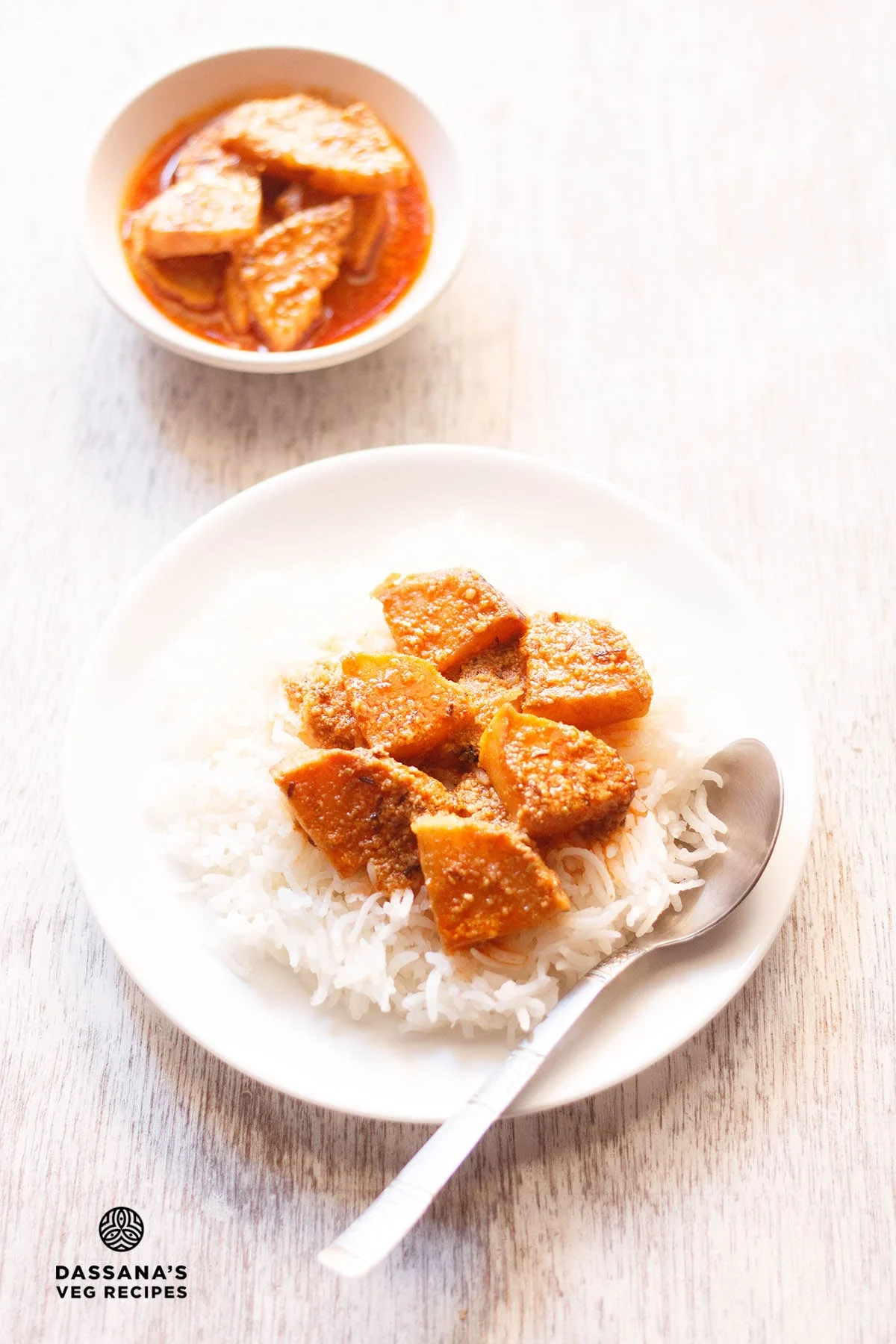
The global culinary landscape is currently witnessing a profound resurgence of interest in regional, heritage-based cooking. As modern palates grow weary of homogenized international flavors, food historians and home chefs alike are turning their attention back to the "forgotten" vegetables of the past. At the forefront of this movement is a humble, bulbous vegetable from the brassica family: the kohlrabi. Known in India as Knol Khol or Ganth Gobi, this vegetable serves as the centerpiece for one of the most distinctive dishes in the Kashmiri Pandit repertoire—Dum Monji.
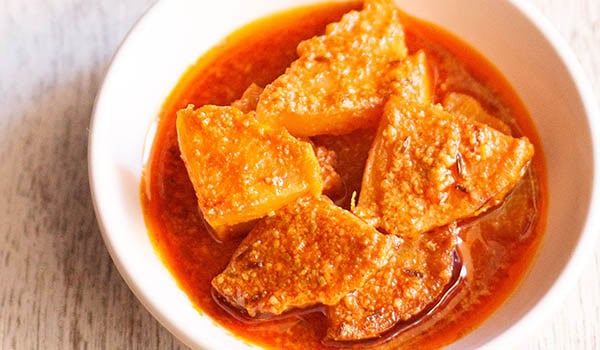
This traditional Kashmiri-style curry represents more than just a meal; it is a masterclass in the use of aromatics and a testament to a culinary philosophy that eschews the common foundations of Indian cooking—onions, garlic, and tomatoes—in favor of a sophisticated balance of yogurt, fennel, and dry ginger.
Main Facts: The Essence of Dum Monji
Kashmiri cuisine is traditionally divided into two distinct branches: the Wazwan (the multi-course meat-based feast of the Kashmiri Muslims) and the Pandit style of cooking. Dum Monji belongs firmly to the latter. The dish is characterized by its "Sattvic" nature, a term derived from Ayurvedic principles referring to food that is pure, essential, and promotes clarity of mind.
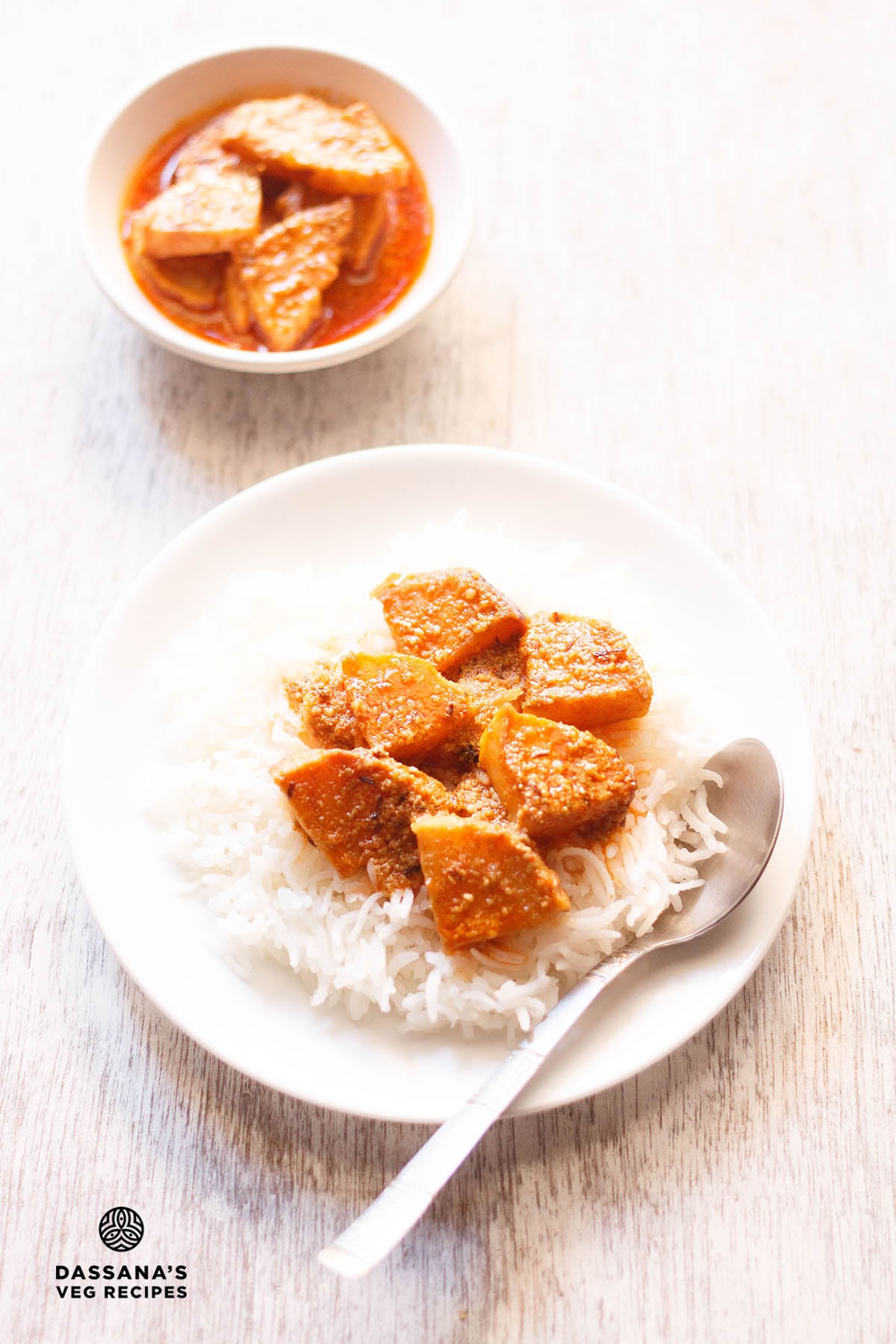
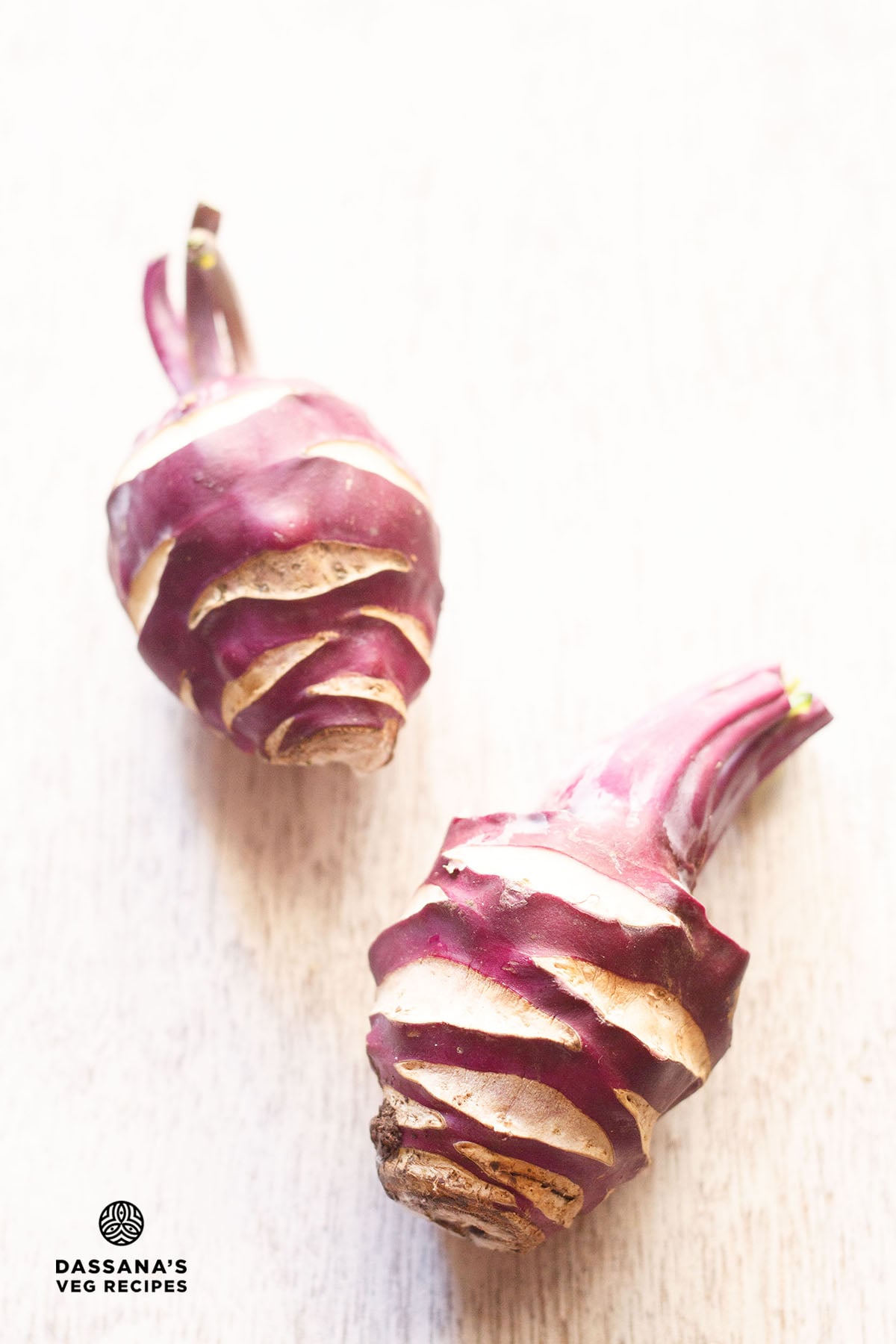
The primary ingredient, Knol Khol (kohlrabi), is a cool-weather vegetable that thrives in the temperate climate of the Kashmir Valley. While it may resemble a root vegetable, it is actually a swollen stem. Its flavor is a delicate hybrid—possessing the sweetness of a young cabbage and the crisp, peppery undertone of a turnip.
In this specific preparation, the kohlrabi is pan-fried to develop a Maillard reaction, giving it a golden exterior and a tender heart. It is then submerged in a vibrant, spice-infused yogurt gravy. The absence of heavy aromatics like garlic allows the "holy trinity" of Kashmiri spices—fennel powder (saunf), dry ginger powder (sonth), and Kashmiri red chili—to take center stage. The result is a curry that is simultaneously tangy, spicy, and deeply aromatic.
Chronology: The Evolution of a Recipe
The journey of Dum Monji from a regional staple to a modern kitchen favorite follows a specific chronological path of preparation and cultural transmission.
1. The Heritage of the Kashmiri Pandit Kitchen
The origins of this dish are tied to the migration and settlement patterns of the Kashmiri Pandit community. Forced to adapt to harsh winters where fresh produce was scarce, the community perfected the art of cooking with sturdy vegetables like kohlrabi, lotus stem (nadru), and potatoes. The "Dum" style of cooking—slow simmering under pressure—was used to ensure that these fibrous vegetables became succulent while absorbing the complex flavors of the gravy.
2. The Preparation Phase: Sourcing and Scuplting
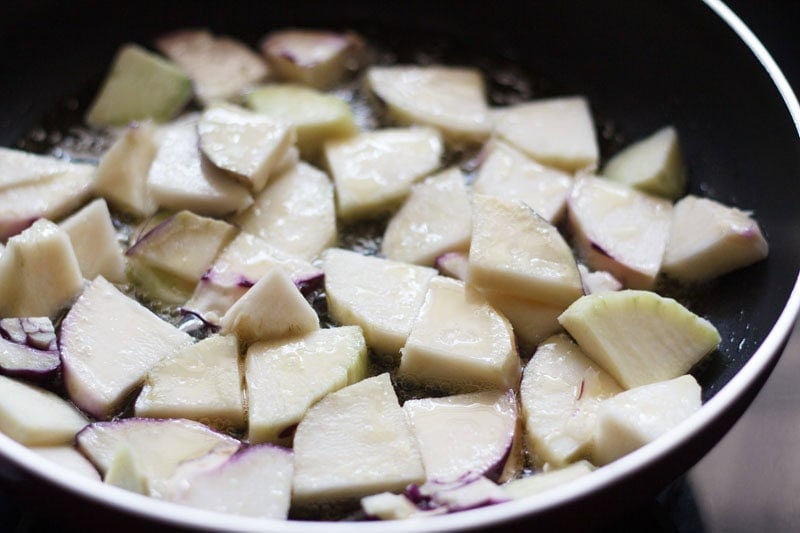
The modern preparation begins with the selection of the vegetable. Kohlrabi comes in light green or striking purple varieties. The skin is tough and fibrous, requiring careful peeling to reveal the pale, crunchy interior. For an authentic Dum Monji, the vegetable must be cut into uniform cubes or thick slices to ensure even cooking.
3. The Culinary Process: From Sizzle to Simmer
The cooking process follows a rigid, traditional sequence:
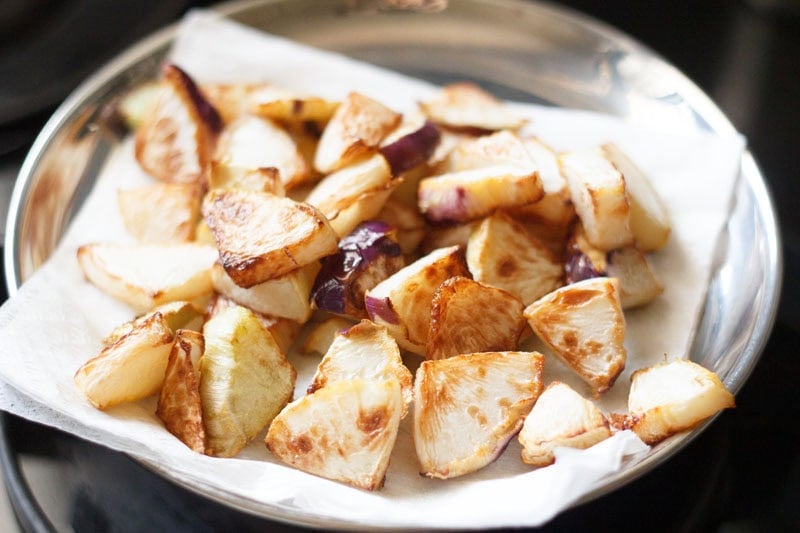
- The Searing: The kohlrabi is first fried in mustard oil. This is a critical step; the high smoke point of mustard oil and its pungent aroma provide the necessary depth that replaces the missing onion/garlic base.
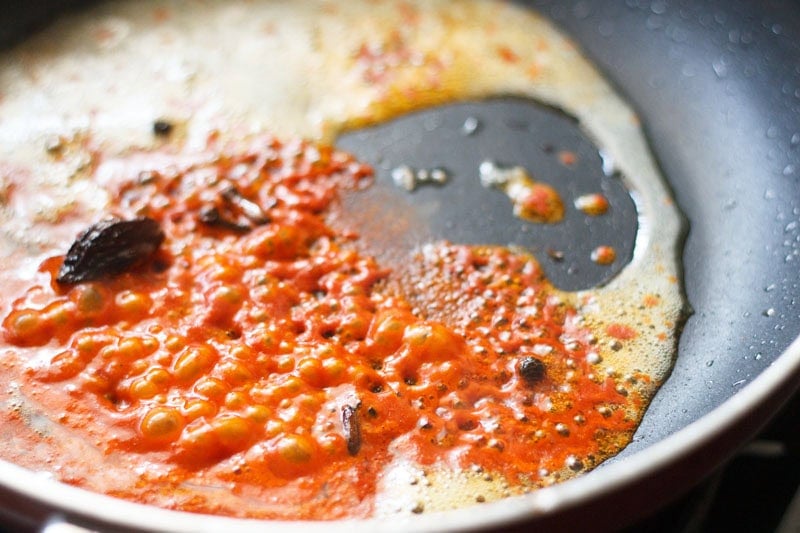
- The Spice Infusion: A unique slurry of Kashmiri red chili powder and asafoetida (hing) is prepared with water. This prevents the delicate spices from burning when they hit the hot oil.
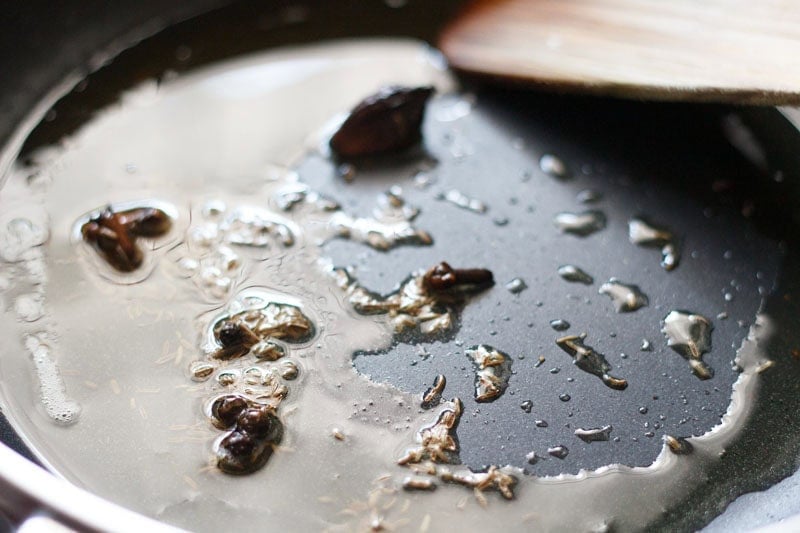
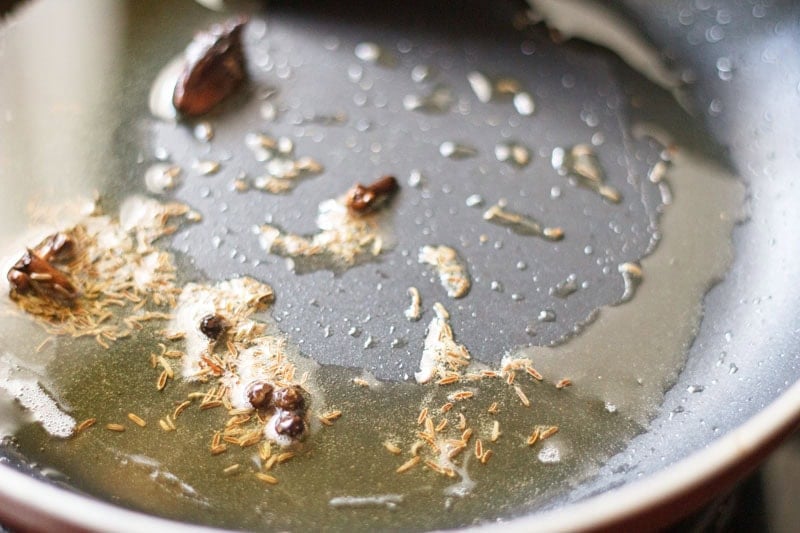
- The Tempering: Whole spices—cloves, cinnamon, black cardamom, and cumin—are bloomed in the oil until they splutter, releasing their essential oils.
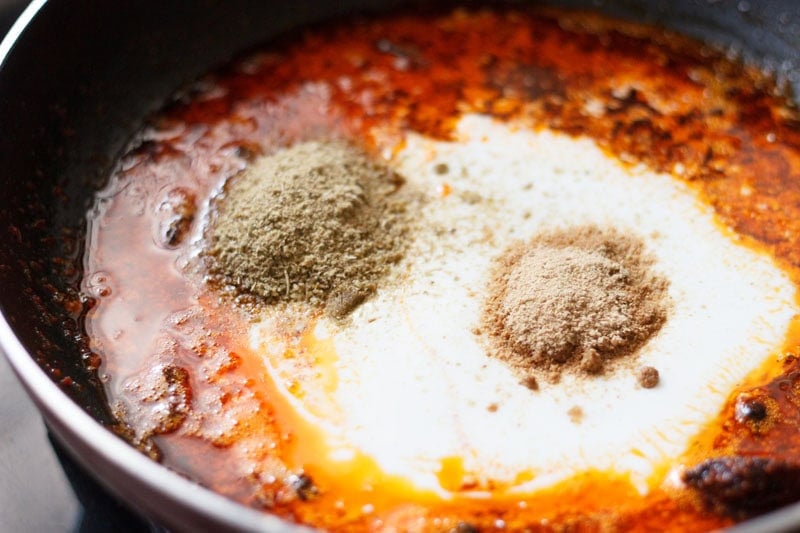
- The Gravy Formation: In a departure from standard curry techniques, the heat is lowered or turned off before whisked yogurt is added. This prevents the proteins in the dairy from curdling. Fennel and ginger powders are then stirred in.
- The Final Simmer: The fried kohlrabi is returned to the pan and allowed to simmer for 15 to 20 minutes. During this "Dum" phase, the gravy thickens, the colors deepen to a rich russet, and the oil begins to separate, signaling the dish’s completion.
Supporting Data: Nutritional and Botanical Analysis
The resurgence of Knol Khol is supported by its impressive nutritional profile, making it a favorite among health-conscious consumers. According to culinary data and nutritional analysis, a standard serving (approximately 2 servings per recipe) contains the following:
Nutritional Breakdown (Per Serving)
- Energy: 268 kcal
- Macronutrients: 15g of Carbohydrates, 5g of Protein, and 23g of total Fat (predominantly heart-healthy monounsaturated fats from mustard oil).
- Fiber: A significant 8g, which aids in digestion and provides a feeling of fullness.
Micronutrient Density
Knol Khol is a powerhouse of Vitamin C, providing approximately 94mg per serving—exceeding the daily recommended intake for most adults. It is also rich in Potassium (680mg), which is essential for heart health and blood pressure regulation. Other notable nutrients include:
- Vitamin A: 388 IU
- Calcium: 128 mg
- Magnesium: 54 mg
- Iron: 2 mg
The use of mustard oil adds a layer of polyunsaturated and monounsaturated fats, while spices like fennel and ginger are well-documented in pharmacological studies for their anti-inflammatory and carminative (digestive) properties.
Official Responses: Expert Tips and Troubleshooting
Dassana, a noted expert in Indian vegetarian cuisine and the creator of this specific iteration of the recipe, provides "official" guidance for those seeking to replicate this heritage dish. Her insights address common pitfalls encountered by home cooks.
Expert Culinary Tips
- The Yogurt Dilemma: One of the most common queries involves the yogurt splitting. Experts suggest that the quality of the yogurt is paramount. Using full-fat, well-whisked yogurt and adding it only after the heat has been reduced or extinguished is the most effective way to maintain a smooth, emulsified gravy.
- The Oil Choice: While neutral oils can be used, culinary experts insist on mustard oil for an authentic flavor profile. The "sharpness" of the mustard oil is a defining characteristic of Kashmiri cuisine.
- The "No-Substitution" Rule: When asked if onions or tomatoes can be added, the response from traditionalists is a firm "no." Adding these ingredients would transform the dish into a standard North Indian curry, stripping it of its unique Kashmiri identity.
- Spice Levels: While the dish appears fiery red due to the Kashmiri chili powder, it is actually relatively mild. The chili is used primarily for its vibrant color and subtle warmth rather than overwhelming heat.
Implications: The Future of Regional Gastronomy
The popularity of recipes like the Kashmiri Knol Khol curry has several broader implications for the global food industry and cultural preservation.
1. Preservation of Cultural Identity
As the Kashmiri Pandit diaspora has spread across the globe, food has become a vital link to their ancestral homeland. Documenting and sharing recipes like Dum Monji ensures that the specific linguistic and culinary nuances (such as the term "Monji" for kohlrabi) are not lost to time.
2. The "Ugly Vegetable" Movement
Kohlrabi has long been sidelined in favor of more "attractive" vegetables like bell peppers or broccoli. However, the rise of heritage cooking is encouraging consumers to embrace "ugly" or unconventional produce. This shift supports agricultural biodiversity, as farmers are encouraged to grow a wider variety of crops beyond the standard commercial staples.
3. The Rise of "Clean Label" Cooking
Modern consumers are increasingly seeking "clean label" recipes—those with short ingredient lists and no artificial additives. The Kashmiri Pandit style of cooking, which relies on whole spices and fresh vegetables rather than pre-made pastes or heavy thickeners, aligns perfectly with this trend. It demonstrates that profound flavor can be achieved through technique and high-quality aromatics rather than complexity of ingredients.
4. Therapeutic Cooking
With the inclusion of ginger, fennel, and asafoetida, this dish is effectively a functional food. In a post-pandemic world where "immunity-boosting" foods are highly sought after, traditional recipes that naturally incorporate medicinal spices are seeing a significant uptick in digital engagement and kitchen trials.
Conclusion
The Kashmiri Knol Khol curry is more than a simple vegetable dish; it is a culinary artifact. It represents a bridge between ancient Ayurvedic dietary practices and modern nutritional needs. By stripping away the ubiquitous onion-tomato base, Dum Monji challenges the cook to find flavor in the subtle interplay of spice and steam. As we continue to explore the depths of regional Indian cuisine, it is dishes like these—simple, elegant, and historically rooted—that will define the future of the global dinner table.
