

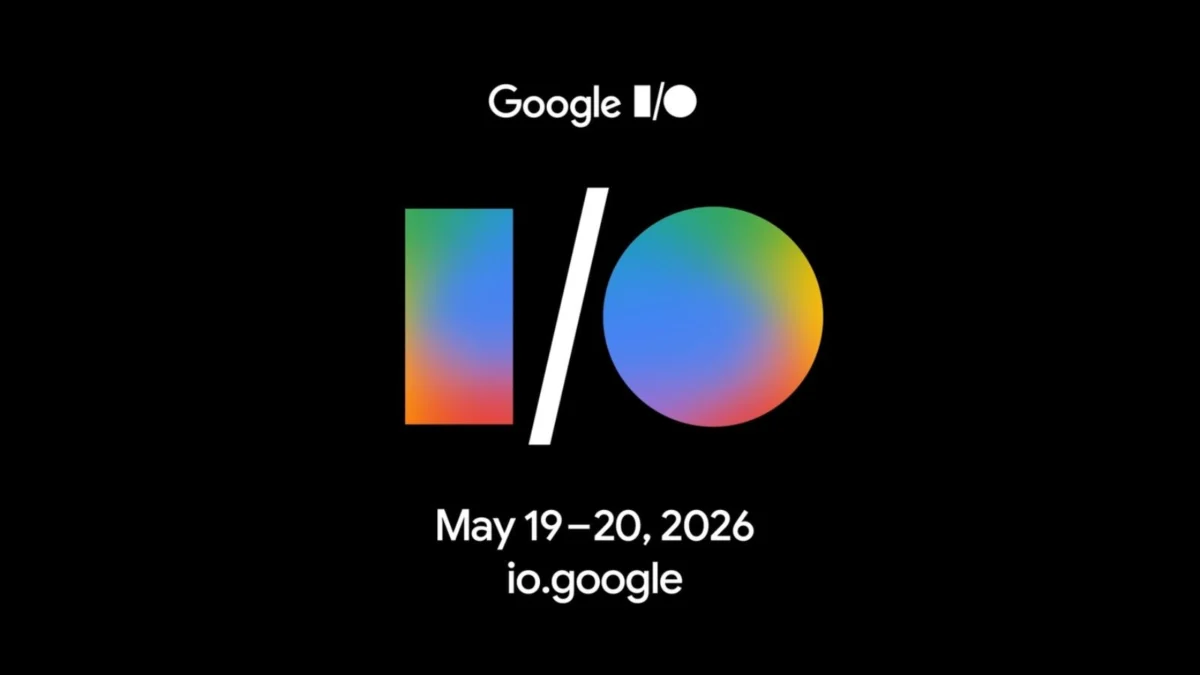
MOUNTAIN VIEW, CALIFORNIA – May 19, 2026 – The tech world’s gaze converges once again on the Shoreline Amphitheatre as Google officially commences its highly anticipated annual developer conference, Google I/O 2026. This two-day event, renowned for setting the technological agenda for the coming year, is expected to unveil Google’s most ambitious advancements to date, with artificial intelligence unequivocally positioned at the epicenter of its future strategy. From groundbreaking iterations of Android to the pervasive integration of Gemini AI across its vast ecosystem, the keynote presentation, led by CEO Sundar Pichai, promises a roadmap that will not only redefine Google’s product portfolio but also shape the broader digital landscape.
The air in Mountain View is charged with anticipation, a sentiment echoed by millions of developers, enthusiasts, and industry observers globally who are tuning in to witness the unveiling of Google’s vision for an increasingly AI-driven world. As the industry grapples with rapid shifts brought about by generative AI, Google I/O 2026 stands as a pivotal moment for the tech giant to assert its leadership and demonstrate how its foundational AI research translates into tangible, impactful products and services for billions worldwide.
Main Facts: A Glimpse into Google’s Future
Google I/O 2026 is more than just a developer conference; it’s an annual declaration of intent from one of the world’s most influential technology companies. This year’s event, spanning May 19th and 20th, is being held at the iconic Shoreline Amphitheatre in Mountain View, California, a venue that has become synonymous with pivotal Google announcements.
The primary focus of I/O 2026 is squarely on the evolution of Google’s AI strategy. Following years of incremental advancements, the company is poised to showcase how its large language models, particularly the Gemini family, are being deeply interwoven into the fabric of its most popular products. Expectations are sky-high for significant updates across Google’s core offerings:
- Android 17: The next iteration of the world’s most popular mobile operating system is anticipated to bring a suite of new features, focusing on enhanced privacy, security, and a more intelligent, personalized user experience driven by on-device AI. Developer tools and capabilities will also see substantial upgrades, enabling more powerful and integrated applications.
- Gemini AI: This is undoubtedly the star of the show. Google is expected to detail advancements in Gemini’s capabilities, including multimodal understanding, improved reasoning, and wider availability for developers through new APIs and platforms. The integration of Gemini into Google Search, Workspace, and other services will likely be a cornerstone of the keynote.
- Google Search: The venerable search engine is set for a significant transformation, with AI-powered conversational search, advanced summarization, and more personalized results taking center stage. The goal is to evolve Search from a mere information retrieval tool to an intelligent assistant.
- Chrome and Web Technologies: Expect updates to the Chrome browser, focusing on performance, security, and new developer capabilities, potentially leveraging AI for enhanced browsing experiences and web development.
- YouTube: AI is expected to empower content creators with new tools for video editing, content generation, and audience engagement, while also enhancing viewer experiences through personalized recommendations and interactive features.
- Android XR: A dark horse but highly anticipated category, Android XR refers to Google’s efforts in extended reality. Speculation is rife about new developments in augmented reality (AR) and virtual reality (VR), potentially including updates on smart glasses or a platform that could rival existing XR ecosystems. This could mark Google’s serious re-entry into the spatial computing race.
The two-hour keynote presentation, which commenced at 10 AM PT (10:30 PM IST), was opened by Google CEO Sundar Pichai. Pichai’s address is traditionally a high-level overview of Google’s vision and strategic priorities. He is expected to be followed by other senior executives, including Demis Hassabis, CEO of Google DeepMind, who will likely delve into the technical prowess and future roadmap of Gemini AI. Product leads from various divisions will then walk through specific updates and demonstrations.
For those unable to attend in person, Google is providing comprehensive live streaming of the keynote and subsequent sessions. The event is accessible globally via YouTube and the official io.google website, ensuring that developers and the public alike can follow the announcements in real-time. This broad accessibility underscores Google’s commitment to its developer community and its desire to share its innovations widely.
The significance of Google I/O 2026 cannot be overstated. It serves as a critical platform for Google to showcase its innovation, attract and empower developers, and ultimately solidify its position at the vanguard of technological progress. The announcements made here will influence software development, consumer electronics, and digital interactions for the foreseeable future.
Chronology: From Pre-Event Whispers to Post-Keynote Impact
The narrative of Google I/O 2026 extends far beyond the two days of the conference itself, encompassing a vibrant timeline of anticipation, revelation, and subsequent integration.
Pre-Event Buzz and Anticipation (Weeks Leading Up to May 19)
The build-up to Google I/O 2026 began weeks, if not months, in advance. Google’s developer relations teams started dropping subtle hints and teasers through blog posts, social media channels, and developer forums. Registration for the event opened months prior, quickly selling out, signaling intense developer interest. Speculation ran rampant across tech news outlets and online communities, with analysts dissecting every snippet of information. Leaks, both intentional and accidental, contributed to the excitement, hinting at features in Android 17, new AI capabilities, and potential hardware reveals. The developer community, in particular, engaged in lively discussions, predicting API changes, framework updates, and the overarching direction Google would take with its core platforms. This period of pre-event buzz is crucial, as it generates momentum and primes the audience for the magnitude of the announcements to come. Developers began planning their projects, envisioning how new tools and APIs might revolutionize their applications even before the official unveiling.
Day 1: The Transformative Keynote (May 19)
The keynote presentation is the undisputed highlight of Google I/O. As the virtual curtain rose, Google CEO Sundar Pichai took the stage, opening the proceedings with a strategic address. His speech is expected to articulate Google’s overarching vision, emphasizing its "AI-first" philosophy and how artificial intelligence is not merely a product feature but the foundational layer for all future innovations. Pichai likely framed AI as a tool for solving humanity’s greatest challenges, while also touching upon responsible AI development and ethical considerations.
Following Pichai, the deep dive into Google’s technical prowess began. Demis Hassabis, the visionary leader of Google DeepMind, was anticipated to provide a comprehensive update on Gemini AI. This segment likely covered:
- Gemini Model Advancements: Details on new, more powerful versions of Gemini, potentially including ultra-efficient on-device models and massively scaled cloud-based models.
- Multimodal Capabilities: Demonstrations of Gemini’s enhanced ability to understand and generate content across text, images, audio, and video, showcasing its versatility.
- Developer Tools and Platforms: Announcement of new APIs, SDKs, and cloud services designed to make it easier for developers to integrate Gemini’s intelligence into their own applications, potentially across Android, Web, and Google Cloud.
The spotlight then shifted to Android 17. The Android team revealed the core tenets of the new operating system, focusing on:
- User Experience Enhancements: A refresh of the Material You design language, new animation frameworks, and improvements to system fluidity.
- Privacy and Security: New privacy controls, improved data protection mechanisms, and an expansion of the Privacy Sandbox initiative to give users more control over their digital footprint.
- AI Integration: Deep integration of on-device AI for personalized experiences, smarter notifications, predictive actions, and enhanced accessibility features.
- Developer Features: New APIs for background processing, improved battery life management, and enhanced support for emerging form factors and device categories.
Updates to Google Search and Chrome followed, illustrating how AI is fundamentally reshaping these ubiquitous platforms. For Search, this could include live demonstrations of conversational search capabilities, AI-powered summarization of complex topics, and more intuitive ways to interact with information. Chrome might showcase AI-driven tab management, intelligent content recommendations, and new privacy-focused features.
Finally, the keynote likely touched upon YouTube, showcasing new creator tools powered by AI for content generation and editing, and potentially previewing the future of Android XR, with updates on Google’s strategy for smart glasses or a unified XR platform that integrates Android’s ecosystem into spatial computing.
Day 2: Deep Dives and Developer Empowerment (May 20)
While the keynote sets the stage, Day 2 and beyond are where the real work begins for developers. The second day of I/O is traditionally dedicated to a plethora of breakout sessions, workshops, and technical talks. These sessions provide granular details on the technologies announced during the keynote, offering developers the practical knowledge and tools they need to leverage Google’s latest innovations.
- Technical Sessions: Detailed presentations on specific APIs, SDKs, and frameworks for Android, Web, Flutter, Kotlin, Firebase, Google Cloud, and AI/ML.
- Hands-on Workshops: Interactive sessions allowing developers to experiment with new tools and code samples under the guidance of Google engineers.
- Developer Spotlights: Showcases of innovative applications built using Google technologies, inspiring the community.
- Community Engagement: Opportunities for developers to network, ask questions directly to Google product teams, and provide feedback, fostering a collaborative environment.
The focus shifts from high-level vision to practical implementation, empowering the global developer community to build the next generation of applications and services.
Post-Event: Adoption and Analysis
Immediately following I/O, a period of intense activity commences. Developers begin downloading new SDKs, experimenting with beta versions of Android, and integrating new AI APIs into their projects. Media outlets and industry analysts publish in-depth reviews and analyses of Google’s announcements, evaluating their potential impact on the market, Google’s competitive standing, and the broader tech landscape. The true measure of I/O’s success lies in the subsequent adoption rates of its new technologies and the innovations that emerge from the developer community in the months that follow.
Supporting Data: Google’s Foundation and the AI Imperative
To fully appreciate the significance of Google I/O 2026, it’s crucial to understand Google’s historical trajectory, its current market position, and the profound impact of the ongoing AI revolution.
Historical Context of Google I/O
Google I/O has evolved dramatically since its inception in 2008. Initially, it was predominantly an Android-centric conference, a platform to showcase the latest version of the mobile OS and entice developers to build apps for its nascent ecosystem. Over the years, its scope expanded to encompass Chrome, Google Search, Google Cloud, and an array of hardware products like Pixel phones and smart home devices.
Key historical announcements include:
- Early Android Versions: Setting the stage for mobile dominance.
- Google Assistant: A significant leap into conversational AI.
- Material Design: Revolutionizing UI/UX across Google’s products.
- Project Tango/ARCore: Google’s early forays into augmented reality.
- TensorFlow: Democratizing machine learning for developers.
- Stadia: An ambitious, though ultimately short-lived, venture into cloud gaming.
- Pixel Line: Showcasing Google’s hardware-software integration prowess, especially with on-device AI.
In recent years, AI has progressively dominated the I/O agenda, reflecting Google’s "AI-first" pivot articulated by Sundar Pichai. This shift signifies a recognition that AI is not just another product category but the fundamental technology underpinning all of Google’s future innovations. The conference has grown from a relatively niche developer gathering to a global spectacle, drawing millions of online viewers and cementing its status as one of the most important events in the tech calendar.
The AI Revolution and Google’s Strategic Position
The past few years have witnessed an unprecedented acceleration in artificial intelligence, particularly with the advent of generative AI. Large language models (LLMs) have moved from academic research to mainstream applications, captivating the public imagination and reshaping industries. This boom has intensified competition, with players like OpenAI (backed by Microsoft), Meta, and even smaller startups making significant strides.
Google, with its decades of research in AI and machine learning, finds itself in a unique position. It possesses immense computational resources, vast datasets, and some of the world’s leading AI researchers. The development of Gemini, Google’s most advanced and capable AI model, is a direct response to this competitive landscape and a testament to its long-term commitment to AI leadership. Gemini’s multimodal capabilities, allowing it to process and understand different types of information (text, images, audio, video) simultaneously, represent a significant advantage.
I/O 2026 is critical for Google to demonstrate how Gemini transcends mere chatbot functionality and becomes an intelligent agent embedded across its entire product suite. This includes not only direct consumer applications but also empowering developers through Google Cloud’s Vertex AI platform, providing the tools for businesses to build their own AI-powered solutions. The focus will be on "responsible AI," a theme Google consistently emphasizes, addressing concerns around bias, fairness, and transparency.
Android’s Continued Dominance and the XR Frontier
Android remains the world’s most dominant mobile operating system, powering billions of devices globally. Its market share consistently hovers around 70-80%, making any update to Android a colossal event for developers and consumers alike. Android 17 is expected to build upon this foundation, introducing features that enhance user privacy, improve system performance, and deepen AI integration directly on the device, reducing reliance on cloud processing for certain tasks.
Beyond traditional mobile, the emergence of Extended Reality (XR) represents a new frontier. While Google had early forays with Google Glass and Daydream VR, the market has matured significantly with the rise of dedicated XR headsets and increasing interest in spatial computing. Android XR could signal Google’s renewed, and more focused, commitment to this space. A unified Android-based platform for AR/VR devices could leverage its massive developer ecosystem and provide a coherent strategy to compete with other tech giants entering this potentially transformative market. The implications for gaming, communication, productivity, and entertainment in a spatial context are immense.
Hardware and Ecosystem Play
Google I/O isn’t just about software; it’s also about showcasing the synergy between software and hardware. While dedicated hardware launches are often reserved for separate Pixel events, I/O provides the software context for these devices. The Pixel line, for instance, serves as Google’s reference hardware, demonstrating the optimal implementation of Android and its AI capabilities. Updates to Wear OS (for smartwatches), Android Auto (for vehicles), and Google TV (for smart televisions) are also likely, further solidifying Google’s expansive ecosystem play. The company’s vision for the smart home, integrating Nest devices and Google Assistant, will also likely see AI-driven enhancements, making connected living more intuitive and proactive.
Official Responses: Voices from the Summit and Beyond
The narrative of Google I/O is shaped not only by the announcements themselves but also by the voices that articulate Google’s vision, the reactions from the developer community, and the analysis from industry experts.
Google’s Narrative: Vision and Responsibility
Throughout the keynote and subsequent sessions, Google’s senior leadership is expected to deliver a cohesive message centered on innovation, empowerment, and responsibility.
- Sundar Pichai’s Vision: CEO Sundar Pichai’s opening remarks will undoubtedly frame AI as the most profound technological shift of our time, emphasizing its potential to unlock human potential, solve complex problems, and make technology more helpful for everyone. He will likely reiterate Google’s commitment to building "responsible AI," addressing ethical concerns around fairness, privacy, safety, and transparency, and emphasizing the importance of human oversight.
- Demis Hassabis on Gemini: Demis Hassabis, as the head of Google DeepMind, will provide the scientific and technical backbone for Gemini’s advancements. He is expected to highlight the model’s architectural innovations, its groundbreaking multimodal capabilities, and its potential to accelerate scientific discovery and creativity. His message will likely focus on the sheer power and versatility of Gemini as a foundational model for the next generation of AI applications.
- Product Leaders on User Impact: Leaders from Android, Search, Chrome, and YouTube will translate these high-level visions into tangible user benefits. They will emphasize how new features in Android 17 enhance personalization and security, how AI transforms Search into a more intuitive assistant, and how new tools empower creators and consumers across Google’s vast product portfolio. Quotes will likely focus on "making technology invisible," "more helpful," and "proactively anticipating user needs."
Developer Community Reactions: Excitement and Adaptation
The developer community is the heart of Google I/O, and their reactions are critical.
- Initial Excitement: As new APIs, SDKs, and developer tools are unveiled, the initial reaction from developers tuning in globally will be one of excitement. Tweets, blog posts, and forum discussions will erupt with enthusiasm for new possibilities. Developers will quickly begin downloading beta releases, experimenting with new code, and envisioning how these updates can enhance their existing applications or inspire entirely new ones.
- Feedback and Collaboration: Google I/O also serves as a vital feedback loop. Developers will engage with Google engineers in Q&A sessions, provide early feedback on beta software, and discuss best practices. This collaborative spirit is essential for refining new technologies and ensuring they meet the diverse needs of the global developer ecosystem. Focus will be on the ease of integration, documentation quality, and the stability of new frameworks.
- Adaptation Challenges: While excitement is high, developers also face the challenge of adapting to rapid technological change. Integrating new AI models, understanding new privacy requirements, and adopting new UI/UX paradigms require significant effort. Discussions will also revolve around the learning curve associated with new AI frameworks and the resources Google provides to ease this transition.
Analyst and Industry Expert Commentary: Scrutiny and Outlook
Industry analysts and tech journalists will provide a crucial external perspective, evaluating Google’s announcements against the broader industry landscape.
- Competitive Positioning: Experts will assess how Google’s AI strategy, particularly Gemini, stacks up against rivals like OpenAI/Microsoft, Meta, and others. They will scrutinize whether Google has successfully demonstrated a tangible lead or if it is merely catching up in certain areas. The integration of AI into Search will be a key area of focus, as it directly challenges traditional search paradigms.
- Market Impact: Analysts will project the market impact of Android 17, particularly its privacy features and AI capabilities, on the mobile ecosystem. The potential for Android XR to establish a significant foothold in the burgeoning spatial computing market will also be a major point of discussion, comparing Google’s approach to Apple’s Vision Pro and Meta’s Quest platforms.
- Long-Term Implications: Commentary will extend to the long-term implications of Google’s announcements for the tech industry as a whole. This includes the future of software development, the evolving role of developers, the ethical dimensions of pervasive AI, and the potential for new business models and product categories to emerge. Questions about monetization strategies for new AI features and the overall profitability of Google’s AI investments will also be explored.
Implications: Reshaping the Digital Horizon
The announcements at Google I/O 2026 will reverberate across multiple sectors, fundamentally reshaping the experiences of developers, consumers, the tech industry, and society at large.
For Developers: A New Era of Innovation and Adaptation
Google I/O 2026 presents both immense opportunities and significant challenges for the global developer community.
- New Tools and APIs: Developers will gain access to powerful new tools and APIs for integrating advanced AI capabilities, particularly Gemini, into their applications. This means easier access to multimodal understanding, sophisticated reasoning, and generative AI features, enabling the creation of smarter, more intuitive, and personalized user experiences. The ability to leverage on-device AI will also open doors for privacy-preserving and offline-capable intelligent applications.
- Framework Evolution: Updates to Android 17, Flutter, Kotlin, and other frameworks will necessitate learning and adaptation. Developers will need to familiarize themselves with new design paradigms (e.g., Material You enhancements), privacy requirements, and performance optimization techniques for the latest hardware.
- XR Opportunities: If Android XR gains significant traction, it will open up an entirely new computing paradigm for developers. This means learning spatial UI/UX design, new input methods, and building applications that interact with the real world in novel ways, potentially leading to a gold rush for augmented reality experiences.
- Skill Shift: The pervasive integration of AI will accelerate the demand for developers with machine learning expertise. Even traditional app developers will need a foundational understanding of AI principles to effectively leverage the new tools and platforms Google provides. This will drive a shift in skill sets and continuous learning.
For Consumers: Enhanced Experiences and Ethical Considerations
The end-users of Google’s products will experience a noticeable shift towards more intelligent, personalized, and seamless interactions.
- Smarter Devices: Android 17 will make smartphones and other devices feel more proactive and intelligent, anticipating needs, personalizing content, and simplifying complex tasks through on-device AI.
- Revolutionized Search and Content: Google Search will transform from a keyword-based tool to a conversational assistant, providing comprehensive answers and deeper insights. YouTube and other content platforms will offer more personalized recommendations and potentially new interactive experiences.
- Privacy and Security: Enhanced privacy controls in Android 17 and other Google services will empower users with greater transparency and control over their data, though the balance between personalization and privacy will remain a key debate.
- Emergence of XR: If new Android XR devices are introduced, consumers could begin to experience a new dimension of computing, where digital information seamlessly blends with the physical world, offering new ways to work, play, and connect.
- Ethical Implications: The pervasive nature of AI also raises ethical questions for consumers, including data privacy, algorithmic bias, and the potential for AI to influence decision-making. Google’s emphasis on responsible AI will be tested by real-world implementation.
For the Tech Industry: Shifting Paradigms and Competitive Pressures
Google I/O 2026 will send ripples across the entire technology industry, influencing competitors, partnerships, and market trends.
- AI Benchmark: Google’s AI advancements, particularly with Gemini, will set new benchmarks for multimodal AI capabilities and integration across a vast product ecosystem. This will compel other tech giants to accelerate their own AI research and product roadmaps.
- Future of Search: The evolution of Google Search with conversational AI poses a significant challenge to traditional search engines and could redefine how users discover information, impacting content creators and advertisers alike.
- Operating System Wars (XR): A strong push into Android XR could ignite a new front in the operating system wars, challenging Meta’s Quest OS and potentially creating a viable alternative to Apple’s visionOS. This competition will drive innovation in spatial computing hardware and software.
- Cloud AI Competition: New developer tools for Gemini on Google Cloud will intensify competition in the cloud AI services market, providing more options for enterprises looking to build intelligent applications.
- Hardware Innovation: Advancements in Android will invariably push hardware manufacturers to innovate, focusing on chipsets optimized for AI, advanced sensors, and new form factors to support the latest software capabilities.
Societal Impact: Responsibility and Digital Evolution
Beyond the immediate tech industry, Google I/O 2026 has broader societal implications.
- Responsible AI Governance: Google’s continued emphasis on responsible AI will contribute to the ongoing global dialogue about AI ethics, governance, and regulation. The practical implementation of these principles will be scrutinized by policymakers and advocacy groups.
- Digital Divide: While AI promises to enhance technology for many, there’s a risk of exacerbating the digital divide if new AI-powered tools and XR devices remain inaccessible or too complex for certain demographics.
- Impact on Work and Education: AI’s integration into productivity tools and educational platforms could fundamentally alter how we work and learn, automating mundane tasks and enabling new forms of creativity and problem-solving.
- Information Landscape: The transformation of Google Search and the proliferation of generative AI raise questions about the nature of information, truth, and media literacy in an AI-powered world.
In essence, Google I/O 2026 is not just a showcase of new products; it’s a declaration of Google’s intent to lead the world into an AI-first future. The innovations unveiled this week will undoubtedly shape the next generation of digital experiences, challenge existing paradigms, and underscore the profound responsibility that comes with wielding such transformative technological power. The journey begins now, as the tech world watches, builds, and adapts to Google’s vision for 2026 and beyond.
