

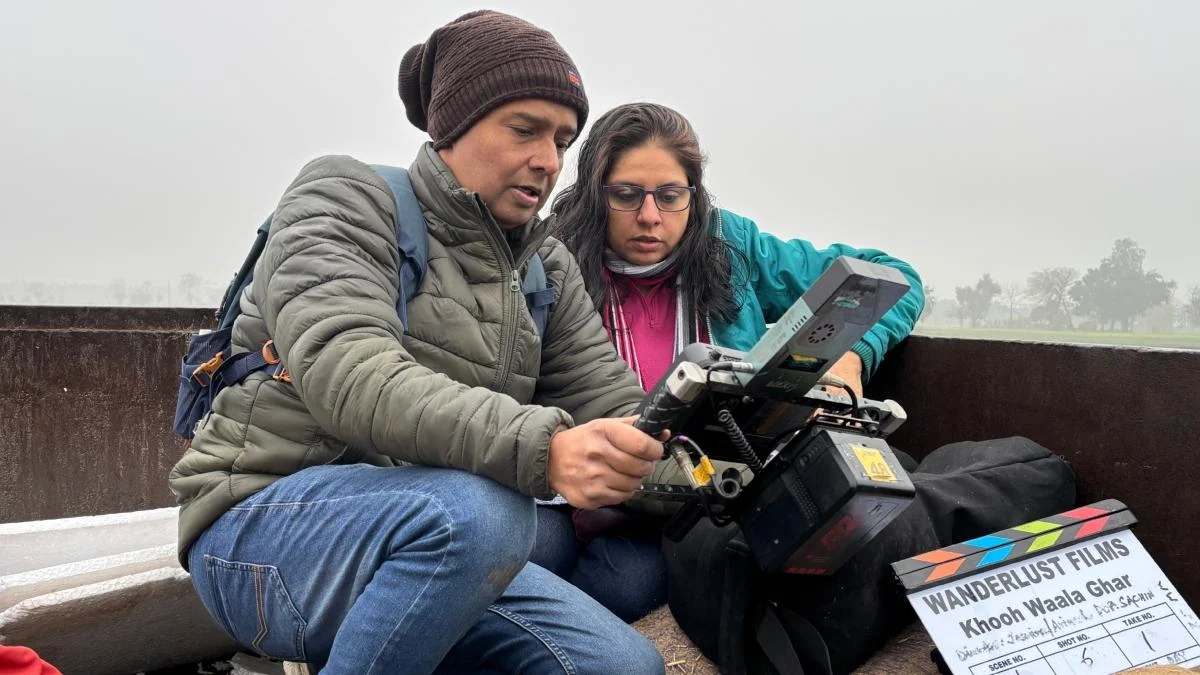
The poignant Punjabi short film, "Khooh Waala Ghar" (Room at the Farm), directed by the acclaimed duo Jasmine Kaur Roy and Avinash Roy, is set to captivate audiences at the prestigious New York Indian Film Festival (NYIFF). The film, a finalist for the Best Short (Narrative) award, offers a stark yet tender portrayal of the encroaching industrialization on Punjab’s agrarian heartland and the profound human impact it carries. Through the story of Nihal, a small farmer pushed to the brink by debt, the film delves into themes of displacement, the erosion of tradition, and the enduring strength of human connection amidst societal upheaval.
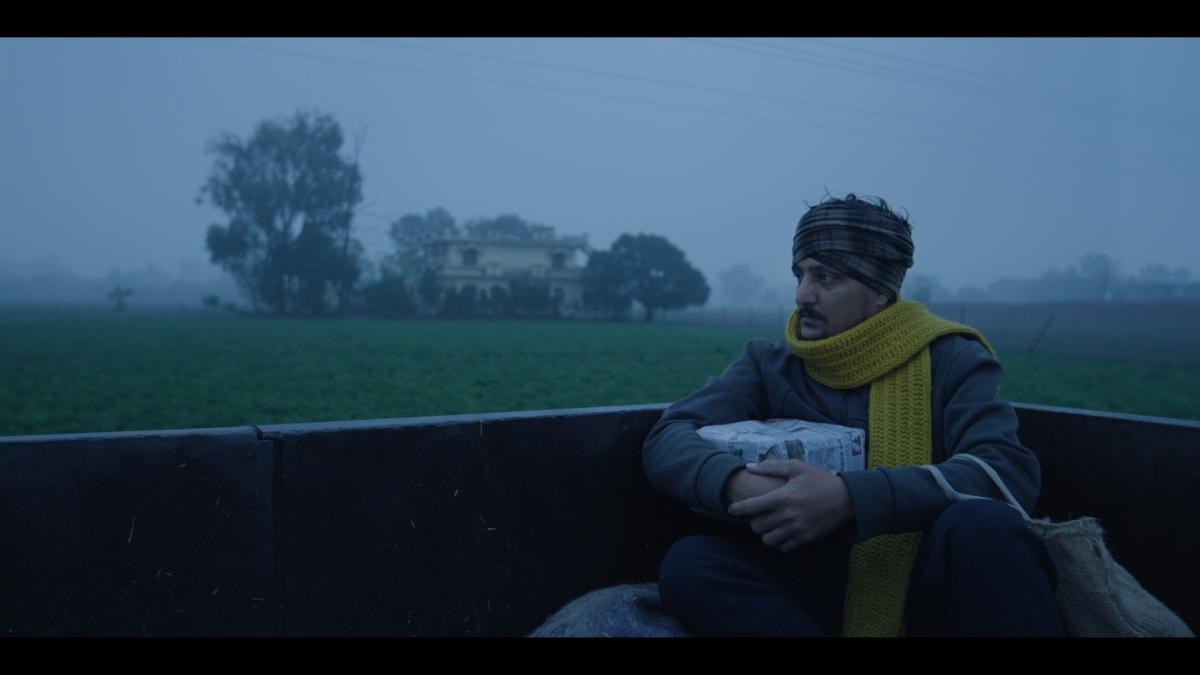
The narrative opens with a striking visual dichotomy: a man, Nihal, clad in a vibrant yellow, hand-knitted muffler, his hand firmly grasping a small box, traverses misty fields on a tractor. This pastoral image is soon juxtaposed with the imposing silhouette of a factory, a symbol of relentless progress, standing sentinel amidst the verdant expanse. This immediate contrast, established by filmmakers Jasmine Kaur Roy and Avinash Roy, immediately signals the central conflict of their Punjabi short film, Khooh Waala Ghar. The film chronicles Nihal’s descent into desperation and crippling debt, leaving him with the agonizing choice of surrendering his ancestral farmland to the relentless march of industrial development.
The Unsettling Reality of Progress: A Filmmaker’s Perspective
"This is a reality that is unfolding everywhere now, not just in Punjab," states Jasmine Kaur Roy, reflecting on the film’s thematic core. "We are witnessing the steady erosion of our green spaces daily. There was a time when spotting a factory amidst sprawling farmlands was an anomaly. Now, they are ubiquitous, often manufacturing products with no discernible connection to agriculture. This so-called development comes at a significant cost, a cost we are only beginning to fully comprehend."
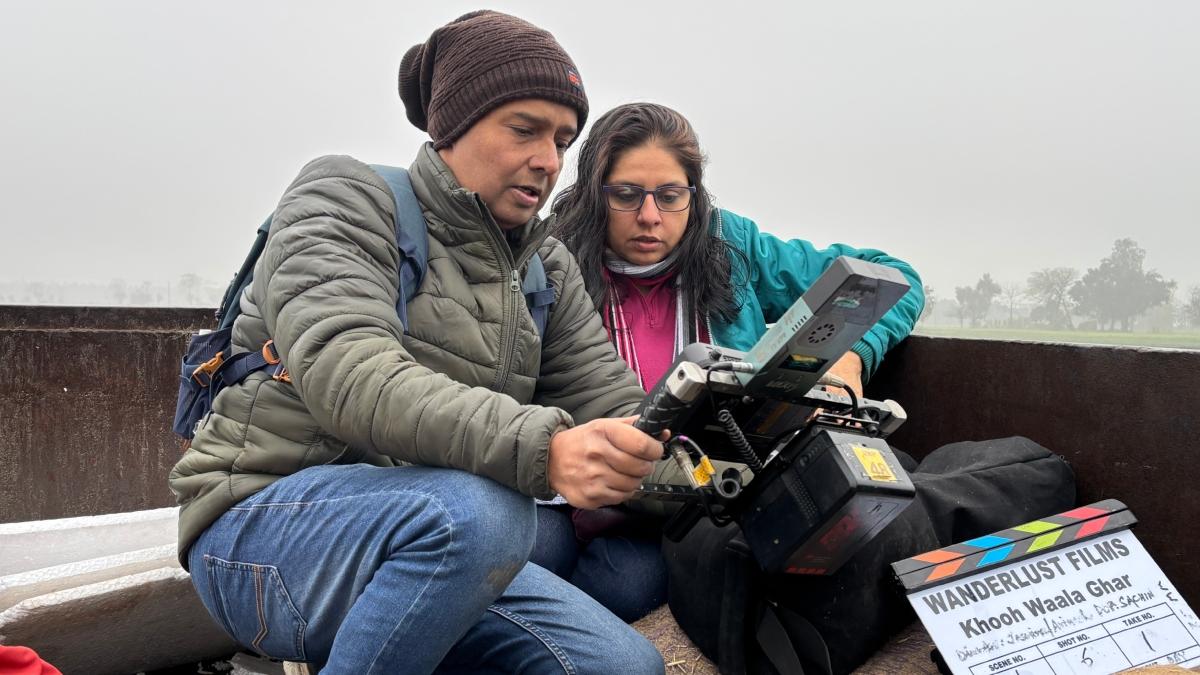
Her husband and co-director, Avinash Roy, elaborates on the genesis of this potent narrative. "The initial spark for the central character emerged from a documentary we were developing some years ago," he explains. "During our research, we encountered a young farmer in Punjab who was fiercely determined to remain on his land and continue farming, even as many of his peers were migrating abroad. Although that documentary never materialized, the farmer’s profound connection to his roots and his unwavering commitment to his homeland left an indelible mark on us. That powerful image became the seed for Khooh Waala Ghar."
The filmmakers emphasize that while the film is set against the backdrop of Punjab’s unique agricultural landscape, the issues it explores are universal. The displacement of traditional livelihoods by industrialization, the loss of natural beauty, and the ensuing social and economic pressures are phenomena experienced across various regions grappling with rapid development.
A Subtlety in Storytelling: Focusing on the Human Element
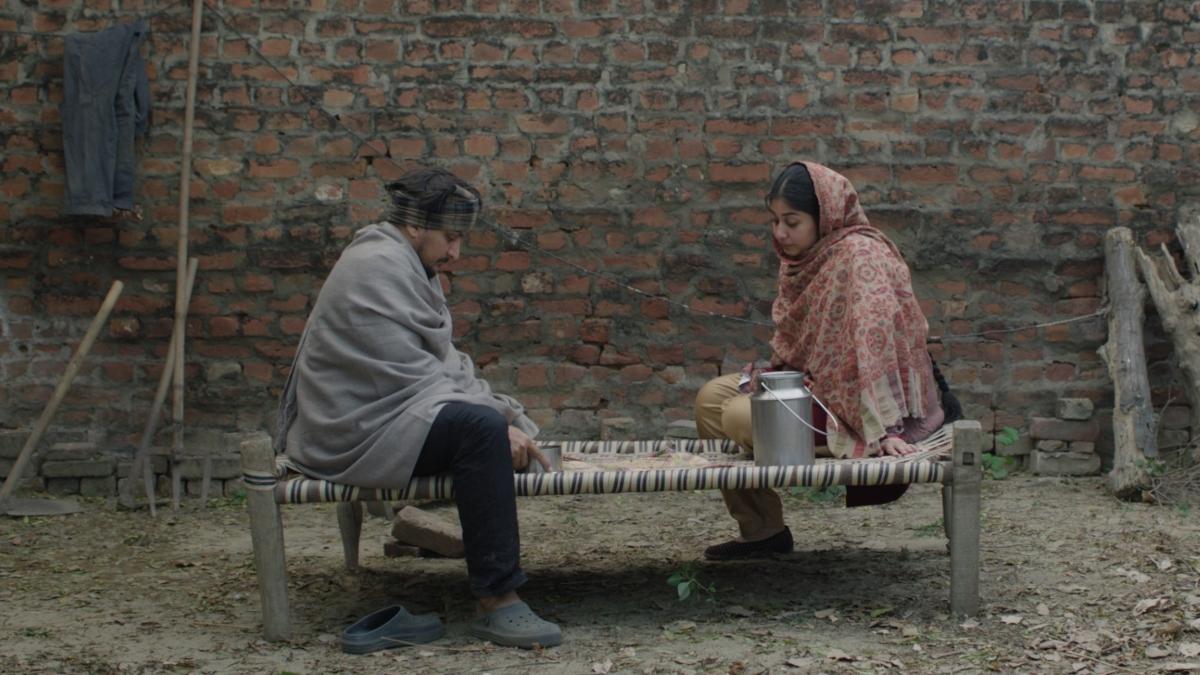
While the socio-economic shifts form the undercurrent of Khooh Waala Ghar, the film’s primary focus remains on the deeply personal and evolving relationship between Nihal and his wife. As Nihal retreats into the solitude of a dilapidated room on the farm, a poignant narrative of unspoken anxieties and resilient love unfolds. His wife’s persistent efforts to coax him back home underscore the quiet strength and emotional depth that bind them. Their innocent bond, tested by the mounting adversities brought about by the changing socio-economic landscape, offers a glimmer of hope amidst the unfolding crisis.

The Roys intentionally adopt a restrained and subtle approach to depicting these harsh realities. Instead of overt exposition, they often employ visual juxtaposition – a fleeting glimpse of a factory against the expansive fields – or subtle allusions within dialogue. This minimalist aesthetic is a deliberate choice, reflecting their artistic philosophy.
"We are drawn to minimalism, both in our visual language and our dialogue," Jasmine shares. "We believe that by leaving certain elements unsaid, by allowing the audience to interpret and connect with the unspoken, we can achieve a more profound and lasting impact."
Avinash concurs, adding that while they have explored more direct messaging in previous projects, their creative inclination leans towards subtlety. "There’s nothing inherently wrong with a direct approach," he acknowledges. "However, when we embark on a creative endeavor that allows us to express ourselves in our own unique way, we gravitate towards nuance and suggestion. This sensibility is shared by our entire team, and it’s what ultimately imbues our work with its distinctive character."
A Legacy of Unheard Voices: The Roys’ Cinematic Journey
Jasmine Kaur Roy and Avinash Roy, both alumni of the prestigious Film and Television Institute of India (FTII), have carved a niche for themselves by bringing marginalized and unheard narratives to the forefront of Indian cinema. Their early success includes their graduation film, Saanjh, which garnered critical acclaim, winning the National Film Award and premiering in the Indian Panorama section at the International Film Festival of India (IFFI) in 2004.
Their commitment to amplifying underrepresented voices is further exemplified by their National Award-winning documentary, Amoli (2018), which shed light on the harrowing realities faced by victims of child trafficking. This dedication to social consciousness and humanistic storytelling has become a hallmark of their filmmaking.
The Challenges and Rewards of Short Filmmaking in India
The Roys express a deep affection for the short film format, recognizing its power to convey significant messages within a concise timeframe. However, they are acutely aware of the inherent challenges associated with producing shorts in India, particularly the lack of commercial viability.

"We are passionate about making short films because they offer a beautiful canvas to say so much in so little time," Avinash explains. "However, it’s a challenging landscape in India, as there’s often no clear path to commercial returns. We produced Khooh Waala Ghar with professional equipment and a carefully considered budget, fully aware that significant financial returns were unlikely from the outset."
Despite the financial constraints, the filmmakers emphasize the crucial role of community support and collaborative spirit in bringing their projects to fruition. "A significant number of people come on board once they witness the rough cut of the film," Avinash notes. "In our case, for instance, we received invaluable support for post-production and color correction from Red Chillies. It’s this collective willingness to support artistic endeavors once the work has begun that truly sustains us and keeps our passion alive."
Looking Ahead: "Myna’s Lullaby" and a Continued Vision
With Khooh Waala Ghar poised to make its mark on the international stage, the Roys are already engaged in their next ambitious project: a feature film titled Myna’s Lullaby. This upcoming work promises to carry forward their signature minimalistic visual style while delving into profound themes of patriarchy and women’s issues.
" Myna’s Lullaby is inspired by an ancient folktale, which we are weaving into a contemporary narrative," Jasmine reveals. "The film aims to explore pressing questions surrounding patriarchy and the challenges faced by women in today’s society. We are planning to commence shooting later this year with the same dedicated team that brought Khooh Waala Ghar to life."
The journey of Jasmine Kaur Roy and Avinash Roy is a testament to the power of independent filmmaking, where artistic vision, social consciousness, and an unwavering commitment to storytelling converge to create impactful cinema. As Khooh Waala Ghar resonates with audiences at the NYIFF and beyond, it serves as a potent reminder of the human stories often overlooked in the relentless pursuit of progress, urging us to reflect on the true cost of development and the enduring value of our roots.
