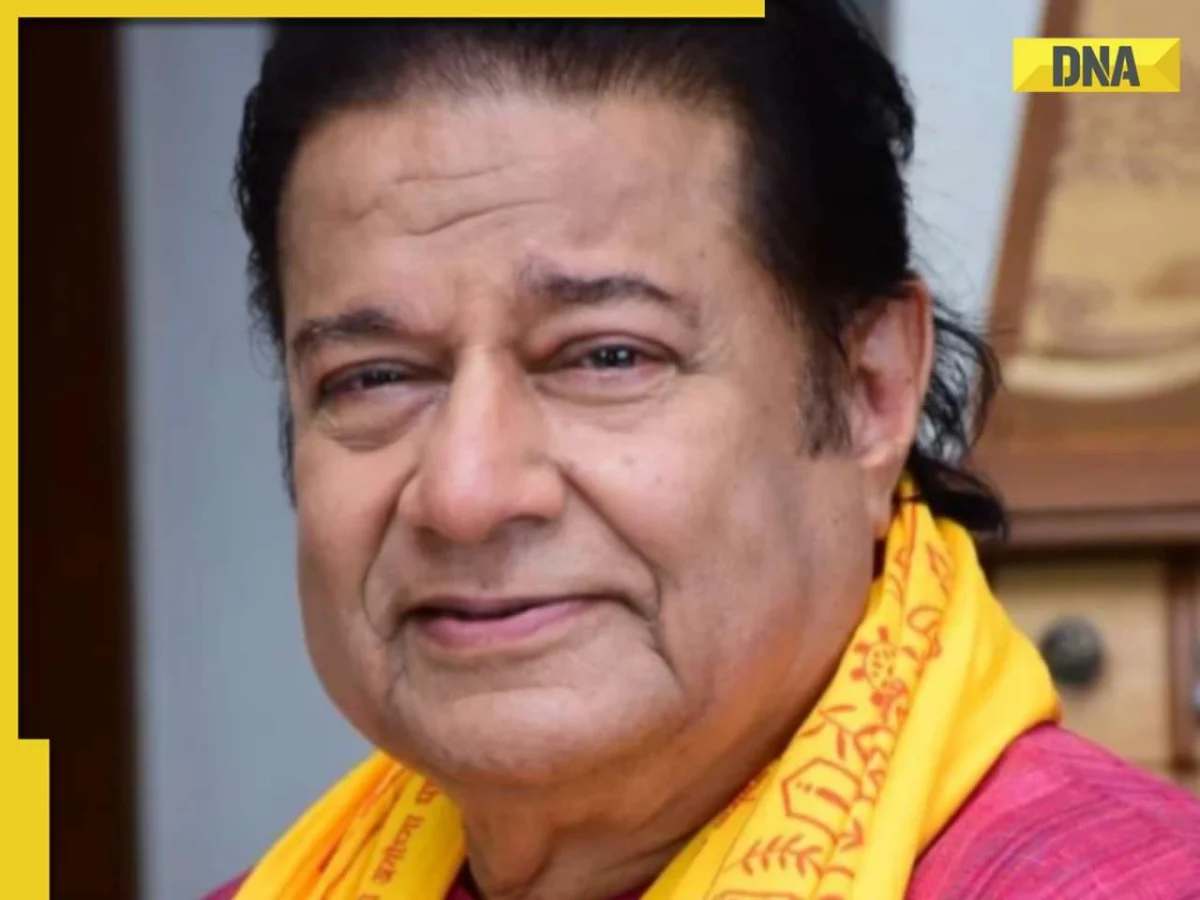
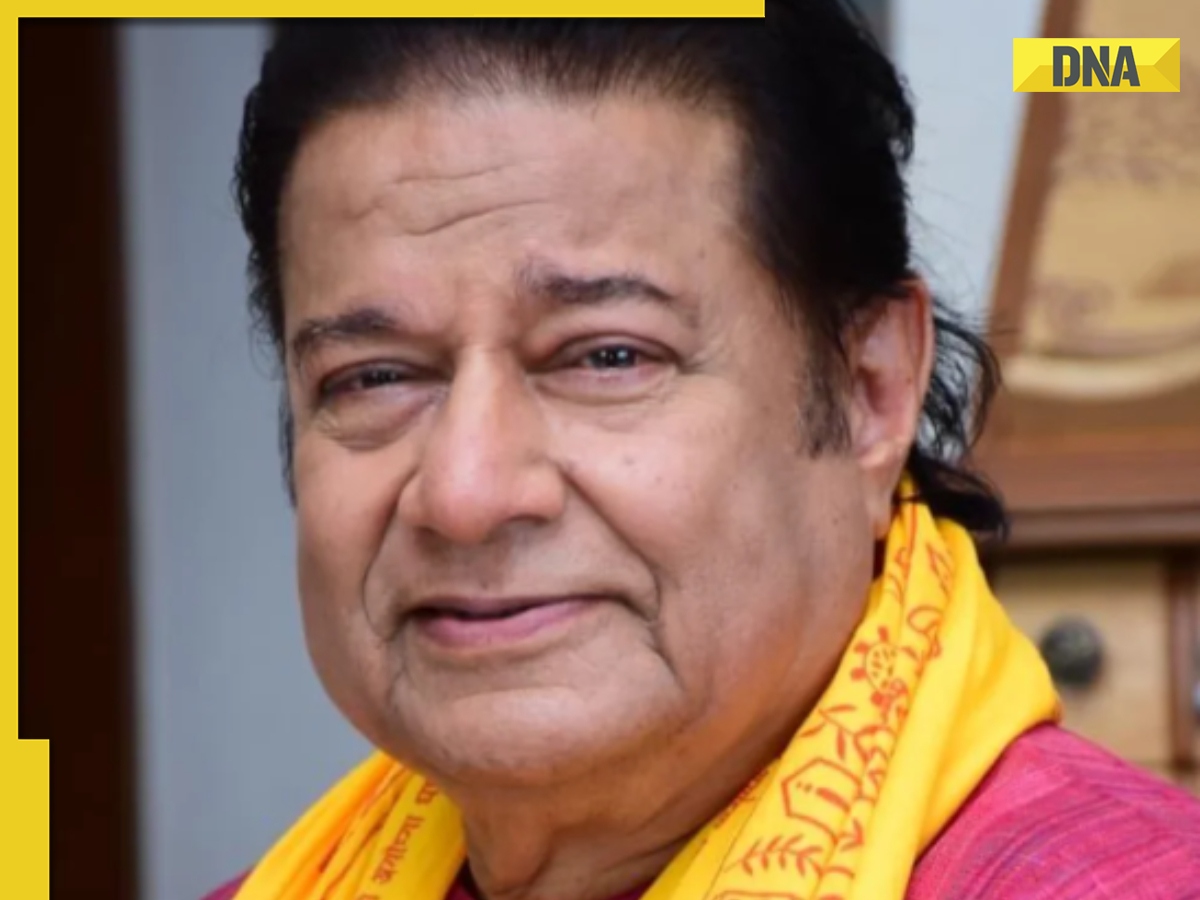
Johannesburg, South Africa – May 27, 2026 – Renowned Indian devotional singer Anup Jalota, affectionately known as the "Bhajan Samrat" (Emperor of Bhajans), has lauded the vibrant Indian diaspora in South Africa for their unwavering dedication to preserving and propagating their cultural roots across five generations. During a recent series of performances in Durban and Johannesburg, Jalota was bestowed with honorary membership of the Uttar Pradesh Devbhumi Sanghatan (UPDES), an organization dedicated to nurturing Indian culture within the South African landscape. His visit has illuminated a poignant chapter in the history of cultural exchange between India and South Africa, a chapter marked by past governmental restrictions and a subsequent, profound resurgence of heritage.
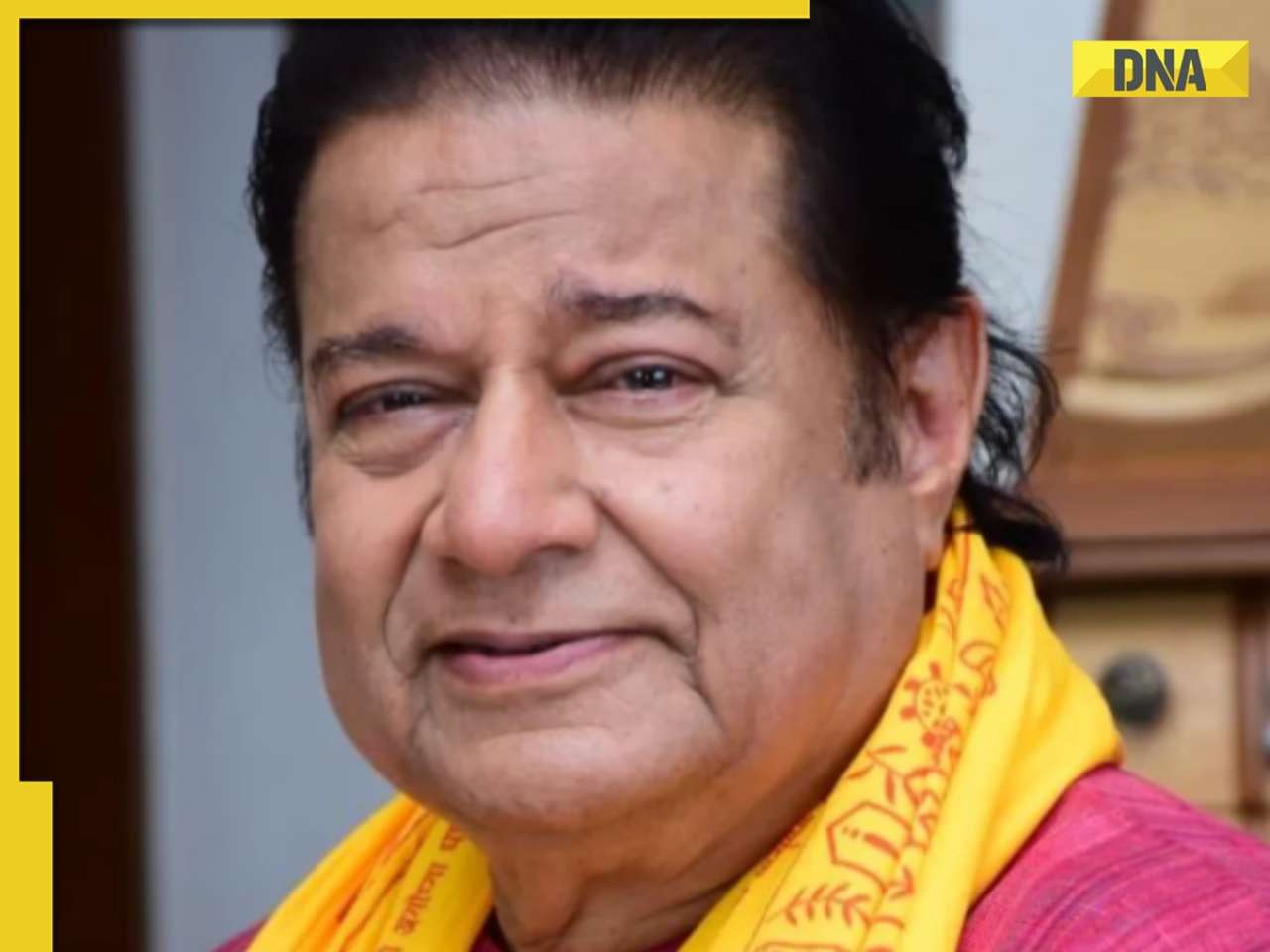
Jalota’s reflections extend beyond the celebratory present, delving into the historical constraints that once prevented leading Indian artists, including himself, from gracing South African stages. The shadow of apartheid, a brutal system of institutionalized racial segregation and discrimination, cast a long pall over international relations, and India, a vocal opponent of this injustice, had imposed a stringent ban on cultural exchanges with the nation. This ban, enacted during a period when India actively spearheaded the global anti-apartheid movement at the United Nations, meant that a generation of Indian artists, eager to share their talents, were effectively barred from a significant segment of the world.
)
"We were so anxious to visit South Africa and perform, but we were not allowed," Jalota recounted to PTI, his voice resonating with the weight of those unfulfilled aspirations. "We were touring the entire globe except South Africa. We requested the government of India many times, but it said no, the relations were not proper, and you should not go." This official stance, while rooted in a principled stance against apartheid, undeniably created a void in the cultural connections between the two nations, leaving many artists with a deep sense of longing.
)
A History of Restriction and the Longing for Cultural Exchange
The period of apartheid in South Africa, officially spanning from 1948 to the early 1990s, was characterized by severe political, social, and economic discrimination against the non-white majority, including the significant Indian-origin population. India, under the leadership of Jawaharlal Nehru and subsequent governments, adopted a firm stance against the apartheid regime, advocating for international sanctions and boycotts. This diplomatic isolation extended to cultural spheres, with the Indian government actively discouraging and often prohibiting its artists from performing in South Africa.

The rationale behind this ban was multifaceted. Primarily, it was a moral imperative, a refusal to legitimize or engage with a state built on racial oppression. Secondly, it aimed to demonstrate solidarity with the oppressed majority in South Africa and to contribute to the global pressure campaign for the dismantling of apartheid. For artists like Anup Jalota, however, this policy meant a significant professional and personal sacrifice. The allure of performing for a diverse audience, especially one with deep cultural ties to India, was a powerful draw that remained largely unfulfilled for decades.
)
Jalota alluded to the clandestine nature of some early artistic endeavors during this era. He revealed that a "handful of Indian artistes" had managed to travel to South Africa illegally during the apartheid years. These individuals, upon their return to India, faced repercussions, including being barred from prestigious platforms like All India Radio. This underscores the strictness of the governmental decree and the risks undertaken by those who sought to circumvent it. The anecdote highlights the potent desire among Indian artists to connect with their diaspora, even in the face of governmental prohibitions.
)
The Dawn of a New Era: Post-Apartheid Cultural Thaw
The release of Nelson Mandela in 1990, after 27 years of imprisonment, marked a pivotal turning point in South African history. His freedom signaled the beginning of the end of apartheid and paved the way for a new era of democratic governance. As South Africa transitioned towards its first democratic elections, India began to re-evaluate its diplomatic and cultural engagement with the nation. The rigid ban on artistic exchange was gradually eased, opening the doors for a long-awaited reconnection.
)
Anup Jalota was among the pioneering artists who seized this opportunity. He recounts being one of the first Indian artistes to perform in South Africa on the cusp of Nelson Mandela assuming the presidency. This timing is significant, symbolizing not just a personal artistic triumph but also the broader thawing of relations and the official embrace of cultural diplomacy between the two nations. His performances in this nascent democratic era likely served as a powerful symbol of India’s renewed engagement and its enduring cultural affinity with the South African Indian community.
)
Since that initial breakthrough, Jalota has returned to South Africa on numerous occasions, each visit solidifying his deep appreciation for the local Indian community. He notes the consistently enthusiastic reception his devotional music receives, a testament to the enduring spiritual connection between the diaspora and their ancestral homeland.
)
"Little India" in the Southern Hemisphere: A Living Tapestry of Culture
Jalota’s description of South Africa as "Little India" is not merely a poetic flourish; it is a profound acknowledgment of the vibrant and tenacious cultural preservation efforts undertaken by the Indian diaspora. He expresses immense admiration for how, even after five generations, the community has meticulously maintained its cultural moorings.
)
"South Africa is our Little India," Jalota stated with evident pride. "Five generations later, they have still kept their culture alive. They still recite the Ramayana, they still have Hanuman Chalisa programmes, they have Hindu Vishnu Parishad. It is very impressive how the people have kept their culture and art alive." This sentiment underscores the deep-seated commitment to heritage that transcends geographical boundaries and temporal distances. The continued recitation of sacred texts like the Ramayana and the Hanuman Chalisa, along with the active presence of organizations like the Hindu Vishnu Parishad, are tangible manifestations of this enduring cultural legacy.
)
However, Jalota also identifies an area where further development could enhance the cultural ecosystem. He believes that while the spirit of culture is strong, the linguistic aspect requires more attention. "I believe schools are already open for this, teaching Hindi, if they can talk in Hindi, I think culture will spread faster, so I hope this will happen too," he concluded. This observation points to the vital role of language in transmitting cultural nuances and fostering deeper connections across generations and with the homeland. The promotion of Hindi, and potentially other Indian languages, is seen by Jalota as a crucial element in accelerating the spread and deepening the understanding of Indian culture within the South African context.
)
Implications for Cultural Diplomacy and Diaspora Engagement
Anup Jalota’s recent visit and his powerful endorsements carry significant implications for both cultural diplomacy and diaspora engagement. His experience highlights the immense potential for robust cultural exchange programs between India and South Africa, moving beyond historical restrictions to embrace a future of shared cultural enrichment.
)
Supporting Data and Trends:
)
- Diaspora Demographics: The Indian diaspora in South Africa is one of the largest and oldest in the world, with a history dating back to the 19th century. Estimates suggest a population of over 1.5 million people of Indian origin, primarily concentrated in KwaZulu-Natal and Gauteng provinces. This substantial demographic base provides a fertile ground for cultural initiatives.
- Cultural Organizations: The presence of numerous cultural and religious organizations, such as the one that honored Jalota, indicates a well-established infrastructure for cultural preservation and promotion. These organizations act as crucial conduits for maintaining traditions, organizing events, and fostering a sense of community.
- Educational Initiatives: Jalota’s mention of schools teaching Hindi suggests a growing recognition of the importance of linguistic preservation. Further investment in and expansion of such language programs could significantly bolster cultural continuity.
- Tourism and Exchange: The easing of travel restrictions and the growing ease of air travel have made it more feasible for artists and cultural troupes to visit South Africa. This trend is likely to continue, fostering greater interaction and understanding.
Official Responses and Future Directions:
)
While the article doesn’t directly quote official responses from either the Indian or South African governments, Jalota’s narrative implies a positive shift in policy. The past ban, now a historical footnote, has been replaced by an environment conducive to cultural collaboration. Future directions could involve:
)
- Governmental Support: Increased support from the Indian Ministry of Culture and the South African Department of Arts and Culture for joint cultural festivals, artist residencies, and exchange programs.
- Educational Collaborations: Enhanced partnerships between Indian and South African educational institutions to develop curricula that promote Indian languages and cultural studies.
- Media and Digital Platforms: Leveraging media and digital platforms to showcase South African Indian culture to India and vice-versa, creating wider awareness and appreciation.
- Diaspora Empowerment: Continued support for diaspora organizations in their efforts to preserve and promote their heritage, recognizing their invaluable role in bridging cultural divides.
Anup Jalota’s heartfelt tribute to the Indian community in South Africa serves as a powerful reminder of the enduring strength of cultural bonds. His journey from a nation yearning for artistic expression in a distant land to becoming an honored guest and advocate for heritage underscores the transformative power of cultural diplomacy and the remarkable resilience of a diaspora committed to keeping its ancestral flame alive. The narrative of South Africa as "Little India" is not just a testament to the past, but a vibrant blueprint for a future where cultural heritage continues to flourish and connect generations across continents.