

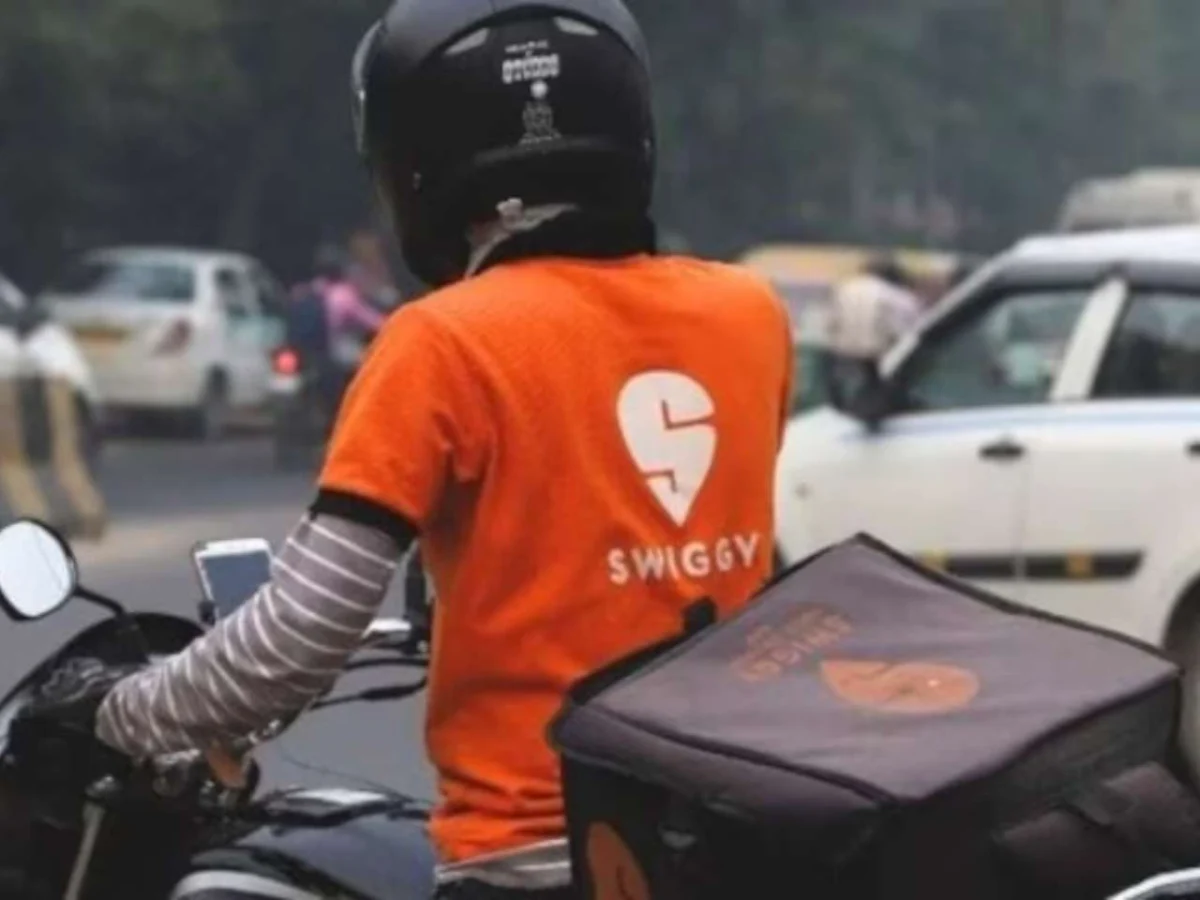
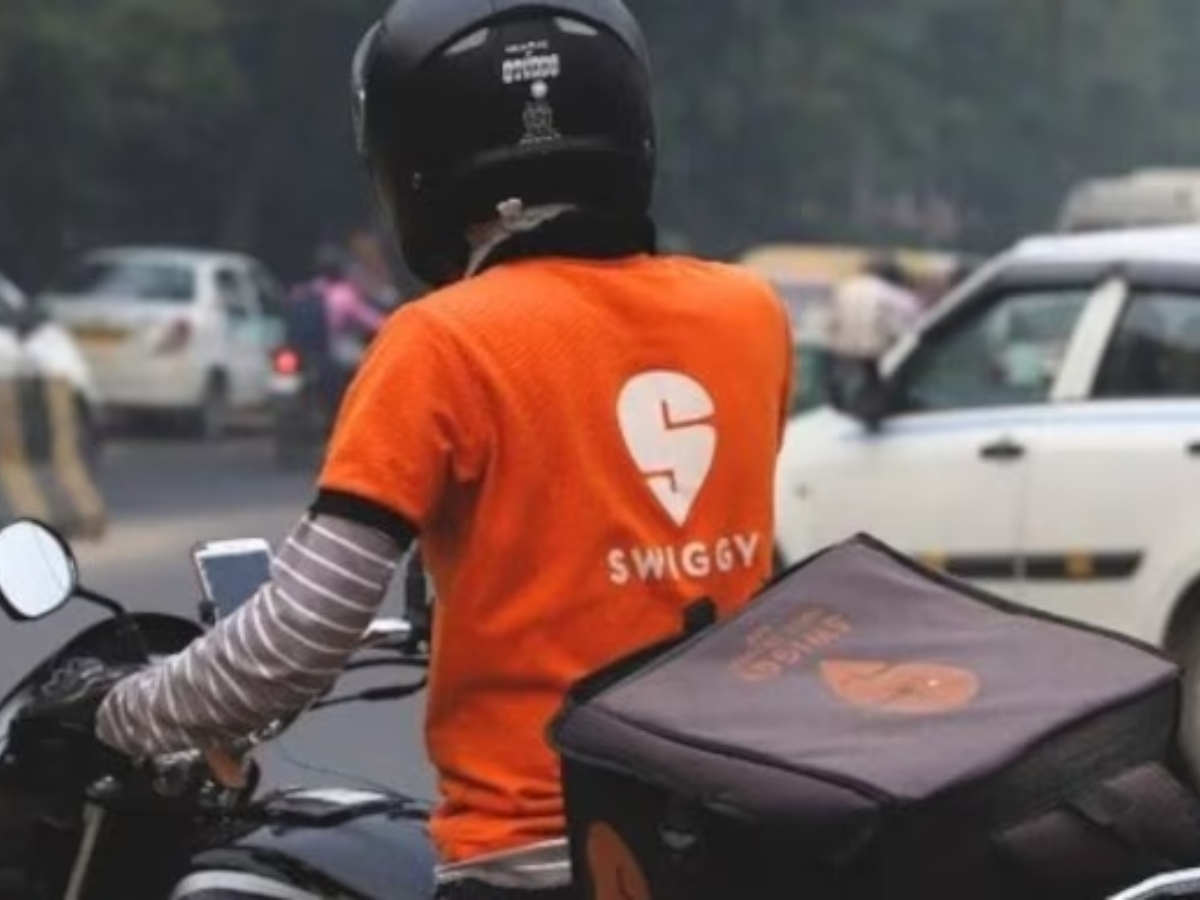
New Delhi, India – July 11, 2026 – In a significant move that underscores growing concerns about food safety in the burgeoning quick-commerce sector, the Food Safety and Standards Authority of India (FSSAI) has issued a stern warning to Swiggy Instamart. The regulatory body has slapped the leading quick-commerce platform with nine notices, citing multiple breaches of the Food Safety and Standards Act, 2006, following a surge of consumer complaints detailing a disturbing array of quality control failures, including the alleged re-supply of contaminated infant food.
The FSSAI’s intervention comes amidst a rising tide of consumer grievances concerning products delivered through Swiggy Instamart, ranging from expired and spoiled goods to overtly contaminated items and inadequately stored perishables. The seriousness of the allegations is compounded by claims of insufficient grievance redressal from the platform, prompting the food safety watchdog to demand immediate and comprehensive corrective action. Failure to comply could trigger severe legal repercussions for the prominent online delivery giant.
Main Facts: A Crisis of Confidence
The core of the FSSAI’s action against Swiggy Instamart stems from a pattern of alleged violations that directly impact public health and consumer trust. At the heart of the regulatory body’s concern are:
- Widespread Quality Issues: Consumers reported receiving food products that were expired, spoiled, rotten, contaminated, or otherwise unsafe for consumption. This indicates a potential systemic issue rather than isolated incidents.
- Compromised Infant Food: Perhaps the most alarming allegation involves the delivery of infant food in a severely compromised state, exhibiting clear signs of contamination and improper storage. Disturbingly, the same product was allegedly supplied again to a consumer after its initial return, raising serious questions about Swiggy Instamart’s internal quality control and return protocols.
- Perishable Goods Risk: Complaints extended to critical perishables such as contaminated eggs and milk, alongside packaged food items that arrived in a damaged condition, compromising their integrity and safety.
- Licensing Irregularities: Specific allegations point to products being sold under brand categories not covered by the existing FSSAI licence, indicating potential circumvention of regulatory oversight.
- Inadequate Grievance Redressal: A recurring theme in consumer complaints was the alleged failure of Swiggy Instamart to provide satisfactory responses, effective grievance redressal, or meaningful corrective actions. In some instances, only refunds were offered, without addressing the underlying food safety concerns.
The nine notices collectively represent a robust enforcement action by the FSSAI, signalling zero tolerance for practices that compromise food safety, particularly in the fast-growing quick-commerce segment. The regulator has unequivocally demanded a detailed explanation and a comprehensive compliance report from Swiggy Instamart, emphasizing that continued non-compliance will result in appropriate legal measures.
Chronology of Concern: From Complaints to Crackdown
The FSSAI’s decisive action on July 11, 2026, was not an overnight development but the culmination of a period marked by escalating consumer complaints and a subsequent investigative inquiry.
The journey began with an increasing volume of reports from consumers who had utilized Swiggy Instamart’s quick-commerce services. These reports, channelled through various avenues including direct complaints to the FSSAI and social media platforms, painted a worrying picture of consistent quality and safety failures. Over recent months, the anecdotal evidence grew into a discernible pattern, prompting the FSSAI to initiate a formal inquiry into the operational practices and supply chain integrity of Swiggy Instamart.
)
The inquiry, conducted under the provisions of the Food Safety and Standards Act, 2006, systematically gathered and verified the consumer allegations. This investigative phase meticulously documented instances of expired products, visible contamination, signs of spoilage, and inadequate storage conditions across a range of food categories. The repeated nature of some complaints, such as the re-delivery of the same compromised infant food product, likely escalated the urgency and severity of the FSSAI’s response.
Once the inquiry revealed sufficient evidence of breaches of the Food Safety and Standards Act, 2006, the FSSAI proceeded to formalize its concerns by issuing the nine distinct notices. Each notice specifically addresses different facets of the alleged violations, from general product quality and storage issues to specific licensing non-conformities and failures in customer complaint resolution. The issuance date of these notices, July 11, 2026, marks a pivotal moment, transitioning from investigative scrutiny to direct regulatory enforcement.
It is crucial to differentiate this ongoing crisis concerning Swiggy Instamart from a separate, albeit recent, regulatory interaction involving Swiggy’s food ordering platform, Toing. On July 6, 2026, Swiggy received a prohibition order from the FSSAI’s Designated Officer in Karnataka for Toing. However, Swiggy clarified that this order pertained solely to updating licence details and did not involve any food safety issues. The company acted swiftly, resolving the matter and obtaining an amended FSSAI licence by July 9, with no penalty levied and no impact on its finances or operations. While both incidents involve FSSAI, the nature and gravity of the allegations against Instamart are significantly more severe, directly impacting food safety and public health.

Supporting Data: A Litany of Allegations
The FSSAI’s notices detail a comprehensive list of grievances, providing concrete examples that highlight the systemic nature of the alleged lapses within Swiggy Instamart’s operations. These complaints touch upon various critical aspects of food safety, from manufacturing and storage to delivery and post-purchase customer service.
1. Expired and Unsafe Products: A Health Hazard
A primary and recurring complaint revolves around the delivery of expired food items. Consuming expired food can lead to various health risks, from mild discomfort to severe food poisoning, depending on the product and the extent of degradation.
)
- Healthify 100% Whey Protein (1 kg): Consumers reported receiving this popular health supplement well past its expiry date, rendering it potentially ineffective or even harmful. Protein supplements, when expired, can degrade, change composition, and in some cases, foster bacterial growth.
- Noice Homestyle Madras Mixture with Peanuts: This snack item was also allegedly delivered beyond its designated shelf life. Expired snacks can become rancid, lose their flavour, and in some cases, develop moulds or toxins.
- General Complaints: Beyond specific products, numerous users reported receiving a broad spectrum of "expired, rotten, and contaminated food items," indicating that this issue is not confined to a few isolated instances but might be a broader operational challenge.
2. Contamination and Spoilage: Gross Negligence
The allegations of contamination and spoilage point to fundamental failures in storage, handling, and supply chain management.
- Akshayakalpa Organic Eggs: One particularly egregious complaint involved Akshayakalpa Organic Eggs allegedly delivered in an expired and rotten state, accompanied by a foul odour and visible contamination. The consumer claimed that despite multiple escalations, no corrective steps were taken, underscoring the platform’s alleged inadequacy in addressing serious food safety concerns. Contaminated eggs pose a significant risk of salmonella and other bacterial infections.
- Kakke da Paratha: A prepared food item, Kakke da Paratha, was reportedly found spoiled with a bad smell, rendering it unfit for consumption. Such instances highlight potential issues with cold chain management or the handling of ready-to-eat products.
- Contaminated Eggs and Milk: General complaints also cited the delivery of contaminated eggs and milk, two highly perishable and staple food items. Contaminated dairy and poultry products are common vectors for foodborne illnesses.
3. The Alarming Case of Infant Food: A Grave Concern
)
The allegations concerning infant food stand out due to the extreme vulnerability of the target consumers.
- Compromised Condition and Re-supply: Infant food was allegedly delivered in a "severely degraded and unsafe state, with signs of contamination and poor storage." What escalated this complaint to a critical level was the claim that the same product was sent again even after the faulty item had been returned. This alleged repeated supply of a potentially dangerous product to an infant’s household points to a profound breakdown in quality control, inventory management, and customer complaint resolution processes, raising ethical and safety alarms.
4. Damaged Packaging: Compromising Product Integrity
Beyond the intrinsic quality of the food, complaints also included the delivery of packaged food items that arrived damaged. While not always directly leading to spoilage, damaged packaging can compromise the product’s hermetic seal, exposing it to contaminants, moisture, or air, thereby reducing its shelf life and safety. This suggests issues in last-mile delivery handling or warehouse storage.
)
5. Licensing Irregularities: Bypassing Regulatory Oversight
A crucial aspect of food safety regulation is ensuring that all food products are manufactured and sold under appropriate licences.
- NOICE Eggs Under Uncovered Brand Category: The FSSAI specifically flagged that NOICE Eggs were allegedly sold under a brand category not covered by Swiggy Instamart’s current FSSAI licence. This is a significant breach, as it implies that a product might be marketed without the necessary regulatory approval or under conditions that haven’t been adequately vetted by the food safety authority. The FSSAI has directed the food business operator to cease marketing this product unless it falls under a valid licence and to apply for a licence modification if needed.
6. Inadequate Grievance Redressal: A Systemic Failure?
)
Perhaps as troubling as the product quality issues is the alleged failure of Swiggy Instamart’s grievance redressal mechanism.
- Refunds Without Resolution: "Some complaints alleged that no satisfactory response, grievance redressal or corrective action was taken despite the complaints being forwarded or escalated, while one complaint stated that only a refund was offered without addressing the reported food safety concerns." This suggests that Swiggy Instamart might have prioritized transactional resolution (refunds) over investigative and corrective action regarding potentially hazardous food items, thereby failing its duty to ensure consumer safety and prevent recurrence. The lack of proactive measures following serious complaints, such as the Akshayakalpa Organic Eggs incident where no corrective steps were taken despite multiple escalations, further highlights this concern.
Official Responses: FSSAI’s Firm Stance, Swiggy’s Silence
The FSSAI’s response has been clear, decisive, and public, utilizing social media to amplify its message, while Swiggy Instamart has, as yet, remained publicly silent on the matter.
FSSAI’s Mandate and Action:
)
The FSSAI, as the apex regulatory body for food safety in India, is tasked with protecting and promoting public health through the regulation and supervision of food safety. Its actions against Swiggy Instamart are a direct reflection of this mandate.
In a post on X (formerly Twitter), the regulatory authority stated: "FSSAI has issued 9 notices to Swiggy Instamart following multiple consumer complaints alleging violations under the FSS Act 2006. The FBO [Food Business Operator] has been directed to submit a detailed explanation & compliance report failing which appropriate legal action will be initiated #FSSAINotice."
This statement underscores several key points:
)
- Enforcement of Law: The notices are a direct enforcement of the Food Safety and Standards Act, 2006, highlighting that no entity, regardless of its market position, is above the law when it comes to public health.
- Demand for Accountability: By requiring a "detailed explanation and compliance report," FSSAI is demanding transparency and a clear roadmap for how Swiggy Instamart intends to rectify the identified shortcomings. This report is expected to detail the root causes of the issues, the corrective measures implemented, and the preventative strategies put in place to avoid future occurrences.
- Threat of Legal Action: The explicit warning of "appropriate legal action" serves as a powerful deterrent. Such actions could range from substantial financial penalties and fines for each violation to operational restrictions, suspension of licences, or even criminal proceedings against responsible individuals, depending on the severity and persistence of the non-compliance.
- Consumer Protection: The FSSAI’s public announcement aims to reassure consumers that their complaints are being taken seriously and that the regulator is actively working to safeguard their health and interests.
Furthermore, the FSSAI’s specific directive regarding NOICE Eggs—to stop marketing the product unless it falls under a valid licence and to apply for a licence modification if needed—demonstrates the granular level of oversight the authority is exercising.
Swiggy Instamart’s Current Position:
As of the current reporting, Swiggy has not issued a public response regarding the nine FSSAI notices specifically addressed to Instamart. This silence could be interpreted in several ways: the company might be in the process of thoroughly investigating the allegations, formulating a comprehensive response to the FSSAI, or preparing a public statement that addresses the gravity of the situation. Given the severity of the allegations, particularly concerning infant food and repeated offences, a carefully considered and robust response would be expected.
)
It is important to reiterate the distinction between the Instamart notices and the earlier issue concerning Swiggy’s food ordering platform, Toing. As Swiggy publicly disclosed in a separate filing on Friday, July 11, 2026, it had received a prohibition order dated July 6, 2026, from FSSAI’s Designated Officer in Karnataka for Toing. This order, related to updating licence details, was swiftly resolved by the company, which obtained an amended FSSAI licence on July 9. Swiggy confirmed that no penalty was levied, and the incident would have no impact on its finances or operations. While this demonstrates Swiggy’s ability to quickly resolve certain regulatory issues, it does not mitigate the seriousness of the ongoing Instamart crisis, which involves direct food safety concerns.
Implications: A Wake-Up Call for Quick Commerce
The FSSAI’s decisive action against Swiggy Instamart carries far-reaching implications, not just for the quick-commerce giant but for the entire online food and grocery delivery ecosystem, consumers, and regulatory oversight in India.
1. For Swiggy Instamart: Reputational and Operational Overhaul
)
The immediate fallout for Swiggy Instamart is likely to be significant reputational damage. Consumer trust, once eroded, is difficult to rebuild. Allegations involving contaminated infant food are particularly damaging and can lead to a substantial loss of customers. This loss of trust could translate into a tangible decline in market share and revenue, impacting Swiggy’s ambitious growth plans for its quick-commerce vertical.
Operationally, Swiggy Instamart will face immense pressure to conduct a thorough audit of its entire supply chain, from vendor selection and procurement to warehouse storage (including cold chain management), inventory handling, and last-mile delivery. This will necessitate:
- Enhanced Quality Control: Implementing more stringent checks for expiry dates, product integrity, and signs of contamination at every stage.
- Improved Storage Protocols: Ensuring optimal temperature control and hygiene standards in its dark stores and delivery hubs, especially for perishables.
- Robust Vendor Management: Scrutinizing the quality control processes of its partner brands and suppliers.
- Effective Grievance Redressal: Overhauling its customer service and complaint resolution mechanisms to ensure that food safety concerns are not merely refunded but thoroughly investigated and addressed. This includes a clear protocol for handling returned compromised products to prevent re-supply.
- Licence Compliance: Ensuring all products marketed adhere strictly to FSSAI licensing requirements.
The cost of such an overhaul, including potential fines and increased operational expenses for compliance, could be substantial, potentially impacting Swiggy’s profitability and investment outlook.
)
2. For Consumers: Heightened Awareness and Expectations
This incident will undoubtedly heighten consumer awareness regarding the potential risks associated with online food and grocery delivery, particularly from quick-commerce platforms that prioritize speed. Consumers are likely to become more vigilant about checking expiry dates, product packaging, and the overall condition of items upon delivery. This increased scrutiny will, in turn, put more pressure on all delivery platforms to uphold higher standards.
Moreover, the FSSAI’s firm stance reinforces the message that consumers have a recourse when faced with food safety issues and that their complaints can lead to meaningful regulatory action. This empowers consumers and encourages them to report violations, fostering a more accountable ecosystem.
)
3. For the Quick-Commerce Industry: A Regulatory Spotlight
The FSSAI’s actions against Swiggy Instamart serve as a wake-up call for the entire quick-commerce industry. Other players in this rapidly expanding sector, which often relies on a network of "dark stores" and rapid delivery models, are likely to face increased scrutiny from regulators and consumers alike.
The incident highlights the inherent challenges of scaling quick commerce while maintaining stringent quality and safety standards. The very nature of quick delivery, which often involves decentralized storage and rapid turnaround, can inadvertently create vulnerabilities in the supply chain if not managed meticulously. The industry will need to strike a delicate balance between speed, convenience, and uncompromising food safety. This could lead to:
)
- Proactive Compliance: Other platforms might proactively review and strengthen their internal food safety protocols to avoid similar regulatory interventions.
- Investment in Infrastructure: Greater investment in cold chain logistics, automated quality checks, and robust inventory management systems within dark stores.
- Standardization: A push towards industry-wide best practices for food handling, storage, and delivery in the quick-commerce model.
4. For Regulatory Oversight: Reinforcement of FSSAI’s Role
The FSSAI’s assertive posture in this case reinforces its critical role as the guardian of food safety in India. It demonstrates the authority’s commitment to holding even large, technologically advanced companies accountable. This action sends a clear message that consumer complaints will be taken seriously and that regulatory oversight will adapt to the evolving landscape of food delivery models. It may also pave the way for more specific regulations or guidelines tailored to the unique operational challenges of quick commerce.
In conclusion, the FSSAI’s nine notices to Swiggy Instamart represent more than just a regulatory slap on the wrist; they signify a critical juncture for India’s quick-commerce sector. The incident underscores the imperative for speed and convenience to be meticulously balanced with uncompromised food safety and robust consumer protection mechanisms. Swiggy Instamart’s response to these grave allegations will not only determine its immediate future but also set a precedent for how the entire industry addresses the vital challenge of delivering quality and safety at speed.
