

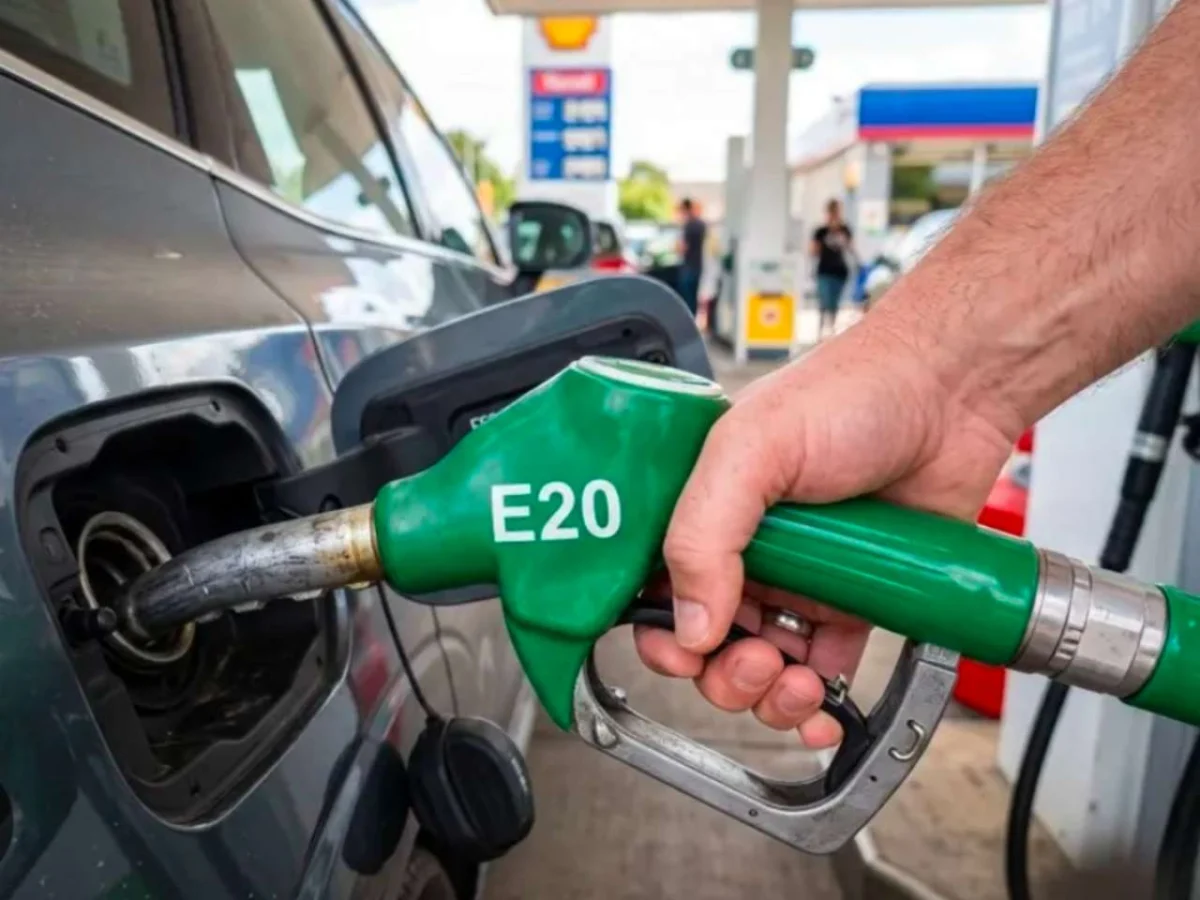
New Delhi, India – July 10, 2026 – The Indian government has issued a definitive and forceful rebuttal to persistent claims that E20 petrol, the blend of 20% ethanol with gasoline, causes significant damage to vehicle engines. In a comprehensive clarification, the Ministry of Petroleum and Natural Gas declared that extensive field data from leading automobile manufacturers, including industry giants Maruti Suzuki and Hero MotoCorp, unequivocally shows no evidence of E20-related engine problems, corrosion, or abnormal wear, even in older vehicles. This announcement comes as a pivotal moment in solidifying public confidence in India’s ambitious Ethanol Blended Petrol (EBP) Programme, which aims to reduce the nation’s reliance on fossil fuels and mitigate environmental impact.
The Centre’s stance is not merely a verbal assurance but is backed by years of meticulous consultation, rigorous testing, and real-world operational data. Dismissing fears that have circulated among some vehicle owners and commentators, the Ministry highlighted that the transition to E20 was a carefully orchestrated process, involving every major stakeholder from vehicle manufacturers to technical experts and component suppliers. This collaborative approach, they assert, ensures that the fuel is not only environmentally beneficial but also fully compatible with the existing vehicle fleet, both new and old.
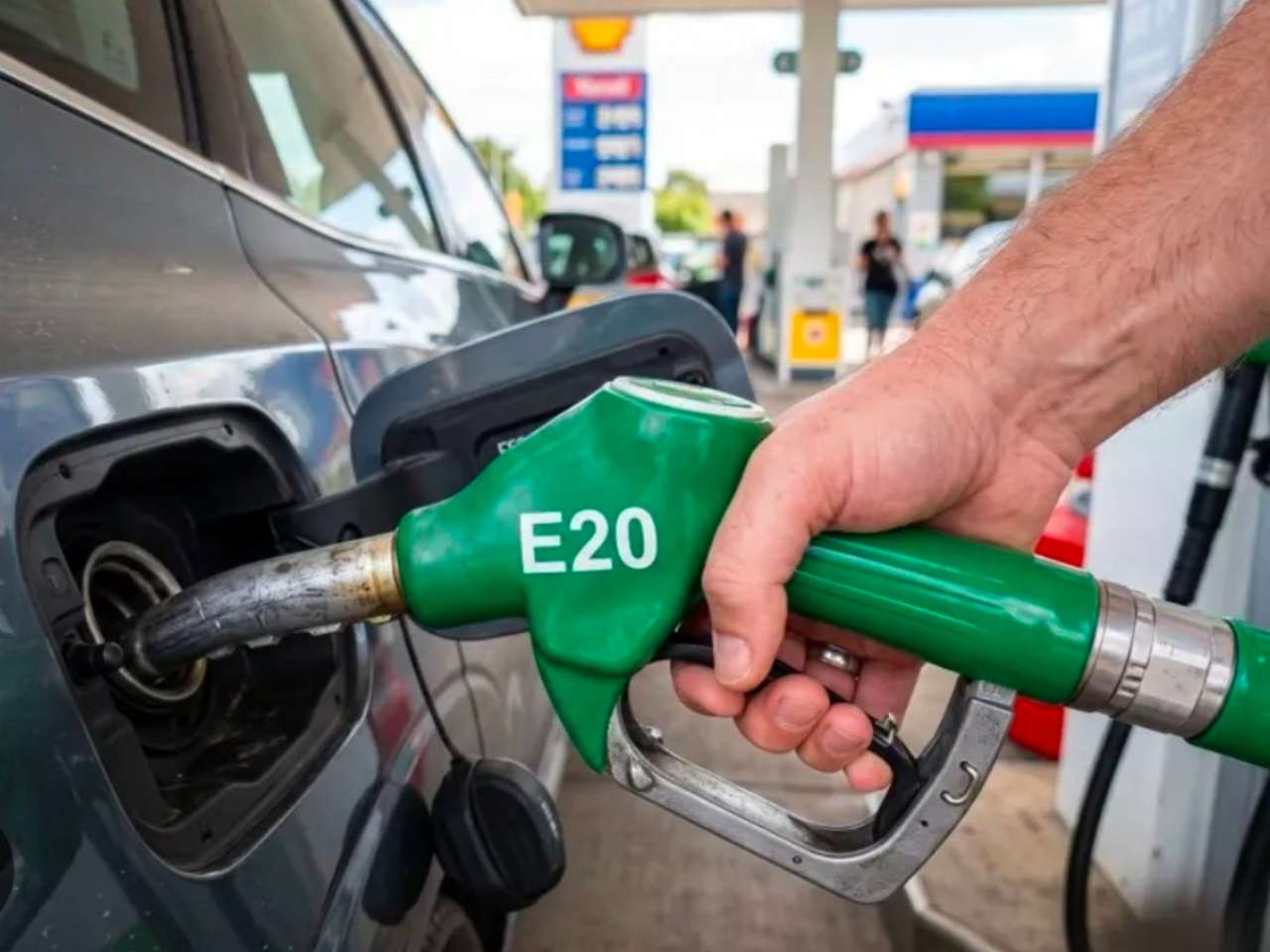
Dispelling Engine Damage Myths: The Centre’s Resolute Stance
The core of the government’s argument rests on scientific validation and empirical evidence. For months, concerns have been voiced, particularly on social media platforms, suggesting that E20 petrol could lead to premature wear, corrosion of fuel system components, and overall degradation of engine health, especially in vehicles not originally designed for such high ethanol blends (i.e., E10-compatible vehicles). These claims, often based on isolated incidents or anecdotal evidence, have fueled public apprehension.
However, the Ministry of Petroleum and Natural Gas, through its detailed clarification on the Ethanol Blended Petrol Programme, has systematically dismantled these fears. They explicitly stated, "there is no evidence that ethanol-blended fuel causes corrosion or abnormal wear even in older vehicles." This strong declaration aims to quell misinformation and provide a factual basis for the public’s understanding of E20. The Ministry underscores that the integrity of India’s vast automotive fleet, which serves millions daily, was paramount throughout the development and deployment of E20. This commitment translated into an exhaustive vetting process, ensuring that the benefits of ethanol blending would not come at the expense of vehicle longevity or performance.
)
The Centre views the EBP as a cornerstone of its energy security and environmental sustainability agenda. Reducing the import bill for crude oil and lowering carbon emissions are strategic national priorities. Therefore, ensuring the successful and safe adoption of E20 is not just an operational matter but a critical component of India’s long-term vision. The current clarification serves to reinforce this national commitment, urging citizens to embrace the new fuel blend with confidence.
A Phased Approach: Chronology of the E20 Rollout
The journey towards E20 has been a methodical and well-planned undertaking, rooted in India’s broader energy policy goals. It wasn’t an abrupt shift but a gradual evolution, building upon earlier successes with lower ethanol blends.
)
Genesis of the Ethanol Blending Program
India’s Ethanol Blending Programme (EBP) began with E5 (5% ethanol blend) and gradually progressed to E10. The primary drivers for this initiative have always been two-fold:
- Energy Security: To reduce India’s heavy dependence on imported crude oil, thereby saving valuable foreign exchange and insulating the economy from global oil price volatility.
- Environmental Sustainability: To lower greenhouse gas emissions and improve urban air quality by utilizing a cleaner-burning, domestically produced fuel. Ethanol, derived primarily from sugarcane and surplus food grains, offers a renewable alternative to fossil fuels.
The long-term vision articulated by the government includes achieving E20 nationwide by 2025 and exploring higher blends, potentially leading to flex-fuel vehicles capable of running on E85 (85% ethanol). E20 is thus a critical stepping stone in this ambitious roadmap.

The Consultation Phase
Before E20 could be introduced on a national scale, the government initiated an unprecedented series of consultations. These weren’t mere formalities but intensive, multi-stakeholder dialogues designed to address every conceivable technical and practical challenge. The Ministry of Petroleum and Natural Gas engaged directly with:
- Automobile Manufacturers: Major players like Maruti Suzuki, Hero MotoCorp, Hyundai, Tata Motors, Mahindra, Honda, and others were deeply involved. Their expertise in engine design, material science, and vehicle longevity was crucial.
- Technical Experts: Scientists, engineers, and researchers from national laboratories, academic institutions, and independent testing agencies provided critical insights into fuel chemistry, combustion dynamics, and material compatibility.
- Testing Agencies: Organizations accredited for vehicle certification and fuel quality assessment played a pivotal role in validating the findings.
- Component Suppliers: Manufacturers of fuel pumps, injectors, fuel lines, O-rings, and other fuel system components were consulted to ensure their products could withstand the higher ethanol content without degradation.
These consultations were iterative, involving multiple rounds of discussions, data sharing, and problem-solving. The aim was to foster a shared understanding and collective responsibility for the success of E20.
)
Rigorous Testing Protocols
Following the consultation phase, extensive testing protocols were implemented. This was perhaps the most crucial stage in building confidence for the E20 rollout. The testing encompassed a wide array of parameters and scenarios:
- Material Compatibility: Detailed analysis of all fuel system components (plastics, rubbers, metals, coatings) to assess their resistance to ethanol-induced corrosion or degradation over extended periods. This involved immersion tests, accelerated aging tests, and real-world simulations.
- Engine Performance and Durability: Engines were subjected to rigorous bench testing under various load conditions, temperatures, and speeds. This included long-duration endurance tests equivalent to hundreds of thousands of kilometers of real-world driving. Parameters like power output, torque, emissions, and fuel consumption were meticulously monitored.
- Vehicle-Level Road Tests: Prototype vehicles, including both new models and older E10-compatible ones, were extensively driven under diverse Indian road and climatic conditions. These tests simulated actual customer usage, monitoring everything from starting performance to long-distance highway cruising.
- Corrosion and Wear Analysis: Post-test engine tear-downs and component inspections were conducted to check for any signs of corrosion, abnormal wear, or material changes in critical parts like fuel injectors, valves, and piston rings.
- Emissions Testing: Comprehensive emissions tests were performed to confirm that E20 met or surpassed existing emission standards, particularly regarding particulate matter and greenhouse gases.
Crucially, the government emphasized that manufacturers "would never have stood behind the product or honoured vehicle warranties" if they hadn’t been fully satisfied with the results of these extensive tests. The fact that "virtually every manufacturer today is honoring warranty for all vehicles (old or new)" is presented as irrefutable proof of their confidence and direct involvement in the validation process.
)
The National Rollout and Public Introduction
Armed with robust test data and the unanimous endorsement of the automotive industry, the government initiated the national rollout of E20 petrol. This involved upgrading fuel infrastructure, establishing supply chains for ethanol, and launching public awareness campaigns. The introduction of E20 was presented not just as a fuel change but as a significant step towards a cleaner, more sustainable future for Indian mobility. The staggered introduction allowed for continuous monitoring and feedback from the field, ensuring a smooth transition.
Unassailable Evidence: Supporting Data from Automotive Giants
The government’s claims are not abstract pronouncements but are firmly grounded in concrete, large-scale data provided by the very entities whose products are at the heart of the debate: automobile manufacturers. The sheer volume and consistency of this data offer a powerful counter-narrative to the prevailing skepticism.
)
Maruti Suzuki’s Extensive Field Data
Maruti Suzuki, India’s largest passenger car manufacturer, provides arguably the most compelling evidence. With an unparalleled reach across the Indian subcontinent and a massive customer base, their field service data offers a microcosm of the entire Indian automotive landscape. The Ministry cited, "Maruti Suzuki serviced 2.84 crore vehicles during FY 2025-26, including 1.5 crore older, non-E20-certified vehicles, and reported no E20-linked corrosion, abnormal wear or component-life damage."
Let’s break down the significance of these figures:
)
- Scale: 2.84 crore (28.4 million) vehicles serviced in a single fiscal year is an immense sample size, far surpassing any localized or anecdotal reports. This represents a substantial portion of India’s total vehicle parc.
- Inclusion of Older Vehicles: The fact that 1.5 crore (15 million) of these were older vehicles, initially labelled as E10-compatible, directly addresses one of the primary concerns. These are the vehicles most commonly believed to be vulnerable to E20. The absence of reported issues in such a vast number of older vehicles is a critical validation point.
- Specific Monitoring Parameters: The absence of "E20-linked corrosion, abnormal wear or component-life damage" indicates that Maruti Suzuki’s service centers were specifically looking for these potential issues, and their findings were negative. This suggests a systematic approach to monitoring.
This "real-world evidence," as the Ministry terms it, is far more reliable than isolated anecdotes or theoretical apprehensions. It reflects the actual performance of E20 in a diverse fleet under varied operational conditions across the entire country.
Hero MotoCorp’s Corroborative Findings
Adding further weight to the Centre’s position, Hero MotoCorp, the world’s largest manufacturer of two-wheelers, has reported similar field experiences. Two-wheelers constitute the backbone of personal mobility in India, often operating under challenging conditions and with different engine designs compared to four-wheelers. The consistent findings from Hero MotoCorp further strengthen the argument that E20 is broadly compatible across different vehicle segments.
)
The two-wheeler segment is particularly sensitive to fuel quality due to its high volume, widespread usage, and often lower maintenance frequency compared to cars. The fact that a market leader like Hero MotoCorp, which caters to millions of riders, has found no E20-linked issues in its vast service network provides a powerful endorsement. It demonstrates that the fuel’s compatibility extends beyond passenger cars to the critical two-wheeler market, reinforcing the universal applicability and safety of E20.
The Warranty Assurance
The government places significant emphasis on the fact that automobile manufacturers are honoring warranties for all vehicles, old or new. This is a crucial commercial and legal indicator of confidence. A warranty is a manufacturer’s promise to repair or replace a product if it fails within a specified period due to defects. If E20 were genuinely damaging engines, manufacturers would either void warranties for E20 usage or face an unprecedented surge in warranty claims. The absence of such actions, coupled with their active participation in the E20 transition, serves as a powerful testament to their belief in the fuel’s safety and compatibility. This financial commitment from manufacturers speaks louder than any theoretical debate.
)
Beyond Engine Concerns: The Multifaceted Benefits of E20
While the engine compatibility issue has dominated public discourse, the government is keen to highlight the broader array of benefits that E20 brings to the table, positioning it as a superior fuel choice despite a minor acknowledged trade-off.
Addressing Fuel Economy: A Nuanced Perspective
The Ministry candidly acknowledged, "It is true that in some vehicles there may be a 3-5% reduction in fuel economy. But mileage is only one parameter." This transparency is important, as ethanol has a lower energy density than pure gasoline, which can theoretically lead to a slight reduction in kilometers per liter. However, the government urges a holistic view, arguing that the reduction is often marginal and outweighed by other significant advantages.
)
This slight drop in mileage is typically observed due to the ethanol’s lower calorific value. Modern engine management systems are designed to compensate for this, but a minor reduction can still occur in some older or less optimized vehicles. The key message here is that while fuel economy is important, it should not be the sole criterion for evaluating a fuel, especially when considering its broader environmental and performance attributes.
Enhanced Performance Characteristics
Beyond just being "safe," E20 offers several performance enhancements:
)
- Significantly Higher-Octane Rating: Ethanol has a high-octane number, meaning E20 can resist knocking (premature ignition) better than lower-octane fuels. This allows engines to run more efficiently, especially modern high-compression engines.
- Superior Anti-Knock Characteristics: Directly linked to the higher octane, E20’s anti-knock properties lead to smoother engine operation and can even enable slightly advanced ignition timing for better performance in some engines.
- Faster Combustion: Ethanol can promote faster and more complete combustion, potentially leading to a more efficient power delivery.
- Better Pickup and Smoother Acceleration: The combined effect of higher octane and faster combustion can translate into a more responsive throttle and smoother acceleration experience for drivers.
- Cleaner Engine Operation: Ethanol acts as a solvent, which can help keep fuel injectors and intake valves cleaner, potentially reducing carbon deposits and improving engine longevity and efficiency over time.
These performance benefits contribute to a better driving experience and can, in some cases, mitigate the perceived impact of a slight mileage reduction.
The Environmental Imperative
The environmental benefits of E20 are substantial and align with India’s national and international climate commitments:
)
- Negligible Particulate Emissions: Ethanol burns cleaner than gasoline, leading to a significant reduction in particulate matter (PM) emissions. This is crucial for improving urban air quality and public health, as PM is a major contributor to respiratory diseases.
- Substantially Reduces Lifecycle Carbon Emissions by Around 40%: This is perhaps the most significant environmental advantage. Lifecycle emissions account for the entire process, from production to combustion. Ethanol, being bio-derived, has a much lower carbon footprint compared to fossil fuels. The 40% reduction is a major step towards decarbonizing the transportation sector and achieving India’s net-zero targets.
By embracing E20, India is not only moving towards energy independence but also actively contributing to global efforts to combat climate change and improve air quality for its citizens.
Economic Advantages and Energy Security
While not explicitly detailed in the original excerpt, the broader context of the EBP programme always includes significant economic and energy security benefits:
)
- Reduced Crude Oil Imports: Every liter of ethanol blended means one less liter of imported crude oil, leading to substantial savings in foreign exchange. This strengthens the Indian rupee and reduces the country’s vulnerability to global oil price fluctuations.
- Boost to the Agricultural Sector: The production of ethanol from agricultural feedstocks like sugarcane and maize provides an additional income stream for farmers, supports rural economies, and helps manage agricultural surpluses.
- Domestic Job Creation: The ethanol production industry, from farming to distilleries and logistics, creates jobs and stimulates economic activity within the country.
These benefits underscore why the government is so steadfast in its support for E20, viewing it as a multi-pronged solution to several national challenges.
Official Responses and Future Trajectory
The Ministry’s recent clarification is part of a larger, ongoing effort to manage the narrative around E20 and ensure its smooth adoption.
)
The Ministry’s Comprehensive Clarification
The detailed FAQ (Frequently Asked Questions) issued by the Ministry of Petroleum and Natural Gas is a proactive measure to address concerns and combat misinformation. By consolidating all relevant information – from the testing process to manufacturer data and performance benefits – the Ministry aims to provide a single, authoritative source for public understanding. This approach demonstrates the government’s commitment not only to rolling out new policies but also to educating the public and building trust. The FAQ format is particularly effective for directly answering common questions and debunking myths in an accessible manner.
Industry’s Endorsement and Collaborative Spirit
The success of the EBP, particularly the E20 transition, hinges on the continued collaboration between the government and the automotive industry. The Ministry’s statement explicitly praises this partnership, highlighting that manufacturers were not just consulted but were integral partners in the entire process. This spirit of cooperation ensures that future advancements in fuel technology and vehicle design will continue to be aligned, benefiting both consumers and the environment. The industry’s willingness to stand by the product, honour warranties, and share extensive field data is a testament to this robust collaborative framework.
)
Looking Ahead: India’s Ethanol Blending Vision
E20 is not the final destination but a significant milestone in India’s journey towards a sustainable and energy-independent future. The government’s vision includes:
- Achieving E20 Nationwide: The current focus is on making E20 universally available across the country, ensuring that all consumers have access to this cleaner fuel.
- Exploring Higher Blends: Research and development are ongoing for higher ethanol blends, potentially leading to E25 or even E85, which would necessitate flex-fuel vehicles.
- Promoting Flex-Fuel Vehicles: The government is actively encouraging automobile manufacturers to introduce flex-fuel vehicles that can run on a wider range of ethanol-gasoline blends, offering consumers greater flexibility and further reducing fossil fuel consumption.
- Diversifying Feedstocks: Efforts are underway to diversify the sources of ethanol beyond sugarcane and maize, exploring options like rice, damaged food grains, and cellulosic biomass, to ensure a sustainable and ample supply.
This long-term strategy positions E20 as a crucial, proven step towards a greener, more self-reliant mobility ecosystem in India.
)
Implications: A Clear Path Forward
The Centre’s unequivocal dismissal of E20 engine damage claims, buttressed by robust field data from major automobile manufacturers, marks a critical juncture for India’s Ethanol Blended Petrol Programme. The Ministry of Petroleum and Natural Gas has not only provided a factual basis to counter misinformation but has also underscored the extensive, collaborative, and scientifically validated process that underpinned the E20 rollout.
While a minor reduction in fuel economy in some vehicles is acknowledged, the government argues convincingly that this trade-off is far outweighed by the significant benefits of E20: superior performance characteristics, substantial environmental gains through reduced emissions, and strategic advantages in energy security and agricultural development. In essence, E20 is presented as a "cleaner, higher-quality and more efficient fuel than either E10 or pure petrol."
)
The implications are clear: the government is unwavering in its commitment to E20, viewing it as a cornerstone of India’s energy transition. For consumers, this clarification should instill confidence, encouraging wider adoption of E20. For the automotive industry, it reaffirms the collaborative framework and the shared vision for sustainable mobility. As India continues its journey towards a greener and more energy-independent future, E20 stands as a testament to meticulous planning, rigorous testing, and a resolute commitment to national priorities.
