

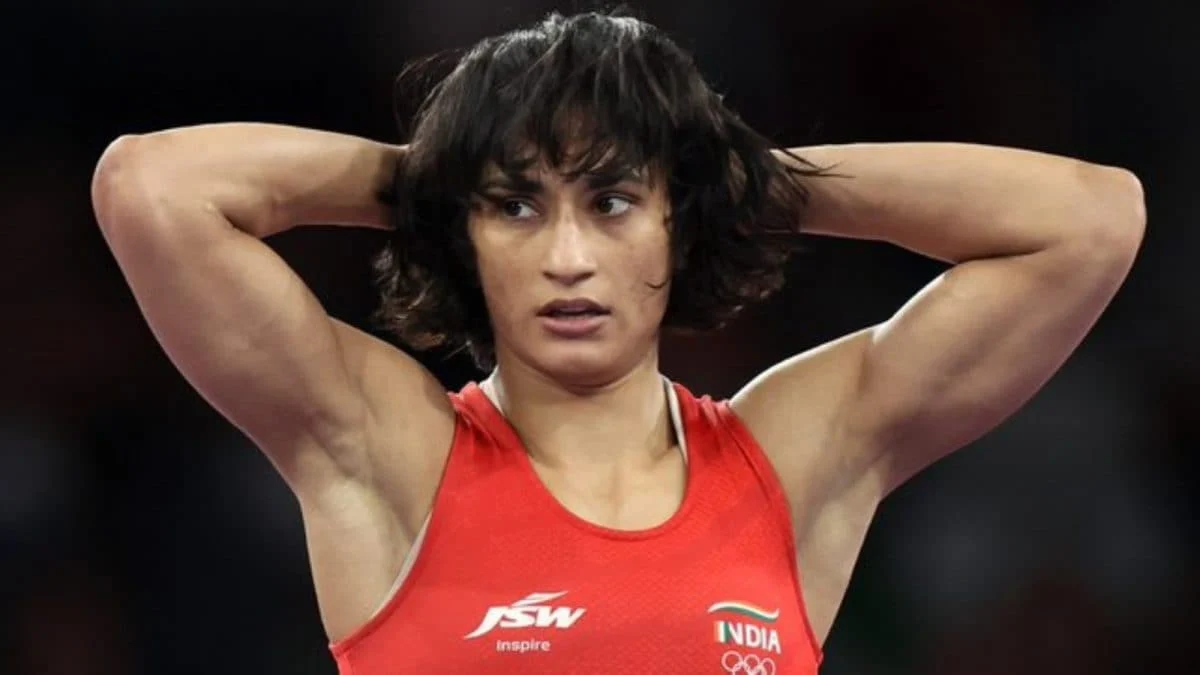
New Delhi, India – May 29, 2026 – In a dramatic turn of events, celebrated Indian wrestler Vinesh Phogat finds herself once again battling against the clock and the administrative machinery of the sport, as the Wrestling Federation of India (WFI) has limited her participation in the upcoming Asian Games trials solely to the 50kg category. This directive, issued less than 12 hours before the crucial selection event, plunges the multiple international medalist into a desperate race to shed weight, presenting a formidable physical and psychological challenge.
The WFI’s decision, first reported by the Press Trust of India (PTI), comes despite a recent Supreme Court order clearing Phogat’s participation in the trials. The federation asserts that its hands were tied by a lack of timely communication from Phogat’s camp regarding her preferred weight class, forcing them to assign her to the 50kg division based on her most recent international competitive history, including the 2024 Summer Olympics. This development ignites fresh controversy, raising questions about athlete welfare, administrative efficiency, and the complex relationship between India’s top wrestlers and its governing body.
The Immediate Challenge: A Race Against Time
For Vinesh Phogat, one of India’s most decorated female wrestlers, the announcement on the eve of the trials is nothing short of a crisis. Having reportedly been preparing for the 53kg category, the sudden mandate to compete at 50kg necessitates a rapid and potentially debilitating weight cut. Elite wrestlers meticulously manage their weight over weeks and months to ensure peak performance and minimize health risks. A sudden reduction of even a few kilograms, particularly for an athlete already operating at a high level of conditioning, can severely impact strength, endurance, and overall well-being.
The trials, scheduled to commence shortly at the Indira Gandhi Indoor Stadium complex in New Delhi – also Phogat’s training ground – represent a critical juncture for her aspirations for the Asian Games. The short notice leaves virtually no room for a controlled or medically supervised weight management strategy, forcing a crash diet and dehydration regimen that carries significant health risks and could compromise her ability to perform optimally against formidable opponents.
WFI’s Stance: 50kg or Nothing
According to the WFI, the decision to restrict Phogat to the 50kg category was a consequence of a communication vacuum. Federation officials claim they awaited confirmation of her preferred weight class following the Supreme Court’s intervention, which ensured her eligibility for the trials. However, by late Friday evening, no formal intimation—neither email, message, nor any other official communication—had been received from Phogat’s representatives.
"It is important for the chief coach and the technical officials to know which wrestler is competing in which weight category. We waited till late evening, but no email, message or any formal intimation was received from Vinesh’s side," a federation source was quoted by PTI, underscoring the WFI’s rationale. Given her recent competitive history in the 50kg division, the WFI proceeded to register her in that category, citing the need for clarity in organizing the trials. This procedural adherence, however, now places an immense burden on the athlete.
A Complex Chronology of Events
The current predicament for Vinesh Phogat is not an isolated incident but rather the latest chapter in a protracted narrative marked by athlete protests, judicial interventions, and administrative complexities within Indian wrestling. To fully grasp the gravity of the situation, it’s essential to trace the sequence of events that led to this eleventh-hour challenge.
Court Intervention Paves the Way
Vinesh Phogat, alongside several other prominent Indian wrestlers, has been at the forefront of public protests against alleged misconduct within the WFI leadership. These protests, which garnered significant national and international attention, led to a period of administrative upheaval and legal battles. Consequently, the participation of some protesting wrestlers in selection trials, including for prestigious events like the Asian Games, became a contentious issue.
It was against this backdrop that the Supreme Court of India intervened. The highest judicial body in the country, recognizing the athletes’ right to compete and the importance of fair selection processes, cleared the way for Vinesh Phogat’s participation in the Saturday trials. This judicial directive was seen as a significant victory for the wrestlers, ensuring their opportunity to vie for a spot in the national contingent. However, the court’s order primarily addressed the right to participate, not the specific logistical details such as weight categories, which remained under the WFI’s purview.
The Communication Gap
Following the Supreme Court’s clearance, the onus shifted to both Vinesh Phogat’s camp and the WFI to facilitate her smooth entry into the trials. The WFI’s claim of a lack of communication from Phogat’s side regarding her weight category stands as a critical point of contention. In high-stakes sporting events, clear and timely communication between athletes, their support staff, and the governing federation is paramount. Any breakdown in this channel can lead to significant operational challenges and, as seen in this case, direct consequences for the athlete.
While the WFI maintains it waited "till late evening" for an intimation, questions arise regarding the proactive measures taken by the federation to reach out to Phogat, especially given the history of strained relations and the recent court intervention. Similarly, Phogat’s camp might offer a different perspective on why communication was not established or received, potentially citing technical glitches, misunderstandings, or an assumption that her preferred category (reportedly 53kg) was already known given her training regimen. Regardless of the reasons, the consequence is a logistical nightmare for the athlete.
Vinesh’s Recent Competitive History
The WFI’s decision to assign Phogat to the 50kg category is anchored in her recent competitive history. Officials cited her participation in the 2024 Summer Olympics and other recent international events in the 50kg division as the basis for their decision. While athletes often move between adjacent weight categories based on strategic considerations, form, and opponent analysis, their most recent competitive weight class often serves as a default reference point for federations in the absence of explicit, updated communication.
For Vinesh, the 50kg category has been a battleground where she has achieved significant success, but also faced immense challenges. Her performance at the 2024 Olympics, for instance, would have been a culmination of a long cycle of training and weight management tailored for that specific division. However, preparing for one weight class (53kg) and being forced to compete in another (50kg) with such short notice drastically alters the competitive landscape and places her at a severe disadvantage. This historical context, while seemingly providing a logical basis for the WFI’s decision, simultaneously highlights the immense physical and strategic disruption it causes.
The Rigors of Weight Cutting: Supporting Data and Context
The demand for Vinesh Phogat to make weight in the 50kg category on such short notice underscores one of the most brutal and often overlooked aspects of combat sports: rapid weight cutting. This practice, while common, is fraught with significant health risks and can severely compromise an athlete’s performance.
Understanding Wrestling Weight Categories
Wrestling, like many combat sports, is organized into distinct weight categories to ensure fair competition among athletes of similar physical stature. These categories are precisely defined, with even a few hundred grams making the difference between eligibility and disqualification. For elite wrestlers, choosing a weight category involves strategic planning, considering factors such as natural body weight, muscle mass, and the competitive landscape within each division.
The difference between 50kg and 53kg might seem minor to an outsider, but for a professional athlete whose body composition is meticulously managed, it is substantial. A 3kg difference represents approximately 5-6% of Vinesh’s target body weight. Achieving this reduction in a matter of hours, rather than the typical days or weeks, requires extreme measures. Wrestlers usually aim to compete slightly above their natural body weight and then undergo a controlled "cut" in the days leading up to weigh-ins, primarily through dehydration and caloric restriction. This allows them to maximize strength and muscle mass within their chosen category.
The Science and Perils of Rapid Weight Loss
Rapid weight cutting, particularly the practice of "cutting weight" through dehydration, is a well-documented physiological stressor. The process involves:
- Fluid Restriction: Drastically limiting water intake to shed water weight.
- Caloric Restriction: Severe reduction in food intake, often leading to nutrient deficiencies.
- Induced Sweating: Using saunas, steam rooms, excessive exercise in sweat suits, or even diuretics (though often banned) to accelerate fluid loss.
The immediate consequences of such practices, especially when rushed, include:
- Dehydration: Leads to decreased blood volume, reduced cardiac output, impaired thermoregulation, and electrolyte imbalances. This directly impacts physical performance, causing fatigue, muscle cramps, dizziness, and reduced power.
- Glycogen Depletion: Low carbohydrate intake depletes muscle and liver glycogen stores, which are the primary fuel source for high-intensity activity. This results in significantly reduced endurance and explosive strength.
- Cognitive Impairment: Dehydration and nutrient deprivation can affect brain function, leading to poor concentration, irritability, and impaired decision-making – critical for wrestling strategy.
- Increased Risk of Injury: Muscles and connective tissues become less pliable when dehydrated, increasing susceptibility to strains, sprains, and other injuries.
- Kidney Strain: Severe dehydration places immense stress on the kidneys, potentially leading to acute kidney injury in extreme cases.
Sports physiologists and medical professionals consistently warn against rapid, uncontrolled weight loss due to these severe health implications. For Vinesh Phogat, a champion athlete, forcing her body through this ordeal on such short notice is not only a health risk but also a direct assault on her competitive readiness.
Historical Precedent and Athlete Welfare Concerns
The issue of weight cutting in wrestling is not new, and unfortunately, stories of athletes collapsing or struggling during weigh-ins are not uncommon. Federations globally have tried to implement rules to mitigate the dangers, such as staggered weigh-ins or limits on the percentage of weight that can be lost. However, the pressure to gain a competitive advantage often drives athletes to push their bodies to the limit.
This specific incident with Vinesh Phogat brings to the fore broader concerns about athlete welfare within the Indian sporting ecosystem. When administrative decisions or communication failures directly result in an athlete being compelled to undertake dangerous practices, it highlights systemic issues. The WFI’s adherence to "rules" without seemingly considering the practical and physiological implications of such short-notice changes for an elite athlete raises questions about a holistic approach to athlete management and support. It also adds another layer to the ongoing dialogue about the power dynamics between athletes and sports federations.
Official Responses and Federation’s Perspective
The Wrestling Federation of India’s official stance, as communicated through its senior officials, attempts to balance adherence to judicial directives with the maintenance of its own regulatory framework. The federation emphasizes its commitment to upholding the Supreme Court’s orders while simultaneously asserting its authority over the conduct of the trials.
Upholding Rules Amidst Court Directives
A senior WFI official explicitly stated, "Honouring the court orders, we will allow Vinesh to compete. But only WFI rules will apply during the competition." This statement encapsulates the federation’s position: it will not bar Phogat from participating, thereby complying with the judicial mandate, but it will conduct the trials strictly according to its established regulations. This includes rules pertaining to weight categories, weigh-in procedures, and competition formats.
The WFI’s argument hinges on the principle that while courts can compel participation, the technical and logistical aspects of sports governance remain within the federation’s domain. By framing the issue as a failure of communication from Phogat’s side, the WFI positions itself as merely enforcing existing rules and procedures in the absence of clear instructions. This approach, while legally defensible from a purely procedural standpoint, draws criticism for its perceived lack of flexibility and empathy towards an athlete placed in an extraordinary situation. Critics might argue that a federation’s role also includes supporting its athletes and finding practical solutions, especially when high-stakes national selections are involved.
The One-Kilogram Tolerance Clause
In a minor concession that highlights the strictness of weight management, the WFI has announced that it will permit a one-kilogram weight tolerance for all wrestlers taking part in the championship. This is a standard practice in many wrestling competitions, acknowledging the slight fluctuations in an athlete’s weight and providing a small buffer.
For Vinesh Phogat, this means her target weight for the 50kg category will effectively be 51kg. While this tolerance offers a marginal easing of the immediate challenge, it does not fundamentally alter the arduous task of cutting weight from her preparation weight (reportedly for 53kg) down to 51kg within hours. The difference between 53kg and 51kg, though smaller, still represents a significant reduction that must be achieved through rapid and intense means, potentially through extreme dehydration, which can severely impact performance. The allowance, therefore, is a standard operational detail rather than a substantial mitigation of her specific predicament.
Transparency and Oversight
The WFI official also indicated that the federation would have "no objection if observers from the Indian Olympic Association and the Sports Ministry are present" during the trials. This statement suggests an openness to external scrutiny, potentially to ensure the fairness and transparency of the selection process, especially given the history of disputes and judicial involvement.
The presence of observers from apex sports bodies like the Indian Olympic Association (IOA) and the Sports Ministry could serve several purposes:
- Ensuring Fair Play: They can monitor the conduct of the trials, including weigh-ins, bouts, and refereeing decisions, to prevent any perceived bias or impropriety.
- Upholding Athlete Rights: Observers can act as a check against any actions that might be detrimental to the welfare or fair treatment of athletes.
- Building Trust: In a climate of distrust, external oversight can help restore confidence in the WFI’s processes, at least from an institutional perspective.
However, while observers can monitor the process, they may have limited power to intervene in the WFI’s operational decisions, such as the initial assignment of weight categories. Their presence, therefore, might primarily serve as a mechanism for accountability rather than immediate problem-solving for Vinesh Phogat’s specific challenge.
Far-Reaching Implications and Broader Context
The eleventh-hour directive to Vinesh Phogat regarding her weight category carries far-reaching implications, extending beyond her individual performance to touch upon the governance of Indian wrestling, athlete welfare, and the delicate balance of power within sports administration.
Impact on Vinesh Phogat: Physical and Psychological Toll
For an athlete of Vinesh Phogat’s caliber, this situation is profoundly taxing, both physically and psychologically.
- Physical Toll: As discussed, rapid weight cutting through dehydration can severely compromise her physical state. She risks entering the trials fatigued, weakened, and potentially dehydrated, making her susceptible to injury and significantly diminishing her competitive edge. Even if she makes weight, her ability to perform at her peak, showcasing the strength, agility, and endurance required for elite wrestling, will likely be severely hampered. This could lead to a performance that does not reflect her true capabilities, potentially jeopardizing her Asian Games selection.
- Psychological Toll: The mental burden of this challenge is immense. The stress of having to rapidly cut weight, coupled with the pressure of a high-stakes trial, can lead to anxiety, frustration, and a diminished focus. This incident also reopens wounds from previous disputes with the federation, potentially reinforcing feelings of being targeted or unfairly treated. The psychological impact can linger, affecting future training and competitive readiness. For an athlete who has already faced considerable mental strain due to off-mat issues, this adds another layer of emotional exhaustion.
Governance and Credibility of the WFI
This incident further fuels the ongoing debate about the governance and credibility of the Wrestling Federation of India.
- Procedural Rigidness vs. Athlete Welfare: While the WFI cites adherence to rules and lack of communication, the timing and impact of its decision raise questions about its flexibility and athlete-centric approach. Critics argue that a federation’s primary role is to foster and protect its athletes, and rigid adherence to procedure without considering context can be detrimental.
- Transparency and Communication: The "communication gap" highlighted by the WFI points to potential systemic issues in how information is exchanged between athletes and the federation, especially when relations are already strained. Effective and proactive communication channels are crucial to prevent such situations.
- Perception of Fairness: The incident might reinforce a perception among athletes and the public that the WFI is not always acting in the best interests of its wrestlers, or that its decisions are sometimes influenced by factors beyond pure sporting merit. This can erode trust, which is vital for a healthy sporting ecosystem.
The Future of Athlete-Federation Relations
The saga involving Vinesh Phogat and the WFI is emblematic of broader tensions between athletes and sports federations in India. This incident adds another complex layer to these relations.
- Empowerment of Athletes: While judicial intervention has empowered athletes to challenge administrative decisions, it also highlights the limitations of such interventions in dictating the minute operational details of sports.
- Need for Reform: The recurring nature of such disputes underscores the urgent need for comprehensive reforms in sports governance, focusing on greater athlete representation, transparent decision-making processes, and robust grievance redressal mechanisms.
- Impact on Morale: Incidents like these can negatively impact the morale of other aspiring and established athletes, creating an environment of uncertainty and apprehension within the sporting community.
Preparing for the Asian Games: A Glimmer of Hope?
The immediate objective for Vinesh Phogat is to secure a spot for the Asian Games. The Asian Games are a prestigious multi-sport event, a stepping stone to the Olympics, and a significant platform for Indian athletes. If Phogat manages to make weight and perform creditably, it would be a testament to her extraordinary resilience and mental fortitude. However, the energy expended in the weight cut and the associated physical toll could impact her performance in subsequent training and ultimately at the Asian Games themselves, should she qualify.
The broader implications for Indian wrestling extend to its international standing. Consistent controversies and internal strife can distract from the sport’s primary goal: producing world-class athletes capable of winning medals on the global stage. A stable and supportive environment is crucial for nurturing talent and achieving sustained success.
Conclusion
Vinesh Phogat’s eleventh-hour challenge to make the 50kg weight category for the Asian Games trials is a poignant illustration of the intricate and often fraught relationship between elite athletes and sports federations. While the WFI cites procedural adherence and a communication gap, the timing and potential health implications of its decision cast a long shadow over the fairness and athlete-centric nature of the selection process.
As Phogat prepares for what might be one of the most physically and psychologically demanding weigh-ins of her career, the incident serves as a critical reminder of the immense pressures faced by athletes, the need for transparent and empathetic governance in sports, and the enduring quest for a system that prioritizes both competitive excellence and athlete welfare. The outcome of the trials will not only determine Vinesh Phogat’s immediate future in the Asian Games but also contribute significantly to the ongoing narrative of Indian wrestling’s administrative evolution.
