

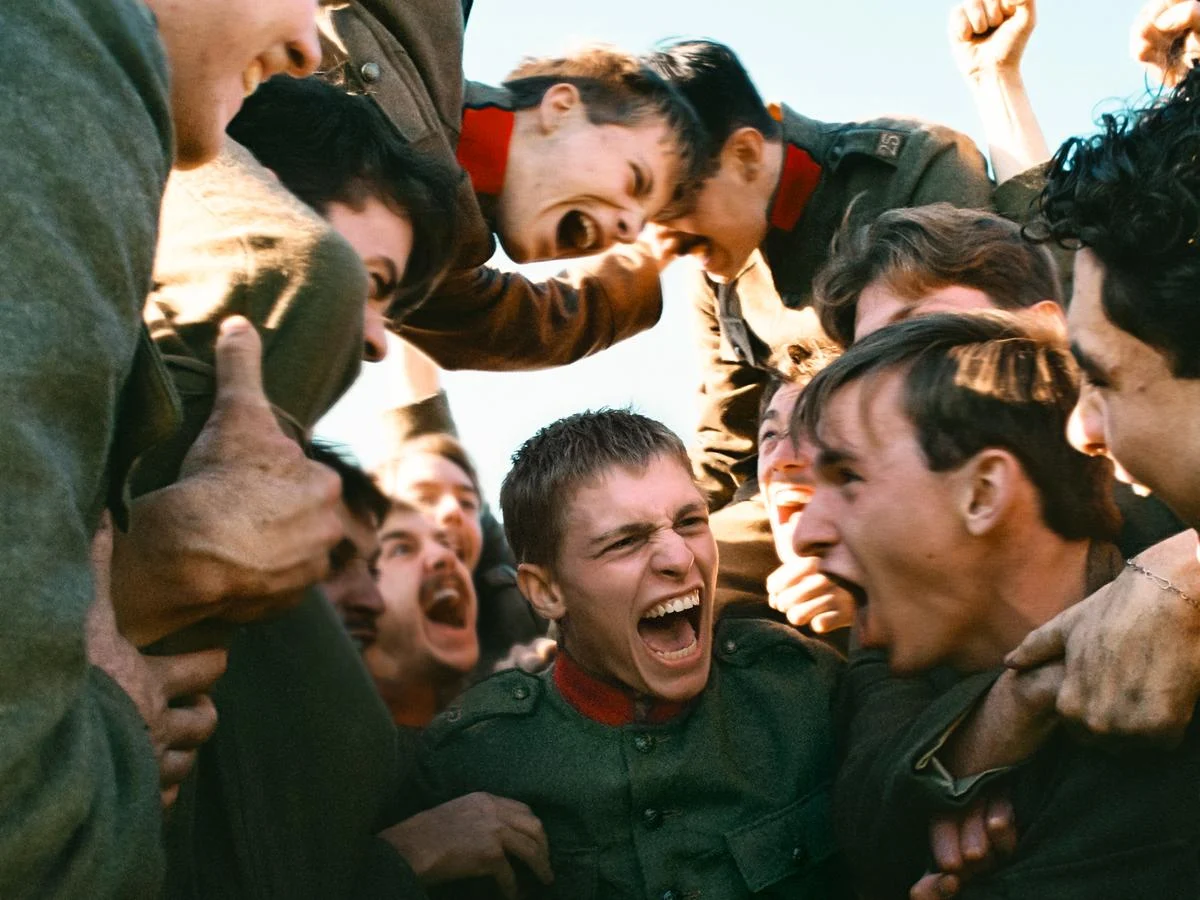
The French Riviera played host to a cinematic celebration of LGBTQ+ storytelling, with a record number of queer films gracing the screens of the Cannes Film Festival. While some critics noted a perceived lack of Hollywood star power, the festival undeniably showcased a vibrant and resonant surge in queer cinema, signaling a powerful artistic and political statement in a world grappling with rising anti-LGBTQ+ sentiment.
A "Queerer" Cannes: Beyond the Red Carpet Buzz
While the glittering allure of Hollywood A-listers often dominates headlines from the Cannes Film Festival, this year’s event, which concluded recently on the French Riviera, presented a different kind of spectacle. Beyond the usual celebrity fanfare, a significant and undeniable shift was palpable: the pervasive and powerful presence of queer cinema. With an impressive 22 films woven into various competition and sidebar sections, the festival was a testament to the burgeoning strength and diversity of LGBTQ+ storytelling on the global stage.
Despite pronouncements from some major media outlets labeling the year as "muted" due to a perceived absence of blockbuster Hollywood names, this assessment overlooks a far more profound and impactful development. Cannes 2024, in its artistic programming, offered a compelling counter-narrative to any notion of cinematic quietude. Instead, it amplified a potent expression of queer solidarity, with films featuring unambiguous queer themes or subplots prominently featured in the competition sections, resonating deeply with audiences and critics alike. This was not a muted year; it was a year of amplified voices and amplified stories, challenging conventional narratives and celebrating the multifaceted spectrum of human experience.
Award-Winning Narratives: Queer Stories Take Center Stage
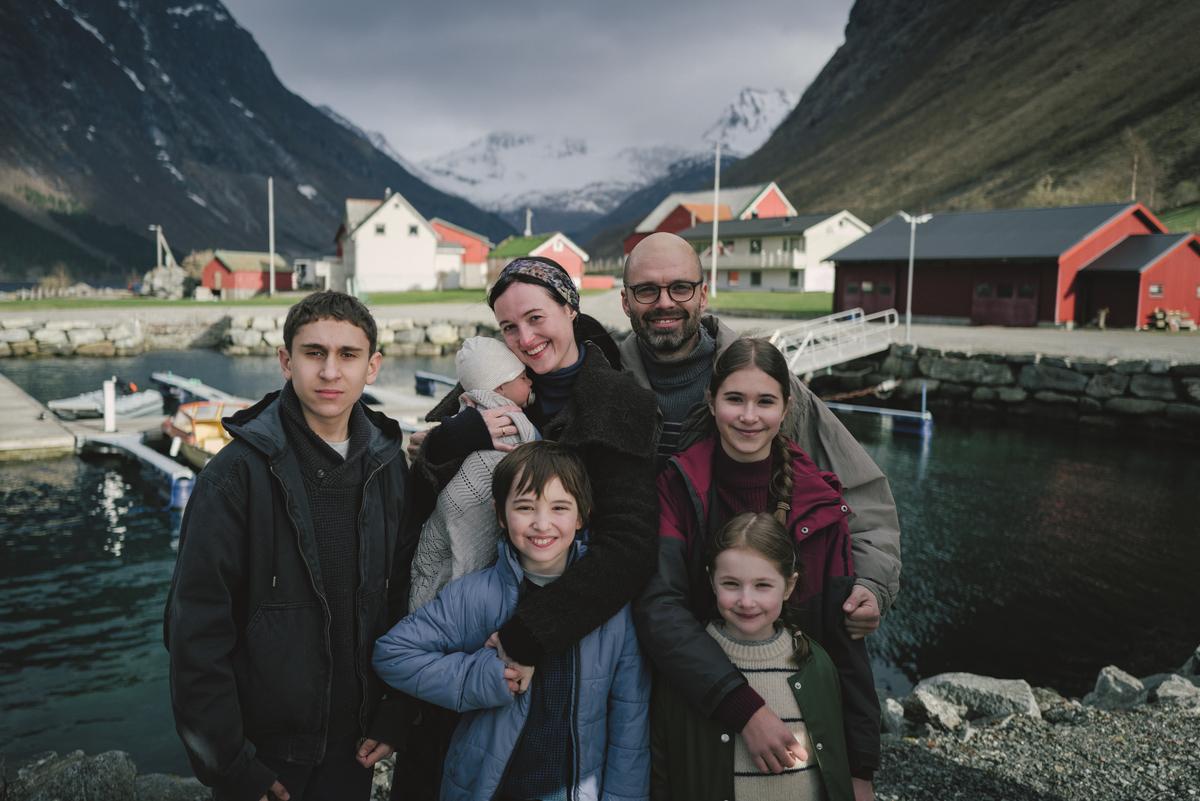
The accolades bestowed at Cannes this year underscored the festival’s commitment to recognizing and celebrating queer narratives. The prestigious Palme d’Or, the festival’s highest honor, was awarded to Romanian director Cristian Mungiu’s film Fjord, which notably featured a poignant teen queer subplot. This inclusion in the top prize signaled a significant mainstream acceptance and appreciation for LGBTQ+ themes within the art house circuit.
Further cementing the prominence of queer storytelling, the shared Best Director award was presented to the dynamic queer directing duo Javier Ambrossi and Javier Calvo for their Spanish film La Bola Negra (The Black Ball). This sweeping resistance drama, weaving together narratives from the Spanish Civil War and the present day, resonated with its exploration of love, identity, and resilience across different eras. The film’s powerful portrayal of hidden desires and societal constraints offered a compelling historical and contemporary lens on queer experiences.
The recognition extended to acting as well, with Emmanuel Macchia and Valentin Campagne jointly securing the Best Actor award for their compelling performances in Lukas Dhont’s war drama Coward. Their portrayal of queer soldiers within the harsh realities of war brought a vital human dimension to the conflict, highlighting themes of courage, vulnerability, and the enduring search for connection in the face of adversity. These awards were not merely symbolic gestures; they represented a genuine embrace of queer narratives at the highest echelons of international cinema, demonstrating that these stories are not only artistically significant but also critically acclaimed.

The Queer Palm: A Beacon of LGBTQ+ Cinema
The Queer Palm, an independent award presented at the Cannes Film Festival since 2010 to honor LGBTQ+-themed films in the official selection, once again highlighted the depth and breadth of queer cinema. This year, the Queer Palm was awarded to Jane Schoenbrun for their film Teenage Sex and Death at Camp Miasma. Schoenbrun, a celebrated writer, director, and advocate for queer storytelling, delivered an impassioned acceptance speech that resonated with the festival’s attendees and the broader cinematic community.
"There is so much queer art being made and celebrated, it’s amazing," Schoenbrun declared, their voice filled with a mixture of pride and determination. They eloquently articulated the political dimension of queer art, stating, "Queerness is politics – it means not accepting the world that you are told you must exist within and living as if there’s a possibility to build something better, more magical and more truthful." This powerful sentiment captured the spirit of a generation of filmmakers pushing boundaries and envisioning a more inclusive and authentic future. Schoenbrun’s concluding remark, "I can’t wait to make more really gay movies," served as a bold declaration of intent and a promise of continued artistic innovation.
Schoenbrun’s sentiments were echoed by many present at the festival, who noted the sheer volume and quality of films from queer filmmakers. This year’s robust representation served as a powerful counterpoint to the increasing hostility faced by LGBTQ+ individuals globally.

A Climate of Resilience: Queer Art in the Face of Adversity
The significance of such a strong queer presence at Cannes was amplified by the current global political climate. As filmmaker and programmer Akashdeep Singh (also known as Akash Saran) observed, "It is notable – and more powerful – that so many films competing across multiple sections are doing so at a time when queer and trans rights are under vicious attack around the world." This sentiment underscores the vital role of art in times of social and political upheaval.
Singh elaborated on the precariousness of the current situation, stating, "The attacks forcefully exclude them from cultural spaces. Queer and trans people are actively being silenced and pressured to delegate themselves back into the shadows." In this context, the visibility and celebration of queer cinema at a prestigious global platform like Cannes become not just an artistic triumph, but a crucial act of defiance and a powerful assertion of existence. The festival, in showcasing these stories, provided a much-needed space for affirmation and resistance, demonstrating that even in the face of repression, queer voices will not be silenced.
Normalizing Queer Narratives: From Exception to Everyday
A significant evolution observed in this year’s selection was the natural integration of gay, lesbian, and bisexual characters into the fabric of storytelling. Rather than being relegated to tokenistic appearances or serving as mere symbolic gestures, queer characters were depicted as integral components of the narratives, their identities woven seamlessly into the larger plots.

Claus Christensen, chief editor of the Danish film magazine Ekko, highlighted this crucial shift. "In many of the films, love, desire, and sex between people of the same gender are depicted with a matter-of-factness that would have been striking just a few years ago," he noted. He further elaborated on a hopeful trend: "And in most of them, the characters are allowed to live, whereas it was previously a common trope for them to meet a tragic end." This move away from the "bury your gays" trope signifies a maturation of queer storytelling, allowing for more nuanced and hopeful portrayals.
Christensen emphasized that this progression feels like a significant step forward. While narratives focused on coming out, shame, and repression still hold their place, the increasing portrayal of sexual orientation as simply a part of a character’s life and identity, rather than the sole source of conflict, marks a powerful shift. "These are not niche films," Christensen asserted. "Titles such as Coward, Club Kid, Tangles, and Teenage Sex and Death at Camp Miasma are among the festival’s most talked-about and hyped works, clearly speaking to a younger generation." He also highlighted other notable films such as Garange, A Woman’s Life, and La Gradiva, noting that The Black Ball offers a poignant exploration of repressed sexuality on an "epic scale rarely seen."
Beyond the Festival Walls: The Impact of Queer Cinema
While the Cannes Film Festival’s embrace of queer cinema might suggest a progressive global outlook, it is crucial to acknowledge that the reality outside the cinema halls often remains more complex. Christensen pointed to a sobering example: the Danish Eurovision entrant Sören Torpegaard Lund faced homophobic abuse on social media, even in Denmark, a country widely considered one of the most liberal and tolerant in the world.
This stark contrast underscores the vital importance of films like those showcased at Cannes. "Precisely for that reason, queer films at Cannes may have real impact if they manage to reach a wider audience," Christensen stated. The festival provides a platform for these stories to gain traction, spark conversations, and ultimately, foster greater understanding and empathy.
Filmmaker Akash echoed this sentiment, offering a powerful closing statement that encapsulates the enduring spirit of queer artists: "Without queer and trans people there is no art and as long as we have a camera, we will never be silent." This resolute declaration serves as a reminder that the fight for visibility and representation is ongoing, and that cinema, in its most potent form, can be a powerful tool for liberation and change.
Filmmaker Akashdeep Singh’s Top Three Picks: Art Forged in Struggle
Filmmaker Akashdeep Singh, a keen observer of the festival’s queer offerings, shared his insights into films that exemplify the powerful intersection of art, struggle, and queer identity. He emphasized that "it’s from the fights against the margins that best art is often forged. These films to me reflect so much transcendent artistry to depict how struggle is inseparable from queerness."

-
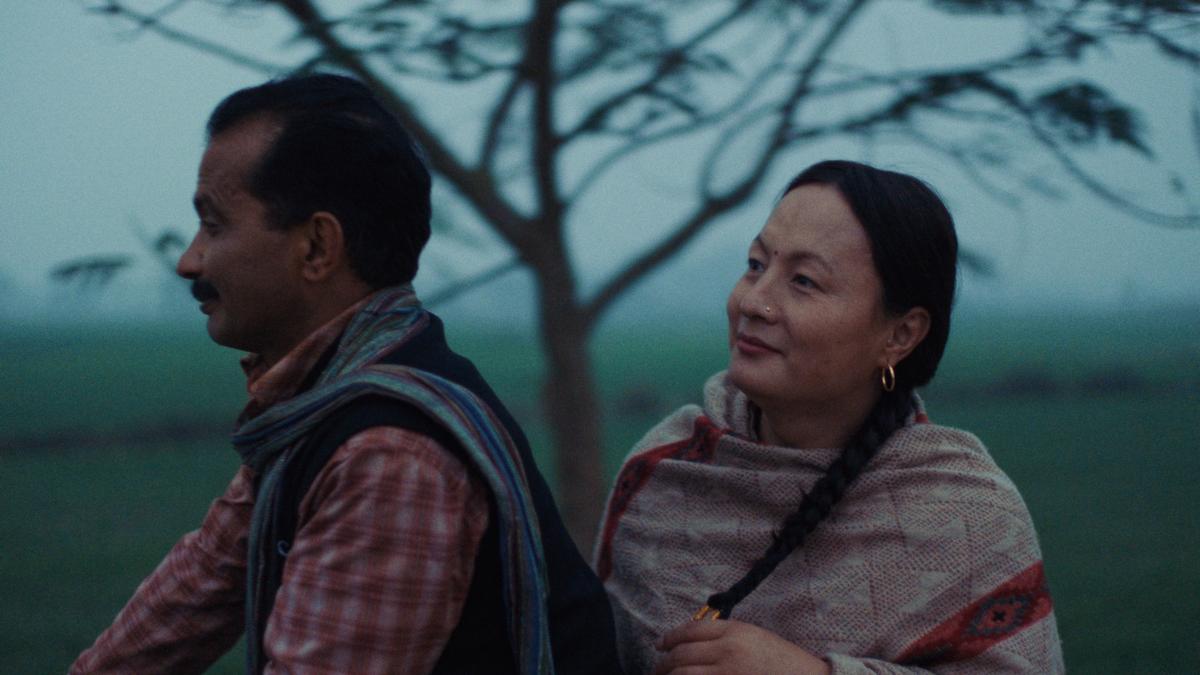
Elephants in the Fog by Abinash Bikram Shah: Hailed as a "searing indictment of Nepali society on its treatment of transgender people," this film, which won the Jury Prize in the Un Certain Regard section, stands out for its unflinching portrayal of societal prejudice. Shah’s directorial vision brings to light the often-unseen struggles faced by the transgender community, offering a critical examination of deeply entrenched social norms and their devastating impact. The film’s critical acclaim at Cannes signifies a growing international awareness and a demand for narratives that challenge transphobia.
-
Nagi Notes by Koji Fukada: Described as a "sensitively told tale about two young boys in love in the Japanese countryside," this film offers a tender and nuanced exploration of adolescent love. Fukada’s direction, through the lens of a "sexually ambiguous, possibly queer sculptor," imbues the narrative with a subtle yet profound emotional depth. The film’s focus on the quiet beauty and inherent vulnerability of young queer love in a specific cultural context resonated with audiences, demonstrating the power of understated storytelling.
-
La Bola Negra by Javier Calvo and Javier Ambrossi: Singh characterized this film as a "sweepingly operatic saga about a closeted fascist fighter in the Spanish Civil War who comes in possession of the pages of an unpublished manuscript of a poet." This epic narrative, as previously mentioned, explores the tragic repression of sexuality against the backdrop of historical conflict. The film’s ambition in scale and its intricate weaving of personal and political struggles highlight the enduring human cost of societal condemnation and the powerful allure of art and expression, even in the darkest of times.
