

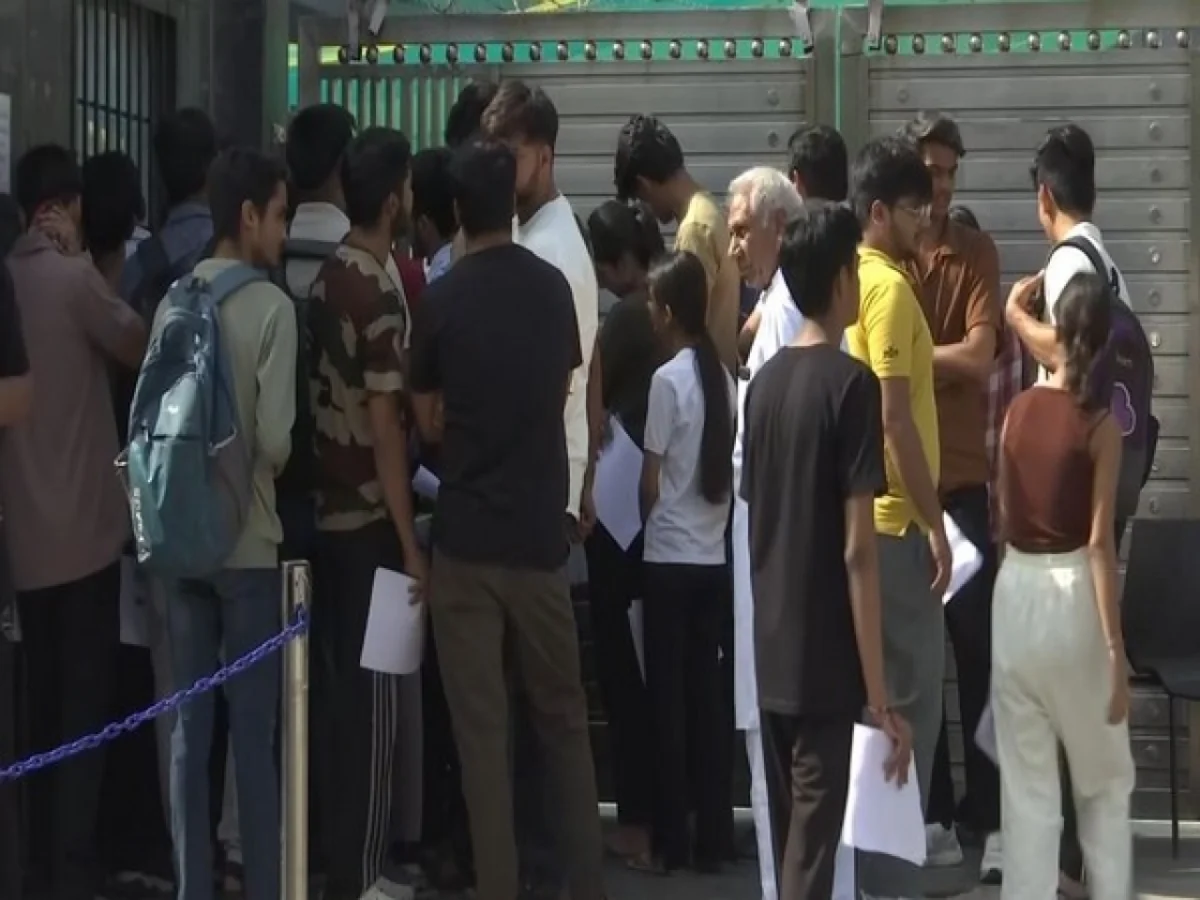
New Delhi, May 30, 2026 – The National Testing Agency (NTA) has announced that a re-examination will be conducted for thousands of candidates who were unable to complete the Common University Entrance Test (CUET-UG) 2026 on May 30th due to a significant technical glitch. The disruptions, reportedly stemming from issues with the NTA’s service provider, Tata Consultancy Services (TCS), have cast a dark shadow over the crucial national-level examination, affecting approximately 3,765 students and igniting a fierce political backlash against the central government.
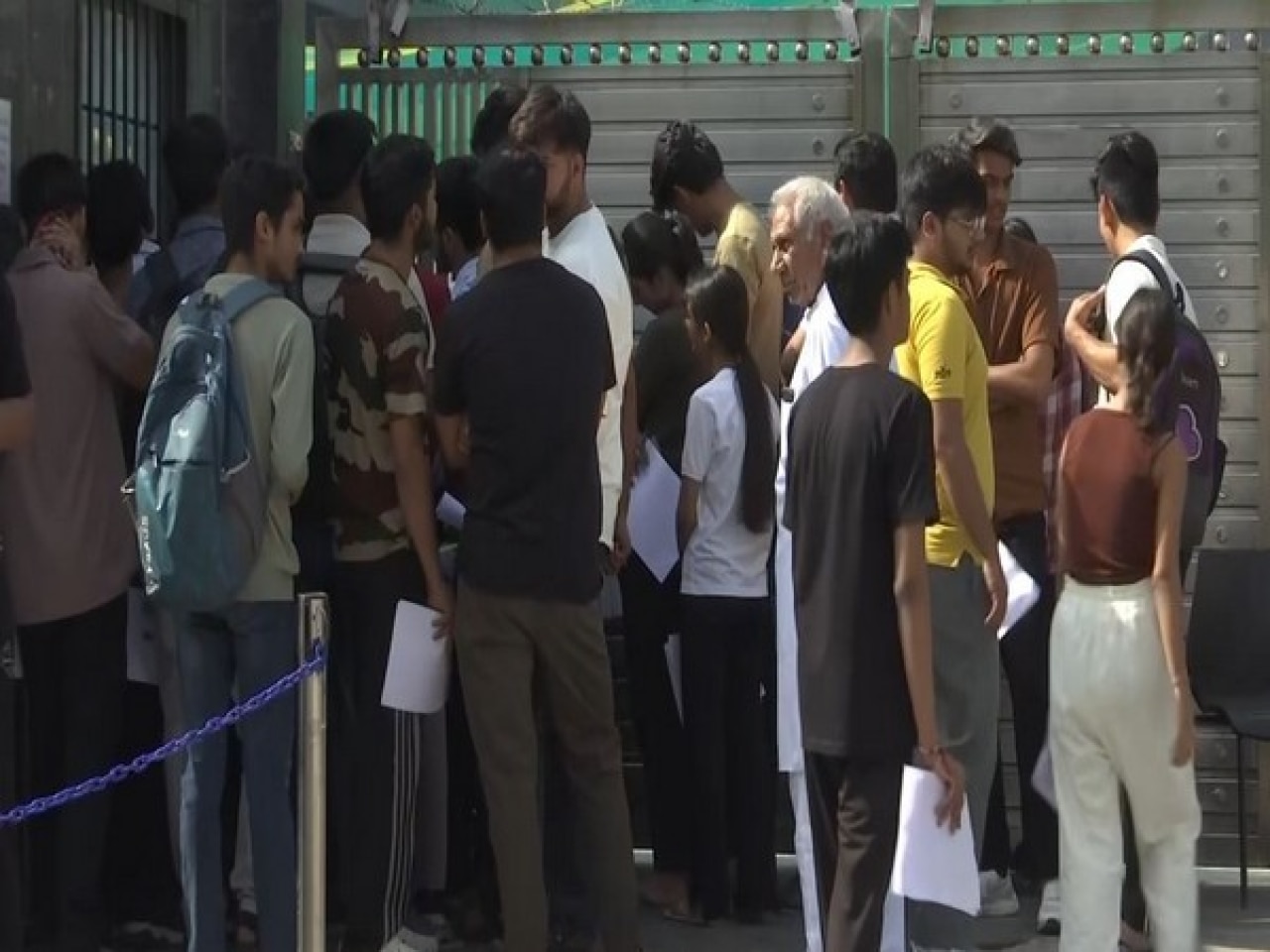
The NTA confirmed the widespread disruptions through a post on the social media platform X, acknowledging the "unfortunate technical disruption" and the distress it caused. The agency assured affected candidates, specifically those who had completed their biometric registration and were present at their examination centres in Shift-I on May 30th but could not finish the test, that they would be given another opportunity to appear for the examination. Details regarding the fresh examination dates are expected to be released shortly on the official CUET NTA website, cuet.nta.ac.in.
)
This latest incident adds to a growing list of controversies surrounding national-level examinations in India, drawing sharp criticism from opposition leaders who have accused the government of mishandling the education sector and jeopardizing the future of millions of students.

The Genesis of the Disruption: A Technical Catastrophe
The CUET-UG 2026, a gateway for undergraduate admissions to numerous central universities, was marred by technical failures on the morning of May 30th. The NTA, in its official communication, directly attributed the disruptions to a technical glitch reported by its service provider, Tata Consultancy Services (TCS). While the exact nature of the glitch has not been fully elaborated, it led to significant delays and ultimately prevented a substantial number of candidates from completing their examination.
)
Sources indicate that the issue impacted the smooth functioning of the examination process at multiple centres. The NTA has stated that TCS has been tasked with conducting a thorough root-cause analysis of the technical failure and submitting a comprehensive report. This investigation is crucial to understanding the extent of the problem and implementing measures to prevent similar occurrences in the future.
)
The Human Cost: Thousands Denied a Fair Chance
The immediate fallout of the technical glitch has been the disenfranchisement of a significant number of aspiring students. It is reported that around 3,765 candidates, who had meticulously prepared for the examination and were present at their designated centres, were unable to complete the test. These candidates had undergone the mandatory biometric registration, a process designed to ensure the integrity of the examination. Their inability to sit for the exam due to technical shortcomings represents a severe setback, potentially impacting their academic aspirations and future career paths.
)
The delay in the commencement of the key entrance exam, which was reportedly by an hour due to the technical issue, further compounded the anxiety and stress for all candidates present. The NTA’s decision to reschedule the exam for the affected individuals is a necessary step towards rectifying the situation, but the emotional and logistical toll on these students cannot be understated. Many may have travelled long distances to reach their examination centres, incurring additional costs and disruption to their schedules.
)
A Pattern of Examination Chaos: Opposition’s Scathing Critique
The CUET-UG 2026 technical glitch has become the latest flashpoint in a series of controversies that have plagued national-level examinations in recent months. Opposition leaders have seized upon these repeated failures to launch a sharp and vocal critique of Prime Minister Narendra Modi and his government, accusing them of a systemic failure in managing the country’s education system.
)
Rahul Gandhi, Lok Sabha Leader of Opposition (LoP), was among the most vocal critics. In a scathing post on X, he highlighted the recurring issues, stating, "NEET. CBSE. SSC. And today CUET. Four exams. One crore children. Not a single one conducted with honesty." He directly blamed Prime Minister Modi for the perceived collapse of the education system, asserting, "Modi ji has completely ruined the entire education system. The generation whose future you are destroying – that same generation will hold you accountable." Gandhi’s statement underscores a growing sentiment among a significant section of the populace that the government is failing to ensure fair and transparent examination processes for students.
)
Echoing similar sentiments, Arvind Kejriwal, the national convenor of the Aam Aadmi Party (AAP), took a swipe at the Prime Minister, suggesting a need for an "educated PM." In a post on X, he wrote, "The country needs an educated PM," while responding to a post by AAP leader Atishi that highlighted the difficulties faced by students at an exam centre in Varanasi, Uttar Pradesh. Kejriwal’s remark is a pointed criticism of the government’s perceived inability to effectively manage critical national examinations.
)
The opposition’s consistent focus on these examination failures suggests a strategic attempt to highlight governance deficiencies and connect with a demographic that is deeply concerned about the future of education and employment opportunities for the youth. The repeated incidents are being framed as symptomatic of a larger problem of administrative inefficiency and a lack of accountability within the current government.
)
NTA’s Response and the Road Ahead: Ensuring Fairness and Accountability
The NTA, as the nodal agency responsible for conducting these examinations, faces immense pressure to restore public trust. Its decision to conduct a re-examination for affected candidates is a crucial step in acknowledging the lapse and attempting to mitigate its impact. The agency’s communication on social media platforms signifies an effort to be more accessible and responsive to public concerns, a departure from past criticisms of opacity.
)
However, the NTA’s statement also points to the need for deeper systemic reforms. The reliance on a third-party service provider like TCS, while common in large-scale examinations, necessitates robust oversight and contingency planning. The "root-cause analysis" by TCS is a critical component of this process. The findings of this analysis are expected to shed light on:
)
- The specific nature of the technical glitch: Was it a software failure, a network issue, a server overload, or a combination of factors?
- The extent of the failure: Was it localized to specific centres or widespread across the country?
- The preparedness of TCS: Were adequate fail-safes and backup systems in place?
- The NTA’s own monitoring mechanisms: Were there any early warning signs that were missed?
The NTA’s commitment to providing details about the re-examination dates on its official website is a positive sign, emphasizing transparency in the process. However, the logistical challenges of conducting a re-examination for thousands of students, potentially across different locations, will need to be managed with utmost efficiency to avoid further inconvenience.
)
Broader Implications: Trust, Transparency, and the Future of Higher Education
The recurring controversies surrounding national-level examinations have significant implications beyond the immediate disruption for students. They erode public trust in the examination system, which is a cornerstone of merit-based admissions and career progression in India. For students and their families, these incidents create immense anxiety, uncertainty, and financial strain.
)
The political discourse surrounding these failures highlights a broader debate about governance, accountability, and the government’s commitment to ensuring equitable opportunities for all citizens. The opposition’s framing of these issues as a deliberate neglect of the youth’s future could resonate with a large segment of the electorate, particularly young voters who are directly impacted by these examination processes.
)
Moving forward, several key areas require immediate attention:
)
- Enhanced Oversight of Service Providers: The NTA needs to implement stricter contractual obligations and performance monitoring mechanisms for its service providers. This includes rigorous testing of systems, robust backup plans, and clear penalties for failures.
- Technological Robustness and Scalability: The infrastructure supporting national-level examinations must be designed to handle immense pressure and potential unforeseen technical challenges. Regular audits and upgrades are essential.
- Improved Communication and Grievance Redressal: Clear, timely, and transparent communication with candidates and stakeholders is paramount. A streamlined and effective grievance redressal mechanism should be in place to address issues promptly.
- Accountability Mechanisms: Beyond technical analysis, there needs to be a clear framework for accountability when such failures occur, ensuring that those responsible are held to account.
The CUET-UG 2026 technical glitch is more than just an isolated incident; it is a symptom of deeper systemic issues that need to be addressed comprehensively. The NTA and the government face the daunting task of not only rectifying the immediate situation but also rebuilding the confidence of millions of students and parents in the integrity and fairness of India’s examination system. The coming days and weeks will be crucial in determining how effectively these challenges are met and whether a lasting solution can be found to prevent such disruptions from derailing the aspirations of the nation’s youth.
