

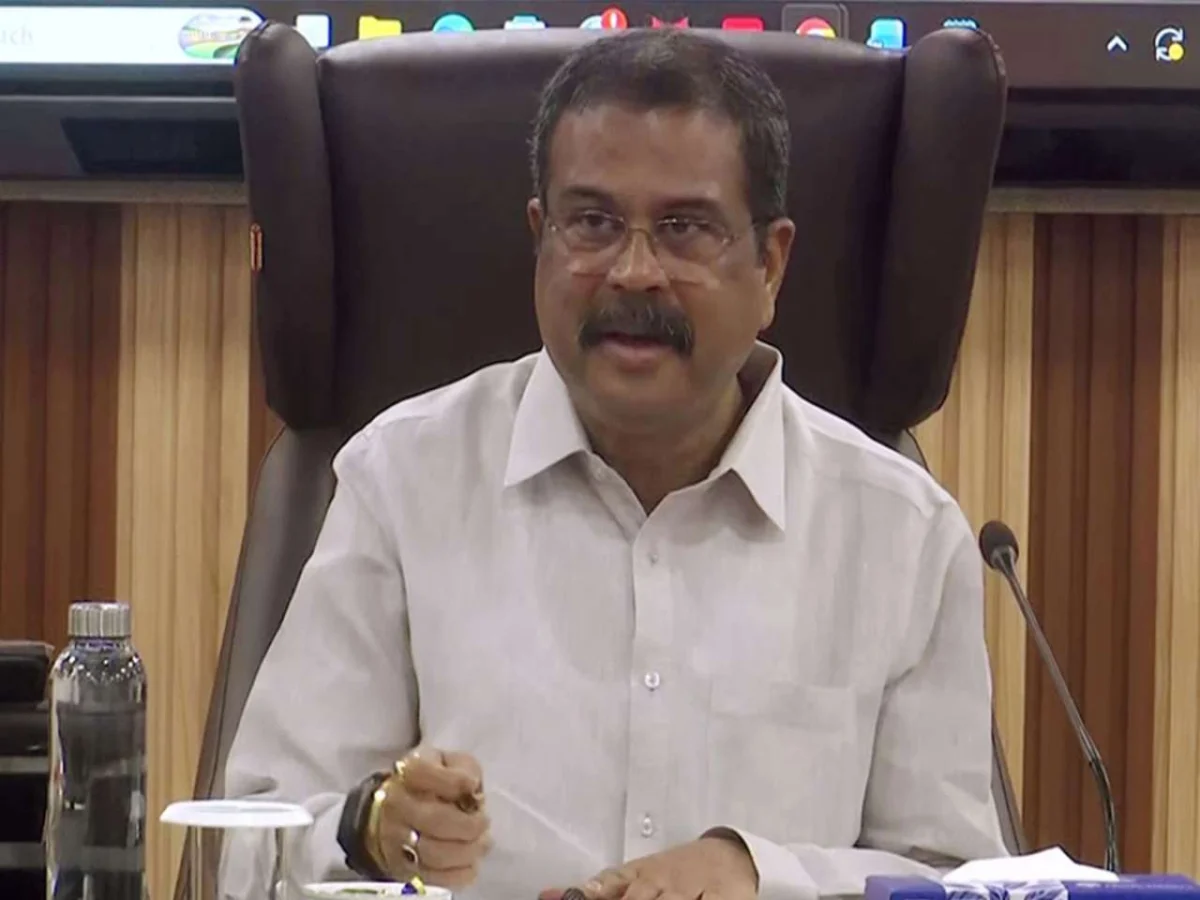
New Delhi: Union Education Minister Dharmendra Pradhan has launched a stringent investigation into the conduct of National Council of Educational Research and Training (NCERT) officials who failed to appear before the Delhi High Court to contest the blacklisting of a paper supplier. The minister’s directive signals a zero-tolerance approach towards administrative and legal oversights within the crucial educational body, emphasizing accountability in the textbook production and procurement process.
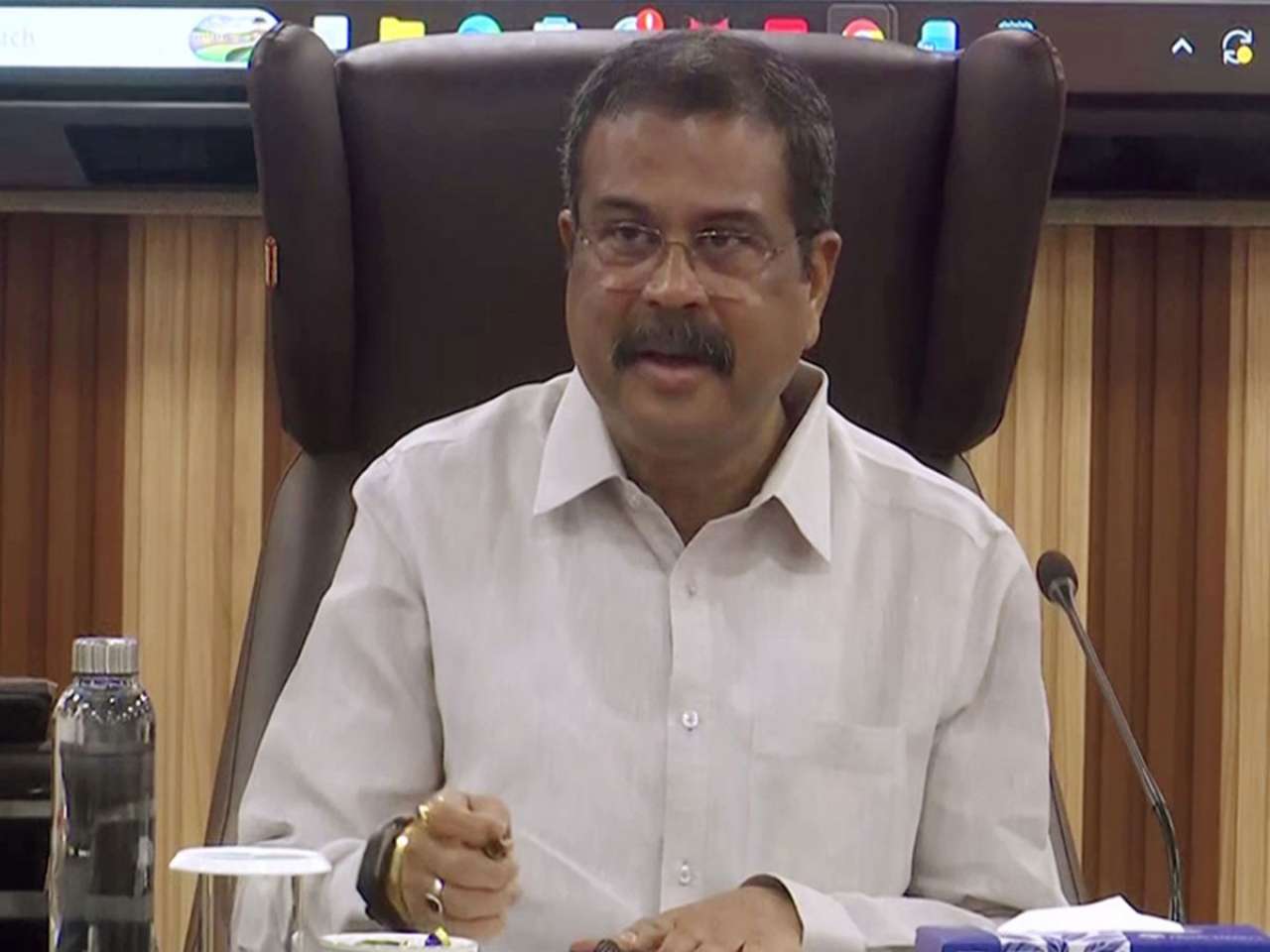
The controversy stems from NCERT’s decision to blacklist Bafna Global Venture Private Limited for two years, barring it from participating in future procurement processes. This decision, issued on June 22, was challenged by the firm in the Delhi High Court on June 24. However, the absence of any NCERT representatives during the scheduled court hearing proved to be a significant setback for the council, leading to immediate judicial intervention in favor of the supplier.
)
The Court’s Intervention and Protection for Bafna Global Venture
The Delhi High Court, upon observing the lack of representation from NCERT, granted interim protection to Bafna Global Venture Private Limited. The court ruled that the firm would be shielded from any "discretionary action" by NCERT until further orders were issued. Furthermore, the court imposed a restriction on NCERT’s ability to claim a bank guarantee of over Rs 6 crore, which had been furnished by the paper supplier. This judicial intervention underscores the seriousness with which the court viewed NCERT’s failure to present its case.

Ministry’s Mandate: A Multifaceted Investigation
In response to this significant lapse, the Ministry of Education has directed NCERT to undertake a comprehensive internal inquiry. The scope of this investigation is broad and aims to address several critical questions:
)
- Selection Irregularities: How was Bafna Global Venture Private Limited initially hired for the crucial supply of paper, particularly if the firm did not meet the stipulated eligibility criteria? This probe seeks to uncover any potential procedural flaws or deviations from established procurement norms during the initial selection process.
- Supply Chain Disruptions: Why did the company subsequently fail to adhere to the agreed-upon paper supply schedule? The investigation will delve into the reasons behind the delays and assess whether NCERT’s oversight mechanisms were adequate in monitoring the supplier’s performance.
- Legal Representation Failure: The most immediate concern for the ministry is how the council’s case went entirely unrepresented in the Delhi High Court. This aspect of the investigation will scrutinize the internal communication, delegation of responsibilities, and any administrative breakdowns that led to this critical absence.
Minister’s Stance: Upholding Accountability and Efficiency
Sources close to the Ministry of Education have revealed that Union Minister Dharmendra Pradhan expressed his deep dissatisfaction with NCERT’s inability to effectively defend its blacklisting decision in court. The minister’s directive for "strict action" against the responsible officials highlights his commitment to ensuring that educational institutions operate with the highest standards of administrative and legal rigor.
)
"The minister has ordered accountability for the officials to be fixed who failed to take the necessary legal steps, reinforcing a zero-tolerance approach towards administrative and legal lapses while ensuring greater accountability in textbook production and procurement," a source told the Press Trust of India (PTI). This statement emphasizes the minister’s intent to not only address the immediate issue but also to implement systemic changes that prevent similar occurrences in the future.
)
Chronology of Events: A Timeline of the Dispute
To understand the gravity of the situation, it is essential to trace the sequence of events that led to this ministerial intervention:
)
- June 22: NCERT issues an order blacklisting Bafna Global Venture Private Limited for two years, prohibiting its participation in future procurement processes.
- June 24: Bafna Global Venture Private Limited files a petition in the Delhi High Court challenging the blacklisting order.
- Court Hearing (Date unspecified, prior to June 24): During the scheduled hearing, no officials from NCERT appear to represent the council and defend its decision.
- Court Ruling (Following the hearing): The Delhi High Court grants interim protection to Bafna Global Venture, preventing discretionary action by NCERT, and restricts NCERT from demanding the Rs 6 crore bank guarantee.
- Subsequent Days: Union Education Minister Dharmendra Pradhan orders a thorough investigation into the conduct of NCERT officials and mandates strict action against those found responsible.
Supporting Data and Context: The Importance of Textbook Supply
The timely and efficient procurement of paper is a critical component of the textbook production cycle, directly impacting the availability of educational materials for students across the country. NCERT plays a pivotal role in developing curriculum and producing textbooks that are fundamental to the Indian education system. Any disruptions in this process can have far-reaching consequences.
)
The blacklisting of a paper supplier, while a measure to ensure quality and adherence to contractual obligations, must be a well-substantiated decision. When such decisions are challenged in court, a robust legal defense is paramount. The failure to provide this defense not only undermines the authority of the organization but also raises questions about the integrity of its decision-making processes.
)
Bafna Global Venture’s Defense: The Iran War Factor
During its defense in the Delhi High Court, Bafna Global Venture Private Limited presented its rationale for the delay in printing books. The company attributed the disruption to the unavailability of hydrogen peroxide, a crucial bleaching agent used in paper manufacturing. The firm claimed that this scarcity was a direct consequence of the ongoing war in Iran, which had impacted global supply chains. This explanation, if substantiated, could provide context for the supply chain issues, although it does not absolve NCERT of its responsibility to ensure proper contract management and legal representation.
)
Implications and Future Outlook
The Union Education Minister’s swift and decisive action sends a clear message about the government’s commitment to transparency, accountability, and efficiency within its educational bodies. The investigation into the NCERT officials’ conduct is likely to have several significant implications:
)
- Strengthened Oversight: The findings of the inquiry could lead to the implementation of more robust oversight mechanisms within NCERT to prevent similar administrative and legal blunders.
- Procedural Reforms: The investigation into the selection process might prompt a review and reform of NCERT’s procurement procedures to ensure greater adherence to eligibility criteria and prevent the hiring of unqualified suppliers.
- Legal Preparedness: The incident will likely highlight the need for enhanced legal preparedness within NCERT, ensuring that legal teams are adequately resourced and that there is a clear protocol for court appearances and representation.
- Accountability: Officials found to be negligent or derelict in their duties are likely to face disciplinary action, reinforcing the principle of accountability within the public sector.
The case is currently listed for further hearing in the Delhi High Court on July 20. The outcome of this hearing, coupled with the findings of the internal investigation, will shape the future course of action for NCERT and underscore the importance of diligent governance in the nation’s educational framework. This episode serves as a stark reminder that even in the crucial domain of education, administrative and legal rectitude are non-negotiable.
