

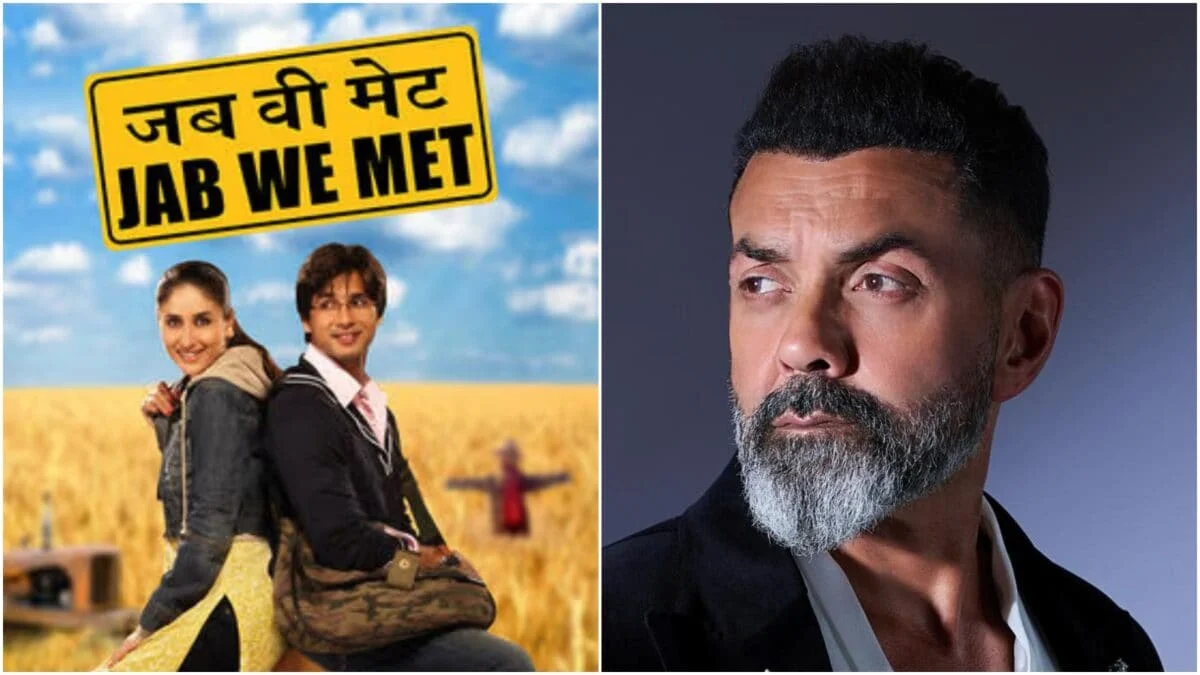
Mumbai, India – May 31, 2026 – In a candid reflection on a pivotal moment in his career, acclaimed Bollywood actor Bobby Deol has opened up about the profound disappointment of being replaced in the critically and commercially successful 2009 romantic comedy, "Jab We Met." Deol, who was instrumental in bringing director Imtiaz Ali and lead actress Kareena Kapoor Khan onto the project, described the experience as a significant heartbreak. However, he emphasized that this setback, far from derailing his career, served as a powerful catalyst for personal and professional evolution, ultimately forging him into a more resilient individual and a more refined actor.
Speaking on the popular television show "Aap Ki Adalat," Deol recounted the circumstances surrounding his departure from the film. "That story is done now. We’re friends. My heart got broken because I needed a film like this during that phase of my career," he stated, his voice tinged with the memory of that difficult period. The actor revealed that he had been deeply impressed by Imtiaz Ali’s directorial debut, "Socha Na Tha," which featured his cousin, Abhay Deol. This admiration sparked a strong desire to collaborate with Ali, leading Deol to actively champion the project and secure both the director and the leading lady.
The Genesis of "Jab We Met" and Bobby Deol’s Early Involvement
The narrative of "Jab We Met" begins not with its eventual stars, but with Bobby Deol’s vision. Deol recounted his initial enthusiasm for a collaboration with Imtiaz Ali, recognizing the director’s unique storytelling prowess early on. "That’s when we first decided we’d make a film together," Deol explained. His proactive approach involved pitching the concept to a production house, with the intention of bringing Ali and Kareena Kapoor Khan, whom he had also secured for the project, together.
However, the path to production proved to be arduous. Deol elaborated on the challenges, stating, "But when your market position isn’t good, nobody backs you. So much time passed trying to get the film started." He further revealed that the production house he approached deemed Imtiaz Ali an "expensive director," a perception that ultimately led to the project stalling. The irony, and the source of Deol’s subsequent heartbreak, was that the very same production house eventually greenlit the film with Ali and Kapoor Khan, albeit with a different leading man.
The Sting of Replacement: A Personal and Professional Blow
The decision to replace Deol in "Jab We Met" was a significant blow, particularly given his instrumental role in initiating the project. He candidly admitted to feeling "heartbroken," a sentiment that underscored the personal investment he had in the film. The romantic comedy, which went on to become a landmark in Bollywood cinema, was a project Deol felt could have been a turning point in his career during a period of professional flux. The fact that a film he had helped shape, with a director and co-star he had championed, would proceed without him was a difficult pill to swallow.
"These things do happen. It never happens that only good things happen to someone," Deol remarked philosophically, acknowledging the inherent uncertainties and unpredictability of the film industry. This statement, while seemingly simple, encapsulates a profound understanding of the professional landscape, where opportunities can be both fleeting and subject to external factors beyond an individual’s control.
Transforming Hurt into Strength: A Catalyst for Growth
Despite the initial pain and disappointment, Bobby Deol did not allow the experience to fester into bitterness. Instead, he consciously chose to harness the emotions of hurt and anger as fuel for his personal and artistic development. This transformative approach is a testament to his inner strength and his commitment to self-improvement.
"When I began working on myself, I decided the hurt and anger I’ve gone through should become my strength," Deol revealed. "Because you can’t just keep crying about it." This proactive decision marked a turning point, allowing him to reframe the setback not as a failure, but as a valuable learning experience. He elaborated, "These things made me a better person and a better actor. I’ve only learnt from them. I don’t have any qualms with anyone."
This mindset shift allowed Deol to move beyond any potential resentments. He views the "Jab We Met" episode not as a scar, but as an integral part of his journey, a lesson that contributed to his maturity and enhanced his craft. This perspective demonstrates a remarkable level of emotional intelligence and a dedication to continuous growth, qualities that are essential for sustained success in any demanding profession.
The Long Arc of a Career: Resilience and Evolution
Bobby Deol’s career has been marked by distinct phases, from his early days as a romantic lead to his recent resurgence in more intense and character-driven roles. The experience with "Jab We Met," while painful at the time, undeniably contributed to the resilience and depth he now brings to his performances.
The actor’s willingness to openly discuss such a sensitive topic also speaks volumes about his current standing and comfort level within the industry. By revisiting this past event with a perspective of gratitude for the lessons learned, Deol not only offers valuable insights to aspiring actors but also reinforces his own narrative of perseverance and growth.
His journey, as articulated through this reflection, underscores a crucial aspect of navigating the complexities of the entertainment world: the ability to adapt, to learn from adversity, and to channel even negative experiences into positive outcomes. The story of Bobby Deol and "Jab We Met" serves as a powerful reminder that setbacks can often pave the way for greater triumphs, both personally and professionally.
Broader Implications for the Film Industry
The candid revelation by Bobby Deol offers a glimpse into the often-unseen emotional toll that career-related disappointments can take on actors. While the glamour of Bollywood is frequently highlighted, the reality of the industry involves intense competition, shifting dynamics, and the ever-present possibility of roles slipping away.
Deol’s mature response provides a valuable counterpoint to the often-sensationalized narratives surrounding casting changes. His emphasis on personal growth and learning rather than dwelling on grievances offers a more constructive and inspiring perspective. It suggests that a resilient mindset and a focus on self-development are as crucial to a lasting career as talent and opportunity.
Furthermore, Deol’s narrative implicitly highlights the importance of mentorship and support systems within the industry. His initial efforts to bring talent together, though not resulting in his own participation in the final film, demonstrate a collaborative spirit. His subsequent ability to process the disappointment and emerge stronger showcases an internal fortitude that is admirable.
As Bobby Deol continues to captivate audiences with his performances, his reflection on "Jab We Met" adds another layer to his evolving public persona. It positions him not just as a talented actor, but as an individual who has navigated the challenges of his profession with grace, wisdom, and an unwavering commitment to becoming a better artist and a better person. His story is a compelling testament to the power of resilience and the transformative potential of turning heartbreak into a source of enduring strength.
