

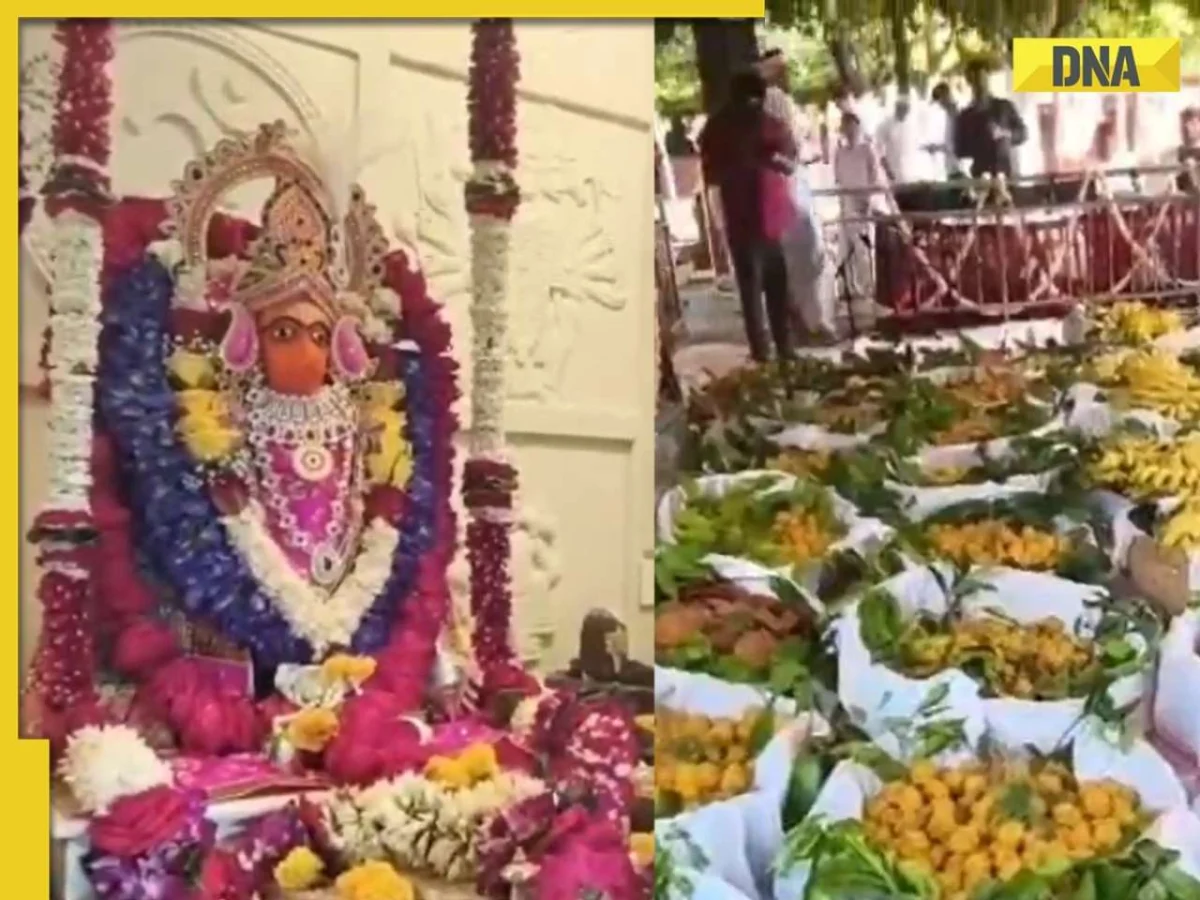
Bhind/Guna, Madhya Pradesh – April 2, 2026 – A wave of profound spiritual fervor swept across Madhya Pradesh on Thursday, as devotees in their millions participated in the grand celebrations of Hanuman Jayanti, also known as Hanuman Janmotsav. The state bore witness to an extraordinary display of devotion, marked by massive congregations at revered temples and an unprecedented collective recitation of the Hanuman Chalisa, reaching a staggering figure of over 1.25 crore times. The festivities, deeply rooted in faith and tradition, underscored the enduring significance of Lord Hanuman in the hearts of the people.
This year’s Hanuman Jayanti in Madhya Pradesh was not merely a religious observance but a testament to the vibrant spiritual landscape of the region. From the historic Rawatpura Devasthanam in Lahar, Bhind, to the ancient Shri Hanuman Tekri temple in Guna, devotees flocked in unprecedented numbers, seeking blessings and immersing themselves in the divine aura. The scale of participation, coupled with meticulously organized rituals and community offerings, painted a vivid picture of collective faith and spiritual unity.
The Unprecedented Collective Recitation: A Symphony of Devotion
The most striking aspect of this year’s Hanuman Jayanti celebrations was the monumental collective recitation of the Hanuman Chalisa. As part of the elaborate rituals, devotees across Madhya Pradesh, and likely beyond, united in a spiritual chorus, reciting the sacred verses over 1.25 crore times. This remarkable feat, achieved through coordinated efforts and widespread participation from homes and various gathering points, signifies a deep-seated devotion and a powerful expression of shared faith.
The sheer volume of recitations speaks volumes about the spiritual energy generated. It is believed that the collective chanting of the Hanuman Chalisa, a hymn dedicated to Lord Hanuman’s strength, devotion, and courage, holds immense spiritual potency. The organized effort to achieve such a high number suggests a well-coordinated initiative, likely facilitated by temple authorities and community leaders, encouraging individuals to participate and contribute to the collective spiritual endeavor. This widespread engagement, transcending geographical boundaries within the state, highlights the unifying power of religious devotion.
)
A Day of Sacred Rituals and Abundant Offerings
The celebrations at prominent temples commenced in the pre-dawn hours, steeped in ancient traditions. At Rawatpura Devasthanam and Shri Hanuman Tekri, the day began with the sacred Mahabhishek, a grand ritualistic bath for the idol of Lord Hanuman, starting as early as 4 am. This auspicious commencement set the tone for a day filled with elaborate ceremonies and heartfelt prayers.
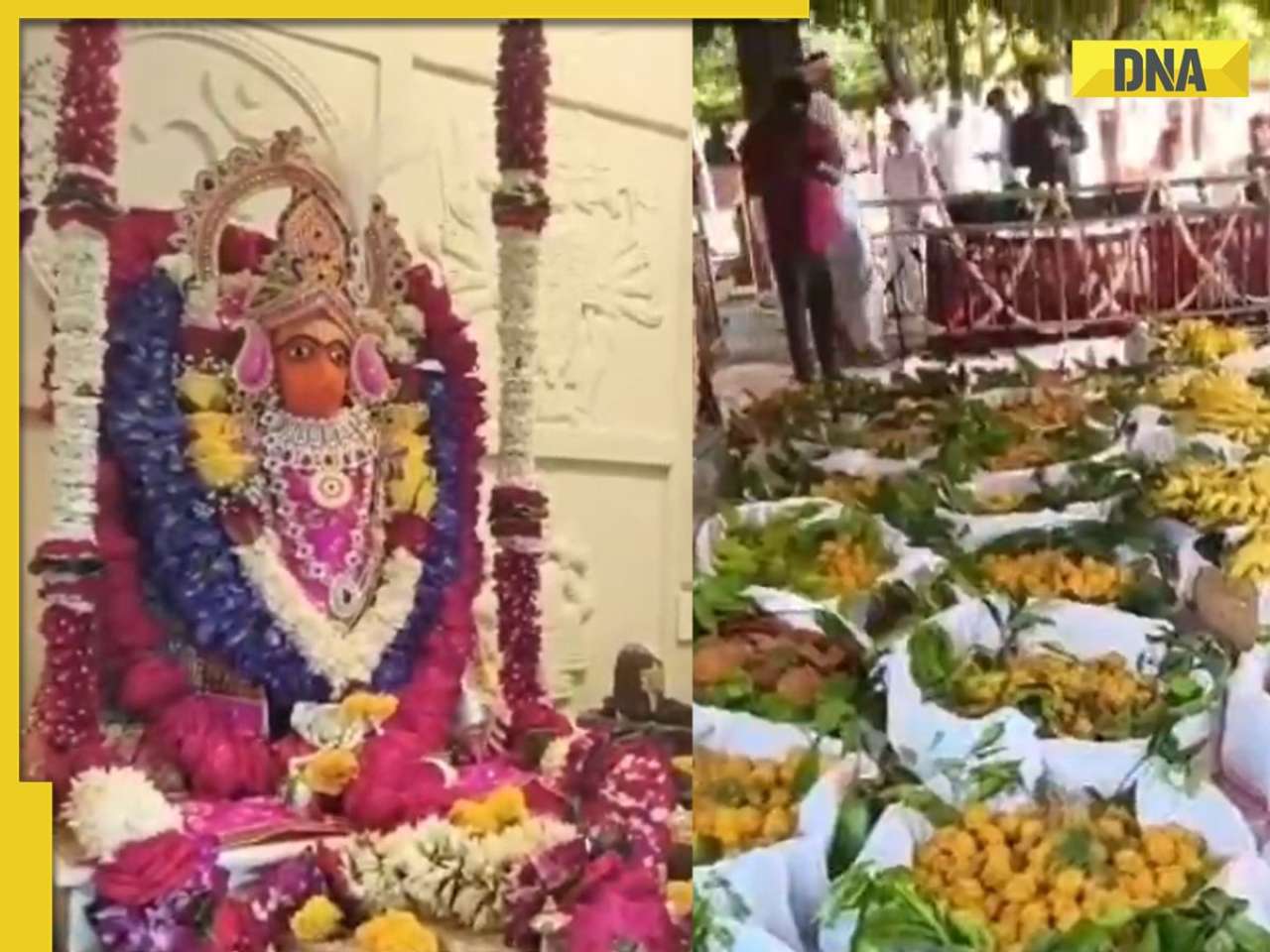
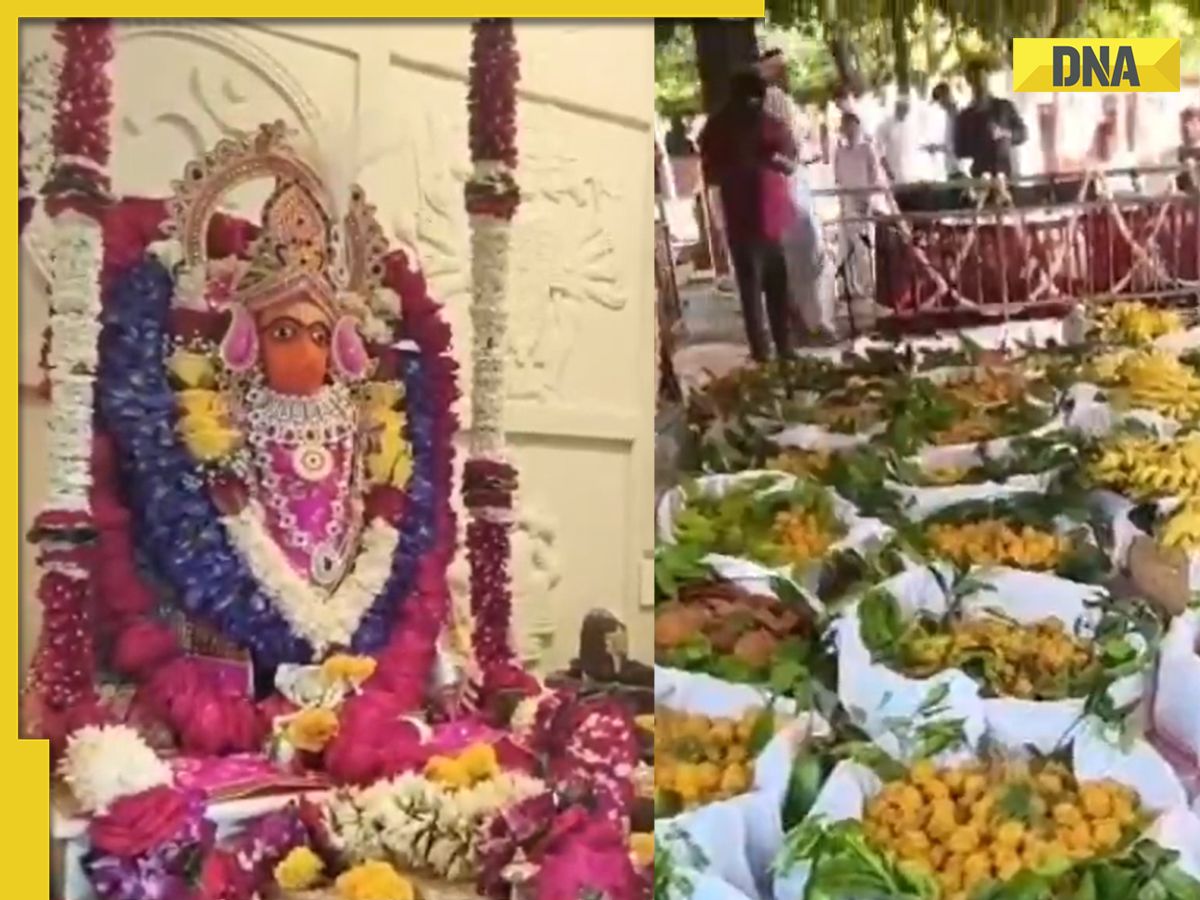
Following the Mahabhishek, a special Mahaarati was conducted, filling the air with divine chants and the aroma of incense. A significant ritual, Shri Hanumat Lakshyarchan, was performed at 8:30 am. This intricate ceremony involved offerings of one lakh bananas, numerous fruits, and a plethora of flowers, symbolizing abundance and gratitude. The meticulous execution of these rituals underscores the deep reverence and respect accorded to Lord Hanuman.

The Generosity of Prasad: A Feast of Faith
A remarkable aspect of the celebrations was the immense quantity of prasad (consecrated food offering) prepared and distributed. A staggering 1.25 lakh laddoos were made as an offering to Lord Hanuman and subsequently distributed among the devotees. This act of sharing the blessed food reinforces the community spirit and allows devotees to partake in the divine grace.
In the afternoon, the recitation of Shri Sundarkand, a chapter from the epic Ramayana that narrates the exploits of Lord Hanuman, further deepened the spiritual atmosphere. As evening descended, at 7 pm, a special ritual known as Maa Rajrajeshwari Dwadash Lakshyarchan was performed, involving 12 lakh offerings. This grand culmination of rituals was followed by a Bhandara, a community feast, where thousands of devotees shared a meal, further solidifying the bonds of faith and fellowship.
)
Rawatpura Devasthanam: A Hub of Devotion
The Rawatpura Devasthanam in Lahar, Bhind, emerged as a focal point of Hanuman Jayanti celebrations in Madhya Pradesh. This ancient temple, believed to date back to the Mahabharata period, witnessed an overwhelming influx of devotees eager to pay homage to Lord Hanuman. The temple’s historical significance and its reputation as a powerful center of spiritual energy drew pilgrims from far and wide.
The grand celebrations hosted at Rawatpura Devasthanam were a testament to the meticulous planning and execution by the temple authorities. The collective recitation of the Hanuman Chalisa, a significant part of the nationwide observance, found a powerful echo within the temple’s hallowed precincts. The sheer number of devotees participating in the rituals and offerings highlighted the temple’s paramount importance in the spiritual lives of the people.
)
A Glimpse into the Mahabharata Era
The historical depth of Rawatpura Devasthanam adds another layer of reverence to the celebrations. Believed to have origins tracing back to the Mahabharata period, the temple stands as a living link to ancient Indian history and mythology. This connection to a pivotal era in Indian epics imbues the site with a unique aura, attracting not only devotees but also those interested in history and cultural heritage. The continued patronage and the grand scale of celebrations year after year at such ancient sites underscore their enduring significance in preserving and propagating religious traditions.
Shri Hanuman Tekri: Echoes of Penance and Pilgrimage
Located approximately 5 kilometers from the Guna headquarters, the Shri Hanuman Tekri temple also experienced a monumental surge in devotee numbers for Hanuman Jayanti. This historic temple, with an estimated age of over 1,200 years, is home to an ancient, south-facing idol of Lord Hanuman, radiating an aura of immense spiritual power.
)
The significance of Shri Hanuman Tekri extends beyond its antiquity. It is highly revered as a sacred site where numerous saints and ascetics are believed to have performed penance and meditation. Legend has it that Kará¹¥a, the elder brother of the Pandavas, also undertook rigorous penance at this very spot, adding a layer of epic significance to its spiritual heritage.
For Hanuman Jayanti, Shri Hanuman Tekri was adorned with vibrant decorations of flowers and lights, creating a visually stunning and spiritually charged atmosphere. The Mahaarati at 5 am marked the commencement of the day’s devotional activities, drawing thousands of devotees who had traveled from across the region. The celebrations at Shri Hanuman Tekri are also associated with a three-day fair, meticulously organized by the district administration and the temple trust, further enhancing the festive and communal spirit of the occasion.
)
Official Responses and Community Engagement
While the news report focuses on the devotees’ participation, the scale of the Hanuman Jayanti celebrations in Madhya Pradesh invariably involves the active engagement of local administrations and temple trusts. The smooth conduct of such massive gatherings, the organization of the Bhandara, and the management of the accompanying fairs would have necessitated significant coordination.
The district administrations of Bhind and Guna, along with the respective temple trusts of Rawatpura Devasthanam and Shri Hanuman Tekri, would have played a crucial role in ensuring the safety and well-being of the devotees. This includes managing traffic, ensuring adequate security, providing sanitation facilities, and coordinating with various service providers to facilitate the smooth flow of the celebrations. The success of such large-scale religious events is often a reflection of the collaborative efforts between religious institutions and governmental bodies, fostering a harmonious blend of spiritual observance and civic responsibility.
)
The mention of a three-day fair at Shri Hanuman Tekri further highlights the administrative involvement, which would typically include the regulation of vendors, entertainment, and other aspects to ensure a well-managed and enjoyable experience for all attendees. Such fairs often serve as economic opportunities for local communities and contribute to the vibrancy of the regional cultural landscape.
Implications: A Testament to Enduring Faith and Cultural Heritage
The grand celebrations of Hanuman Jayanti across Madhya Pradesh, particularly the unprecedented collective recitation of the Hanuman Chalisa and the massive turnout at revered temples, carry several significant implications.
)
Firstly, they underscore the deep-rooted and enduring faith that Lord Hanuman commands among the populace. The willingness of millions to participate in such a large-scale devotional act highlights the spiritual significance of the deity in their lives, serving as a source of strength, courage, and solace.
Secondly, these celebrations are a powerful testament to the rich cultural heritage of Madhya Pradesh. The historical significance of temples like Rawatpura Devasthanam and Shri Hanuman Tekri, with their links to ancient epics and centuries of spiritual practice, reinforces the state’s identity as a custodian of India’s spiritual and cultural legacy.
)
Thirdly, the scale of the event points towards the unifying power of religious festivals. In a diverse nation like India, such observances serve as crucial platforms for fostering community cohesion and a sense of shared identity. The collective participation in rituals and the sharing of prasad strengthen social bonds and promote a spirit of togetherness.
Finally, the meticulous organization and successful execution of these grand celebrations reflect the active role of both religious institutions and governmental bodies in preserving and promoting cultural traditions. The collaborative efforts ensure that these significant events are not only religiously fulfilling but also safe, accessible, and well-managed for all participants. As the echoes of devotional chants fade, the spirit of Hanuman Jayanti in Madhya Pradesh leaves behind a powerful imprint of faith, tradition, and community, promising to inspire and unite for years to come.
