

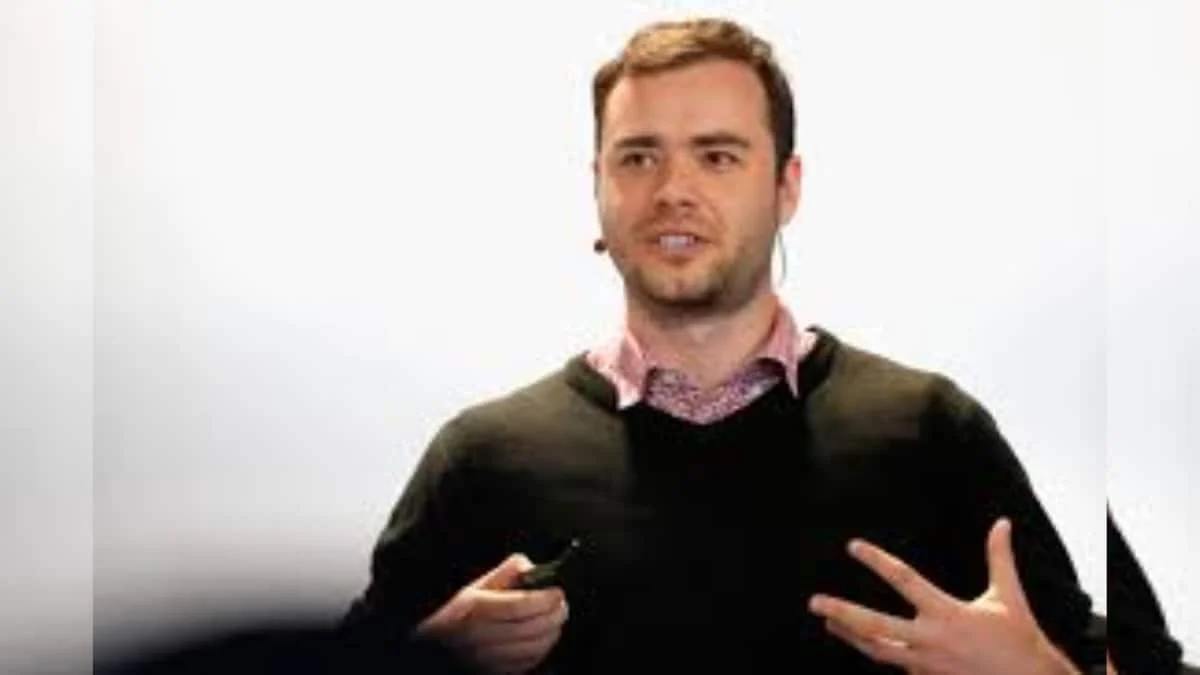
UNITED STATES OF AMERICA – May 19, 2026 – In a seismic development reverberating across the fiercely competitive artificial intelligence landscape, Andrej Karpathy, a revered figure recognized for his foundational contributions to OpenAI and his pivotal role in leading Tesla’s AI and Autopilot vision, has officially joined Anthropic. The company, celebrated for its Claude family of AI models, announced Karpathy’s appointment to its pretraining team, a strategic move that underscores the escalating battle for elite talent among the world’s leading AI laboratories.
Karpathy’s arrival at Anthropic is not merely another high-profile hire; it represents a significant strategic coup for the San Francisco-based firm. His unparalleled expertise in large-scale model training, deep learning research, and practical application of AI in complex systems is expected to profoundly influence the development trajectory of Anthropic’s flagship AI systems. The announcement, initially shared by Karpathy himself on X (formerly Twitter), signals his return to the front lines of cutting-edge research and development at a critical juncture for large language models (LLMs).
“Personal update: I’ve joined Anthropic. I think the next few years at the frontier of LLMs will be especially formative,” Karpathy stated in his post, a sentiment that immediately ignited discussions across the AI community about the potential implications for Anthropic and the broader industry. His decision to join a company often positioned as a direct rival to his former employer, OpenAI, further amplifies the intensity of the ongoing innovation race.
Karpathy’s Illustrious Career: A Chronology of AI Leadership
Andrej Karpathy’s journey through the annals of modern artificial intelligence has been marked by a consistent presence at the vanguard of innovation, bridging academic rigor with groundbreaking industrial application. His career trajectory provides a comprehensive overview of the rapid evolution of deep learning and its practical deployment.
Academic Foundations and Early Deep Learning Contributions
Karpathy’s intellectual roots in AI were firmly planted during his doctoral studies at Stanford University, where he earned his Ph.D. under the guidance of Professor Fei-Fei Li, a pioneer in computer vision. His research focused on convolutional neural networks (CNNs) and their applications in visual recognition, particularly in understanding the interplay between language and images. This period was crucial in shaping his deep understanding of neural network architectures and their potential. His early work, including influential contributions to image captioning and neural network visualization, laid critical groundwork for future advancements in multimodal AI. He was also instrumental in popularizing deep learning concepts through accessible tutorials, demonstrating an early aptitude for education alongside research.
Co-founding OpenAI: Shaping a New Frontier
In 2015, Karpathy became a founding member of OpenAI, a non-profit research company established with the ambitious goal of ensuring that artificial general intelligence (AGI) benefits all of humanity. As one of the earliest researchers at the nascent organization, he contributed significantly to its foundational efforts in deep learning. His tenure at OpenAI saw him working on various projects that explored the capabilities of large neural networks, contributing to the intellectual bedrock upon which the company’s later successes, including GPT models, would be built. His insights helped define the early research agenda and fostered a culture of ambitious, open-ended exploration into AI’s potential. This period was formative not just for Karpathy but for the broader AI research community, as OpenAI quickly established itself as a hub of innovation.
Revolutionizing Automotive AI at Tesla
Following his impactful tenure at OpenAI, Karpathy transitioned to Tesla in 2017, taking on the role of Director of AI. This move marked a significant shift from pure research to the demanding world of real-world AI deployment. At Tesla, he was tasked with leading the computer vision team responsible for the company’s Autopilot and Full Self-Driving (FSD) systems. His mission was to transform raw camera sensor data into a robust, high-fidelity understanding of the driving environment, a challenge that required pushing the boundaries of deep learning at an unprecedented scale.
Under Karpathy’s leadership, Tesla moved away from traditional rule-based systems and embraced an end-to-end neural network approach for perception. He oversaw the development of sophisticated neural networks capable of processing vast amounts of video data from Tesla vehicles, identifying objects, predicting their movements, and building a detailed "vector space" representation of the world around the car. This required innovative approaches to data labeling, model training, and continuous improvement loops, involving millions of miles of driving data. His work at Tesla was instrumental in advancing the state-of-the-art in perception systems for autonomous driving, demonstrating the immense power of deep learning when applied to real-world, safety-critical applications. His departure from Tesla in 2022 concluded a highly impactful five-year period that solidified his reputation as a leader capable of translating complex AI research into tangible, scalable products.
The Educator and Innovator: Eureka Labs and Beyond
After leaving Tesla, Karpathy embarked on a period dedicated to education and independent research, further cementing his status as one of AI’s most influential public intellectuals. He became widely recognized for his highly technical yet accessible explainers and educational content on deep learning, machine learning, and neural networks. His YouTube channel and blog posts, often featuring hands-on coding tutorials (such as the popular "makemore" series), demystified complex AI concepts for a global audience of aspiring researchers and practitioners. He demonstrated an exceptional ability to break down intricate topics, from building neural networks from scratch to understanding the nuances of LLM architectures, making cutting-edge AI knowledge available to a broader community.
In 2024, he launched Eureka Labs, an AI-focused education platform. Eureka Labs was envisioned as a nexus for combining human learning with advanced artificial intelligence tools, aiming to accelerate the acquisition of AI skills and knowledge. This venture highlighted his commitment not only to pushing the boundaries of AI but also to democratizing access to the understanding and creation of these powerful technologies. His independent work during this period underscored his passion for fostering the next generation of AI talent and exploring new paradigms for AI-assisted learning.
The Lure of Anthropic: A Return to Foundational Research
Karpathy’s decision to join Anthropic signifies a deliberate return to a dedicated research environment focused on foundational LLM development. His prior experience at OpenAI, coupled with his hands-on leadership at Tesla in deploying large-scale AI, makes him uniquely qualified for the challenges of Anthropic’s pretraining team. The rapid advancements in LLMs likely presented an irresistible draw for a mind dedicated to understanding and shaping the future of AI. This move suggests a desire to directly contribute to the core architectures and training methodologies that define the capabilities of the next generation of AI systems.
Anthropic’s Strategic Coup: Bolstering Foundational Research
Andrej Karpathy’s recruitment represents a significant strategic victory for Anthropic, a company that has rapidly ascended to become a formidable competitor in the AI arena. His addition to the pretraining team is poised to bolster Anthropic’s foundational research capabilities, directly impacting the development of its flagship Claude AI models.
The Rise of a Challenger: Anthropic’s Distinct Approach
Founded in 2021 by former OpenAI researchers, including Dario Amodei and Daniela Amodei, Anthropic quickly differentiated itself with a strong emphasis on AI safety and alignment. The company’s core philosophy revolves around developing "Constitutional AI," a methodology designed to align AI systems with human values and reduce harmful outputs through a set of guiding principles rather than extensive human feedback. This principled approach to AI development has resonated with many in the research community and has attracted significant investment, positioning Anthropic as a major alternative to OpenAI, particularly after the latter’s commercialization push with ChatGPT.
Anthropic’s Claude models have consistently demonstrated impressive performance, often rivaling and, in some benchmarks, surpassing competitors in areas such as reasoning, complex instruction following, and reduced propensity for harmful content. The company’s rapid growth and success are largely attributable to its focus on fundamental research and its ability to attract top-tier scientific and engineering talent.
The Critical Role of the Pretraining Team
Karpathy will be joining Anthropic’s pretraining team, a division that sits at the very heart of the company’s AI development efforts. Led by Nick Joseph, the pretraining team is responsible for the arduous and computationally intensive process of training Anthropic’s large language models from scratch. This involves designing the neural network architectures, curating massive datasets, optimizing training algorithms, and managing the colossal computing infrastructure required to imbue AI models with vast knowledge and sophisticated capabilities.
The pretraining phase is where the fundamental "intelligence" of an LLM is forged. It determines the model’s understanding of language, its ability to reason, summarize, generate creative content, and perform complex tasks. Karpathy’s extensive experience in optimizing large-scale deep learning systems, honed during his time at Tesla, makes him an invaluable asset to this team. His deep understanding of neural network dynamics, data efficiency, and computational optimization will be crucial in pushing the boundaries of what Claude models can achieve in terms of efficiency, scalability, and emergent capabilities.
A Pattern of Talent Acquisition
Karpathy’s recruitment is not an isolated incident but rather fits into a broader pattern of Anthropic strategically attracting elite talent, often from its primary competitors. The company has successfully lured several prominent figures from OpenAI in recent years, including co-founder John Schulman, who also plays a critical role in its research efforts. This consistent ability to draw top researchers highlights Anthropic’s compelling mission, its commitment to a research-first culture, and its competitive offerings in a tight talent market. Such acquisitions signify a deliberate strategy to build a powerhouse research team capable of challenging the established leaders and accelerating AI safety and capabilities simultaneously.
The Intensifying AI Talent War: Beyond Funding and Compute
The acquisition of Andrej Karpathy by Anthropic is a stark reminder that in the burgeoning field of artificial intelligence, the race for human capital is as fierce, if not more so, than the competition for funding and computing power. The "AI talent war" has become a defining characteristic of the industry, with companies vying for a limited pool of highly specialized experts.
The Scarcity of Elite Researchers and Engineers
The pool of individuals possessing Karpathy’s unique blend of deep theoretical knowledge, practical engineering leadership, and a proven track record of impactful innovation is exceptionally small. These aren’t just skilled engineers; they are visionaries who can conceptualize, build, and deploy AI systems that push the boundaries of what’s possible. Their ability to navigate the complexities of model architecture, data curation, training optimization, and ethical considerations makes them incredibly valuable. The demand for such talent far outstrips the supply, leading to unprecedented competition and compensation packages.
Factors Driving the Talent Migration
Several factors fuel this intense competition for AI talent:
- Mission Alignment: Top researchers are often driven by a company’s mission and values. Anthropic’s explicit focus on safety and constitutional AI, for instance, might appeal to researchers concerned about the ethical implications of powerful AI.
- Research Freedom and Impact: The opportunity to work on cutting-edge problems, publish research, and have a direct impact on the direction of AI development is a powerful draw. Companies that offer a strong research culture and autonomy often win out.
- Resources: Access to vast computing resources, state-of-the-art infrastructure, and substantial datasets is essential for foundational AI research. Companies like Anthropic, backed by major investors, can provide this.
- Compensation: While often not the sole motivator, highly competitive salaries, equity, and benefits packages play a significant role in attracting and retaining top-tier talent.
- Team and Culture: The opportunity to collaborate with other brilliant minds in a stimulating and supportive environment is also a key factor. Karpathy’s move to join a team led by Nick Joseph and featuring other luminaries likely played a role.
- Pace of Innovation: The rapid evolution of AI, particularly in LLMs, means that researchers want to be at companies that are actively shaping the future, not just observing it.
Competitive Landscape: A Battle of Giants
The landscape of AI innovation is dominated by a handful of well-funded giants, each aggressively pursuing top talent:
- OpenAI: Still a magnet for talent due to its pioneering work in LLMs and its ambitious AGI goals.
- Anthropic: A rapidly rising star, leveraging its safety-first approach and strong research culture to attract talent.
- Google DeepMind/Google AI: With immense resources and a long history of AI research, Google remains a dominant force.
- Meta AI (FAIR): Focusing on open-source AI and foundational research, Meta also attracts significant talent.
- Microsoft AI: Leveraging its extensive cloud infrastructure and partnerships, Microsoft is also heavily invested in AI talent.
The movement of figures like Karpathy between these organizations is not just about individual career choices; it’s about the strategic repositioning of intellectual capital, which can fundamentally alter the competitive balance and accelerate or decelerate specific research trajectories within the industry.
Official Responses and Expert Commentary
While official statements from Anthropic regarding Karpathy’s appointment have been reserved, his own public announcement on X provided crucial insight into his motivation and perspective.
Karpathy’s Vision for "Formative Years"
Andrej Karpathy’s tweet, “Personal update: I’ve joined Anthropic. I think the next few years at the frontier of LLMs will be especially formative,” speaks volumes. His emphasis on the "formative" nature of the upcoming period for LLMs suggests a belief that the industry is on the cusp of significant breakthroughs, potentially leading to new paradigms in AI capabilities and applications. For a researcher of his caliber, this implies a desire to be at the epicenter of these developments, actively shaping the foundational models that will define this era. It also hints at a renewed passion for fundamental research, a return to the direct experimentation and innovation that characterized his early career.
Inferred Anthropic Perspective
While Anthropic has not issued a direct press statement beyond the initial internal announcement, the company is undoubtedly thrilled with the acquisition. Industry observers suggest that Anthropic will leverage Karpathy’s deep expertise in large-scale model training and his practical understanding of deploying complex AI systems to enhance the efficiency, robustness, and capabilities of its Claude models. His experience at Tesla, specifically in optimizing computer vision systems at scale, is particularly relevant to the computational challenges of pretraining massive LLMs. Anthropic’s leadership is likely viewing this as a significant validation of their research-first approach and a powerful signal of their growing influence in attracting the best minds in AI.
Industry Analyst Views
AI industry analysts have been quick to weigh in on the significance of Karpathy’s move. Dr. Evelyn Reed, a leading AI strategy consultant at Nexus Insights, commented, "Karpathy joining Anthropic is more than just a personnel change; it’s a strategic realignment of intellectual firepower in the AI arms race. His unique blend of deep academic understanding and practical experience in deploying AI at massive scale – from OpenAI’s early days to Tesla’s autonomous driving – makes him one of the most valuable assets in the field."
Reed continued, "For Anthropic, this is a tremendous validation of their research-focused culture and their commitment to pushing the frontier of LLMs. It suggests that Anthropic is not just competing on safety or ethics, but is also aggressively pursuing raw technical capability. Karpathy’s insights into neural network architecture and training optimization could significantly accelerate their path to more powerful and efficient Claude models, potentially narrowing the perceived gap with OpenAI or even creating new differentiators."
Another analyst, Mark Chen, a venture capitalist specializing in AI startups, highlighted the broader implications: "This move intensifies the ‘brain drain’ phenomenon within the AI ecosystem. When a talent like Karpathy shifts, it signals a potential pivot in where the most exciting foundational work is happening. It puts pressure on other major labs to re-evaluate their talent retention strategies and invest even more heavily in creating environments that attract and keep these rare individuals. The next generation of LLMs will undoubtedly be shaped by the intellectual decisions and contributions of these few elite researchers."
Broader Implications: Reshaping the AI Landscape
Andrej Karpathy’s move to Anthropic carries significant implications, not only for his new employer but for the entire artificial intelligence industry. It could reshape competitive dynamics, influence research priorities, and accelerate the development of future AI systems.
For Anthropic’s Claude Models
Karpathy’s expertise is expected to have a direct and profound impact on Anthropic’s Claude models. His deep understanding of neural network architectures, optimization techniques, and the nuances of large-scale data processing will be invaluable for the pretraining team. This could lead to:
- Enhanced Efficiency: More efficient training algorithms and model architectures, allowing Anthropic to train more powerful models with fewer computational resources or in less time.
- Increased Capabilities: Development of more sophisticated and robust Claude models, potentially excelling in areas like advanced reasoning, complex problem-solving, and multimodal understanding (integrating text with images, video, and other data).
- Improved Scalability: Better strategies for scaling up model size and complexity, pushing the boundaries of what is currently achievable.
- Reduced Bias and Safer AI: While Anthropic already prioritizes safety, Karpathy’s engineering-first approach, combined with his deep technical understanding, could help embed safety and alignment principles more deeply and efficiently into the foundational training process.
For the AI Industry Ecosystem
The "Karpathy effect" could ripple through the entire AI industry:
- Heightened Competition: The move intensifies the rivalry between OpenAI and Anthropic, compelling both companies, along with Google DeepMind and Meta AI, to redouble their efforts in research and talent acquisition.
- Focus on Foundational Research: It may signal a renewed emphasis on foundational model research and the critical importance of the pretraining phase, encouraging other labs to invest more heavily in this area.
- Talent Migration and Dynamics: The ongoing movement of high-profile researchers could become more frequent, creating a dynamic environment where intellectual capital is constantly shifting, potentially leading to new collaborations or further consolidations.
Future of LLMs and AI Development
Karpathy’s statement about the "formative" nature of the next few years for LLMs hints at transformative advancements on the horizon. His decision to rejoin a foundational research lab suggests a belief that the biggest breakthroughs are yet to come in core model capabilities. His contributions could help unlock:
- More General-Purpose AI: LLMs moving closer to truly general intelligence, capable of understanding and interacting with the world in more human-like ways.
- Multimodal Integration: Seamless integration of language with other modalities (vision, audio, robotics), leading to more holistic and embodied AI systems.
- New Applications: The development of more powerful and reliable foundational models will inevitably lead to an explosion of novel applications across various industries, from scientific discovery to personalized education.
The Interplay of Safety and Innovation
Given Anthropic’s strong commitment to AI safety and alignment, Karpathy’s pragmatic, engineering-focused approach will be critical. His expertise in building robust, deployable AI systems can help bridge the gap between theoretical safety principles and their practical implementation at scale. This integration could lead to the development of highly capable AI models that are also inherently safer and more aligned with human intentions, potentially setting a new standard for responsible AI development.
Conclusion
Andrej Karpathy’s decision to join Anthropic marks a pivotal moment in the ongoing evolution of artificial intelligence. It underscores the critical importance of elite human capital in driving innovation and highlights the increasingly fierce competition among leading AI labs. As Karpathy returns to the forefront of foundational research, his expertise is poised to significantly shape the next generation of large language models. This strategic move not only strengthens Anthropic’s position as a major contender but also signals an exhilarating and potentially "formative" era for the entire AI industry, promising accelerated advancements and intensified rivalries as companies race to define the future of intelligent machines. The coming years will undoubtedly reveal the full extent of this talent shift’s impact on the trajectory of AI development.
