

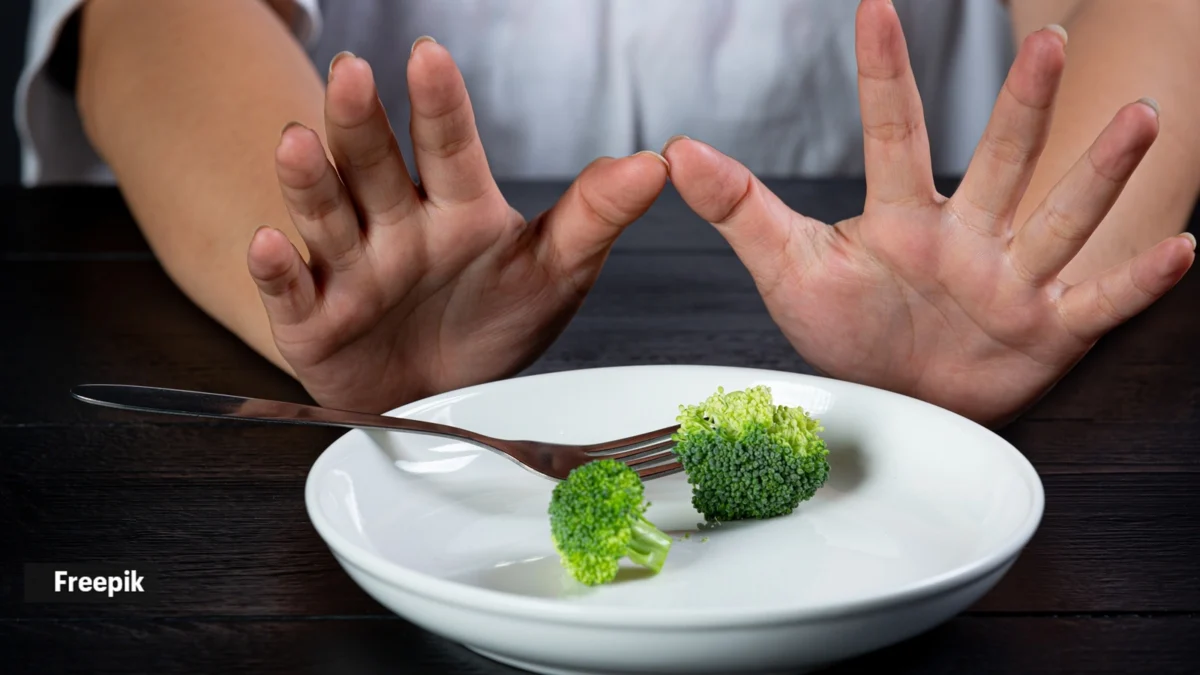
The scorching sun often brings with it a familiar paradox: a diminished appetite. While many instinctively reach for lighter fare or simply eat less, the physiological shifts occurring within the body during hot weather are far more complex and consequential than a mere decrease in hunger pangs. Celebrity nutritionist Pooja Makhija and Dr. Misba Begum, an expert in Clinical Nutrition at Apollo Clinic, Velachery, shed light on these intricate bodily responses and offer actionable strategies to navigate the summer eating challenge, ensuring optimal health and energy levels.
The Unseen Demands of Summer Heat: Beyond Just Thirst
The summer months usher in a period where the body’s internal mechanisms work overtime to regulate temperature. This increased workload, coupled with the inevitable fluid loss, creates a cascade of physiological changes that directly impact our relationship with food. Makhija highlights two critical, often overlooked, shifts that occur:
1. Fluid Loss: A Silent Drain on Nutrient Reserves
It’s a common misconception that during summer, we primarily lose water. However, Makhija points out that the story is far more nuanced. "You’re not just losing water," she emphasizes, "you’re losing electrolytes that support nerve function, muscle contraction, even appetite regulation." These essential minerals, such as sodium, potassium, and magnesium, are vital for numerous bodily processes. When they are depleted through increased perspiration, the body’s ability to signal hunger effectively can be compromised. Furthermore, electrolyte imbalance can contribute to fatigue, muscle cramps, and a general feeling of malaise, all of which can be misinterpreted as a lack of appetite. This silent depletion underscores the importance of not just replenishing fluids but also ensuring adequate electrolyte intake.
2. Protein’s Unwavering Need: The Unsung Hero of Summer Energy
Perhaps one of the most significant dietary misconceptions during summer is the belief that protein needs diminish with a reduced appetite. Makhija firmly refutes this notion, stating, "Protein needs don’t drop with appetite." In fact, she warns that inconsistent protein intake in hot weather is a primary culprit behind persistent fatigue, slower recovery from physical exertion, and an increase in evening cravings. Protein is crucial for muscle repair and maintenance, hormone production, and maintaining satiety. When protein intake falters during the summer, the body struggles to perform these essential functions optimally, leading to a noticeable dip in energy levels. The subsequent cravings, often for quick-fix sugary snacks, can further disrupt nutritional balance and perpetuate a cycle of fatigue.
Understanding the Phenomenon: A Physiological Perspective
Dr. Misba Begum corroborates Makhija’s insights, framing the summer appetite change as a direct response to the body’s thermoregulation efforts. "The summer appetite phenomenon refers to the change in eating patterns many people experience during hot weather: often feeling less hungry or eating differently than they do when it is cooler outside," she explains.
The primary driver behind this phenomenon is the body’s intense focus on cooling itself. "As a result of the body trying to keep its temperature down, digestion slows down," Dr. Begum elaborates. This slowed digestion means the stomach empties more slowly, contributing to a feeling of fullness even after consuming small amounts of food. Consequently, "most people do not want to consume heavy meals and skip meals or eat very little as a result of this."
The shift in dietary preferences is also a notable characteristic. Dr. Begum observes, "On the other hand, some people will begin to crave cold drinks, ice cream, or light snacks instead of regular meals." While these options may offer temporary relief from the heat, they often lack the nutritional density required to sustain energy levels and support bodily functions.
The Root Cause: Heat, Dehydration, and Hormonal Influence
Dr. Begum delves deeper into the physiological mechanisms at play. "These effects are generally caused by heat and a loss of fluids due to dehydration," she states. When the body overheats, its priority shifts. "When the body is overheated, it prioritises cooling itself, thus reducing the amount of hunger signals sent to the brain." This is a survival mechanism; during periods of intense heat, the body conserves energy and resources by reducing non-essential functions like digestion.
Furthermore, the increased rate of sweating in summer leads to a significant loss of both water and electrolytes. "Because of increased sweating in the summertime, people lose more water and electrolytes through sweating and this can cause fatigue, feelings of fullness or no appetite," Dr. Begum explains. The loss of electrolytes directly impacts nerve and muscle function, contributing to fatigue and a general lack of desire to eat.
Beyond fluid and electrolyte balance, high temperatures can also exert an influence on the hormonal landscape governing appetite and digestion. "High temperatures can also have some effect on the hormones that regulate hunger and digestion, causing some changes in people’s normal eating habits," Dr. Begum notes. Hormones like ghrelin (the hunger hormone) and leptin (the satiety hormone) can be influenced by environmental factors, including temperature, further contributing to the altered eating patterns observed during summer.
The Unseen Dangers: Why Intervention is Crucial
The seemingly innocuous reduction in appetite during summer can, if left unaddressed, lead to a host of detrimental consequences. Dr. Begum emphasizes the importance of vigilance: "Failure to monitor this behaviour could have detrimental consequences, as many people will use cold drinks, packaged juices or sweets to replace meals that were once considered healthy."
This substitution of nutrient-dense meals with calorically rich but nutritionally poor alternatives is a significant concern. While sugary drinks and processed snacks might offer a temporary energy boost or a perceived sense of satisfaction, they fail to provide the essential vitamins, minerals, and macronutrients the body needs to function optimally, especially under the stress of heat. This can lead to a cycle of energy crashes, increased cravings for unhealthy foods, and a general decline in overall well-being. The long-term effects of such dietary imbalances can include nutrient deficiencies, weight fluctuations, and an increased susceptibility to illness.
Strategies for Success: Reimagining Your Summer Diet
Navigating the complexities of summer appetite changes requires a strategic and mindful approach to nutrition. Both Makhija and Dr. Begum advocate for a focus on hydration and a non-negotiable inclusion of protein in summer diets.
Prioritizing Hydration: More Than Just Water
Adequate hydration is paramount during the summer months. However, Dr. Begum expands on this crucial aspect, highlighting the importance of foods with high water content. "Foods with high water content such as watermelon, cucumber, muskmelon, coconut water, lemon water, and fresh fruit-based drinks without added sugar and curd-based preparations can be especially beneficial during summer and can help maintain hydration and electrolyte balance," she advises.
These food choices not only contribute to fluid intake but also provide essential electrolytes and micronutrients lost through sweat. Coconut water, for instance, is a natural source of potassium, while curd and buttermilk offer probiotics and calcium. Watermelon and cucumber are not only hydrating but also packed with vitamins and antioxidants. Crucially, Dr. Begum stresses the importance of opting for fresh, unsweetened beverages to avoid the detrimental effects of added sugars.
Making Protein Non-Negotiable: Fueling Your Summer
Makhija’s recommendation to make protein "non-negotiable" is a cornerstone of summer dietary advice. While appetite may wane, the body’s need for protein remains constant. The key lies in choosing easily digestible protein sources that won’t further burden the digestive system.
Dr. Begum suggests focusing on "light yet nutritionally balanced meals." Suitable options include:
- Fresh Fruits and Salads: These are excellent sources of vitamins, minerals, and fiber, and many fruits have high water content.
- Curd and Buttermilk: As mentioned, these dairy-based options are cooling, hydrating, and provide protein and probiotics.
- Easy-to-Digest Home-Cooked Foods: Opt for dishes that are not overly rich or fried. Think lentil-based soups, steamed vegetables, and lightly seasoned grains.
By incorporating these protein-rich options into smaller, more frequent meals, individuals can ensure a steady supply of this essential macronutrient without feeling overwhelmed by large portions. This strategy helps combat fatigue, supports muscle function, and can curb those unhealthy evening cravings.
The Power of Small, Frequent Meals
A significant aspect of managing summer appetite is the timing and quantity of food consumed. Dr. Begum advocates for "eating small, healthy meals at regular intervals." This approach prevents the stomach from feeling overly full, making eating more manageable. It also ensures a consistent supply of nutrients throughout the day, preventing energy dips and the subsequent urge to overeat later.
This "grazing" style of eating can be particularly effective when combined with the recommended light, nutritionally balanced options. For example, a mid-morning snack of yogurt with berries, a light lunch of a large salad with grilled chicken or paneer, and an afternoon snack of cucumber slices with hummus can provide sustained energy without causing digestive discomfort.
Limiting Triggers for Dehydration and Sluggishness
Conversely, certain food and beverage choices can exacerbate the negative effects of summer heat. Dr. Begum strongly advises limiting:
- Sugary Beverages: These provide a quick sugar rush followed by a crash, contributing to fatigue and dehydration.
- Fried Foods: These are heavy, difficult to digest, and can lead to a feeling of sluggishness.
- Packaged Snacks: Often high in sodium, unhealthy fats, and artificial additives, these can contribute to dehydration and offer little nutritional value.
- Excess Caffeine: While caffeine can offer a temporary energy boost, excessive consumption can lead to dehydration and disrupt sleep patterns, further impacting energy levels.
By consciously reducing the intake of these items, individuals can create a more supportive internal environment for their bodies to cope with the heat.
The Ultimate Summer Survival Guide: Listen and Nourish
In conclusion, the summer slump in appetite is not merely a matter of preference but a complex physiological response to heat and dehydration. By understanding the underlying mechanisms – the increased nutrient demand due to fluid loss and the unwavering need for protein – individuals can proactively address these challenges.
The advice from experts like Pooja Makhija and Dr. Misba Begum is clear: prioritize hydration with water-rich foods and beverages, make protein a non-negotiable component of every meal, and opt for light, frequent, and nutritionally balanced meals. By listening to the body’s hunger and thirst cues while adhering to these principles, individuals can not only survive but thrive during the summer months, remaining healthy, energized, and comfortable despite the soaring temperatures.
Disclaimer: This article is based on information from the public domain and insights from health experts. It is essential to consult with a qualified health practitioner before making any significant changes to your diet or health routine.
