

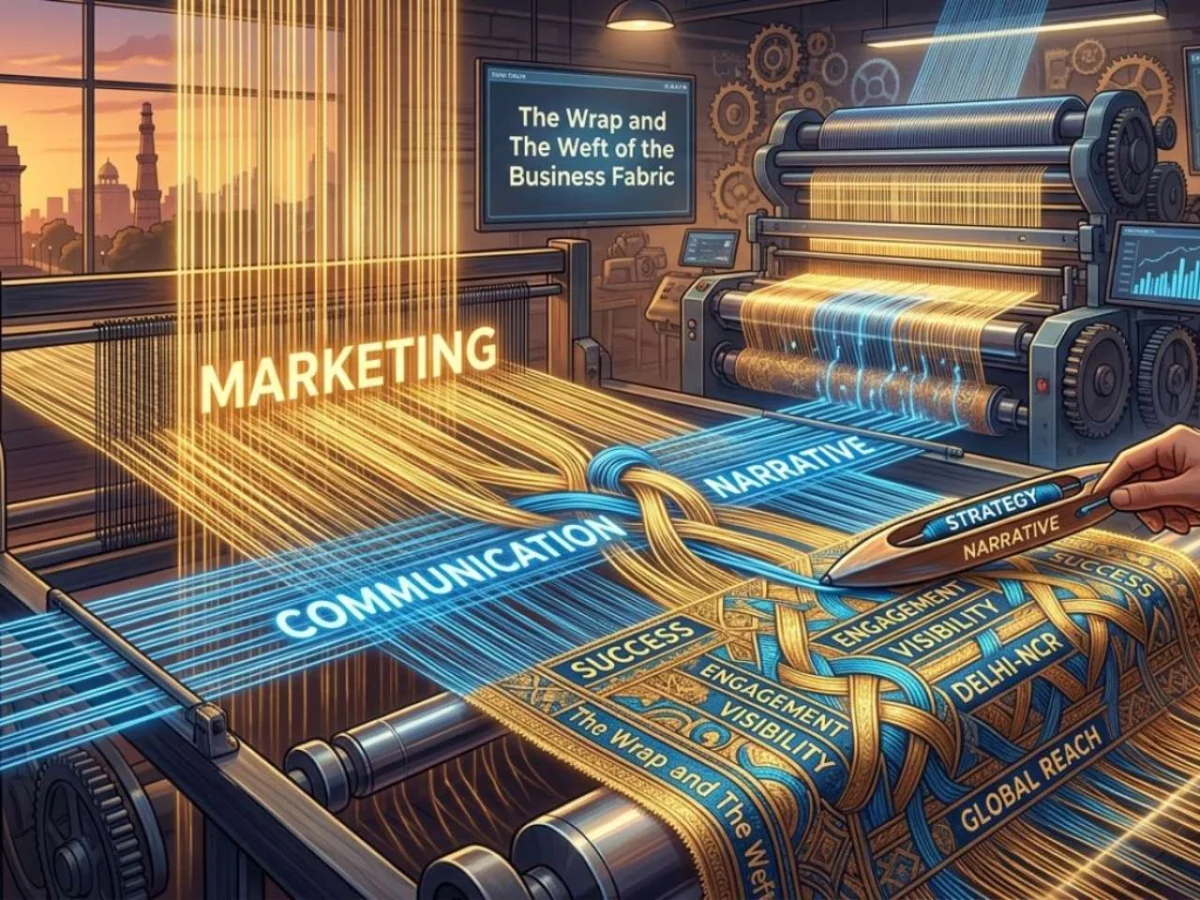
The relentless march of artificial intelligence (AI) is redefining the landscape of modern business, fundamentally altering long-held perceptions of strategic roles within the C-suite. For years, the Chief Marketing Officer (CMO) has stood at the vanguard of customer engagement, brand positioning, and revenue generation. However, with AI systems now capable of performing sophisticated data analysis, recommending intricate actions, and even automating complex decision-making processes, a seismic shift is underway. This technological disruption has given rise to widespread predictions about the "death" of the CMO role, suggesting its functions are ripe for algorithmic assimilation. Yet, what we are truly witnessing is not an obsolescence, but a profound metamorphosis – a transition towards deeply human capabilities that remain beyond the reach of automation, specifically the ability to forge trust, cultivate genuine connection, and ensure organizations are meaningfully understood by their diverse stakeholders.
This transformation is spotlighting the increasing strategic imperative of communication, propelling leaders in this domain from the periphery to the very heart of organizational strategy. Publications of record, from the Wall Street Journal to Forbes, are increasingly chronicling the burgeoning significance of Chief Communications Officers (CCOs). Experts like author Tabita Andersson have profiled communications leaders who have adeptly evolved beyond their traditional roles as mere messengers, becoming indispensable, trusted advisors to executive leadership teams. The current epoch demands a recalibration of how businesses connect with the world, moving beyond mere optimization to embrace the intricate art of meaning-making and authentic engagement.
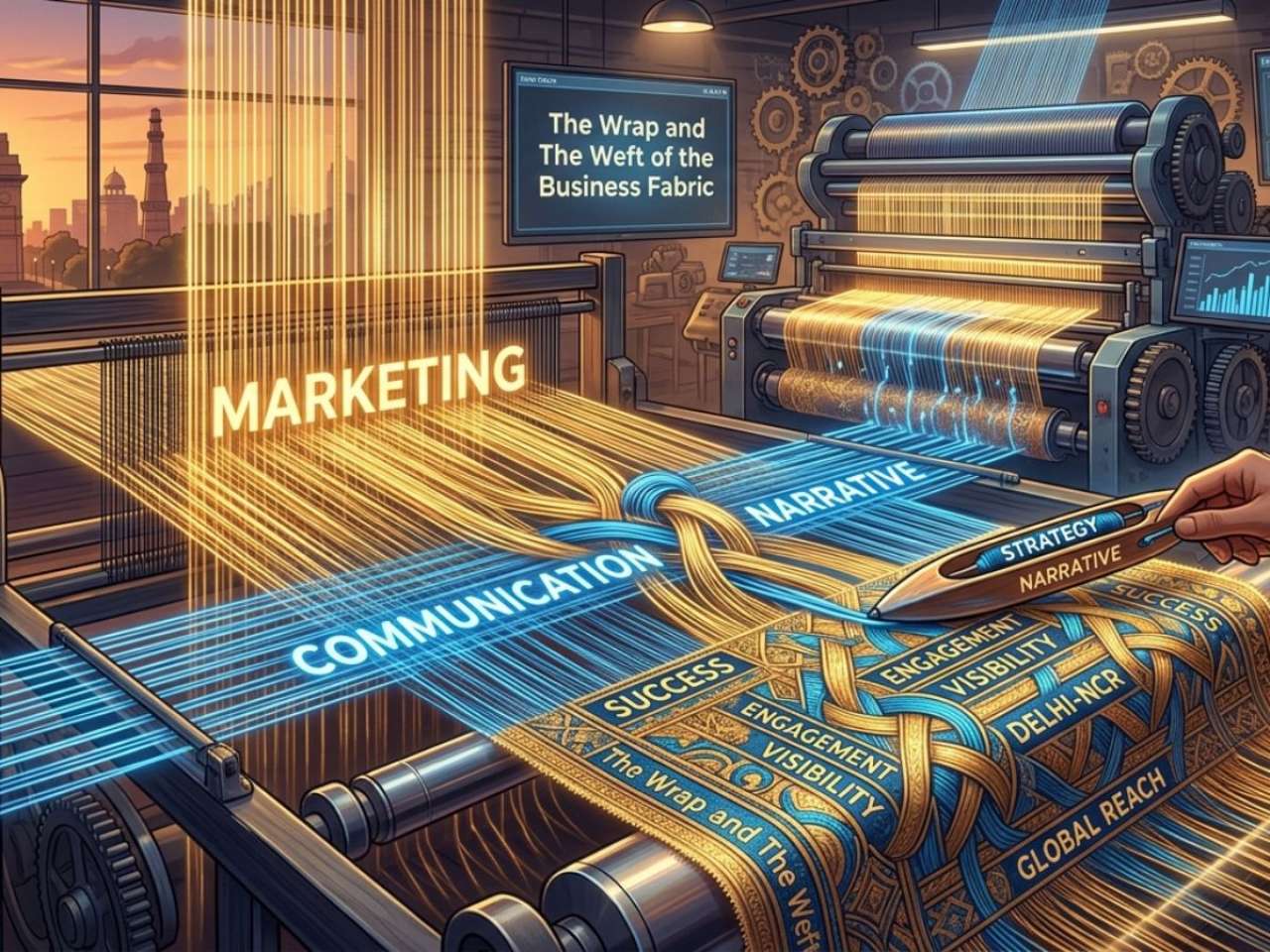
The Traditional CMO Mandate Under Siege: An Era of Optimization
For decades, the Chief Marketing Officer embodied the quintessential front-end leader, orchestrating the public face of a business with a keen emphasis on articulation, brand narrative, and human interaction. This front-end dynamism, often perceived as glamorous, stood in contrast to the back-end machinery of production, data management, and knowledge systems. Within this framework, marketing was largely interpreted through the lens of optimization. The CMO’s mandate was clear: identify lucrative customer segments, meticulously test communication strategies across various channels, strategically acquire media space, and diligently measure returns through a spectrum of conversion rates and engagement metrics. It was a role steeped in data-driven decisions, aimed at maximizing reach, impact, and ultimately, sales.
However, the advent of artificial intelligence has irrevocably altered this paradigm. AI systems are not merely tools for augmentation; they are increasingly capable of independently performing many of these optimization-driven functions. Sophisticated algorithms can now dissect vast quantities of customer data with unparalleled speed and precision, identifying patterns and preferences that human analysis might miss. They can recommend highly targeted actions, personalize marketing messages at scale, and even automate the deployment of campaigns across digital platforms. From programmatic advertising to predictive analytics guiding product recommendations, AI is systematically absorbing tasks that once formed the core, non-negotiable responsibilities of the CMO. This automation, while enhancing efficiency and precision, concurrently raises existential questions about the future scope and necessity of the traditional marketing leadership role.
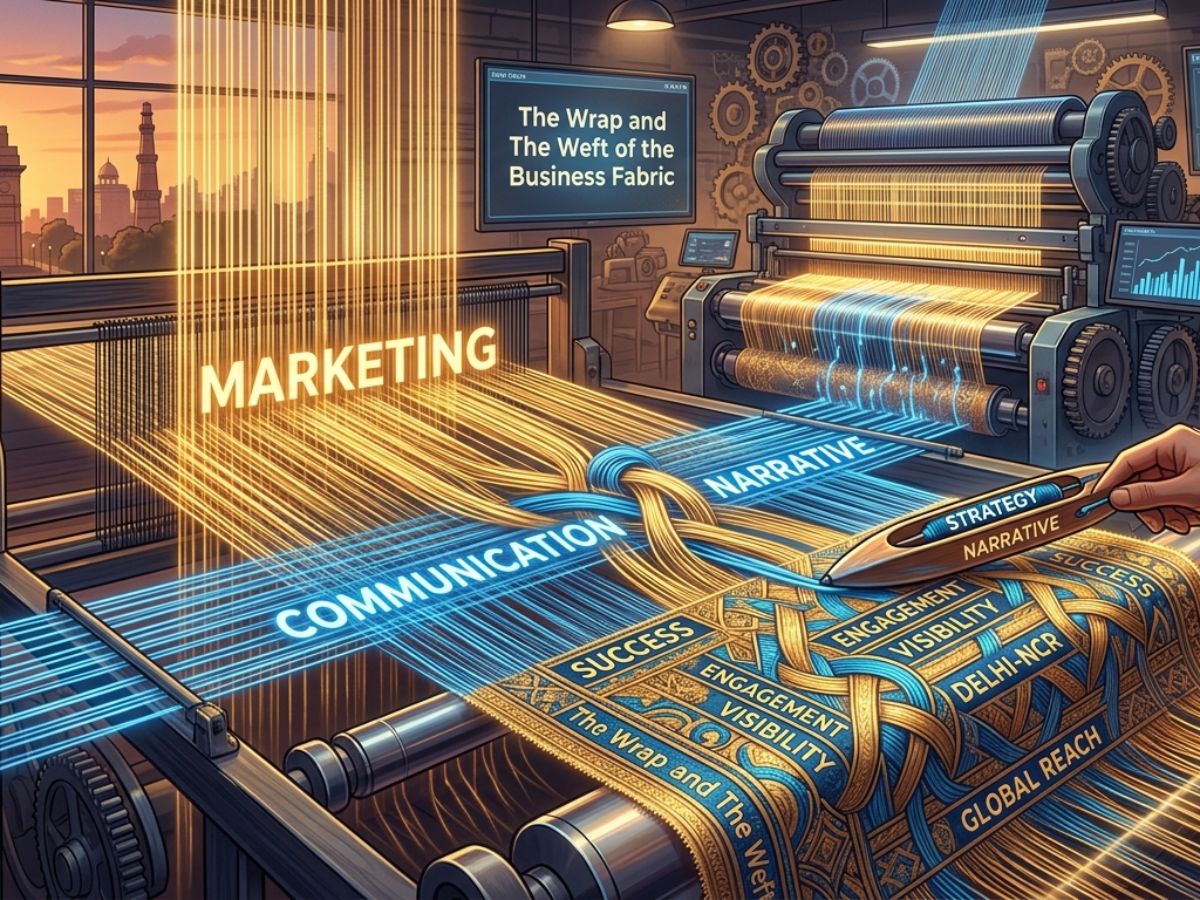)
AI as an Enabler, Not an Obituary
While the discourse around AI’s impact on the CMO role frequently veers towards dire predictions, a more nuanced perspective reveals AI not as a harbinger of professional demise, but rather as a powerful enabler of a more strategic, sophisticated form of marketing leadership. AI’s capabilities extend far beyond simple data crunching; it powers predictive analytics that anticipate customer needs, facilitates hyper-personalization across countless touchpoints, and optimizes media buying for maximum efficiency. Machine learning algorithms can analyze sentiment from social media, track micro-trends in consumer behavior, and even generate preliminary content drafts, allowing for unprecedented agility and responsiveness in campaign execution. The sheer volume and velocity of data that AI can process mean that campaigns can be refined and adapted in real-time, moving beyond static strategies to dynamic, continuously optimizing approaches.
This profound efficiency, however, is precisely what liberates the CMO from the minutiae of operational execution. Instead of being mired in the mechanics of optimization, the transformed CMO can ascend to a higher strategic plane. Their focus shifts from how to execute to what to communicate, why it matters, and who the organization truly is. This includes shaping the overarching brand narrative, defining the ethical guardrails for AI deployment in customer interactions, fostering innovation in customer experience, and integrating AI insights into a cohesive, long-term business strategy. The future CMO, therefore, is less of an orchestrator of campaigns and more of a visionary architect of brand identity and customer relationship, leveraging AI as a powerful instrument to achieve deeper, more meaningful engagement, rather than being superseded by it. The challenge is to harness AI’s power to amplify human ingenuity, ensuring that technology serves strategic intent, not the other way around.

The Ascendancy of Trust: Why Communication is Reclaiming its Core
Ironically, the very technological advancements that automate mechanical marketing functions are simultaneously highlighting the irreplaceable value of inherently human attributes. As AI proliferates, the concept of trust, once a foundational but often implicitly understood element, is re-emerging as the paramount currency of organizational success. Historically, the discipline of communication inherently focused on trust-building and meaning-making. It was about crafting narratives that resonated, fostering understanding, and establishing credibility. Over time, however, these deeper human functions were frequently subsumed or diluted by marketing’s intense focus on quantifiable metrics such as engagement rates, click-throughs, and conversion funnels. The emphasis shifted from qualitative impact to quantitative returns.
Today, we stand at a critical juncture where content is not merely abundant, but exploding in volume and complexity. A significant portion of this content is synthetic, amplified indiscriminately through powerful algorithms, infinite digital feeds, and increasingly sophisticated deepfakes. This environment, saturated with both authentic and manipulated information, creates an unprecedented challenge for discerning truth and establishing credibility. In such a landscape, trust is no longer a soft skill or a desirable trait; it has become an organization’s most valuable, non-replicable asset. Unlike data analysis or campaign optimization, the intricate process of building authentic trust and crafting profound meaning cannot be automated by even the most advanced AI. These are functions deeply rooted in human empathy, ethical judgment, cultural understanding, and the ability to foster genuine connection – precisely the capabilities that are now being propelled to the forefront of strategic leadership.
)
From Messenger to Trusted Advisor: The Evolving Role of the Chief Communications Officer
The re-centralization of trust and meaning-making directly correlates with the ascendance of the Chief Communications Officer (CCO). Traditionally, communication roles were often narrowly defined, primarily associated with tactical functions such as drafting press releases, managing media relations, and generating content for various platforms. While crucial, these activities were often perceived as supportive rather than strategic, functioning at the margins of core business decisions.
However, this perception is rapidly being dismantled. Today, the CCO is unequivocally emerging as the custodian of organizational trust, a strategic imperative in an era of information overload and pervasive skepticism. The shift is not merely cosmetic but fundamental, repositioning the CCO from a reactive messenger to a proactive, indispensable advisor to the entire leadership team. As noted by leading publications like the Wall Street Journal and Forbes, and exemplified by profiles from experts such as Tabita Andersson, communication leaders are now expected to guide organizations through complex reputational challenges, articulate their purpose with unwavering clarity, and foster internal and external coherence.
)
The expanded responsibilities of the modern CCO are vast and multifaceted. They encompass not just external public relations but also critical internal communications, ensuring employee alignment and fostering a cohesive organizational culture. Their mandate extends to proactive reputation management, crisis prevention and response, stakeholder engagement across diverse groups (from investors to policymakers), and the meticulous shaping of the corporate narrative. Unlike reactive public relations, which often springs into action after a crisis has erupted and trust has already been compromised, the CCO’s evolving role is about continuous, strategic trust-building. It involves embedding ethical considerations into every communication, fostering transparency, and ensuring that the organization’s actions consistently align with its stated values. In this new paradigm, the CCO is a strategic architect, building and safeguarding the intangible but invaluable asset of credibility, which underpins all other business functions and ensures long-term sustainability.
The Indian Crucible: Digital Adoption, Misinformation, and the Imperative of Authentic Communication
The growing centrality of communication, particularly the proactive cultivation of trust, holds exceptional relevance in a country like India. With its phenomenal rate of digital adoption and a vast, rapidly expanding online population, India presents a unique and dynamic communication landscape. While digital connectivity offers unprecedented opportunities for reach and engagement, it also creates fertile ground for the rapid, often uncontrolled, dissemination of misinformation and disinformation. In such a volatile context, where narratives can shift instantaneously and public sentiment can be swayed by viral content, treating communication merely as media management or reactive public relations is not just inadequate; it is an inherently risky proposition.
)
A purely reactive approach to public relations often only becomes visible when a crisis has already erupted, by which point trust has invariably been damaged. This reactive stance is akin to trying to douse a fire after the building is already engulfed. The reality of trust-building, however, is fundamentally a slow, continuous, and deliberate process. It is not an event but a perpetual state, intricately woven into the fabric of everyday interactions, embedded within organizational behavior, reflected in institutional culture, and articulated through consistent public messaging. Because this work is often gradual, subtle, and sometimes invisible in its immediate impact, the profound importance of strategic communication frequently goes unrecognized until its absence precipitates a full-blown crisis. Given the global decline in institutional trust and the particular dynamics of the Indian digital space, organizations must proactively invest in rebuilding and sustaining credibility. Communication, therefore, can no longer be relegated to a peripheral activity or merely categorized as a cost overhead; it is a strategic investment in the very resilience and reputation of the enterprise.
A New Paradigm: Marketing’s Evolution Beyond Optimization
It would be a simplistic misinterpretation to assume that the ongoing transformation merely entails replacing Chief Marketing Officers with Chief Communications Officers. The change in designation, while indicative, is perhaps the least important aspect of the profound paradigm shift currently underway. What truly matters is the recognition that the fundamental nature of marketing itself is evolving. It is transitioning from a discipline primarily focused on customer classification, segmentation, and optimization of tactical campaigns towards a more expansive, human-centric endeavor that emphasizes meaning-making, ethical judgment, and the cultivation of enduring trust.
)
In this new landscape, marketing and communication are increasingly converging. While performance marketing continues to become more automated, data-driven, and algorithmically optimized, the strategic dimensions of marketing are moving closer to the core tenets of communication. This means that the skills traditionally associated with communication—narrative building, stakeholder empathy, ethical persuasion, and reputation management—are now becoming indispensable for marketing leaders. AI, rather than being a verdict against human roles, should be viewed as a powerful tool that augments human capabilities. It handles the intricate mechanics, freeing up human leaders to focus on the strategic, ethical, and emotionally intelligent aspects of brand building and relationship management. The synergy between advanced AI and astute human leadership will define the successful organization of the future, where data-driven efficiency meets profound human connection.
Implications for the Future: Communication as Strategy, Not Embellishment
For communication scholars and practitioners, this moment offers a powerful validation and renewed confidence in the enduring significance of their field. For decades, communication literature has steadfastly argued that communication is not a mere embellishment, a decorative layer applied to business strategy, but is, in fact, strategy itself. It is the fundamental process through which organizations articulate their purpose, build relationships, manage perceptions, and ultimately achieve their objectives.
)
Today, technology is unequivocally affirming this assertion. By automating the more decorative, mechanical, and repetitive dimensions of communication – from routine content generation to data dissemination – AI compels human professionals to step into far more strategic and impactful roles. These roles demand sophisticated interpretation of complex information, nuanced judgment in ethically ambiguous situations, the unwavering application of ethical principles, and the unparalleled ability to create and sustain trust. The future communication leader will be less concerned with crafting a perfect press release and more focused on shaping the organizational conscience, mediating complex stakeholder dialogues, and safeguarding brand integrity in a perpetually shifting digital landscape. In many ways, communication is no longer simply a supporting function for business operations. It is becoming intrinsically central to how organizations are understood by the public, trusted by their customers and employees, and ultimately sustained amidst an ever-increasingly complex and transparent global environment.
Navigating the Human-AI Frontier
The transformation unfolding within the C-suite is a testament to the dynamic interplay between technological advancement and enduring human values. The rise of AI challenges traditional structures, forcing a re-evaluation of roles and responsibilities. Yet, it simultaneously underscores the irreplaceable value of human ingenuity, empathy, and ethical leadership. The predicted "death of the CMO" is, in reality, a powerful rebirth – a call for marketing and communication leaders to shed the operational burdens that AI can handle and embrace a higher strategic calling.
)
The future of business leadership will be defined by a symbiotic relationship between AI-driven efficiency and human-centric strategic foresight. Organizations that thrive will be those that master the art of leveraging AI for speed and precision, while simultaneously investing profoundly in the human capacity for building authentic connection, fostering unwavering trust, and creating meaning that resonates deeply with all stakeholders. In an age dominated by algorithms, the power of human connection, ethical judgment, and strategic communication will not just endure; it will become the ultimate competitive differentiator, ensuring that businesses are not only successful but also genuinely understood and trusted in an increasingly digital and interconnected world.
