

Chennai, India – A landmark legal battle spanning three decades has finally reached its conclusion, with the Madras High Court delivering a significant ruling that upholds a substantial damages award against Sun TV Network. The case, which involved acclaimed actress Sukanya Ramesh and the infamous forest brigand Veerappan, centers on a controversial 1996 interview that allegedly tarnished the actress’s reputation during the zenith of her career. This judgment brings a definitive end to a protracted legal war and sheds light on the enduring impact of media responsibility in handling sensitive interviews.
The Scars of a 1996 Interview: A Thirty-Year Legal Odyssey
The heart of this extensive legal dispute lies in a televised interview broadcast by Sun TV Network in 1996, featuring Veerappan, who was then India’s most wanted fugitive. The interview, conducted by Nakkheeran editor R. Rajagopal, notorious for his daring encounters with the bandit, contained allegations against Sukanya that she vehemently refuted. Veerappan, in the interview, insinuated a connection between Sukanya and a political scandal involving the son of the then Prime Minister P.V. Narasimha Rao.
Sukanya, at the peak of her cinematic stardom, immediately contested these claims, asserting that they were not only false but also "offensive to plaintiff’s dignity" and designed to lower her image in the eyes of her "friends, family, and the general public." This marked the beginning of a legal struggle that would span an astonishing thirty years.
In April 2015, a trial court, after examining the evidence, ruled in favor of Sukanya, directing Sun TV to pay Rs 10.01 lakh in damages. Dissatisfied with this verdict, Sun TV Network appealed to the Madras High Court. In a recent and decisive judgment, the High Court not only upheld the trial court’s order but also emphasized the broadcaster’s responsibility. The court’s observations highlighted that Sun TV, despite possessing the power to verify and omit defamatory content, had failed to do so, thereby allowing scandalous allegations from a fugitive to be broadcast to a wide audience. This ruling underscores the critical importance of due diligence and ethical considerations in media broadcasting, particularly when dealing with individuals involved in criminal activities or controversial narratives.
Sukanya’s Meteoric Rise: Ruling the 90s Tamil and Malayalam Cinema
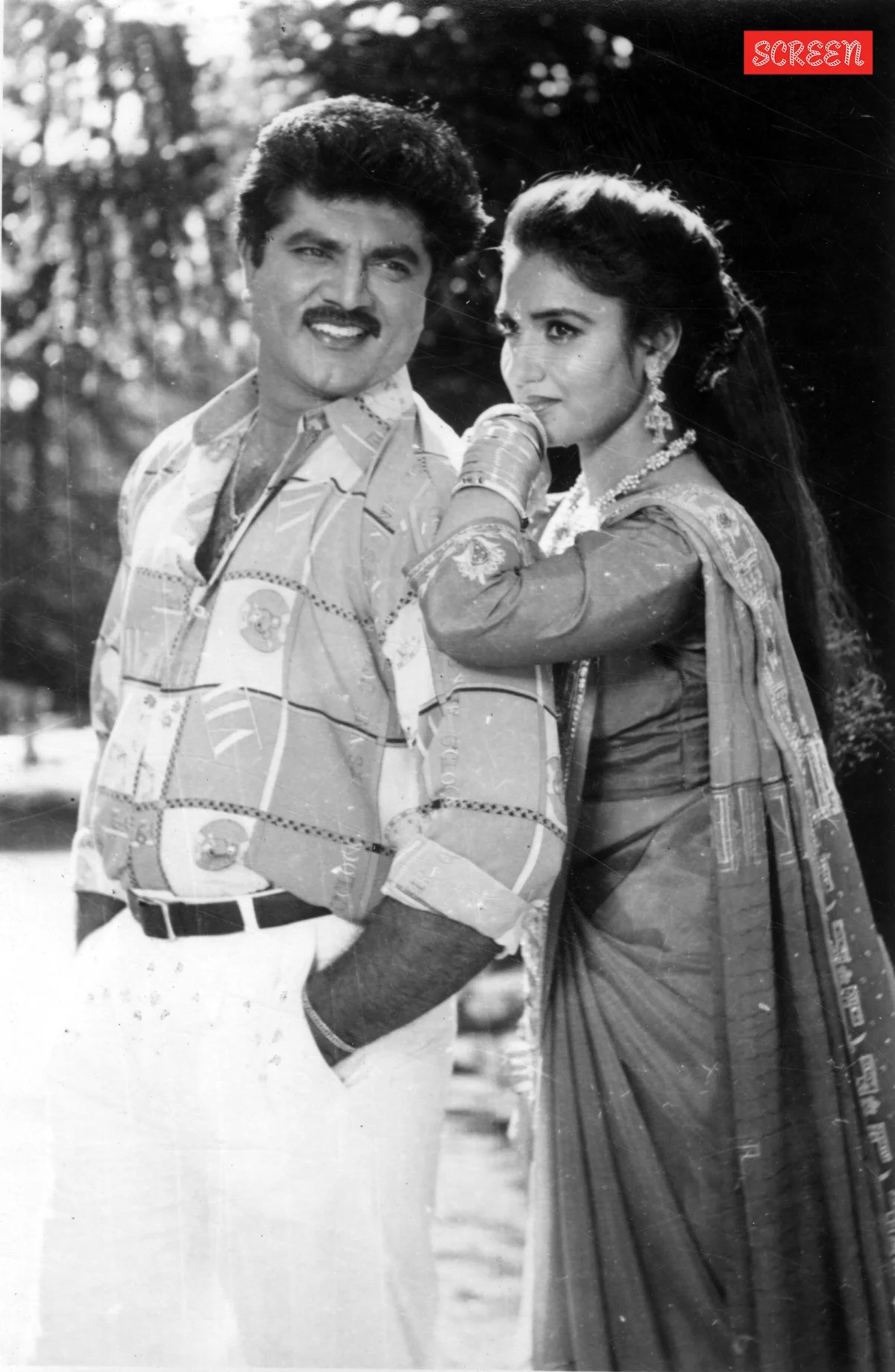
Before the shadows of the Veerappan interview fell upon her career, Sukanya was a prominent and celebrated figure in both Tamil and Malayalam cinema throughout the 1990s. Her journey in films began with a significant debut in 1991, starring as the female lead in the critically acclaimed Tamil film "Pudhu Nellu Pudhu Naathu," directed by the legendary Bharathiraja. In the same year, she secured the central role in "MGR Nagaril," a Tamil remake of the successful Malayalam comedy thriller "In Harihar Nagar," helmed by producer-director Alleppey Ashraf.

The year 1992 proved to be a pivotal moment in Sukanya’s burgeoning career. She was honored with the Tamil Nadu State Film Award for Best Actress for her powerful performance in the Vijayakanth-starrer "Chinna Gounder." This recognition not only solidified her position in Tamil cinema but also paved the way for her foray into other regional film industries. In 1992 alone, she made her mark in Malayalam cinema with Rahman’s "Apaaratha," Telugu cinema with Jagapathi Babu’s "Peddarikam," and Kannada cinema with V. Ravichandran’s "Guru Brahma."
Her career continued its upward trajectory, marked by her presence in a string of commercially successful and critically lauded films. She played significant roles alongside some of the biggest stars of the era, including:
- Kamal Haasan: "Mahanadhi," "Indian"
- Mohanlal: "Chandralekha," "Rakthasakshikal Sindabad"
- Mammootty: "Sagaram Sakshi"
- Vijayakanth: "Sakkarai Devan"
- Jayaram: "Thooval Kottaram"
- Prabhu: "Senthamizh Paattu," "Mr Madras," "Chinna Mapillai"
- R. Sarathkumar: "Ilavarasan," "Mahaprabhu," "Raja Pandi"
- Sathyaraj: "Walter Vetrivel," "Vandicholai Chinraasu," "Senathipathi," "Udan Pirappu"
- Rahman: "Karuppu Vellai"
This period of immense success was further acknowledged when Sukanya received the prestigious Kalaimamani Award, the highest civilian honor bestowed by the Tamil Nadu government, recognizing her contributions to the arts. Her prolific work and versatile performances established her as one of the leading actresses of the 90s South Indian film industry.
The Turning Point: How Veerappan’s Allegations Impacted Sukanya’s Career
The allegations made by Veerappan in the 1996 interview, despite being vehemently denied by Sukanya, had a profound and detrimental impact on her career trajectory. Following the broadcast and the subsequent controversy, Sukanya’s prominence in the film industry visibly declined. She found herself no longer cast in lead roles in major productions headlined by A-list actors, a stark contrast to her earlier standing.
While she continued to appear in films, her roles gradually shifted towards supporting characters and projects with smaller budgets. The early 2000s saw a handful of appearances, but none managed to reignite the spark of her earlier stardom. The shadow of the defamatory allegations, coupled with the prolonged legal battle, undoubtedly contributed to this downturn, leaving her professional life significantly altered. The case serves as a stark reminder of how unverified and malicious claims can have devastating consequences on an individual’s career and public image, especially in the highly scrutinized world of entertainment.
Personal Struggles and Enduring Resilience
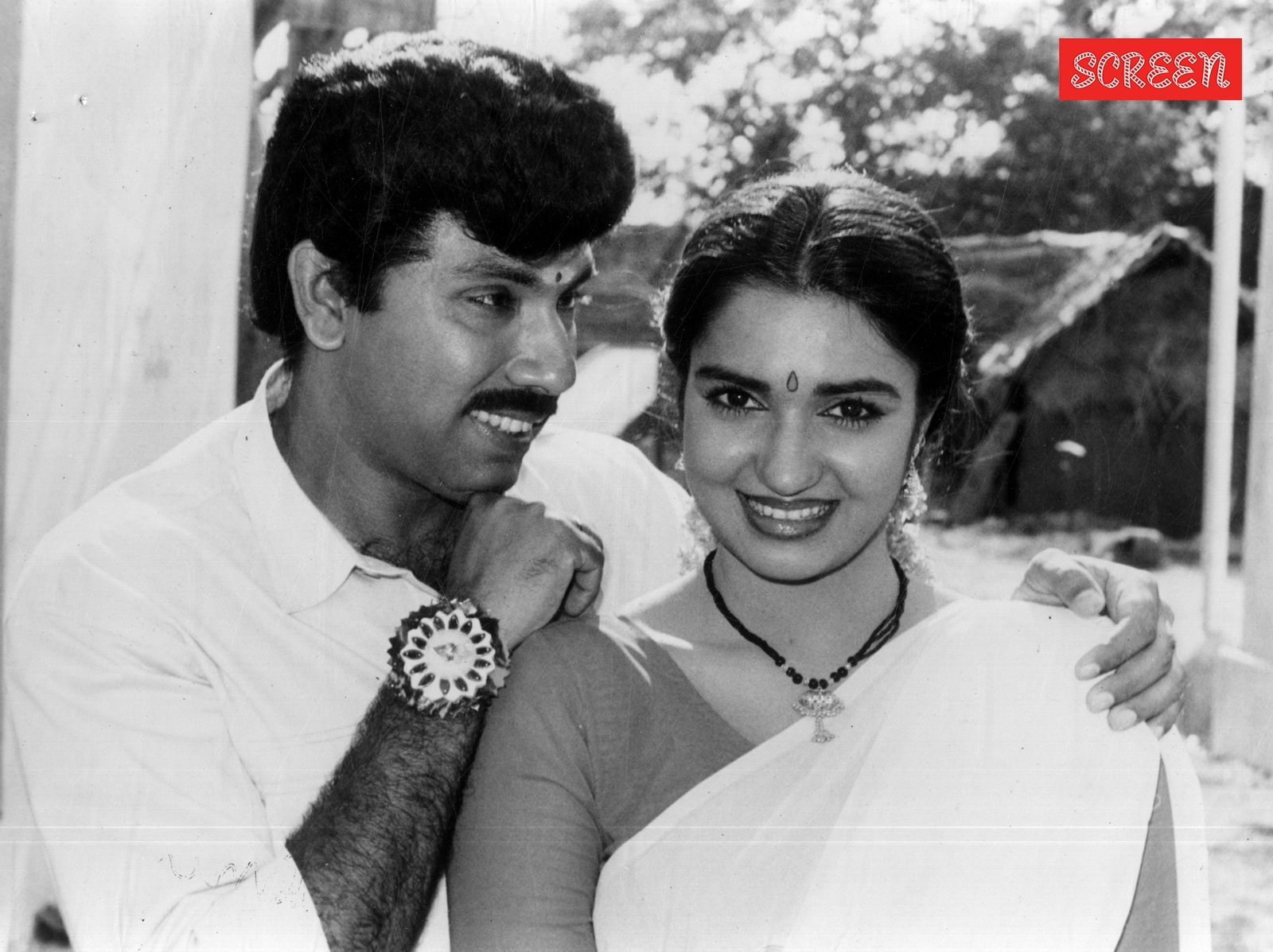
Beyond the glare of the film industry and the protracted legal battle, Sukanya has navigated significant personal challenges. In April 2002, she married R. Sridhar, a software engineer based in New Jersey. She relocated to the United States briefly, but by January 2003, she had returned to India. Subsequently, she initiated divorce proceedings, alleging domestic abuse by Sridhar. She has not remarried since.
Despite these personal upheavals, Sukanya has maintained a connection to her artistic roots. Alongside her sister, Geetha Sridhar, she is a trained Bharatanatyam dancer. Sukanya honed her classical dance skills under eminent tutors at the renowned Kalakshetra Foundation in Chennai, having received a scholarship from the Indian Council for Cultural Relations (ICCR). Her sister, Geetha, currently heads the UK-based dance company, Natyasri, showcasing the family’s continued dedication to the performing arts.
In a testament to her resilience and enduring passion for her craft, Sukanya made a notable return to the small screen in 2024, essaying a significant role in the popular Tamil soap opera "Shakthi IPS." This return signifies her continued engagement with the entertainment world, albeit through a different medium.
Implications of the Madras High Court Ruling
The Madras High Court’s decision to uphold the Rs 10.01 lakh damages award against Sun TV Network carries several important implications:
- Media Accountability: The judgment strongly reinforces the principle of media accountability. It underscores that broadcasters have a responsibility to verify information, especially when it involves potentially defamatory statements made by individuals, including notorious figures. The court’s observation that Sun TV had the power to prevent the broadcast of scandalous allegations but failed to do so, highlights a lapse in due diligence.
- Protection of Reputation: The ruling provides a crucial safeguard for individuals’ reputations against malicious or unverified claims broadcast by media outlets. It validates Sukanya’s long fight for justice and affirms that reputational damage can have severe and lasting consequences.
- Legal Precedent: This case sets a significant legal precedent for defamation lawsuits involving media organizations and public figures. It reinforces the idea that media houses cannot escape liability by claiming they merely aired an interview, especially if they failed to exercise reasonable care in vetting the content.
- The Enduring Power of Truth: After thirty years, the legal system has affirmed Sukanya’s claims of defamation. This outcome demonstrates that even after an extended period, the pursuit of truth and justice can prevail, offering closure and vindication to those who have been wronged.
- Ethical Broadcasting Standards: The judgment serves as a stern reminder to all media organizations to adhere to the highest ethical standards. It emphasizes the need for responsible journalism, particularly when dealing with sensitive interviews that could potentially harm individuals’ lives and careers.
The conclusion of this decades-long legal saga marks a significant moment for both Sukanya and the broadcasting industry. It is a victory for the principle of protecting individual reputation from the unchecked dissemination of damaging falsehoods, and a testament to the enduring pursuit of justice.
