

Introduction: From Local Knowledge to Global Impact
For generations, the vibrant landscapes of India’s Northeast have been nurtured by the deep-seated knowledge and unwavering dedication of local communities. These custodians of biodiversity, often operating at the grassroots level, possess an intimate understanding of their environments, a connection that is crucial for effective conservation. However, a significant chasm has historically existed between this invaluable place-based wisdom and the structured support systems, technical skills, and resources needed to amplify their impact on a larger scale. Recognizing this critical gap, the Canopy Collective, in partnership with a coalition of environmental organizations, has launched the "Future Full of Forests Fellowship," a pioneering program designed to equip these unsung heroes with the tools and confidence to become even more potent agents of conservation and social change.
This transformative initiative is not merely an academic exercise; it is a hands-on, community-driven approach to safeguarding the rich natural heritage of the Northeast. By bridging the divide between traditional ecological knowledge and modern conservation practices, the fellowship aims to empower individuals like Sameer Gurung, a young artist from Sikkim, and Shaleena Phinya, a filmmaker from Arunachal Pradesh, to not only protect their local ecosystems but also to articulate their vital work to a wider audience, attract crucial funding, and foster a more sustainable future for their regions.
The Genesis of the Fellowship: Addressing a Critical Need
The inception of the Future Full of Forests Fellowship was not a sudden inspiration but a carefully considered response to pressing needs identified through extensive on-the-ground engagement. Wildlife biologist Nandini Velho, founder and project lead at Canopy Collective, along with her colleague Sayan Banerjee, conducted in-depth focus group discussions with numerous conservation practitioners across the Northeast and other parts of India. These conversations revealed a recurring pattern: while these individuals were deeply committed and possessed unparalleled local expertise, they frequently found themselves hampered by a lack of formal training in essential areas.
"We have been working with practitioners for more than a decade, and I also have a research background, so I am familiar with the university and institutional frameworks," explains Nandini Velho. "But I don’t think that the system we presently have allows for this on-ground field practice for everybody. There is a big gap in access when it comes to certain learning tools and levels of practice."
The practitioners articulated a clear desire for enhanced skills in project management, proposal writing, and effective communication. They understood their landscapes intimately, but struggled to translate their observations and experiences into compelling narratives that could secure the necessary funding and resources to sustain their conservation efforts. This often led to feelings of underconfidence and a sense of being unable to fully advocate for the critical work they were undertaking.
"They (conservation practitioners) said that they often felt underconfident and would like further training to be able to tell their own stories, give a presentation or write an article," Nandini elaborated. This feedback underscored the urgent need for a program that could provide not just theoretical knowledge but also practical, skill-based training tailored to the unique challenges faced by grassroots conservationists.
Furthermore, another critical issue that emerged from these discussions was a perceived disconnect between the rich tapestry of local knowledge and established ecological theory. Many grassroots conservationists expressed a strong desire to integrate their lived experiences and intimate understanding of their forests with scientific frameworks. They wanted to understand how their observations fit into broader ecological narratives and contribute to a more holistic scientific understanding of conservation challenges. The fellowship was thus designed to create a bridge between these two vital spheres of knowledge, fostering a more integrated and effective approach to conservation.
A Chronological Journey: From Vision to Graduation
The Future Full of Forests Fellowship, conceived to address these identified needs, has embarked on a carefully structured journey, beginning with its official rollout in February of the current year. The program is designed as a continuous learning process, spread across three distinct phases, with consistent mentorship and milestone-based progress for the fellows.
Phase 1: Foundation and Skill Building
The initial phase focused on establishing a strong foundation for the fellows. This involved intensive training modules covering essential project management techniques, including planning, budgeting, and monitoring. Emphasis was also placed on developing robust proposal writing skills, equipping fellows with the ability to articulate their project needs clearly and persuasively to potential funders.
Phase 2: Communication and Storytelling Mastery
Building upon the project management skills, the second phase delved into the art of communication and storytelling. Fellows were guided on how to craft compelling narratives that effectively convey the importance of their conservation work. This included workshops on public speaking, article writing, and leveraging various media platforms, including visual storytelling through photography and film. The goal was to empower them to become confident advocates for their cause, capable of engaging diverse audiences and fostering greater public awareness and support.
Phase 3: Project Development and Implementation
The final phase of the fellowship is dedicated to the practical application of learned skills. Fellows are encouraged to refine their existing conservation projects or develop new ones, with continuous guidance and feedback from their mentors. This phase emphasizes strategic planning for long-term sustainability and impact, ensuring that the knowledge and skills acquired translate into tangible conservation outcomes.
Throughout these phases, a crucial element of the fellowship has been the dedicated mentorship provided by experienced professionals in the field of conservation, research, and communication. These mentors have offered personalized guidance, shared their expertise, and provided invaluable support to the fellows as they navigate the complexities of conservation project development and implementation. The continuous nature of the mentorship, with regular check-ins and support between the phases, has ensured a consistent learning curve and a sustained engagement with the program.
The culmination of this intensive program will be marked by the official graduation ceremony of Sameer Gurung and 19 other fellows. This significant event is scheduled to take place on May 17th, during the Green Hub Festival 2026 in Tezpur. This festival provides a prominent platform for the fellows to showcase their work, connect with a wider network of conservationists and stakeholders, and celebrate their achievements.
Supporting Data and Partnerships: A Collaborative Effort
The success and reach of the Future Full of Forests Fellowship are underpinned by a robust network of support and a collaborative approach involving various organizations. The fellowship, an innovative program offered by the Canopy Collective, has been instrumental in bringing together a diverse group of individuals and entities committed to reimagining wildlife conservation in the Northeast.
The initiative has garnered significant support from key organizations that recognize the critical importance of empowering grassroots conservationists. Among the prominent supporters are the Coexistence Consortium and the Duleep Matthai Nature Conservation Foundation. These foundations, along with a host of other organizations, have provided the financial backing and strategic partnership necessary to implement such a comprehensive fellowship program. Their commitment underscores a shared understanding that effective conservation requires a multi-faceted approach that invests in the human capital at the forefront of environmental protection.
The Canopy Collective itself, spearheaded by Nandini Velho, has been the driving force behind the fellowship’s design and execution. Their expertise in fostering collaborations between researchers, artists, local communities, and grassroots leaders has been pivotal in shaping a program that is both theoretically sound and practically impactful. The inclusion of artists like Sameer Gurung highlights a progressive approach to conservation, recognizing the power of creative expression in raising awareness and driving change.
The fellowship’s focus on youth empowerment is further amplified by its association with initiatives like the Green Hub Project. This North East-focused initiative plays a crucial role in engaging and empowering young individuals in conservation action and social change. Sameer Gurung’s journey, which began with a responsible tourism workshop offered by the Green Hub Project, exemplifies the synergistic potential of such collaborations, where initial engagement can blossom into long-term commitment and impactful action through structured programs like the fellowship.
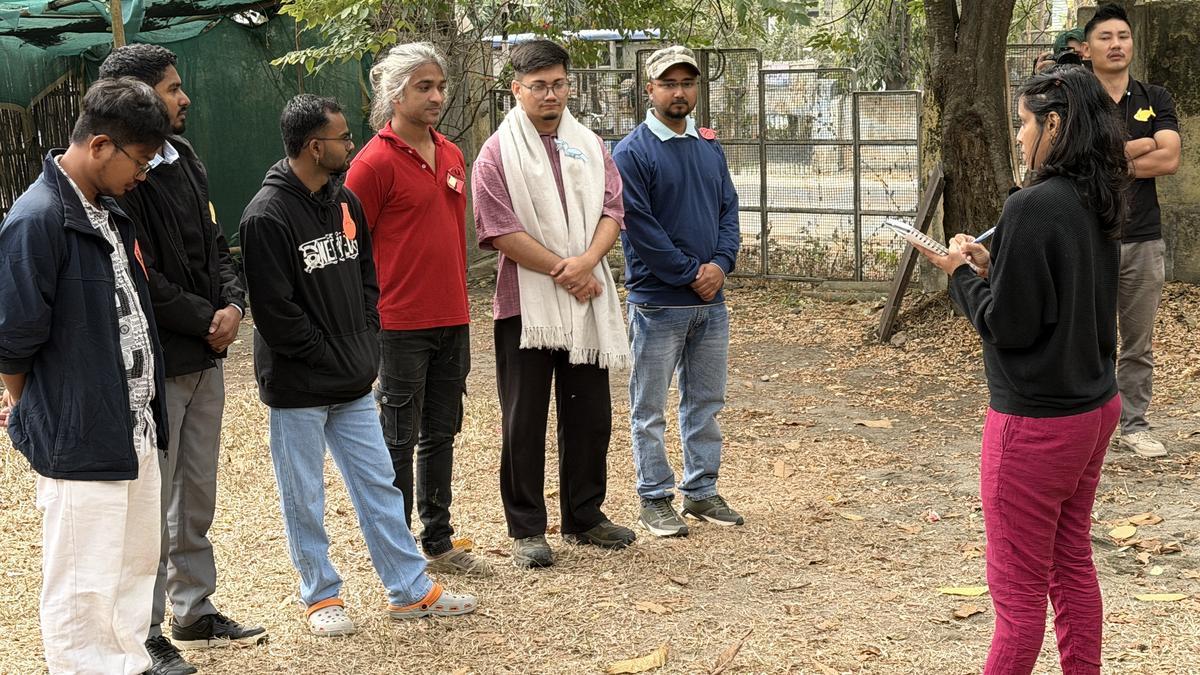
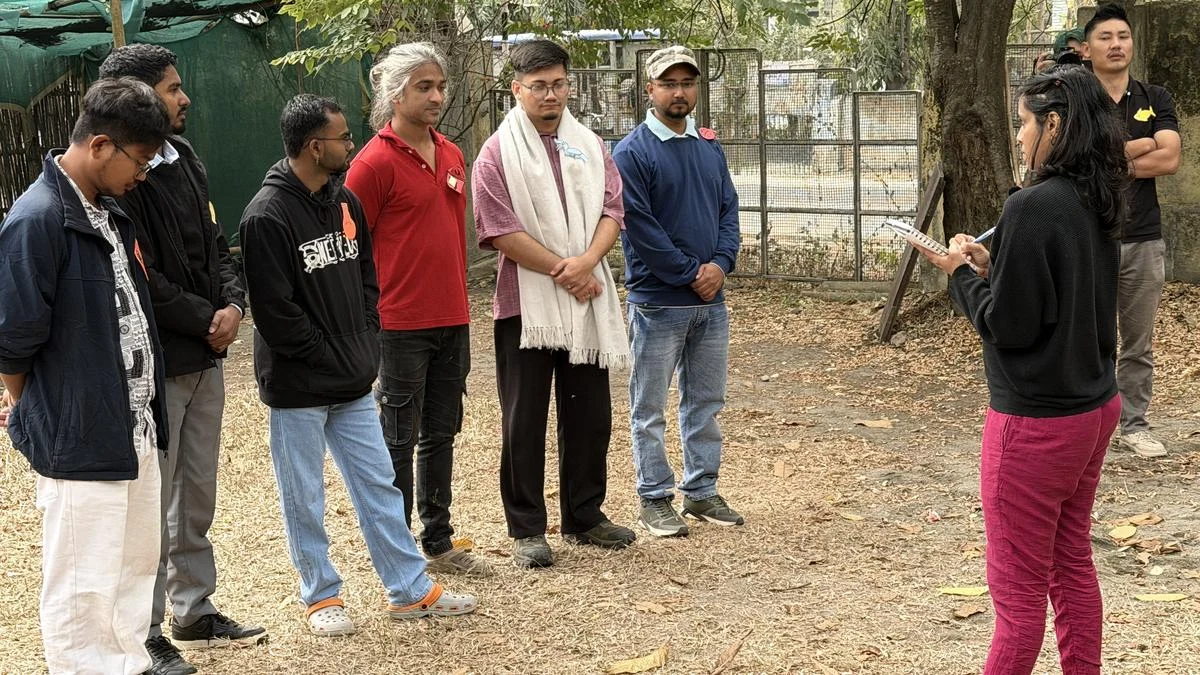
The cohort of fellows itself represents a diverse tapestry of conservation champions from across the region. Beyond Sameer Gurung from Sikkim, the first cohort includes notable individuals such as:
- Shaleena Phinya from Singchung, Arunachal Pradesh: A filmmaker and member of the community patrol staff at the Singchung Bugun Village Community Reserve. Shaleena’s experience highlights the integration of media skills with on-the-ground conservation efforts.
- Lipok Jamir from Nagaland: Contributing to the conservation narrative of his state through unique community-led initiatives.
- Lucky Changmail from Dibrugarh, Assam: Bringing valuable local insights and grassroots action to the conservation landscape of Assam.
- Binita Deka from Jorhat, Assam: Another promising practitioner contributing to the conservation efforts in Assam.
The inclusion of individuals like Shaleena Phinya, who is already leveraging her filmmaking skills, demonstrates the fellowship’s commitment to supporting diverse approaches to conservation. Her testimony, "I learnt many things from this fellowship… proposal drafting and storytelling. All this was new to me, as we don’t have things like this in our village. It has been a good experience so far," underscores the direct impact of the program on equipping fellows with previously inaccessible skills.
Official Responses and Future Aspirations
The sentiment of optimism and the belief in the transformative potential of the Future Full of Forests Fellowship are strongly echoed by the program’s leadership. Nandini Velho, the driving force behind Canopy Collective and the fellowship, articulates a clear vision for its impact and the aspirations for its graduates.
"The hope now, says Nandini, is that the fellows will leave with a ‘renewed sense of confidence and knowing that there is support and a world out there that cares very deeply about the work they do. I want them to realise that the work that they do and the experiences that they have are the way forward.’" This statement encapsulates the core mission of the fellowship: to not only impart skills but also to foster a sense of empowerment and validation for the crucial work undertaken by these grassroots conservationists.
The fellowship is designed to nurture a new generation of conservation leaders who are not only knowledgeable about their local ecosystems but also adept at navigating the broader landscape of conservation advocacy, project management, and resource mobilization. By providing structured training in areas such as proposal writing and communication, the program directly addresses the practical barriers that have historically hindered the progress of many on-the-ground conservation efforts.
The inclusion of elements like storytelling is particularly significant. As Sameer Gurung himself highlights his aspiration to "find projects, funding, and grants through which I can support and take forward conservation with my art," it becomes evident that the fellowship is enabling a fusion of traditional community engagement with modern communication strategies. This approach is crucial for capturing the attention of a wider audience, influencing policy, and attracting the financial support necessary for long-term conservation success.
The positive feedback from fellows like Shaleena Phinya, who acknowledges the novelty and benefit of learning skills like proposal drafting and storytelling, further validates the program’s efficacy. Her statement, "All this was new to me, as we don’t have things like this in our village. It has been a good experience so far," points to the accessibility and the practical relevance of the training provided.
The fellowship’s commitment to bridging the gap between local knowledge and scientific frameworks is also a significant aspect of its official vision. By encouraging practitioners to connect their intimate understanding of their landscapes with established ecological theories, the program aims to foster a more robust and scientifically informed approach to conservation. This integration can lead to more effective strategies, better data collection, and a deeper understanding of the complex ecological processes at play.
Looking ahead, the Canopy Collective and its partners aim to see the fellows emerge as confident, capable, and well-connected conservation practitioners who can independently lead and sustain impactful initiatives. The graduation ceremony at the Green Hub Festival 2026 is not just an endpoint but a launchpad for these individuals to continue their vital work, armed with enhanced skills, a renewed sense of purpose, and a strong support network. The ongoing engagement and potential for future cohorts of the fellowship signal a long-term commitment to nurturing conservation leadership in India’s Northeast.
Implications for Conservation and Community Development
The Future Full of Forests Fellowship holds profound implications, not only for the immediate conservation efforts of its fellows but also for the broader landscape of environmental protection and community development in India’s Northeast. This initiative represents a significant paradigm shift, moving beyond traditional top-down conservation models to embrace a more inclusive and empowering approach that recognizes and amplifies the critical role of local communities.
Strengthening Grassroots Conservation Efforts:
Perhaps the most direct implication is the enhanced capacity of the fellows to undertake and sustain their conservation projects. By equipping them with skills in project management, proposal writing, and communication, the fellowship empowers them to overcome critical resource barriers. This means more effective protection of vital ecosystems, improved wildlife management, and greater resilience against environmental threats. For instance, a fellow who can now confidently write a grant proposal is far more likely to secure funding for initiatives aimed at protecting endangered species or restoring degraded habitats.
Bridging the Knowledge Gap and Fostering Innovation:
The fellowship’s emphasis on integrating local ecological knowledge with scientific frameworks has the potential to foster innovative conservation strategies. By providing a platform for dialogue and learning between grassroots practitioners and researchers, it can lead to a richer understanding of complex ecological issues and the development of context-specific solutions. This fusion of knowledge can also lead to the refinement and validation of traditional conservation practices, bringing them into alignment with contemporary scientific understanding.
Empowering Local Communities and Enhancing Livelihoods:
Conservation efforts are intrinsically linked to the well-being of local communities. By empowering individuals within these communities to become effective conservation leaders, the fellowship indirectly contributes to community development. As fellows gain confidence and resources, they can become catalysts for positive change, advocating for sustainable land use, promoting eco-tourism, and fostering a greater sense of environmental stewardship. This can lead to improved livelihoods, a stronger sense of place, and greater community resilience in the face of environmental and socio-economic challenges.
Amplifying Voices and Influencing Policy:
The focus on storytelling and communication skills is crucial for amplifying the voices of those on the front lines of conservation. When grassroots practitioners can effectively articulate the challenges they face and the successes they achieve, they can influence public opinion, engage policymakers, and advocate for more supportive environmental policies. This can lead to a more equitable and effective approach to conservation governance, where the knowledge and needs of local communities are prioritized.
Catalyzing a New Generation of Conservation Leaders:
The fellowship is not just about individual empowerment; it is about nurturing a network of interconnected and skilled conservation leaders across the Northeast. The graduation ceremony and the ongoing engagement with the Green Hub Festival provide a platform for these individuals to connect, collaborate, and learn from each other. This shared experience can foster a sense of collective purpose and create a powerful network that can drive conservation efforts across the region for years to come.
A Model for Sustainable Development:
The success of the Future Full of Forests Fellowship can serve as a replicable model for other regions facing similar conservation challenges. Its emphasis on a holistic approach, combining skill development, knowledge integration, and community empowerment, offers a blueprint for fostering sustainable development that is both environmentally responsible and socially inclusive.
In conclusion, the Future Full of Forests Fellowship represents a vital investment in the future of conservation in India’s Northeast. By empowering individuals like Sameer Gurung and Shaleena Phinya, it is not only safeguarding precious biodiversity but also fostering a more engaged, knowledgeable, and resilient society, one that recognizes the indispensable role of its guardians of the wild. The ripple effects of this program are poised to extend far beyond the individual fellows, contributing to a healthier planet and more empowered communities for generations to come.
To learn more about the Future Full of Forests Fellowship and its impact, you can reach out via email at [email protected].
