

BUSINESS DESK, DNA INDIA | New Delhi – August 13, 2026
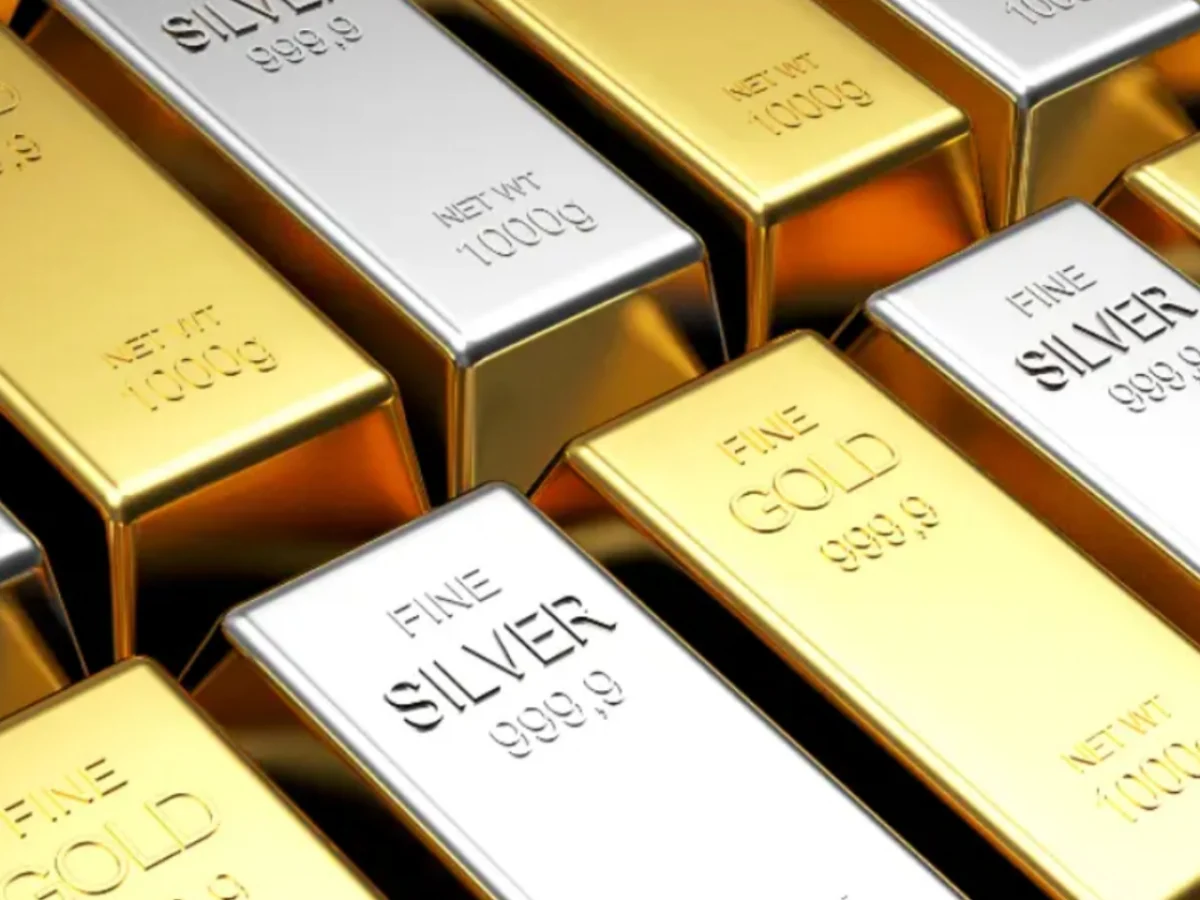
The Indian bullion market continues its dynamic dance with global economic forces and robust domestic sentiment as gold and silver prices witnessed nuanced movements today. On August 13, 2026, precious metal rates across major Indian cities reflect a complex interplay of international market trends, local demand, currency fluctuations, and inflationary pressures. While gold experienced a slight uptick, reaffirming its status as a reliable hedge, silver also demonstrated its inherent volatility, influenced significantly by industrial consumption alongside investment interest.
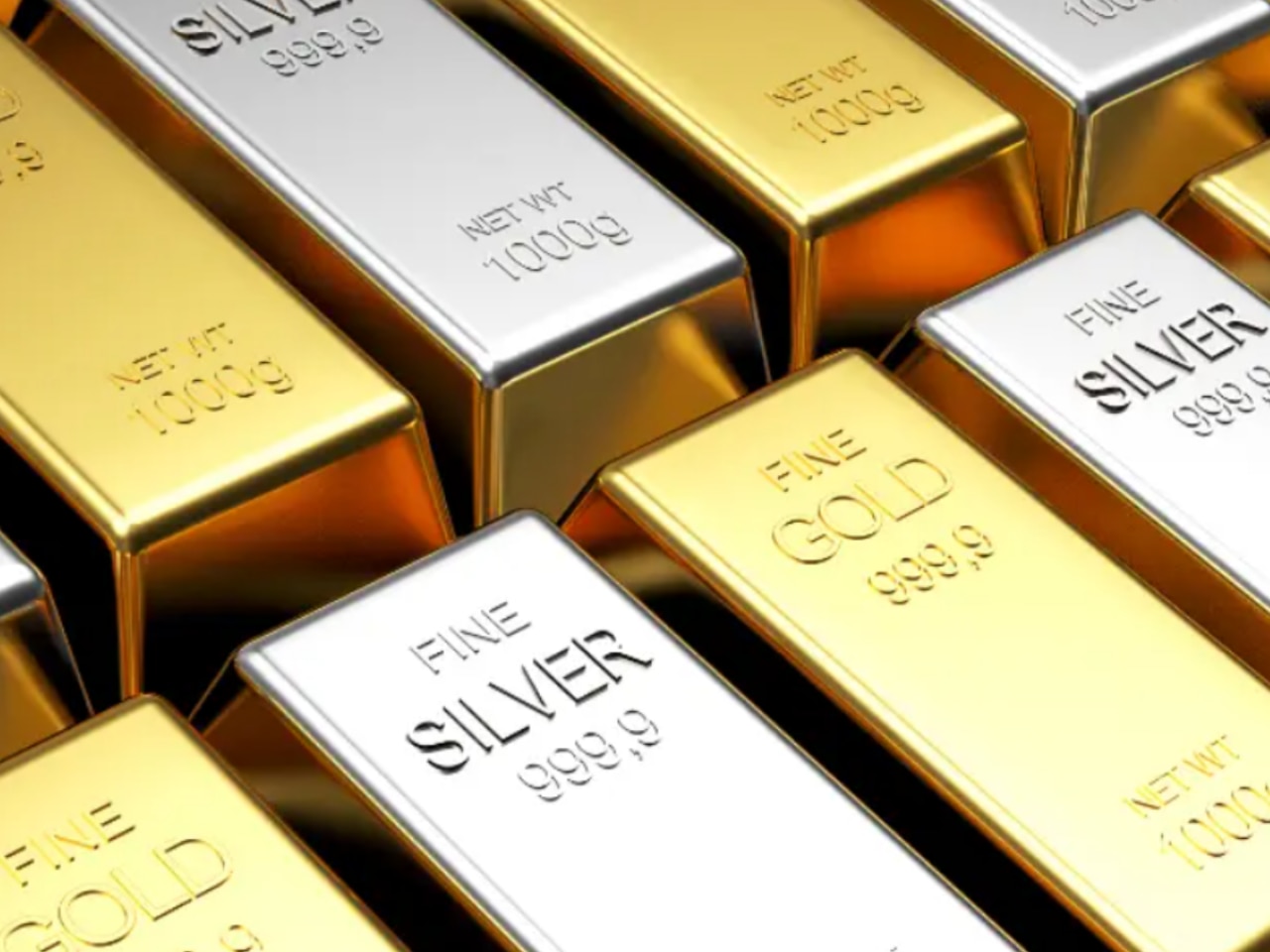
This detailed analysis delves into the current pricing landscape for gold and silver, exploring the underlying factors shaping these values and examining the broader implications for consumers, investors, and the Indian economy.
Current Market Snapshot: Gold and Silver on August 13, 2026
As of today, August 13, 2026, the precious metals market in India presents a mixed but generally firm picture. Gold prices have seen a marginal increase, primarily attributed to sustained global demand and persistent inflationary concerns that continue to ripple through economies worldwide. The benchmark price for 24K gold (999 pure gold) hovers around Rs 15,487 per gram, while 22K gold, the preferred choice for jewellery, is priced at approximately Rs 14,196 per gram.
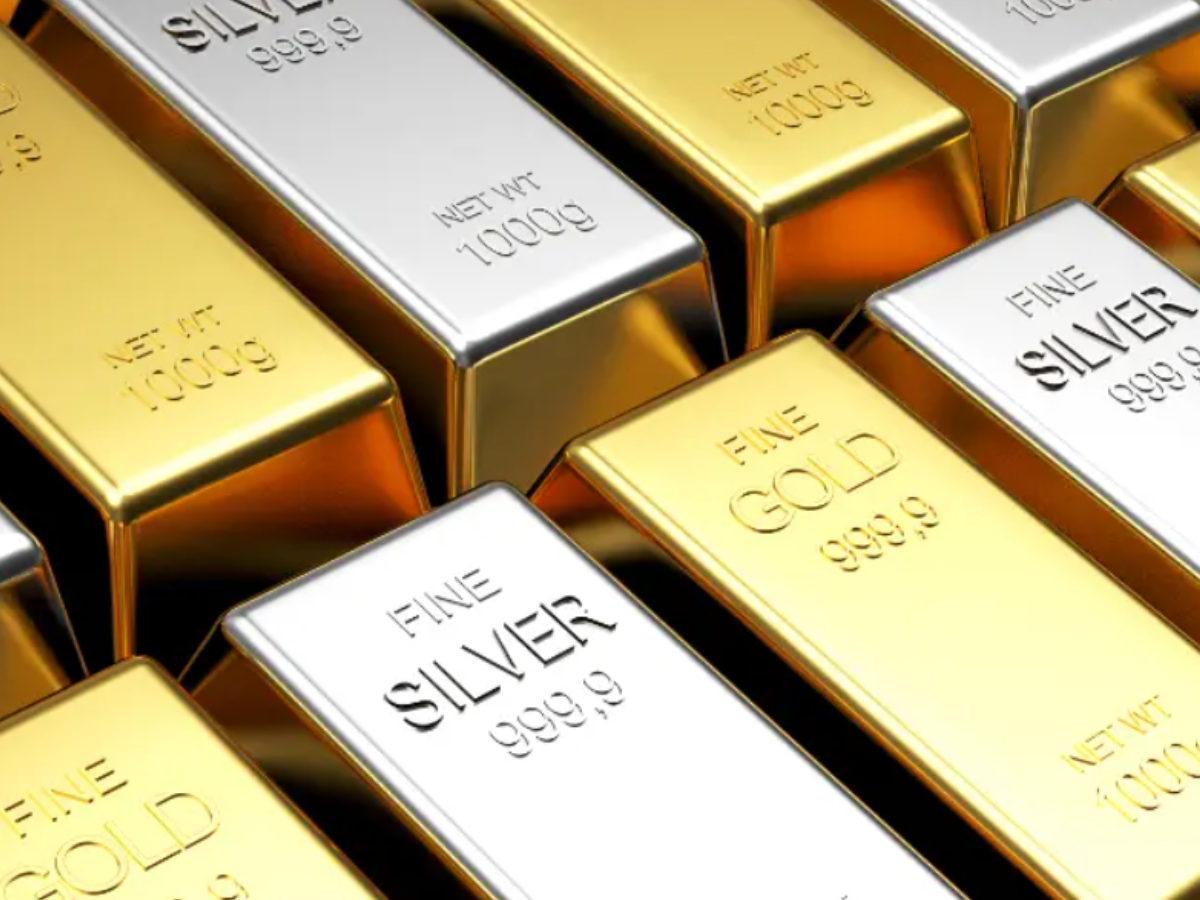)
Silver, often considered the "poor man’s gold," also holds significant value for both investment and industrial applications. The price for 999 pure silver stands at roughly Rs 2,54,900 per kilogram, with sterling silver (925 purity) slightly lower at Rs 2,54,000 per kilogram. These figures underscore the intrinsic value and economic significance of these metals in the Indian context.
The fluctuations observed today are not isolated events but rather part of an ongoing narrative influenced by a multitude of interconnected factors. From the trading floors of London and New York to the bustling bazaars of Delhi and Mumbai, every economic signal, geopolitical development, and domestic festival plays a role in determining the daily rates that millions of Indians track closely.

Chronology of Market Dynamics: A Recent History of Precious Metals
The current price points for gold and silver on August 13, 2026, are a culmination of several weeks and months of market activity, reflecting a pattern of measured growth and strategic responses to global events.
Gold’s Steady Ascent in 2026
Throughout the first half of 2026, gold has largely maintained an upward trajectory, cementing its role as a safe-haven asset. Following a period of heightened economic uncertainty in late 2025, marked by fluctuating inflation rates and concerns over global growth, investors increasingly turned to gold. Central banks, too, continued their strategic accumulation of gold reserves, further bolstering its demand.
)
The initial months of 2026 saw gold prices react to a series of key events:
- January-March: Global inflation figures, particularly from major economies like the US and Eurozone, showed stubborn persistence, fueling gold’s appeal as an inflation hedge. Geopolitical tensions in Eastern Europe and parts of the Middle East also provided intermittent boosts to safe-haven buying.
- April-June: The US Federal Reserve’s monetary policy pronouncements, especially regarding interest rate adjustments, became a critical determinant. While aggressive rate hikes in previous years had sometimes dampened gold’s non-yielding appeal, the market’s expectation of a more measured approach, or even potential cuts later in the year, provided underlying support. A stronger US dollar at times exerted downward pressure, but this was often offset by robust physical demand, particularly from Asian markets.
- July-Early August: The run-up to the Indian festive season began to subtly influence domestic demand. While not yet in full swing, anticipatory buying by jewellers and a gradual increase in consumer interest ahead of key festivals like Raksha Bandhan and Ganesh Chaturthi contributed to a firming local market. Global supply chain issues, though less severe than in previous years, still had a minor impact on refining and distribution costs.
The "slight increase" noted today is indicative of this sustained positive sentiment, suggesting that the underlying drivers of demand – inflation hedging and safe-haven appeal – remain potent.
)
Silver’s Volatile Yet Promising Journey
Silver’s price trajectory in 2026 has been characterized by greater volatility compared to gold, a common trait owing to its dual identity as both a precious metal and an industrial commodity.
- Early 2026: Silver initially lagged gold, as industrial demand faced headwinds from a cautious global manufacturing outlook. However, as optimism surrounding renewable energy and semiconductor industries picked up, silver’s industrial prospects brightened. Its use in solar panels, electric vehicles, and 5G technology became increasingly significant.
- Mid-2026: Periods of strong economic data from major industrial nations provided a lift to silver, as did any sustained rally in gold, which often pulls silver along with it. However, any slowdown in manufacturing output or a dip in global economic confidence quickly translated into price corrections for silver, highlighting its sensitivity to economic cycles.
- July-Early August: Like gold, silver began to see some pre-festive season buying in India, but its primary driver remained global industrial demand. Reports on manufacturing PMIs (Purchasing Managers’ Indices) and technological advancements continued to be closely watched indicators for silver investors.
The current price for silver on August 13, 2026, reflects a balance of these forces: steady investment interest combined with robust, albeit sometimes fluctuating, industrial consumption. The higher price in Chennai for 999 silver today (Rs 2,599 per 10 grams) compared to other metros (Rs 2,549 per 10 grams) suggests specific regional demand dynamics or localized supply chain factors at play.
)
Supporting Data: A Deep Dive into Current Prices and Influencing Factors
The daily prices of gold and silver are not arbitrary numbers; they are the result of a complex algorithm of global and local economic indicators. Here’s a detailed breakdown of today’s prices and the critical factors at play.
Gold Prices on August 13, 2026: Detailed City-wise Breakdown
Today, the Indian gold market exhibits slight regional variations, reflecting localized taxes, logistical costs, and specific demand patterns. The rates, sourced from reliable market aggregators like Good Returns, are as follows:
)
- 24K Gold (999 Purity):
- Mumbai: Rs 15,487 per gram
- Kolkata: Rs 15,487 per gram
- Chennai: Rs 15,492 per gram
- Delhi: Rs 15,502 per gram
- 22K Gold (91.67% Purity, Jewellery Standard):
- Mumbai: Rs 14,196 per gram
- Kolkata: Rs 14,196 per gram
- Chennai: Rs 14,201 per gram
- Delhi: Rs 14,211 per gram
The subtle differences, such as Delhi’s slightly higher rates, can be attributed to factors like transportation costs from refining hubs, specific state-level taxes or levies, and the density of demand in particular urban centers. Delhi, being a major consumption and trading hub, often sees slightly distinct pricing structures.
Key Influencing Factors for Gold:
- International Gold Price (COMEX/LBMA): The global benchmark prices set in markets like COMEX (New York) and the London Bullion Market Association (LBMA) are the primary determinants. Any movement in these international rates directly translates to domestic prices, adjusted for currency.
- USD-INR Exchange Rate: Since India imports a significant portion of its gold, the exchange rate between the US Dollar and the Indian Rupee is crucial. A stronger dollar makes gold imports more expensive in rupee terms, pushing up local prices, and vice versa. As of August 13, 2026, the Rupee’s relative stability or slight depreciation against the Dollar could be contributing to the current prices.
- Inflationary Pressures: Gold is widely considered a hedge against inflation. With global inflation showing persistence, investors seek refuge in gold to preserve purchasing power. The current economic climate, marked by rising costs of goods and services, makes gold an attractive asset.
- Interest Rates and Monetary Policy: Central bank decisions on interest rates globally, especially by the US Federal Reserve, significantly impact gold. Higher interest rates increase the opportunity cost of holding non-yielding assets like gold, potentially dampening demand. Conversely, lower rates or expectations of rate cuts tend to support gold prices.
- Geopolitical Stability: Periods of global political instability, conflicts, or economic crises typically drive investors towards safe-haven assets like gold, leading to price surges. While no major new crisis erupted on August 13, ongoing global uncertainties provide underlying support.
- Domestic Demand (Festive Season and Weddings): India is one of the world’s largest consumers of gold. The upcoming festive season (Raksha Bandhan, Ganesh Chaturthi, Diwali, and the subsequent wedding season) traditionally witnesses a surge in demand for gold jewellery and coins, providing a strong floor to domestic prices.
- Government Policies: Import duties, taxes (like GST), and regulations imposed by the Indian government also play a significant role in shaping local gold prices and market dynamics. These policies aim to manage trade deficits and curb illicit trade.
Silver Prices on August 13, 2026: Detailed City-wise Breakdown
Silver, while less expensive than gold, is a pivotal commodity with diverse applications. Today’s prices reflect its dual nature:
)
- 999 Pure Silver:
- Delhi: Rs 2,549 per 10 grams (equivalent to Rs 2,54,900 per kilogram)
- Mumbai: Rs 2,549 per 10 grams (equivalent to Rs 2,54,900 per kilogram)
- Kolkata: Rs 2,549 per 10 grams (equivalent to Rs 2,54,900 per kilogram)
- Chennai: Rs 2,599 per 10 grams (equivalent to Rs 2,59,900 per kilogram)
- 925 Sterling Silver: Approximately Rs 2,54,000 per kilogram (or Rs 2,540 per 10 grams, an indicative national average).
The notable higher price in Chennai for 999 silver could be attributed to a confluence of factors unique to the region, such as higher local demand for silver ornaments, specific state taxes, or logistical costs in the Southern Indian market. Chennai is a significant hub for silver trading and consumption, particularly for traditional jewellery.
Key Influencing Factors for Silver:
- Industrial Demand: This is a paramount driver for silver. Its use in electronics, solar panels, automotive industry (especially EVs), medical applications, and photography accounts for over half of its annual demand. A robust global manufacturing sector typically boosts silver prices, while a slowdown can depress them. As of mid-2026, a moderately optimistic outlook for tech and green energy sectors supports silver.
- Investment Demand: Often referred to as "poor man’s gold," silver also serves as an investment vehicle. Its price movements generally correlate with gold, though with higher volatility due to its smaller market size and industrial exposure. Investors often buy silver as a hedge against inflation and economic uncertainty.
- Supply Dynamics: Mine production, recycling rates, and existing stockpiles all impact silver’s supply. Any disruption in mining operations or significant changes in recycling volumes can affect prices.
- Gold-Silver Ratio: This ratio indicates how many ounces of silver are needed to buy one ounce of gold. Historically, a high ratio suggests silver is undervalued relative to gold, potentially signaling a buying opportunity for silver, and vice-versa. Market participants constantly monitor this ratio for trading cues.
- Currency Fluctuations: Similar to gold, silver prices in India are sensitive to the USD-INR exchange rate, as a significant portion is imported.
- Global Market Trends: Broader trends in commodity markets, investor sentiment, and global economic health have a direct bearing on silver prices.
Official Responses and Expert Outlook
While government bodies typically refrain from commenting on daily price fluctuations, the broader sentiment from market analysts, economists, and industry associations provides crucial insights into the current and future trajectory of precious metals.
)
Market Analysts’ Consensus
"The slight uptick in gold prices on August 13, 2026, is a clear indicator of sustained investor confidence in gold as a long-term store of value," states Dr. Ananya Sharma, a leading bullion market analyst based in Mumbai. "Despite some global economic recovery efforts, inflationary pressures, coupled with lingering geopolitical uncertainties, are compelling investors to allocate a portion of their portfolios to gold. We anticipate this trend to continue, especially as we approach the peak festive and wedding season in India, which traditionally provides strong domestic demand."
Mr. Rajesh Kumar, a senior economist at a prominent financial institution, adds, "The rupee-dollar exchange rate will remain a pivotal factor. Any significant depreciation of the Indian Rupee against the US Dollar could further push up local gold prices, even if international rates remain stable or slightly dip. The Reserve Bank of India’s (RBI) monetary policy decisions and their impact on the rupee will be keenly watched."
)
Regarding silver, Ms. Priya Singh, a commodity strategist, notes, "Silver’s performance today underscores its dual nature. While it benefits from investment interest similar to gold, its industrial demand component is critical. We’re seeing robust demand from the solar energy sector and electronics manufacturing, which provides a strong base for silver prices. However, it remains more susceptible to global manufacturing slowdowns than gold." She further highlights that "the gold-silver ratio is currently hovering around historical averages, suggesting that silver is not significantly over or undervalued relative to gold at this point, but this can change rapidly with new industrial data."
Industry Perspectives
Representatives from India’s jewellery sector are cautiously optimistic. Mr. Alok Verma, President of the All India Gem & Jewellery Domestic Council, commented, "Demand has been steady in the run-up to the festive season. Consumers are accustomed to price fluctuations, but the intrinsic cultural value of gold and silver in India ensures consistent buying. We are preparing for a strong festive season, anticipating healthy sales volumes, particularly for 22K gold jewellery."
)
He also points out the challenges: "High prices, coupled with import duties, can sometimes channel demand towards the unorganized sector. The industry consistently advocates for stable policy frameworks that support organized retail and ensure transparency for consumers."
Government and RBI’s Indirect Influence
While direct comments on daily prices are rare, the Indian government and the Reserve Bank of India (RBI) indirectly influence the bullion market through their policies:
)
- Import Duties: The government’s decision on import duties for gold and silver directly impacts the landed cost for importers, which then trickles down to consumer prices. These duties are often adjusted to manage the current account deficit and control gold imports.
- Monetary Policy: The RBI’s management of the Rupee’s exchange rate against major currencies, through interventions or interest rate decisions, directly affects the cost of imported precious metals. A stable or stronger Rupee can alleviate some price pressures.
- Taxation (GST): The Goods and Services Tax (GST) levied on gold and silver transactions also contributes to the final consumer price, impacting affordability and demand.
Implications for Stakeholders and Future Outlook
The current pricing trends for gold and silver on August 13, 2026, carry significant implications for various stakeholders and offer a glimpse into the potential future trajectory of these vital commodities.
Implications for Consumers
For the average Indian consumer, especially those planning weddings or festive purchases, the current prices present a mixed picture. The slight increase in gold might lead some to postpone non-urgent purchases, hoping for a correction. However, the deep-rooted cultural significance of gold and silver ensures that demand, particularly for auspicious occasions, remains relatively inelastic. Many may opt for smaller quantities or lighter designs to manage budgets. The availability of schemes like Gold Savings Plans, where consumers can lock in prices or accumulate gold gradually, could become more popular as a hedge against future price volatility.
)
Impact on Jewellers and Retailers
Jewellers and retailers face the challenge of balancing inventory management with fluctuating prices. A rising price trend can boost the value of existing stock but might deter new purchases if consumers become price-sensitive. Conversely, a stable or slightly increasing market fosters confidence. Retailers will be keenly observing demand patterns leading into the peak festive season (Dhanteras, Diwali) and strategizing their procurement and marketing efforts accordingly. The higher prices also mean increased working capital requirements, potentially impacting smaller businesses more acutely. Digital gold platforms and transparent pricing models are becoming increasingly important for attracting modern consumers.
Perspective for Investors
For investors, gold and silver continue to serve as crucial portfolio diversifiers. In an environment of persistent inflation and global economic uncertainties, precious metals offer a tangible asset that often moves inversely to traditional financial assets like stocks and bonds. Short-term traders might look for opportunities in the daily fluctuations, while long-term investors are likely to view the current levels as part of a sustained upward trend, especially given the macroeconomic backdrop. The increasing accessibility of gold and silver ETFs (Exchange Traded Funds) and digital gold platforms has democratized investment, allowing a wider range of individuals to participate in the bullion market without the need for physical storage.
)
Economic Repercussions for India
India’s significant reliance on gold and silver imports has broader economic implications. Higher prices, coupled with strong domestic demand, can lead to an increased import bill, potentially widening the current account deficit. The government’s import duty policies are often a delicate balancing act between managing trade balances and supporting the domestic jewellery industry. Furthermore, the flow of remittances from Non-Resident Indians (NRIs) often correlates with gold purchases, influencing foreign exchange reserves. The health of the monsoon season, impacting rural incomes, also indirectly affects gold demand, as agricultural prosperity often translates into increased discretionary spending on precious metals.
Future Outlook and Key Indicators to Watch
Looking ahead, the precious metals market is poised to remain highly reactive to global and domestic developments. Several key indicators will dictate the trajectory of gold and silver prices:
)
- Global Inflation Data: Any signs of inflation easing or accelerating significantly will directly impact gold’s appeal as a hedge.
- Central Bank Policies: Decisions by the US Federal Reserve, European Central Bank, and other major central banks regarding interest rates and quantitative easing/tightening will be paramount.
- Geopolitical Developments: Any escalation or de-escalation of international conflicts or political instability will continue to influence safe-haven flows.
- USD Performance: The strength or weakness of the US Dollar against other major currencies, especially the Indian Rupee, will directly affect import costs.
- Industrial Growth: For silver, the growth trajectory of key industrial sectors like solar energy, electronics, and electric vehicles will be crucial.
- Indian Festive Season: The actual demand during the upcoming festive and wedding season will provide a strong indication of domestic consumer sentiment and purchasing power.
- Economic Growth Projections: Global and domestic GDP growth forecasts will influence overall investment sentiment and industrial demand for silver.
In conclusion, August 13, 2026, marks another day of active trading in India’s precious metals market. While current prices reflect a nuanced interplay of forces, the underlying trends suggest that gold will likely maintain its robust position as a safe haven, and silver will continue its dance between investment appeal and industrial utility. Both metals remain indispensable components of India’s economic and cultural fabric, their values constantly re-evaluated by the ever-changing tides of global finance and local traditions.
Find your daily dose of All Latest News including Sports News, Entertainment News, Lifestyle News, explainers & more. Stay updated, Stay informed- Follow DNA on WhatsApp.
