

PERSONAL FINANCE
As of June 12, 2026, the venerable markets for gold and silver in India continue to reflect a dynamic interplay of global economic forces, nuanced local demand patterns, and the ever-present fluctuations in currency exchange rates. These precious metals, deeply embedded in India’s cultural fabric and economic landscape, remain barometers of both domestic sentiment and international stability. Today’s figures reveal a slight uptick in gold prices, driven by persistent global inflationary pressures and sustained investor interest, while silver maintains a robust position, buoyed by its dual appeal as an industrial commodity and an investment asset.
The enduring allure of gold and silver in India transcends mere economic valuation; it is interwoven with centuries of tradition, forming the bedrock of family savings, cultural celebrations, and a tangible hedge against economic uncertainties. From intricate bridal jewellery to auspicious ceremonial gifts, and from strategic portfolio diversification to essential industrial components, these metals command significant attention across the subcontinent. Understanding their daily price movements, therefore, requires a comprehensive analysis of both macro-economic indicators and micro-level market dynamics.
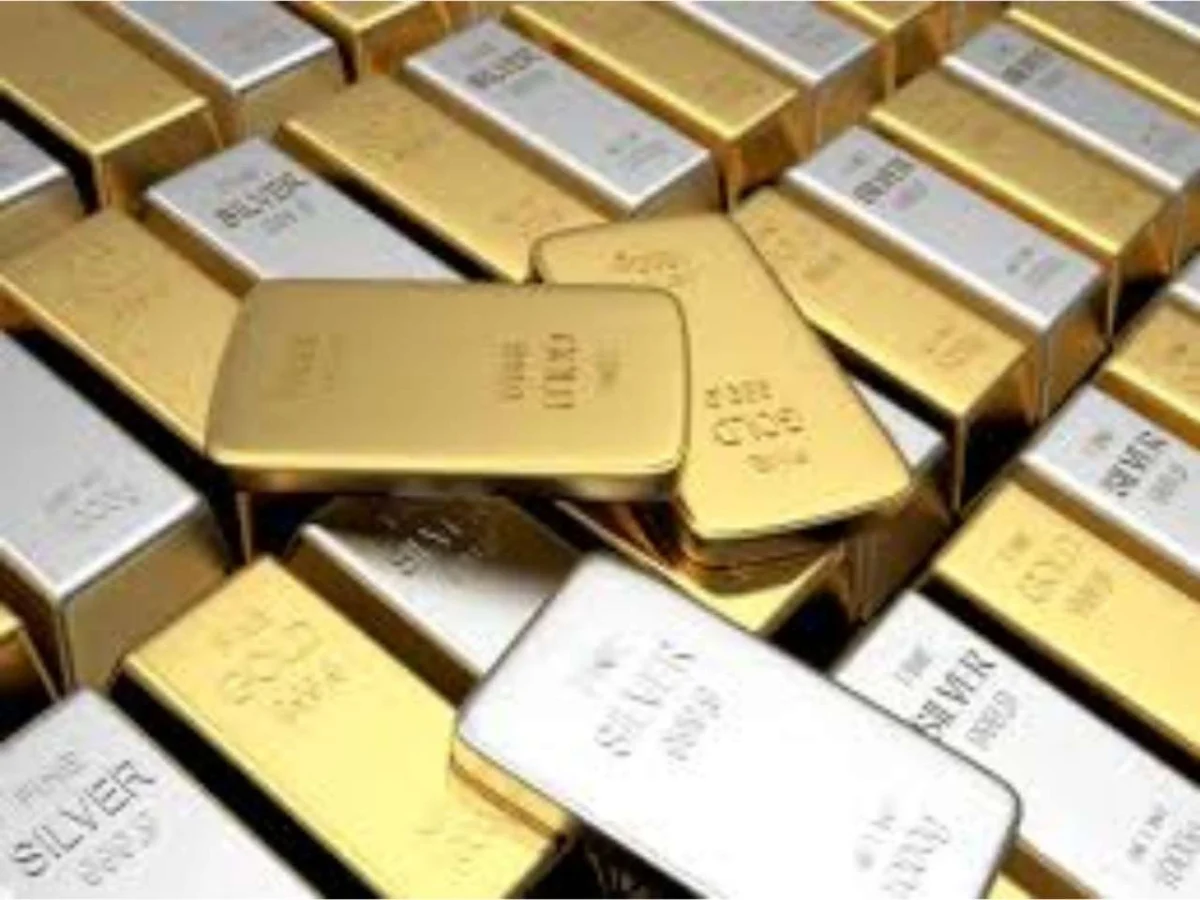
Today’s snapshot reveals 24K gold (999 purity) trading at an average of Rs 14,563 per gram, while 22K gold, the preferred choice for jewellery, is priced around Rs 13,349 per gram. Silver, often dubbed the ‘poor man’s gold’ but increasingly recognized for its industrial utility, is fetching approximately Rs 2,49,900 per kilogram for 999 pure silver, with sterling silver (925 purity) at Rs 2,44,000 per kilogram. These figures, while seemingly straightforward, are the culmination of intricate global supply-demand equations, central bank policies, and the domestic purchasing power of the Indian Rupee.
The Enduring Allure: Precious Metals in the Indian Context
India’s relationship with gold, in particular, is unique. It is not merely a commodity; it is a cultural icon, a symbol of wealth, status, and divine blessing. Gold purchases spike during major festivals like Diwali, Akshaya Tritiya, and during the extensive wedding seasons that span much of the year. For many Indian households, gold represents the ultimate form of savings, a liquid asset that can be passed down through generations and accessed during times of need. This deeply ingrained cultural preference ensures a baseline of demand that often insulates the Indian market from some of the more extreme global volatilities, though not entirely.
Silver, while perhaps not holding the same ceremonial gravitas as gold, plays an equally vital role. Historically used for utensils, religious idols, and traditional jewellery, its modern appeal has expanded significantly due to its increasing industrial applications. From solar panels and electrical components to medical devices and water purification systems, silver’s conductivity and anti-bacterial properties make it indispensable in a rapidly advancing technological world. This dual demand profile – traditional and industrial – gives silver a distinct market character, often leading to price movements that can sometimes diverge from gold.
)
The daily price fluctuations, therefore, are not just numbers; they reflect the pulse of the Indian economy, the spending power of its vast population, and the strategic decisions made by investors, manufacturers, and central banks worldwide.
Chronology: Tracing the Market’s Path to June 12, 2026
The current pricing on June 12, 2026, is a culmination of trends observed over the preceding months, marked by a complex interplay of global economic signals and domestic market forces.
Recent Trends: A Quarter of Cautious Ascent
The second quarter of 2026 has witnessed a steady, albeit cautious, ascent in gold prices globally, a trend mirrored in the Indian market. Following a period of relative consolidation in late 2025 and early 2026, gold began its upward trajectory in earnest around March, primarily fueled by renewed concerns over persistent global inflation. Major economies, despite concerted efforts by central banks, have struggled to bring inflation consistently back to target levels, leading investors to seek safe havens. Gold, with its historical reputation as an inflation hedge, naturally became a preferred asset.

In April, geopolitical tensions, particularly in the Middle East and parts of Eastern Europe, flared up periodically, providing additional impetus for safe-haven buying. Each uptick in global instability corresponded with a noticeable jump in gold futures, influencing spot prices across major markets, including India. The US Federal Reserve’s cautious stance on interest rate cuts, coupled with mixed economic data from China and Europe, further contributed to market uncertainty, driving capital towards less volatile assets like precious metals.
May saw a slight deceleration in gold’s ascent as some of the geopolitical risks temporarily subsided, and the US dollar showed intermittent strength. However, this dip proved to be short-lived. By early June, stronger-than-expected inflation data from several G7 nations rekindled concerns about future monetary policy and economic stability, pushing gold prices back towards their upward trajectory, culminating in today’s rates.
Silver, throughout this period, has largely followed gold’s lead but with its own unique drivers. Its industrial demand component has been particularly robust, propelled by a global push towards renewable energy infrastructure, especially solar power. Reports from the International Energy Agency in late 2025 projected continued strong growth in solar installations through 2026, ensuring a healthy baseline demand for silver. While geopolitical events provided a safe-haven boost, it was the consistent industrial consumption that provided a strong floor for silver prices, allowing it to maintain its value even during periods of gold’s consolidation.
)
Historical Context: Echoes of Past Volatility and Resilience
The current market sentiment resonates with patterns observed during previous periods of economic uncertainty. Historically, gold has proven its mettle during times of high inflation (as seen in the 1970s and early 2000s) and financial crises (like the 2008 global financial crisis and the initial phase of the COVID-19 pandemic). India’s domestic market, too, has a long memory, recalling periods where gold acted as the ultimate financial safety net. This ingrained belief contributes to the sustained demand, even when prices appear elevated.
Silver, too, has experienced significant volatility and growth. Its industrial applications mean its price can be more susceptible to global manufacturing output and technological advancements. However, its lower price point compared to gold often makes it more accessible to a broader range of investors and consumers, further cementing its role in the Indian market. The current dynamics suggest a market that has learned from past volatilities, with investors seeking diversified portfolios and consumers viewing precious metals as long-term wealth preservation tools.
Supporting Data: Deconstructing the Price Determinants
The prices observed today are not arbitrary figures but the result of a complex web of interconnected factors, both global and domestic.
)
Global Market Dynamics
The international market sets the primary benchmark for gold and silver. Major trading hubs like London and New York (COMEX) dictate global spot prices, which are then translated into local currencies.
- International Gold Prices: The benchmark price for gold is typically set in US dollars per troy ounce. Any movement in this global price, influenced by supply-demand dynamics from major producers and consumers, instantly impacts prices in India.
- US Dollar Exchange Rate: The relationship between precious metals and the US Dollar is often inverse. When the dollar strengthens, gold becomes more expensive for holders of other currencies, potentially dampening demand. Conversely, a weakening dollar makes gold relatively cheaper, boosting demand. For India, the INR/USD exchange rate is crucial. A depreciating Indian Rupee against the US Dollar means that even if the international gold price remains stable, the local price in rupees will increase, making imports more expensive. This inflationary effect directly translates to higher consumer prices.
- Geopolitical Factors: Global instability, conflicts, trade wars, or significant political upheavals often trigger a "flight to safety," with investors flocking to gold as a safe-haven asset. The ongoing tensions in various parts of the world have consistently provided underlying support for gold prices throughout 2026.
- Central Bank Policies: Decisions by major central banks, particularly the US Federal Reserve, regarding interest rates, quantitative easing, or tightening, significantly influence gold prices. Higher interest rates typically make non-yielding assets like gold less attractive compared to interest-bearing bonds. Conversely, low-interest rates or dovish monetary policies tend to boost gold’s appeal. Furthermore, central banks around the world have been net buyers of gold in recent years, diversifying their reserves away from traditional fiat currencies, providing a significant demand floor.
- Inflationary Pressures: Gold is widely considered a hedge against inflation. When the cost of living rises and the purchasing power of fiat currencies erodes, investors often turn to gold to preserve their wealth. The persistent inflationary environment globally, despite central bank efforts, has been a key driver for gold’s upward momentum in 2026.
Domestic Influences
While global factors set the broad trends, local Indian dynamics introduce their own layer of complexity.
- Local Demand: India’s insatiable appetite for gold, particularly during festive seasons (Diwali, Akshaya Tritiya, Dussehra) and wedding seasons, creates significant spikes in demand. This cultural and traditional demand often overrides short-term price fluctuations, as purchases are seen as auspicious and necessary.
- Government Policies: Import duties on gold and silver, as well as Goods and Services Tax (GST) rates, directly impact the final consumer price. Changes in these policies can lead to immediate price adjustments and influence smuggling activities if prices become excessively high. The government continuously monitors these duties to balance revenue generation with managing the current account deficit.
- Cultural Significance: The deep-rooted cultural importance of gold and silver ensures a consistent baseline demand, irrespective of global market conditions. For many, owning gold is not just an investment but a matter of social standing and tradition.
Detailed Price Breakdown: Gold on June 12, 2026
The Indian gold market differentiates primarily between 24K and 22K gold, catering to investment and jewellery segments, respectively.
)
-
24K Gold (999 Purity): This is the purest form of gold, containing 99.9% pure gold. It is primarily used for investments in the form of gold bars, coins, or digital gold.
- All-India Average: Rs 14,563 per gram.
- Delhi: Rs 14,578 per gram. The capital often sees slightly higher prices due to strong demand and logistics.
- Mumbai: Rs 14,563 per gram. As India’s financial hub, Mumbai’s prices often align closely with the national average.
- Kolkata: Rs 14,563 per gram. The city’s traditional market typically mirrors Mumbai’s rates.
- Chennai: Rs 14,727 per gram. Chennai consistently records higher prices, attributable to strong regional cultural demand for gold, particularly in South India.
-
22K Gold (91.67% Purity): This alloy contains 91.67% pure gold and the remaining 8.33% consists of other metals like copper or silver, added to increase durability and make it suitable for crafting intricate jewellery.
- All-India Average: Rs 13,349 per gram.
- Delhi: Rs 13,364 per gram.
- Mumbai: Rs 13,349 per gram.
- Kolkata: Rs 13,349 per gram.
- Chennai: Rs 13,499 per gram.
Detailed Price Breakdown: Silver on June 12, 2026
Silver, like gold, is categorized by purity, with 999 pure silver being the benchmark for investment and industrial use, and 925 sterling silver for jewellery.
)
-
Silver 999 (Pure Silver): This is 99.9% pure silver, used for investment bars, coins, and industrial applications.
- All-India Average: Rs 2,49,900 per kilogram (or Rs 2,499 per 10 grams).
- Delhi: Rs 2,499 per 10 grams.
- Mumbai: Rs 2,499 per 10 grams.
- Kolkata: Rs 2,499 per 10 grams.
- Chennai: Rs 2,499 per 10 grams. Notably, city-wise variations for silver are often less pronounced than gold, reflecting its more uniform market structure and broader industrial utility across regions.
-
Silver 925 (Sterling Silver): Containing 92.5% pure silver and 7.5% other metals (usually copper), this alloy is highly favored for jewellery, silverware, and decorative items due to its durability and malleability.
- All-India Average: Rs 2,44,000 per kilogram.
Official Responses and Expert Commentary
The intricate dance of precious metal prices rarely goes unremarked by market analysts, industry experts, and policymakers. Their insights provide crucial context to the daily figures.
)
Market Analysts’ Perspectives
"The current uptick in gold prices reflects a broader global sentiment of cautious optimism mixed with lingering inflation concerns," noted Ms. Priya Sharma, a Senior Commodities Analyst at Apex Capital. "Investors are increasingly diversifying into precious metals as a hedge against market volatility and currency devaluation. We are seeing a sustained institutional interest, suggesting that this isn’t just a speculative rally but a strategic re-allocation of assets in a somewhat uncertain economic environment. The slight dip in May was quickly absorbed, indicating strong underlying support."
Mr. Rajesh Kumar, an independent precious metals consultant, highlighted silver’s unique position. "Silver continues to benefit from its dual role. While it tracks gold as a safe haven during geopolitical instability, its industrial applications, particularly in green technologies like solar panels and electric vehicles, provide a robust floor and significant upside potential. As the world pushes harder for decarbonization, silver’s demand from these sectors is only going to grow, potentially decoupling its performance from gold to some extent in the long run." He added, "The consistent pricing across cities for silver today also suggests a more liquid and less fragmented market compared to gold, which has strong regional consumption patterns."
Industry Stakeholder Views
The All India Gem & Jewellery Domestic Council (GJC) spokesperson commented on the domestic market’s resilience. "Despite the rising prices, consumer demand, particularly for wedding jewelry, remains resilient. Indian buyers have a long-term view on gold, often seeing it as an intergenerational asset rather than a mere commodity. While high prices can cause temporary deferrals in non-essential purchases, core demand for auspicious occasions persists. Jewelers are adapting by offering lighter weight designs and promoting diamond-studded jewellery to cater to evolving consumer preferences and budget constraints."
)
A leading Mumbai-based jeweller, Mr. Sanjay Mehta of Mehta & Sons, shared his observations: "We’ve seen customers becoming more discerning. They are well-informed about global trends and exchange rates. While 24K gold coins and bars remain popular for pure investment, for jewellery, there’s a growing inclination towards innovative designs in 22K gold, often combined with precious stones, to maximize aesthetic appeal within a budget."
Potential Regulatory Insights
While no immediate policy changes were announced today, sources within the Ministry of Finance indicate a continued monitoring of gold imports to manage the nation’s current account deficit. "The government remains committed to ensuring a stable economic environment," a senior official, requesting anonymity, stated. "Gold imports, while culturally significant, represent a substantial outflow of foreign exchange. We continually evaluate import duties and other measures to strike a balance between domestic demand and macroeconomic stability. There is also an ongoing push to encourage digital gold investments to formalize the market and reduce reliance on physical imports." The Reserve Bank of India (RBI) is also reportedly keeping a close watch on global liquidity and interest rate movements, which indirectly impact the attractiveness of gold as an alternative asset to fixed-income instruments.
Implications: Navigating the Precious Metals Landscape
The current price trends for gold and silver have far-reaching implications for various stakeholders within the Indian economy.
)
For Investors
For seasoned investors, the current environment presents a mixed bag. Gold’s role as a safe haven during economic uncertainty and inflation continues to be validated, making it an attractive portfolio diversifier. However, its non-yielding nature means opportunity costs against rising interest rates in other assets. Long-term investors, particularly those seeking to preserve capital, may find gold and silver appealing, while short-term traders need to navigate the inherent volatility driven by daily news cycles and economic data. The emergence of digital gold platforms and Gold ETFs has also made investment more accessible, allowing investors to participate without the hassles of physical storage.
For Consumers
Indian consumers, especially those planning weddings or significant festive purchases, face higher costs. While the cultural imperative for gold often leads to purchases despite high prices, it might encourage a shift towards lighter jewellery, or a preference for silver and other precious stones as alternatives. The price difference between cities, particularly Chennai’s higher rates, means consumers might need to be strategic about where and when they make their purchases, although convenience and trusted relationships with local jewellers often outweigh minor price disparities.
For Jewelers and Industry
The jewellery industry operates on thin margins, and fluctuating gold and silver prices pose significant challenges for inventory management and hedging. Jewelers must constantly adjust their pricing, manage their gold inventories efficiently, and often hedge their positions to mitigate risk. The rise in prices also necessitates higher working capital, potentially straining smaller businesses. On the positive side, a steady upward trend can instill confidence among consumers for long-term value, encouraging purchases. The industrial users of silver, such as electronics manufacturers and solar panel producers, will need to factor in the higher raw material costs, which could impact their profit margins or lead to slight increases in the final product prices.
)
Broader Economic Impact
From a national economic perspective, the elevated prices of gold and silver contribute to India’s import bill, potentially widening the current account deficit if domestic demand remains robust. This places pressure on the Indian Rupee. However, the vast existing reserves of gold within Indian households also represent a significant, albeit largely untapped, store of wealth that can act as a buffer during economic downturns. Policy makers continually strive to find a balance, encouraging responsible gold consumption and investment while managing its macroeconomic implications. The growing investment in silver for industrial applications also positions India to benefit from global technological advancements, though it also makes the nation dependent on international supply chains for this crucial metal.
Conclusion
As of June 12, 2026, the prices of gold and silver in India are a testament to the complex interplay of global economic forces, deep-seated cultural values, and evolving industrial demands. Gold’s slight increase reflects persistent inflationary concerns and safe-haven buying, while silver maintains its strength from both investment and rapidly expanding industrial applications. The detailed city-wise breakdown reveals subtle regional variations, particularly for gold, underscoring the fragmented yet resilient nature of the Indian precious metals market.
Moving forward, market watchers will remain vigilant, monitoring international monetary policy shifts, geopolitical developments, the US Dollar’s trajectory, and India’s unique domestic demand patterns. For investors, consumers, and industry stakeholders alike, understanding these intricate dynamics is paramount to navigating the rich and ever-changing landscape of gold and silver in India. The enduring appeal of these metals ensures their continued prominence, not just as commodities, but as cornerstones of wealth, tradition, and economic stability.
)
Find your daily dose of All Latest News including Sports News, Entertainment News, Lifestyle News, explainers & more. Stay updated, Stay informed- Follow DNA on WhatsApp.
