

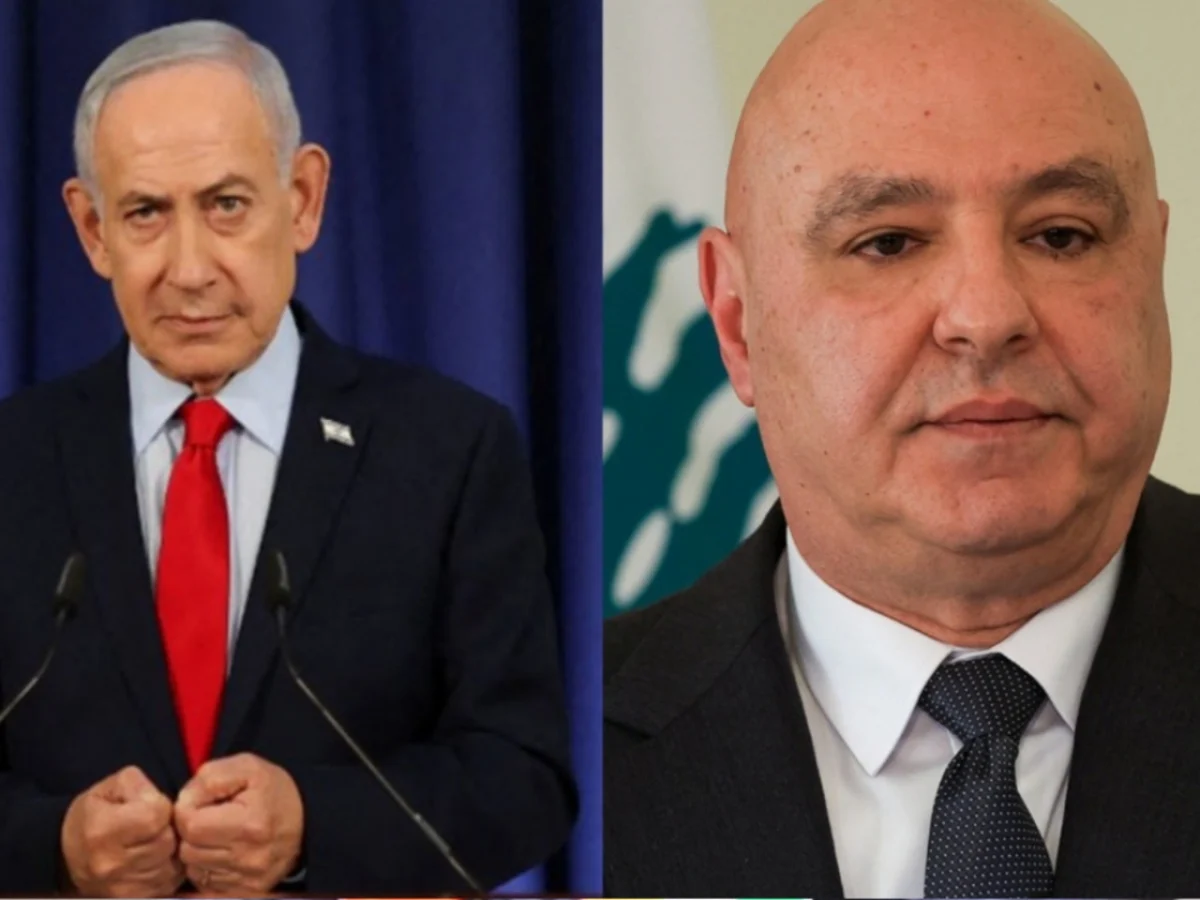
Washington D.C. – In a significant diplomatic push aimed at de-escalating long-standing hostilities, the United States is currently hosting high-level Israeli and Lebanese delegations in Washington for three days of intensive negotiations. The talks, facilitated by the U.S. State Department and Department of Defense, are designed to consolidate an existing ceasefire and pave the way for a comprehensive and lasting peace and security agreement between the two historically adversarial nations. This renewed American engagement underscores a strategic imperative to stabilize the volatile Middle East region, which is also witnessing parallel, albeit separate, U.S.-Iran discussions on broader de-escalation.
The convergence of Israeli and Lebanese representatives in the U.S. capital marks a pivotal moment, with American officials emphasizing their role as enablers for sovereign states to negotiate their future. A State Department official confirmed the agenda, stating that the discussions are structured to address both military and political dimensions, with the ultimate shared goal being "to end the cycle of violence for good." The outcome of these talks could significantly impact regional dynamics, offering a glimmer of hope for stability in a part of the world frequently beset by conflict.
Deep Dive into the Diplomacy: Main Facts and Objectives
The current round of U.S.-hosted negotiations between Israel and Lebanon represents a deliberate and concerted effort by Washington to foster direct dialogue and achieve tangible progress towards peace. For three days, delegations from both countries are sequestered in Washington, D.C., under the watchful eye of American facilitators, signaling a renewed commitment to resolving one of the Middle East’s most enduring standoffs.
At the core of these discussions lies the immediate objective of reinforcing and solidifying a ceasefire that has periodically been tested by cross-border incidents. Beyond this crucial first step, the United States is pushing for a broader framework that would establish enduring peace and security protocols. This ambition reflects a recognition that ad-hoc ceasefires, while necessary, are insufficient to guarantee long-term stability without a foundational agreement addressing underlying issues.
)
The U.S. delegation, central to orchestrating these intricate talks, is led by seasoned diplomats and defense officials. Counsellor Dan Holler, a key figure from the State Department, is at the forefront, working alongside Assistant Secretary of Defence for International Security Affairs Dan Zimmerman. Their joint leadership underscores the dual nature of the challenges at hand – requiring both astute political negotiation and robust security considerations. The presence of high-ranking defense officials highlights the critical role of security guarantees and de-escalation mechanisms in any future agreement.
The structured format of the talks has been meticulously planned to maximize efficiency and address various facets of the complex relationship. Negotiations are commencing with a joint military and political session, bringing together representatives from both countries’ security and diplomatic apparatuses. This initial session is designed to establish common ground, clarify immediate concerns, and set the tone for the subsequent specialized discussions. Following this, a dedicated military session will delve into technical aspects of border security, disengagement, and monitoring protocols. Finally, a political closing round will aim to synthesize agreements reached, address outstanding political disagreements, and outline a roadmap for future engagement and the potential for a comprehensive peace treaty.

Washington’s role is framed as that of an impartial facilitator, enabling Israel and Lebanon to engage "as sovereign states." This emphasis on sovereignty is crucial, aiming to empower both nations to negotiate directly, without perceived external imposition, and to take ownership of any resulting agreements. The overarching American vision is to "build momentum for a broader settlement," moving beyond mere crisis management to foster a sustainable peace environment.
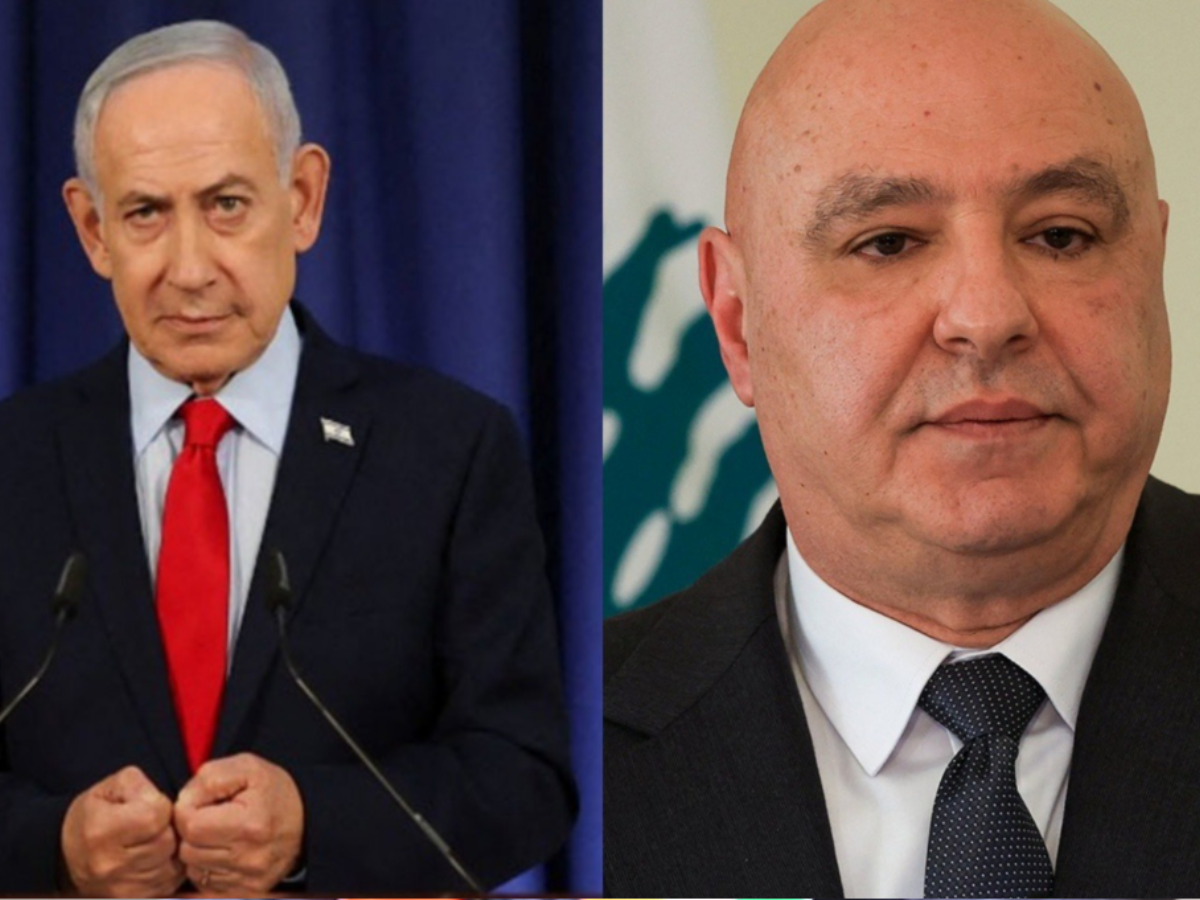
Furthermore, a significant development accompanying these talks is the establishment of a CENTCOM monitoring mechanism. This initiative, launched following direct consultations between U.S. Secretary of State Marco Rubio, Israeli Prime Minister Benjamin Netanyahu, and Lebanese President Joseph Aoun, is designed to provide real-time updates on any fighting or security incidents in Lebanon. This mechanism is intended to serve as an early warning system, preventing minor skirmishes from escalating into full-blown hostilities and providing critical data for de-escalation efforts, thereby bolstering confidence in the ceasefire during and after the talks.
)
A Chronology of Engagement: From Recent Tensions to Diplomatic Tables
The path to these Washington talks has been paved by a complex history of conflict, sporadic de-escalation, and persistent U.S. diplomatic efforts. While the original article references "new round of talks" and a need to "consolidate the ceasefire," implying recent tensions and previous, perhaps less formal, engagements, a deeper historical context is essential to understand the gravity of the current moment.
Recent Precursors to the Talks: In the months leading up to the current summit, the Israel-Lebanon border region had experienced a concerning uptick in security incidents. Reports indicated increased rhetoric from non-state actors operating within Lebanon, coupled with retaliatory actions from Israeli forces. These skirmishes, though often localized, carried the constant threat of broader escalation, triggering alarms in regional and international capitals. The fragility of the existing ceasefire, often a tacit understanding rather than a formal agreement, became acutely apparent.
)
Secretary Rubio’s Intervention: Recognizing the deteriorating security landscape, U.S. Secretary of State Marco Rubio initiated a series of urgent diplomatic interventions. His direct calls with Israeli Prime Minister Benjamin Netanyahu and Lebanese President Joseph Aoun were instrumental in laying the groundwork for the current negotiations. These high-level conversations focused not only on solidifying the immediate ceasefire but also on securing commitments from both leaders to engage in future talks aimed at a more permanent resolution. It was during these calls that the idea of a U.S.-hosted summit in Washington gained traction, indicating a willingness from both Jerusalem and Beirut to seek a diplomatic off-ramp from the cycle of violence.
The CENTCOM Monitoring Mechanism: A tangible outcome of Secretary Rubio’s initial diplomatic push was the swift establishment of the CENTCOM monitoring mechanism. This innovative system, leveraging U.S. Central Command’s intelligence and surveillance capabilities, was designed to provide objective, real-time situational awareness along the Israel-Lebanon border. Its implementation signaled a serious commitment by the U.S. to not just mediate, but also to actively support the integrity of the ceasefire through technological and operational means. This mechanism serves as a critical confidence-building measure, offering transparency and accountability for any future incidents.
)
Formal Invitation and Preparations: Following the successful preliminary engagements, the U.S. State Department formally extended invitations to both Israel and Lebanon for three days of negotiations in Washington. This marked a significant diplomatic coup, as direct, high-level talks between the two nations are rare and often fraught with logistical and political challenges. The preparation for the summit involved extensive behind-the-scenes work by American diplomats to craft an agenda acceptable to both parties and to ensure a conducive environment for productive dialogue.
Commencement of the Washington Summit: The arrival of the Israeli and Lebanese delegations in Washington this week officially commenced the "new round of talks." The opening session, as reported, involved a joint military and political meeting, a format carefully chosen to immediately address the intertwined security and political dimensions of their relationship. The progression from joint to specialized military and then concluding political sessions is a deliberate strategy to build trust and consensus incrementally, tackling technical issues before moving to broader political agreements.
)
A History of Conflict and Intermittent Dialogue: The current negotiations are set against a backdrop of decades of animosity. Since the 1948 Arab-Israeli War, Israel and Lebanon have technically been in a state of war, with no formal peace treaty. The shared border has been a flashpoint for numerous conflicts, including Israel’s invasions of Lebanon in 1978 and 1982, and the 2006 Lebanon War. While various ceasefires and armistice agreements have been brokered over the years, a comprehensive peace has remained elusive.
Past U.S. mediation efforts have sometimes yielded limited successes, such as the 2022 U.S.-brokered maritime border agreement, which resolved a long-standing dispute over offshore gas fields. That agreement demonstrated the potential for pragmatic solutions when direct dialogue is facilitated. However, land border disputes, the presence of non-state armed groups in Lebanon (most notably Hezbollah), and broader regional geopolitical rivalries have consistently hampered efforts towards a lasting resolution. The current talks, therefore, aim to build on any previous, albeit limited, successes while addressing the deeper, more intractable issues that have perpetuated the cycle of violence.
)
Supporting Data and Broader Regional Context
The success of the Israel-Lebanon talks hinges on a variety of factors, including the detailed planning of the U.S. facilitation team, the specific agenda items, and the broader regional geopolitical landscape. The data points provided by the U.S. State Department offer insight into the meticulous approach taken.
U.S. Facilitation Team: The leadership provided by Counsellor Dan Holler and Assistant Secretary of Defence for International Security Affairs Dan Zimmerman is critical. Counsellor Holler, representing the State Department, brings diplomatic acumen and experience in complex international negotiations. His role is to guide the political discourse, bridge differences, and maintain momentum towards a comprehensive agreement. Assistant Secretary Zimmerman, from the Department of Defence, ensures that the security dimensions are thoroughly addressed. This includes discussions on border security, de-escalation mechanisms, intelligence sharing, and potentially the future role of international observers or peacekeeping forces. The joint leadership signifies a holistic approach, acknowledging that security and political stability are inextricably linked in the Israel-Lebanon context.
)
Structured Negotiation Format: The three-stage format — beginning with a joint military-political session, transitioning to a dedicated military meeting, and concluding with a political round — is a deliberate strategy.
- Joint Military-Political Session: This initial phase is crucial for establishing common understanding and identifying areas of mutual concern. It allows both military and political leaders to articulate their nation’s core interests and grievances simultaneously, fostering a shared context for subsequent discussions. Issues like the immediate ceasefire, recent border incidents, and the overall security environment are likely to dominate this phase.
- Dedicated Military Meeting: This specialized session allows military experts from both sides to delve into technical details. This could include precise demarcation of disputed border points, protocols for managing incidents, communication channels between military commands, and potentially the role of the CENTCOM monitoring mechanism in future operations. Addressing these technicalities is vital for building trust and preventing accidental escalation.
- Political Closing Round: The final political session is where high-level policy decisions are made and where the framework for future relations is likely to be outlined. This session aims to synthesize the progress made in the military discussions into political commitments, setting the stage for a more formalized peace and security agreement. It will also address broader political issues, such as diplomatic representation, trade, and regional cooperation, should the talks progress significantly.
US Stated Objectives and Challenges: The U.S. objective to "end the cycle of violence for good" and build momentum for a "comprehensive peace and security agreement" is ambitious, given the deep-seated distrust and historical animosity. For Israel, security guarantees are paramount, particularly concerning the activities of non-state actors like Hezbollah, which maintains a significant military presence in southern Lebanon and is backed by Iran. Israel seeks assurances that its northern border will remain secure and free from incursions or rocket attacks.
)
For Lebanon, the primary concerns revolve around sovereignty, territorial integrity, and economic stability. Lebanon seeks a clear demarcation of its borders, an end to Israeli overflights, and assistance in disarming non-state actors to assert full governmental control over its territory. The economic crisis gripping Lebanon also means that any peace agreement could potentially unlock international aid and investment, which is a powerful incentive for Beirut.
Broader Regional Context: The US-Iran Talks: A critical layer to these Israel-Lebanon discussions is the parallel diplomatic activity involving the United States and Iran in Switzerland. While separate, these talks are inextricably linked to regional stability, especially given Iran’s significant influence over Hezbollah in Lebanon. The U.S.-Iran talks, mediated by Qatar and Pakistan, have reportedly concluded their first round with an agreement on a 60-day roadmap toward a final deal.
)
Key outcomes reported from the U.S.-Iran talks include:
- 60-day Roadmap: This suggests a structured approach to de-escalation and potential resolution of various contentious issues.
- Waiver of Iranian Oil Sanctions: The U.S. waiving Iranian oil sanctions until August 21 is a significant gesture, signaling a willingness to offer economic incentives for de-escalation.
- Release of Frozen Assets: Iran’s claim of some frozen assets being released, if confirmed, would further demonstrate a thawing of relations and a commitment to reciprocal actions.
- Lebanon De-confliction Cell: Crucially, both sides agreed to set up a "Lebanon de-confliction cell." This directly links the U.S.-Iran dialogue to the Israel-Lebanon situation, indicating a shared interest in preventing escalation in Lebanon and managing potential proxy conflicts. This cell could serve as a vital communication channel to de-escalate tensions involving Hezbollah and other Iranian-backed groups.
- Strait of Hormuz Communication Line: The establishment of a communication line in the Strait of Hormuz is another important step for maritime security and preventing accidental confrontations in a critical global shipping lane.
- IAEA Inspections: While U.S. Vice President JD Vance stated that Iran agreed to IAEA inspections, Tehran denied that nuclear talks were held. This discrepancy highlights the ongoing challenges and mistrust in the U.S.-Iran relationship, particularly regarding Iran’s nuclear program. Technical teams are expected to continue negotiations in Switzerland with the goal of a final agreement within 60 days.
The success of the U.S.-Iran talks in fostering regional de-escalation could significantly ease tensions in Lebanon, potentially reducing the leverage of hardline elements and creating a more favorable environment for the Israel-Lebanon negotiations. Conversely, a breakdown in U.S.-Iran dialogue could complicate efforts in Washington.
)
Official Responses and Stakeholder Perspectives
The diplomatic efforts in Washington are underpinned by clear statements and expectations from the key parties involved. The official responses illuminate the objectives, hopes, and inherent challenges facing the peace process.
United States’ Stance: The U.S. State Department has been explicit about its role and aspirations for the talks. A State Department official, speaking to IANS, articulated the core mandate: "Counselor Holler is kicking off talks along with ASW Zimmerman. We will begin with a joint military and political session, then a military session, then a political closing round. Our shared goal is to end the cycle of violence for good." This statement underscores the structured approach and the ultimate aim of achieving a permanent cessation of hostilities. The emphasis on "enabling Israel and Lebanon to negotiate as sovereign states for peace and security" highlights the U.S. commitment to facilitating, rather than dictating, an agreement, empowering both nations to shape their future relationship. Secretary of State Marco Rubio’s direct engagement with both Israeli PM Benjamin Netanyahu and Lebanese President Joseph Aoun prior to the talks was critical in "solidifying the ceasefire and planning future talks." His involvement signaled the highest level of U.S. commitment to these efforts, lending significant weight to the diplomatic process. The establishment of the CENTCOM monitoring mechanism further reflects a proactive U.S. strategy to maintain stability on the ground while diplomatic efforts proceed.
)
Israeli Perspective: While no direct quotes from Israeli officials regarding the specifics of the current talks were provided in the original text, Israel’s historical position and security imperatives offer insight into its likely stance. Under Prime Minister Benjamin Netanyahu, Israel’s primary concern in any engagement with Lebanon centers on security. This includes preventing cross-border attacks by Hezbollah, ensuring the disarmament of non-state actors in southern Lebanon, and maintaining the integrity of its northern border. Israel would likely seek robust security guarantees, effective monitoring mechanisms, and perhaps even a demilitarized zone along parts of the border. The presence of Assistant Secretary of Defence Dan Zimmerman in the U.S. delegation would be seen as a positive sign by Israel, indicating a serious commitment to addressing its security concerns. Netanyahu’s engagement with Secretary Rubio suggests a willingness to explore diplomatic avenues, provided that Israel’s core security interests are protected.
Lebanese Perspective: Similarly, while direct official statements from Lebanon were not detailed, President Joseph Aoun’s participation in preparatory calls with Secretary Rubio indicates Lebanon’s openness to these discussions. Lebanon’s government, often navigating complex internal political divisions and the powerful influence of non-state actors, would likely prioritize the full assertion of its sovereignty over its territory. This includes addressing Israeli overflights, resolving any disputed border points (both land and sea), and seeking international support for its economic recovery. For Lebanon, stability on its southern border is crucial for its national security and for attracting the foreign investment needed to rebuild its shattered economy. The Lebanese delegation would likely emphasize adherence to international law and resolutions, and seek guarantees against future Israeli military interventions. The presence of a "political closing round" suggests an opportunity for Lebanon to articulate its broader vision for a peaceful and sovereign future.
)
International Community’s Response: The broader international community is likely to welcome these U.S.-led talks with cautious optimism. Decades of instability on the Israel-Lebanon border have been a source of regional and global concern. United Nations bodies, particularly UNIFIL (United Nations Interim Force in Lebanon), have long played a role in monitoring the ceasefire. Any progress towards a lasting peace agreement would be seen as a significant positive development, potentially reducing the burden on international peacekeeping efforts and contributing to overall Middle East stability. Neighboring countries and European powers would likely voice support for sustained dialogue and any agreements that foster de-escalation and peace.
Implications and Future Outlook
The U.S.-hosted Israel-Lebanon peace talks carry profound implications, not only for the immediate future of the two nations but also for the broader geopolitical landscape of the Middle East. The outcomes, whether fully successful or partially incremental, will inevitably reshape diplomatic strategies and regional dynamics.
)
Potential Outcomes:
- Optimal Success: In the most optimistic scenario, the three-day talks could yield a framework for a comprehensive peace and security agreement. This would entail formal recognition, resolution of border disputes, robust security guarantees, and mechanisms for ongoing dialogue. While highly ambitious given the historical context, even a preliminary agreement outlining these steps would be a monumental achievement.
- Partial Success: A more probable outcome is a strengthening of the existing ceasefire and agreement on specific de-escalation protocols. This might include enhanced communication channels between military forces, joint border monitoring initiatives (perhaps involving the CENTCOM mechanism or UNIFIL), and a commitment to further rounds of negotiations. Such an outcome would signify significant progress in confidence-building and setting a foundation for future, more comprehensive talks.
- Stalled Progress/Failure: The deep-seated distrust and complex political realities in both nations mean that the talks could also stall without significant breakthroughs. Disagreements over key issues like border demarcation, the role of non-state actors, or security guarantees could prove insurmountable in a short timeframe. Even in this scenario, the fact that direct, high-level talks occurred, facilitated by the U.S., might still be seen as a step forward in establishing channels for communication, even if immediate agreements remain elusive. A complete failure, leading to a return to increased hostilities, would be a major setback for regional stability and U.S. diplomacy.
Impact on Regional Stability: The successful de-escalation of tensions between Israel and Lebanon would have a ripple effect across the Middle East. It could reduce the likelihood of a broader regional conflict, freeing up resources and attention for other pressing issues. The establishment of the Lebanon de-confliction cell as part of the U.S.-Iran talks, directly linked to this issue, underscores the interconnectedness of regional security. A stable Israel-Lebanon border could also diminish the leverage of extremist groups and potentially pave the way for broader economic cooperation.
)
U.S. Foreign Policy Objectives: For the United States, these talks represent a reassertion of its diplomatic leadership in the Middle East. After periods of perceived disengagement or focus on other global priorities, Washington is signaling a renewed commitment to proactive diplomacy in a region critical to global energy security and stability. Success would enhance U.S. credibility as a mediator and demonstrate the efficacy of its "sovereign states" approach. It aligns with broader U.S. objectives of preventing regional conflagration and promoting peace through dialogue.
Challenges Ahead: Despite the current diplomatic momentum, significant challenges loom.
)
- Deep-Seated Distrust: Decades of conflict have ingrained profound distrust between Israel and Lebanon, making compromise difficult.
- Internal Politics: Both countries face internal political complexities. Lebanon, in particular, grapples with a severe economic crisis and a fragmented political landscape, with powerful non-state actors like Hezbollah wielding considerable influence. Any agreement reached by the government in Beirut would need to secure broad domestic buy-in. Israel’s government, often a coalition, also faces domestic pressures regarding security.
- Non-State Actors: The presence and influence of Hezbollah in Lebanon remain a formidable obstacle. Israel views Hezbollah as a direct threat, while for many in Lebanon, it is a key political and military force. Reconciling these perceptions and ensuring the disarmament or effective control of such groups is critical for lasting peace.
- Broader Regional Conflicts: The shadow of the wider Israeli-Palestinian conflict and the ongoing U.S.-Iran tensions will continue to influence dynamics. While the U.S.-Iran de-confliction cell offers a potential buffer, a resurgence of hostilities elsewhere in the region could easily derail progress in the Israel-Lebanon track.
Future Outlook: The three days in Washington are merely a beginning, not an end. Regardless of the immediate outcome, the process itself is a testament to the enduring need for dialogue. The establishment of direct communication channels and the shared understanding of core issues are invaluable, even if a comprehensive agreement remains a long-term aspiration. Sustained diplomatic engagement, consistent U.S. facilitation, and a genuine commitment from both Israel and Lebanon will be essential to transform this crucial diplomatic moment into a lasting era of peace and security. The road ahead is arduous, but the current initiative offers a beacon of hope for a region yearning for stability.
