

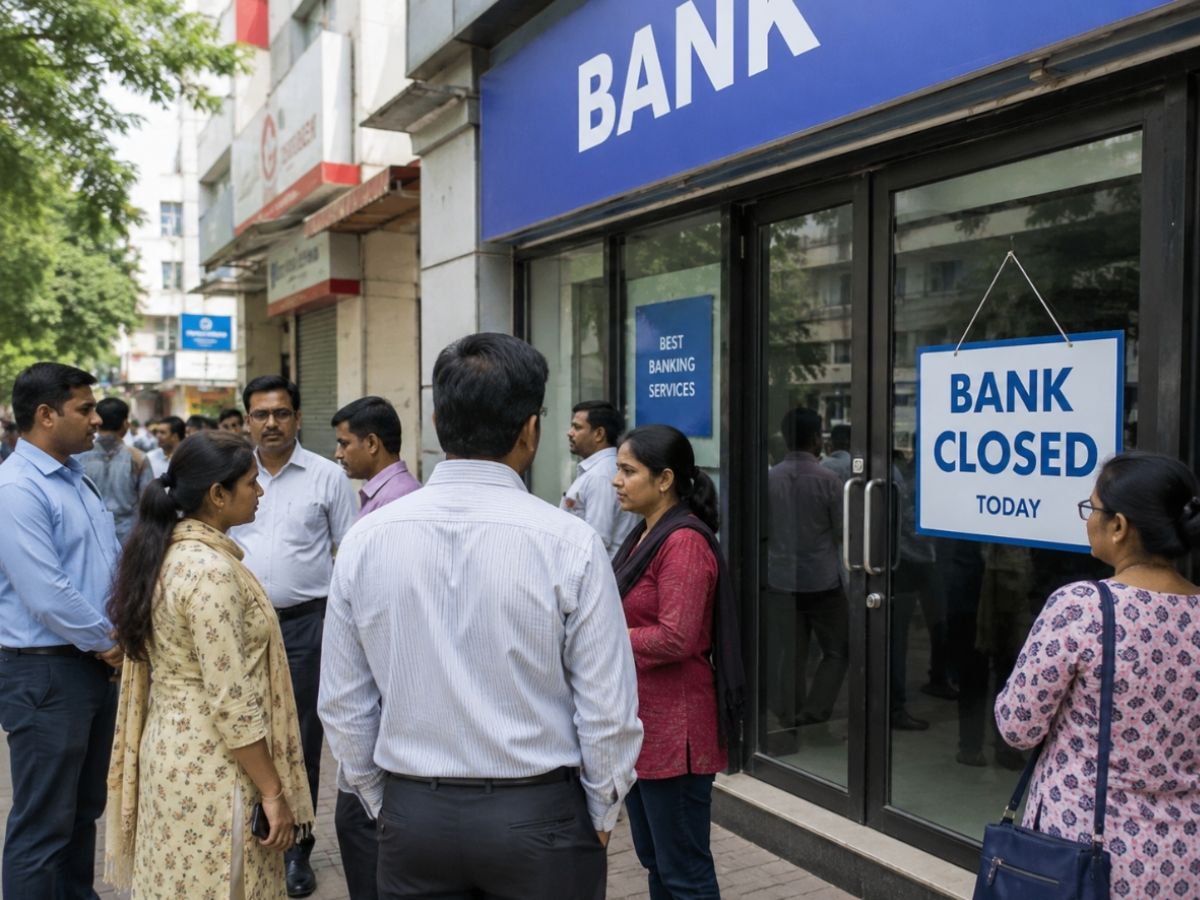
Mumbai, India – July 29, 2026 – Indian banking services are set to experience significant disruptions in August 2026, with branches nationwide slated to remain closed for an estimated 14 days, according to the Reserve Bank of India’s (RBI) official holiday calendar. This comprehensive closure period encompasses regular weekly offs, national observances, and a spectrum of regional festivals, necessitating proactive financial planning for individuals and businesses alike. While physical branches of leading financial institutions like State Bank of India (SBI), HDFC Bank, ICICI Bank, and Axis Bank will be inaccessible for traditional services, the RBI has reassured the public that digital banking channels, including ATMs, UPI, and online platforms, will operate seamlessly.
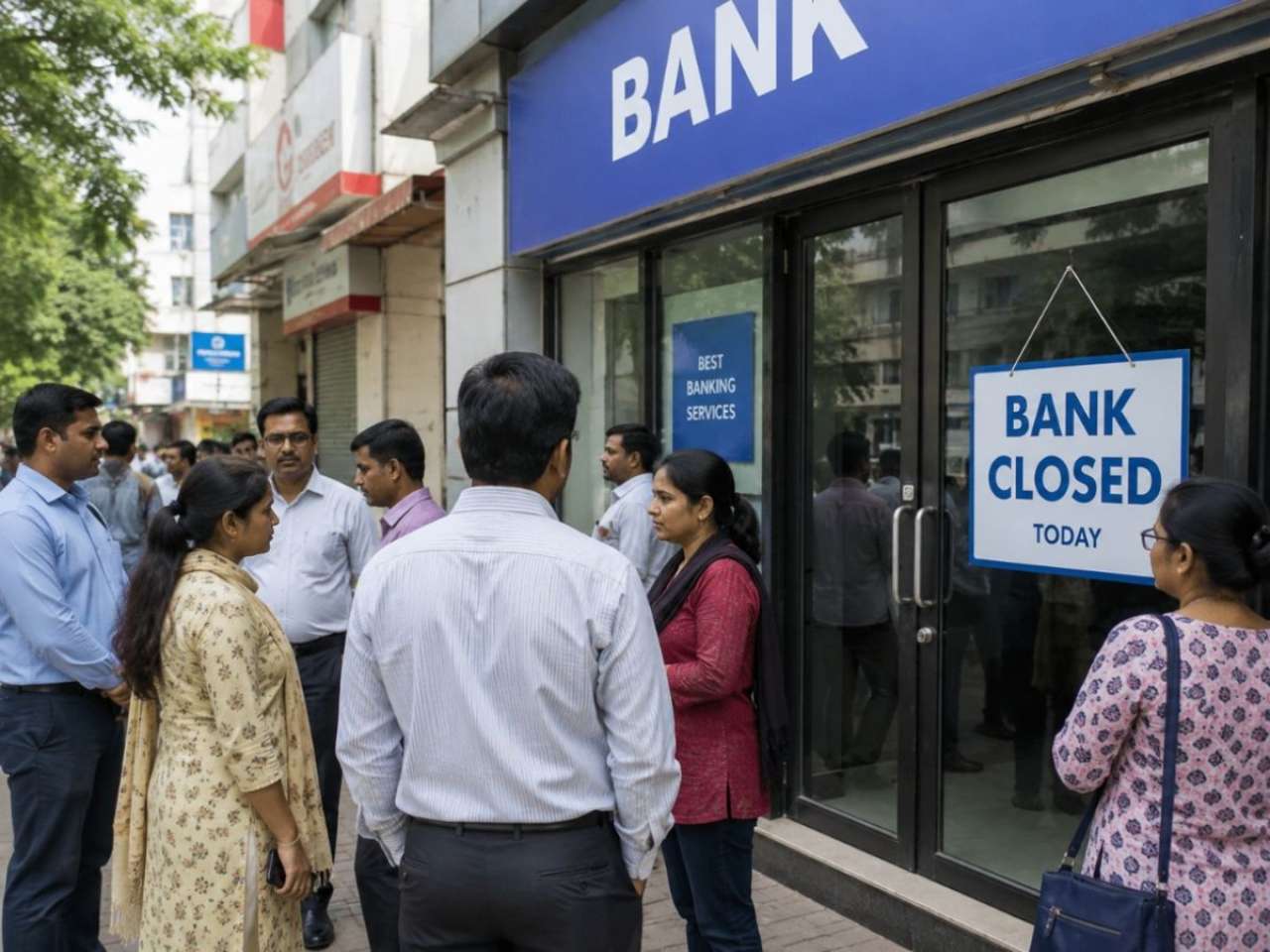
The impending holiday schedule underscores the critical importance of modern banking infrastructure in mitigating the impact of physical branch closures. With India’s rapidly expanding digital economy, the reliance on digital transactions is expected to further intensify during this period, offering a lifeline for urgent financial needs. However, customers are strongly advised to plan their cash withdrawals, cheque clearances, and other branch-dependent transactions well in advance to avoid last-minute inconveniences.
)
Main Facts: A Glimpse into August 2026 Bank Closures
The core message from the RBI is clear: August 2026 will see a substantial number of non-working days for banks across India. The "14 days" figure represents an aggregation of various types of holidays that will affect different states and regions.

- Total Closures: Approximately 14 days in August 2026.
- Reasons for Closure: Includes all Sundays, the second and fourth Saturdays of the month, national holidays such as Independence Day, and a diverse array of state-specific and pan-India festivals.
- Affected Banks: Major public and private sector banks, including SBI, HDFC Bank, ICICI Bank, Axis Bank, and all other scheduled commercial banks, will observe these holidays.
- Services Affected: Physical branch services such as cash deposits and withdrawals over the counter, cheque clearance, locker access, demand draft issuance, and loan application processing will be unavailable on these specific days.
- Services Operational: Digital banking platforms, including Unified Payments Interface (UPI), Immediate Payment Service (IMPS), National Electronic Funds Transfer (NEFT) (for automated processing), Real-Time Gross Settlement (RTGS) (for automated processing), mobile banking, internet banking, and Automated Teller Machines (ATMs), will remain fully functional 24/7.
- Regulatory Authority: The holiday calendar is mandated and issued by the Reserve Bank of India, in accordance with the Negotiable Instruments Act, 1881, and other relevant regulations.
This proactive announcement by the RBI serves as a crucial heads-up, allowing both the banking sector and its clientele ample time to prepare for a month that promises to test the resilience and adaptability of India’s financial ecosystem.
)
Chronology: Decoding the August 2026 Holiday Calendar
The extensive closure period in August 2026 is a composite of several categories of holidays, ensuring that while some days are uniformly observed across the nation, others are specific to particular states or regions. Understanding this distinction is vital for accurate financial planning.
)
Pan-India Holidays: A Uniform Pause
These holidays are observed by banks nationwide, irrespective of the state or region. They typically include weekly offs and major national observances. For August 2026, the pan-India closures are expected to include:
)
- Sunday, August 2: The first Sunday of the month, a standard weekly off for banks across India.
- Second Saturday, August 8: All banks observe the second Saturday of every month as a holiday, a policy implemented to provide employees with additional leisure.
- Sunday, August 9: A routine Sunday holiday.
- Independence Day, Saturday, August 15: A national holiday commemorating India’s freedom. While falling on a Saturday, it is a designated public holiday that all banks observe.
- Sunday, August 16: Another scheduled Sunday off.
- Raksha Bandhan, Monday, August 17: This auspicious festival celebrating sibling bonds is widely observed across many parts of India and is often declared a pan-India bank holiday.
- Fourth Saturday, August 22: The final designated Saturday off for banks in the month.
- Sunday, August 23: A regular weekly holiday.
- Sunday, August 30: The last Sunday of August, completing the set of standard weekly offs.
These nine days constitute the foundational closures that every bank branch in India will observe.
)
State-Specific Holidays: Regional Observances
Beyond the pan-India holidays, several state and regional festivals will lead to additional bank closures in specific parts of the country. These variations underscore the diverse cultural fabric of India. While the exact list for August 2026 will be detailed in the official RBI calendar closer to the date, plausible state-specific holidays based on historical patterns could include:
)
- Muharram, Friday, August 7: This significant Islamic observance, commemorating the martyrdom of Imam Hussein, is a public holiday in several states, leading to bank closures in those regions.
- Parsi New Year (Shahenshahi), Tuesday, August 18: Primarily observed in Maharashtra and Gujarat, this marks the beginning of the Parsi calendar and results in bank closures in these states.
- Janmashtami, Tuesday, August 25: Celebrating the birth of Lord Krishna, this festival is a major observance across many Indian states, often leading to bank holidays. The specific date can vary slightly depending on regional calendars.
- Ganesh Chaturthi, Friday, August 28: A grand festival particularly prominent in Maharashtra, Karnataka, Goa, and parts of Andhra Pradesh, marking the birth of Lord Ganesha. It is a significant bank holiday in these regions.
- Onam, Saturday, August 29: The harvest festival of Kerala, Onam is a multi-day celebration, with key days often declared as bank holidays in the state.
It is important to note that the cumulative "14 days" mentioned in the announcement refers to the maximum number of unique days any given bank branch in a specific state might be closed when combining weekly offs, pan-India festivals, and state-specific observances. For instance, a bank in Maharashtra might observe all pan-India holidays plus Parsi New Year and Ganesh Chaturthi, bringing its total closure days significantly higher than a state with fewer regional festivals in August. Customers are urged to consult the specific holiday list for their state published by the RBI or their respective bank.
)
Supporting Data: The Digital Banking Imperative
The increasing frequency of bank holidays, while providing necessary respite for employees and acknowledging cultural diversity, has concurrently amplified the role of digital banking. Data from the RBI and various financial institutions consistently highlights a robust growth trajectory in digital transactions, a trend that becomes particularly critical during periods of physical branch closures.
)
- Digital Transaction Volume: India has witnessed an exponential surge in digital payments over the past decade. The UPI platform alone processes billions of transactions monthly, far surpassing the volume of traditional banking channels. During holiday periods, this volume typically sees a further uptick as customers pivot from cash to digital.
- ATM Network: With over 200,000 ATMs spread across the country, these machines serve as crucial touchpoints for cash withdrawals and basic balance inquiries even when branches are shut. Banks regularly ensure adequate cash replenishment in ATMs preceding long weekends and holiday stretches.
- Internet and Mobile Banking Penetration: The widespread adoption of smartphones and affordable internet has led to a significant increase in internet and mobile banking users. Most major banks offer comprehensive mobile applications that allow for funds transfer, bill payments, account management, and even applying for certain financial products.
- NEFT and RTGS Processing: While physical branches may be closed, the automated processing systems for NEFT (National Electronic Funds Transfer) and RTGS (Real-Time Gross Settlement) operate 24×7. This means that interbank fund transfers initiated online or via mobile banking will generally be processed, though the credit to the beneficiary account might experience slight delays if it’s a non-business day for the receiving bank’s manual verification processes. However, for most automated transfers, the system continues uninterrupted.
- Financial Inclusion: The push for digital banking is also a cornerstone of financial inclusion efforts, allowing individuals in remote areas or those with limited access to physical branches to conduct transactions efficiently. Holiday periods act as a real-world stress test for these systems, proving their reliability.
These robust digital alternatives ensure that the Indian economy continues to function, albeit with a shift in transactional patterns, minimizing the broader economic impact of physical branch closures. The convenience offered by these platforms has fundamentally altered how customers interact with their banks, moving away from a branch-centric model to an ‘anytime, anywhere’ banking paradigm.
)
Official Responses: RBI’s Stance and Bank Advisories
The Reserve Bank of India, as the central banking institution and primary regulator of the Indian financial sector, plays a pivotal role in establishing the holiday calendar and ensuring financial stability. While specific new "responses" for August 2026 are not typically issued beyond the calendar itself, the RBI’s overarching policy and communications emphasize certain key aspects.
)
- RBI’s Mandate: The RBI declares bank holidays under the Negotiable Instruments Act, 1881, which specifies days on which instruments like cheques, bills of exchange, and promissory notes are not payable. Holidays are broadly categorized into:
- Holidays under the Negotiable Instruments Act.
- Holidays under the Negotiable Instruments Act and Real-Time Gross Settlement (RTGS) Holiday.
- Banks’ Closing of Accounts Holiday.
The August 2026 holidays primarily fall under the first category.
- Emphasis on Digitalisation: The RBI has been a staunch proponent of digital payments and banking. Its public communications consistently encourage the use of UPI, IMPS, NEFT, and other digital channels. This push is not merely for convenience but also for enhancing efficiency, transparency, and resilience within the financial system, especially during non-working days for physical branches. The RBI’s framework ensures that the core payment systems remain operational even during extensive holiday periods.
- Bank Advisories: In response to the RBI calendar, individual banks like SBI, HDFC, ICICI, and Axis Bank routinely issue their own advisories to customers. These typically reiterate the holiday dates, remind customers about the availability of digital services, and advise them to complete any urgent branch-dependent transactions beforehand. For example, banks often send out SMS alerts, email notifications, and publish detailed lists on their websites and social media channels.
- Common Advisory Points:
- "Plan your transactions": Urging customers to manage cash needs, cheque deposits, and other critical banking activities ahead of time.
- "Leverage digital": Highlighting the 24/7 availability of mobile banking, internet banking, UPI, and ATMs.
- "Customer Support": Reminding customers that phone banking and customer care services will remain operational for queries and digital transaction support.
- "Cash Management": Banks will likely advise merchants and individuals to manage their cash floats prudently, anticipating higher ATM withdrawals.
- Common Advisory Points:
The consistent message from both the regulator and the banking sector is one of preparedness and adaptation, ensuring that the financial needs of the public are met through robust alternative channels.
)
Implications: Navigating the Holiday Impact
The extensive bank holidays in August 2026 carry various implications for different segments of the economy and society. Understanding these can help in effective mitigation and adaptation.
)
For Individuals and Households:
- Financial Planning: Customers will need to be meticulous with their financial planning. Urgent cash requirements should be anticipated and fulfilled through ATM withdrawals or by keeping a small reserve of physical cash.
- Bill Payments and EMIs: While most bill payments and EMI deductions are automated and processed digitally, it’s prudent to ensure sufficient funds are available in accounts a day or two before the due date, especially for those who rely on manual deposits.
- Cheque Clearance: Cheques deposited just before or during the holiday period will experience delays in clearance. Customers needing funds urgently should opt for IMPS or UPI transfers.
- Locker Access: Access to bank lockers will be unavailable on all holiday dates, requiring prior planning for those needing to retrieve or deposit valuables.
- New Account Opening/Loan Applications: Physical processing of new accounts, loan applications, and other documentation-heavy services will be halted, extending turnaround times.
For Businesses and SMEs:
- Cash Flow Management: Businesses, particularly those heavily reliant on cash transactions (e.g., retail, small vendors), must plan their cash flow carefully. This includes making timely deposits and withdrawals to manage daily operations.
- Payroll Processing: Companies need to ensure that payroll processing for employees is completed well in advance of the holidays, especially if salary disbursements typically occur around the first week or mid-month of August. Digital payment modes like NEFT/RTGS will facilitate this, but initiating them early is wise.
- Vendor Payments: Payments to suppliers and vendors might be affected if they rely on cheque clearances or physical transfers. Businesses should switch to digital payment methods for critical transactions.
- Logistics and Supply Chain: Businesses involved in logistics and supply chain management might face minor disruptions if their payment cycles are tied to bank working days. Delays in payments can ripple through the supply chain.
- International Trade: While international wire transfers (SWIFT) generally operate independently of domestic bank holidays, local clearances and fund availability can be affected. Importers and exporters should factor this into their transaction timelines.
Economic Implications:
- Shift to Digital: The holidays will further accelerate the shift towards digital payment methods, reinforcing India’s position as a leader in digital transactions. This can lead to increased efficiency and reduced transaction costs in the long run.
- Minor Disruptions to GDP: While significant, the closures are unlikely to have a major adverse impact on the overall economy, thanks to robust digital alternatives. Any potential slowdown would be marginal and temporary, primarily affecting cash-intensive micro-economic activities.
- Increased ATM Activity: Expect higher footfall at ATMs before and during holiday periods, potentially leading to increased demand for cash and occasional out-of-cash situations if replenishment schedules are not perfectly managed.
- Boost for E-commerce: The inability to conduct physical banking might inadvertently boost e-commerce and online services, as consumers increasingly turn to digital platforms for purchases and services.
Future Outlook:
The recurring pattern of extensive bank holidays, coupled with the RBI’s consistent push for digitalization, points towards a future where physical bank branches might evolve into advisory or specialized service centers, while routine transactions are almost entirely digital. This trend aligns with global banking innovations, emphasizing convenience, speed, and accessibility through technology. As AI and machine learning further integrate into banking, personalized digital services will likely reduce the impact of physical closures even further, making banking truly borderless and timeless.
)
Conclusion: Preparedness is Key
The announcement of 14 bank holidays in August 2026 by the RBI serves as a timely reminder for all stakeholders to embrace financial preparedness. While the closures will temporarily halt traditional branch services, India’s advanced digital banking ecosystem stands ready to ensure uninterrupted financial operations. For individuals, this means planning ahead for cash needs and leveraging mobile and internet banking. For businesses, it translates into meticulous cash flow management, timely payroll processing, and a strong reliance on digital payment gateways. The upcoming month will not only test the adaptability of the Indian public but also underscore the robust resilience and forward-looking vision of the nation’s financial infrastructure, guided by the Reserve Bank of India. Staying informed, planning diligently, and embracing digital alternatives will be the cornerstone of navigating this period successfully.
