

The Indian automotive landscape continues to undergo a seismic shift toward larger, feature-rich vehicles, with the midsize SUV segment (4.2m to 4.5m) emerging as the primary engine of growth. According to the latest retail and dispatch data for May 2026, the segment recorded a staggering year-on-year (YoY) growth of 68.2%, with total volumes reaching 70,836 units. This is a significant leap from the 42,104 units sold during the same period in 2025, underscoring a maturing market where consumers are increasingly bypassing entry-level hatchbacks in favor of aspirational SUVs.
While the annual trajectory remains bullish, the month-on-month (MoM) data suggests a slight cooling of the heels. Total segment volumes declined by 4.4% compared to the 74,098 units recorded in April 2026. Industry analysts attribute this marginal dip to seasonal fluctuations and a high base effect from the previous month’s festive deliveries. Nevertheless, the midsize SUV category remains the most fiercely contested battleground in the Indian passenger vehicle market.
The Dominance of the Hyundai Creta: A Legacy Continued
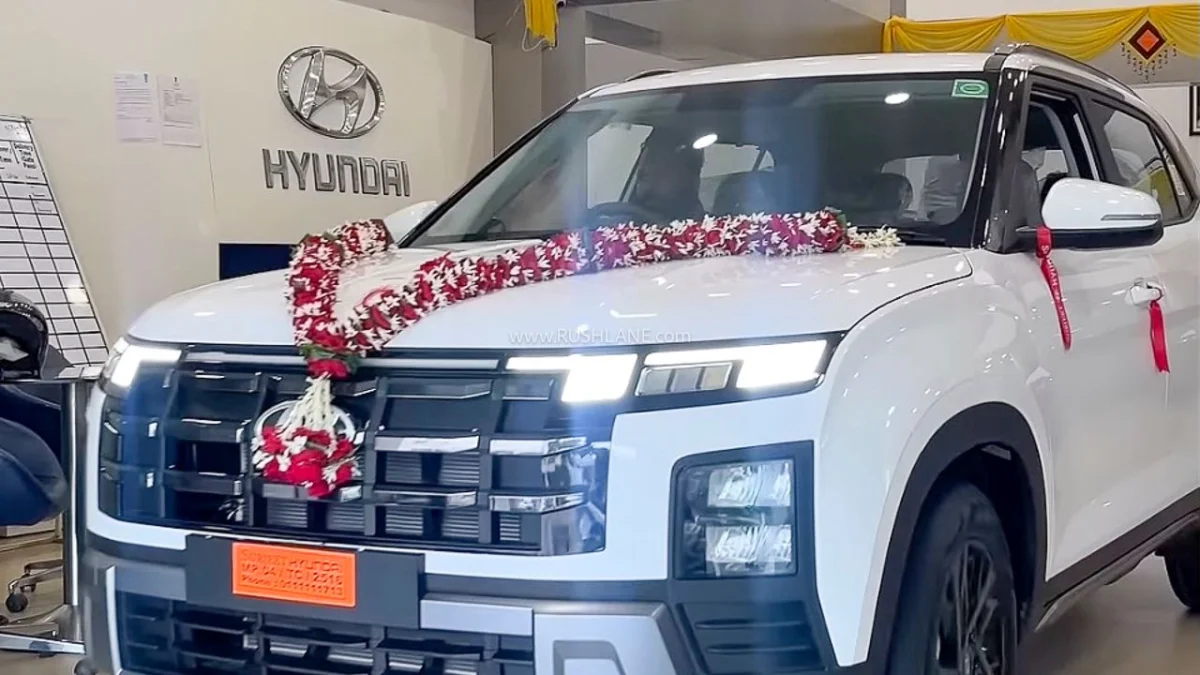
For over a decade, the Hyundai Creta has been synonymous with the midsize SUV segment in India. In May 2026, this legacy remained unchallenged. The combined sales of the Hyundai Creta (ICE) and the recently launched Creta Electric reached 15,235 units. While the YoY growth was a modest 2.5% compared to the 14,860 units sold in May 2025, the Creta’s market share tells a more compelling story.
The Creta commanded a 21.5% share of the segment in May. This implies that more than one in every five midsize SUVs sold in India carries the Creta badge. The model’s ability to maintain stable volumes (with only a 0.4% MoM decline) despite an influx of new competitors highlights Hyundai’s strong brand equity and its successful transition into the EV space. The Creta Electric, in particular, has helped the brand defend its turf against a wave of new electric entrants.
Maruti Suzuki’s Multi-Pronged Strategy: Victoris and Grand Vitara
If Hyundai owns the individual crown, Maruti Suzuki has claimed the throne for the most dominant manufacturer in the segment. The company’s "Victoris" model has proven to be a masterstroke, securing the second position on the leaderboard with 10,853 units sold in May. This new entrant has quickly captured a 15.3% market share, appealing to buyers looking for Maruti’s legendary reliability paired with modern premium aesthetics.

Complementing the Victoris is the Grand Vitara, which continues to go from strength to strength. Recording 9,366 units, the Grand Vitara saw an impressive 80.2% YoY growth compared to the 5,197 units sold in May 2025. Perhaps more importantly, it was one of the few models to buck the MoM downward trend, posting a 21.4% increase over April 2026. The success of the Grand Vitara is largely attributed to its strong-hybrid powertrain options, which offer a middle ground for consumers wary of full EVs but looking for high fuel efficiency.
Kia and Toyota: The High-Growth Contenders
Kia Seltos, the vehicle that originally disrupted the Creta’s monopoly, emerged as one of the biggest gainers in May 2026. Sales for the Seltos skyrocketed by 74.2% YoY, moving 10,597 units compared to 6,082 units in the previous year. This performance secured Kia the third spot in the segment with a 15% market share. The Seltos’ reputation for cutting-edge technology and aggressive styling continues to resonate with younger, tech-savvy urban buyers.
Following closely in fifth place is the Toyota Urban Cruiser HyRyder. With 8,664 units sold, the HyRyder registered a 14.4% growth over May 2025. Much like its sibling, the Grand Vitara, the HyRyder is reaping the rewards of Toyota’s focus on hybrid technology. As fuel prices remain a sensitive point for Indian households, the HyRyder’s segment share of 12.2% confirms that "green" mobility is no longer a niche preference but a mainstream demand.
Tata Motors and the Electric Revolution
Tata Motors has solidified its position as a major player in the midsize SUV space, largely through its diversification into evocative nameplates and electric drivetrains. The Tata Sierra, reintroduced as a premium midsize offering, secured the sixth position with 6,606 units. Since the Sierra was not on sale in May 2025, it represents entirely new volume for the brand, helping Tata achieve a massive 170% YoY growth as an OEM in this segment.
However, the road was slightly more turbulent for the Tata Curvv and Curvv EV. The duo recorded combined sales of 1,680 units, a sharp decline of 45.2% compared to May 2025. While the YoY drop appears concerning, the MoM data offers a silver lining: volumes improved by nearly 20% over April 2026. This suggests that after an initial cooling period, the Curvv is regaining traction as supply chain issues for its EV variants begin to ease.

The EV Outperformers and the European Struggle
One of the most startling figures from the May 2026 report is the performance of the MG ZS EV. The electric SUV witnessed a 333.9% YoY surge, with sales jumping to 1,562 units. On a MoM basis, the ZS EV recorded a 117.9% growth, signaling a massive push in fleet and premium private buyer adoption.
The European contingent—Skoda and Volkswagen—also showed signs of life. The Skoda Kushaq crossed the 1,300-unit mark, registering 1,310 units and a healthy 103.4% growth over the previous year. The Volkswagen Taigun followed with 1,281 units, up 13.8%. While these numbers are modest compared to the leaders, they represent a stable niche for buyers prioritizing driving dynamics and build quality.
On the other end of the spectrum, several models are struggling to find relevance. The Honda Elevate saw a 16.2% decline to 1,224 units, while the Mahindra BE 6 and XUV400 dropped by 25.2% and 55% respectively. Brands like Citroen and MG (with the Astor) continue to witness limited demand, with sales for the C3 Aircross and Basalt failing to cross the 100-unit mark.
OEM-Wise Performance: A Five-Way Monopoly
The midsize SUV segment is increasingly becoming a "winner-takes-most" market. The top five manufacturers—Maruti Suzuki, Hyundai, Kia, Toyota, and Tata—now account for nearly 89% of all sales in this category.
- Maruti Suzuki (28.5% Share): With 20,219 units, Maruti has successfully transitioned from being a small-car specialist to a dominant SUV player.
- Hyundai (21.5% Share): Despite losing the top OEM spot to Maruti, Hyundai remains a formidable force, with the Creta acting as the segment’s anchor.
- Kia (15% Share): Driven by the Seltos, Kia’s 74% YoY growth is a testament to its premium brand positioning.
- Toyota (12.2% Share): The HyRyder’s success proves that Toyota’s hybrid-first strategy is paying dividends.
- Tata Motors (11.7% Share): Tata’s rapid ascent is fueled by its ability to offer both iconic nameplates (Sierra) and futuristic designs (Curvv).
Official Outlook and Future Implications
While official statements from the Society of Indian Automobile Manufacturers (SIAM) emphasize the robustness of the SUV trend, individual manufacturers are already preparing for the next phase of competition. Hyundai has confirmed plans to launch a new 4.2m SUV positioned just below the Creta later this fiscal year. This move is designed to plug the gap between the sub-4m Venue and the midsize Creta, potentially drawing customers away from the lower variants of the Maruti Grand Vitara and Kia Seltos.

Market Implications:
- Electrification vs. Hybridization: The data from May 2026 suggests a bifurcated market. While the MG ZS EV and Creta Electric show strong demand for pure electrics, the high volumes of the Grand Vitara and HyRyder suggest that hybrids remain the preferred choice for long-distance commuters.
- Feature Wars: With nearly 71,000 units sold in a single month, the segment has reached a level of scale where manufacturers can afford to offer high-end features like Level 2 ADAS, ventilated seats, and panoramic sunroofs as standard in mid-spec variants.
- Consolidation: The decline of brands like Honda and Renault in this segment suggests that without a constant cycle of updates and a clear powertrain strategy (EV or Hybrid), legacy players risk being sidelined by the "Big Five."
As India moves toward the festive season of late 2026, the midsize SUV segment is expected to continue its upward trajectory. With new launches on the horizon and a growing charging infrastructure for EVs, the 70,000-unit-per-month mark may soon become the new baseline for this vibrant sector of the Indian economy.
