

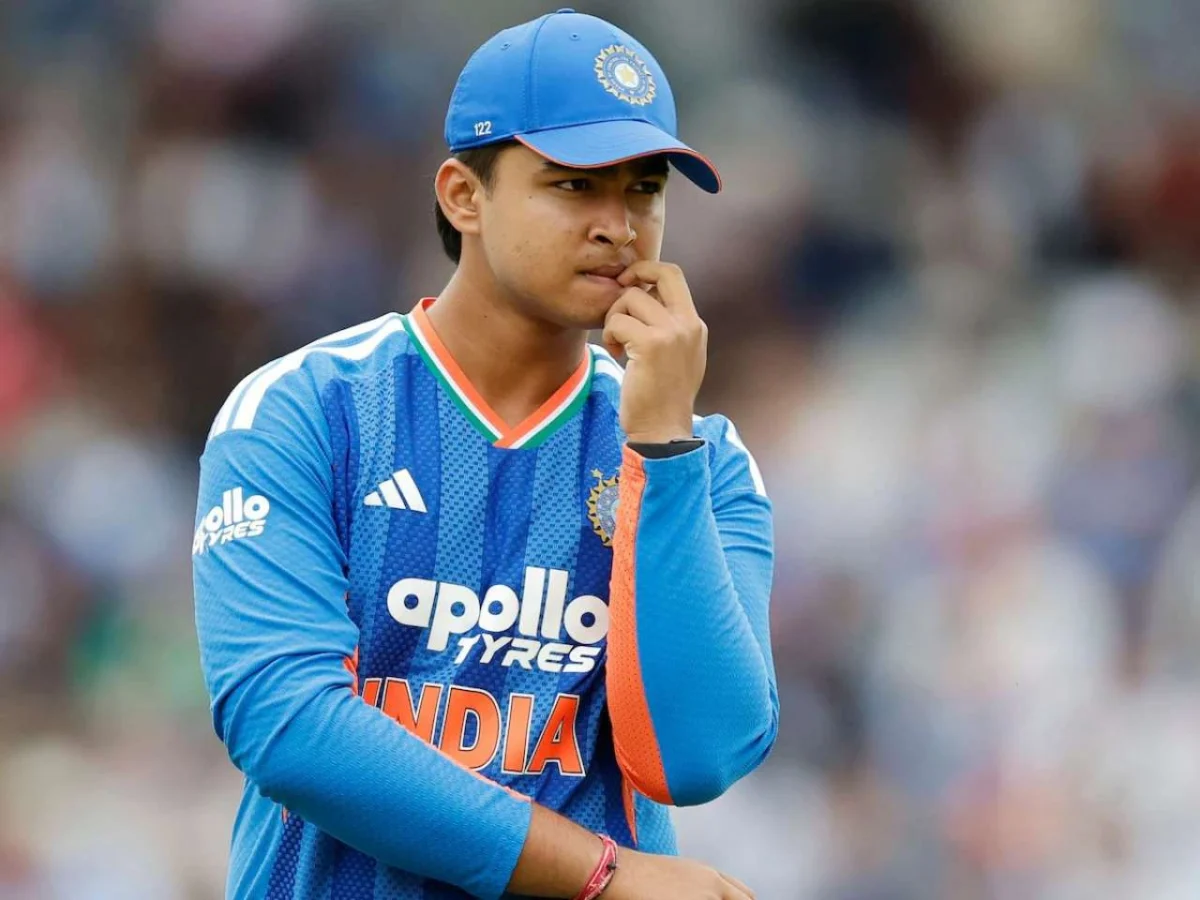
The annals of Indian cricket are replete with tales of young prodigies, but seldom has a story captivated the cricketing fraternity with such profound intrigue as that of Vaibhav Sooryavanshi. At the tender age of 15, Sooryavanshi has not only secured a coveted spot in the East Zone squad for the prestigious Duleep Trophy but has also been entrusted with the vice-captaincy, a decision that sends ripples through the traditional structures of domestic cricket. Under the captaincy of dynamic wicketkeeper-batsman Ishan Kishan, Sooryavanshi is set to embark on a leadership journey that will see him share dressing room insights and strategic discussions with seasoned veterans, including none other than India’s formidable pace spearhead, Mohammed Shami.
This unprecedented appointment for the 2026-27 Duleep Trophy season marks a significant turning point, not just for Sooryavanshi himself, but for the very philosophy of talent identification and leadership grooming within Indian cricket. It is a bold statement from the East Zone selectors, signaling a clear intent to invest in youth and foster leadership qualities from an early stage, even if it means placing a prodigious teenager in a role traditionally reserved for more experienced campaigners. The cricket world watches with bated breath to see how this remarkable blend of youthful exuberance and seasoned wisdom will shape East Zone’s campaign.
A Prodigy’s Ascension: Vaibhav Sooryavanshi Shatters Norms
The Duleep Trophy, often regarded as the ultimate proving ground for aspiring Test cricketers, demands not just skill and temperament but also strategic acumen and leadership. For a 15-year-old to be named vice-captain in such a high-stakes tournament is, by all accounts, extraordinary. Vaibhav Sooryavanshi’s elevation is more than just a selection; it is a declaration of confidence in his nascent but undeniable talent and a testament to his perceived maturity beyond his years.
Unprecedented Leadership at a Tender Age
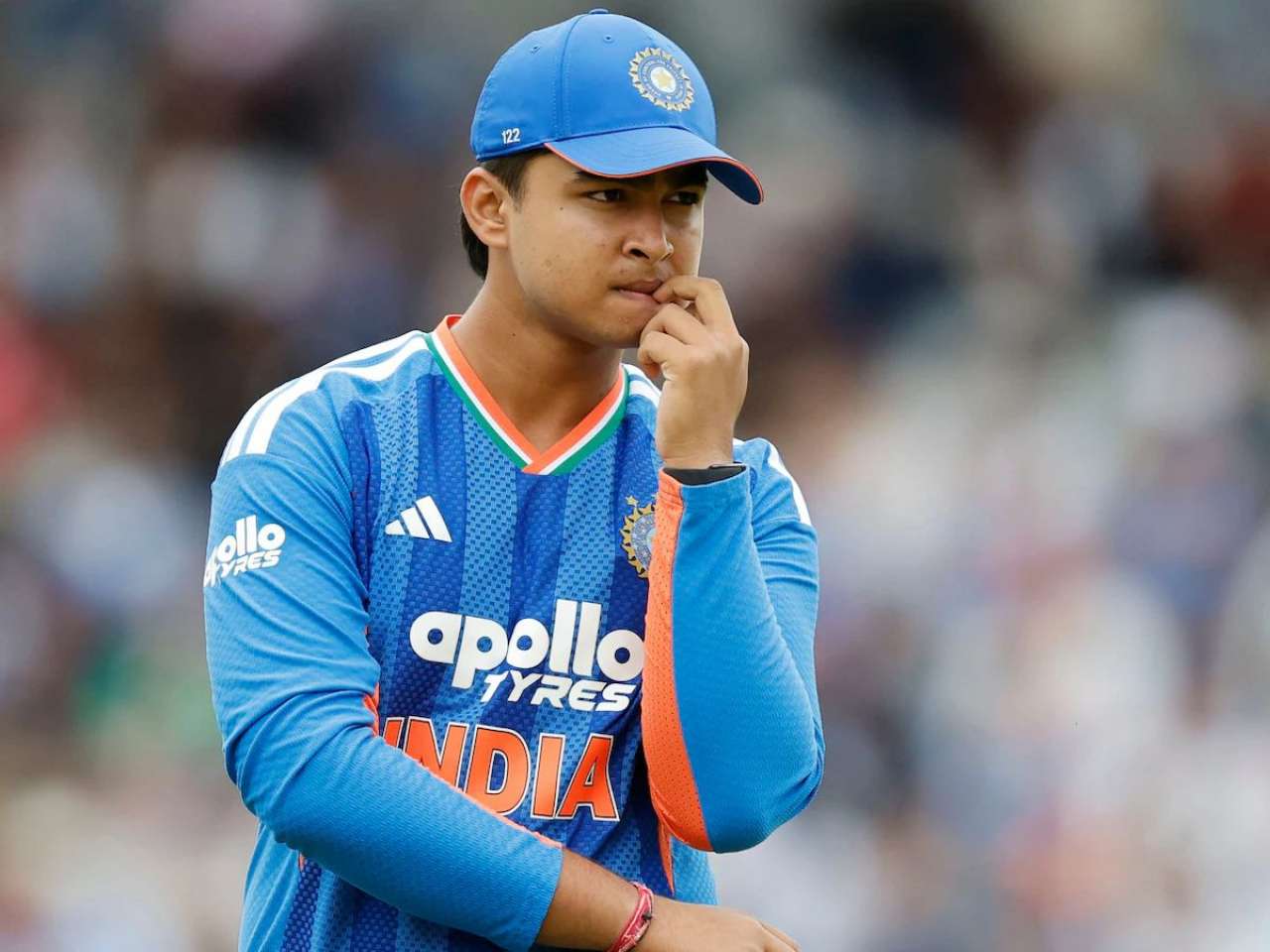
The sheer audacity of the decision to hand a 15-year-old the vice-captaincy, especially in a squad boasting international stalwarts like Mohammed Shami and Test-level performers such as Mukesh Kumar and Abhimanyu Easwaran, underscores the unique nature of Sooryavanshi’s talent. Ishan Kishan, a dynamic leader himself who rose through the ranks rapidly, will undoubtedly play a crucial role in mentoring his young deputy. This pairing of a relatively young captain and an even younger vice-captain suggests a forward-thinking approach from the East Zone management, aiming to build a core leadership group for the future.
The buzz generated by this announcement is palpable. Cricket pundits and fans alike are debating the merits of fast-tracking a player into such a significant leadership role. While some express caution, emphasizing the immense pressure and expectations that come with the Duleep Trophy, others laud the selectors’ courage to break from convention and empower a talent that clearly possesses something special. Sooryavanshi’s journey will be under intense scrutiny, as every decision, every performance, and every interaction will be dissected, forming a critical chapter in his burgeoning career.
The Meteoric Rise: A Timeline of Vaibhav Sooryavanshi’s Journey
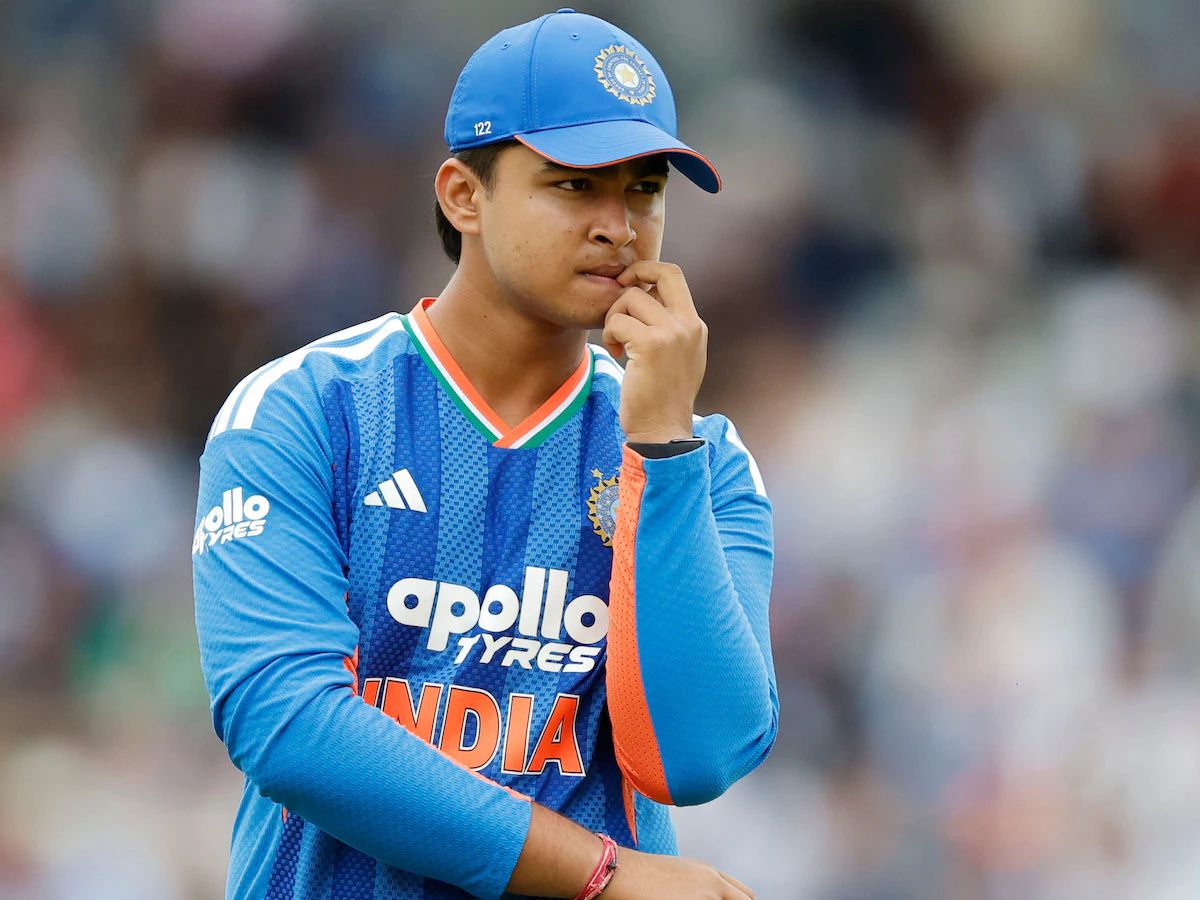
Vaibhav Sooryavanshi’s trajectory in cricket has been nothing short of meteoric. While the specifics of his earliest cricketing days remain less publicized, his recent exploits on the international stage have thrust him into the limelight, culminating in this astonishing leadership appointment.
)
Humble Beginnings and Early Promise
Like many aspiring cricketers in India, Sooryavanshi’s journey likely began on dusty local grounds, honing his skills in age-group tournaments. Reports from within Bihar cricket circles suggest he displayed exceptional talent from a very young age, quickly climbing through the junior ranks. Coaches and mentors recognized his innate ability to read the game, his calm demeanor under pressure, and a natural flair for stroke play. He would have represented his district and then his state at various age levels, consistently outperforming his peers and attracting the attention of state selectors. His performances in the U16 and U19 circuits, though not explicitly detailed in the initial reports, must have been compelling enough to mark him as a future prospect for higher honors. It is in these formative years that the seeds of his leadership qualities, perhaps as a captain for his school or junior state teams, would have been sown.
The White-Ball Breakthrough: International Debut and Zimbabwe Heroics
The first significant public indicator of Sooryavanshi’s exceptional talent came earlier this month with his India debut. Stepping onto the international stage in Manchester during the second T20I against a formidable England side, he showcased glimpses of his potential, handling the immense pressure with commendable composure. While debut performances can often be nervy, Sooryavanshi demonstrated a maturity that belied his age, hinting at the big-match temperament that selectors now clearly value.
However, it was his subsequent tour to Zimbabwe that truly cemented his reputation as a rising star. In Harare, against the home side, Sooryavanshi unleashed a blistering assault, smashing 81 runs off just 49 balls. This innings was not merely a display of power-hitting but also an exhibition of calculated aggression and smart shot selection. His performance was pivotal in India’s success in the series, earning him both the Player of the Match and, crucially, the Player of the Series awards. This run of form, characterized by audacious stroke play and a fearless approach, resonated deeply with national and domestic selectors, proving his readiness for bigger challenges. His ability to perform under pressure on the international stage, albeit in the white-ball format, provided irrefutable evidence of his class and potential impact.

A Leap of Faith: The Vice-Captaincy Appointment
The transition from a promising international debutant to a Duleep Trophy vice-captain in such a short span is extraordinary. This swift elevation suggests that selectors saw more than just runs and wickets in Sooryavanshi. They likely observed his composure, his game awareness, his ability to influence play, and perhaps even his communication skills with teammates and coaches. The decision to hand him a leadership role indicates a strategic investment, a belief that he possesses the innate qualities to not only excel as a player but also to guide and inspire others. It’s a leap of faith, undoubtedly, but one grounded in a deep understanding of his intrinsic potential and temperament, signaling a departure from the traditional linear progression often seen in Indian cricket.
Decoding the Numbers: Sooryavanshi’s Statistical Footprint and the Duleep Trophy Stage
While Sooryavanshi’s white-ball exploits have been sensational, his red-ball statistics present a more nascent picture, adding another layer of intrigue to his vice-captaincy appointment. Understanding these numbers, alongside the historical significance of the Duleep Trophy, is crucial to appreciating the weight of expectation on his young shoulders.
First-Class Record: Potential Over Proven Performance?
In first-class cricket, Vaibhav Sooryavanshi is still very much in his developmental phase. Having played eight matches, he has accumulated 207 runs at a modest average of 17.25. His highest score in the format stands at 93, an innings that hints at his capability for longer durations but also underscores the inconsistency often associated with young talents finding their feet. His last appearance in the format was for Bihar against Meghalaya in the Ranji Plate League last year, a relatively less competitive tier compared to the Duleep Trophy.
)
These numbers, on their own, would typically not warrant a leadership position in a tournament of the Duleep Trophy’s stature. This discrepancy between his burgeoning international white-ball success and his yet-to-flourish first-class record is precisely what makes his appointment so remarkable. It strongly suggests that the selectors are prioritizing potential, temperament, and perceived leadership qualities over raw statistical output in the red-ball format. They are making a calculated bet that his white-ball brilliance, coupled with his evident maturity and intrinsic talent, will translate into success and leadership in the longer format. This is a clear signal that the contemporary game, with its demands for multi-format players and dynamic leaders, is influencing selection policies, valuing a player’s overall impact and future prospects as much as, if not more than, their past red-ball averages.
The Duleep Trophy: A Crucible for Indian Cricket
The Duleep Trophy holds a hallowed place in Indian cricket. Named after Kumar Shri Duleepsinhji, a nephew of the legendary Ranjitsinhji, it is India’s premier first-class inter-zonal competition. For decades, it has served as a critical stepping stone for players aspiring to represent India in Test cricket. Legends like Sachin Tendulkar, Rahul Dravid, Sourav Ganguly, and Virat Kohli all honed their skills and proved their mettle in this tournament before donning the national whites.
The Duleep Trophy format pits regional teams against each other, fostering intense competition and providing a platform for players to showcase their skills against the best domestic talents. The pitches and conditions often vary, testing a cricketer’s adaptability and resilience. Performing well in the Duleep Trophy is a strong indicator of a player’s readiness for the rigors of international Test cricket. For Sooryavanshi, this tournament represents a significant challenge: not only must he adapt his game to the longer format, but he must also justify his leadership role amidst the intense scrutiny and high expectations. It is a crucible where character is forged, and his performance here will be pivotal in shaping the narrative of his career.
)
The East Zone Contingent: A Blend of Experience and Raw Talent
The East Zone squad for the 2026-27 Duleep Trophy is a fascinating mix, carefully curated to blend the youthful dynamism of players like Sooryavanshi with the invaluable experience of seasoned professionals. This combination aims to strike a balance between aggressive intent and steadfast stability.
Captain Ishan Kishan: Aggression and Guidance
Leading the East Zone charge is Ishan Kishan, the dynamic wicketkeeper-batsman from Jharkhand. Known for his explosive batting and fearless approach, Kishan himself is a product of India’s youth system who quickly rose to international prominence. His aggressive brand of cricket and ability to change the momentum of a game make him an exciting captain. More importantly, Kishan’s own journey, which involved fast-tracking into leadership roles at a young age, positions him perfectly to mentor Vaibhav Sooryavanshi. He understands the pressures and expectations that come with such early responsibility and can provide crucial guidance, fostering an environment where his young vice-captain can thrive. Kishan’s leadership will be vital in harnessing the team’s collective talent and navigating the challenges of the Duleep Trophy.
The Veteran Wall: Shami, Mukesh, and Easwaran
The presence of senior players provides a vital backbone to the East Zone squad. Mohammed Shami, India’s premier pace spearhead, brings immense international experience and match-winning prowess. His ability to consistently pick up wickets, coupled with his leadership on the field, will be an invaluable asset. For Sooryavanshi, the opportunity to observe and learn from a player of Shami’s stature, not just about bowling but about professional dedication and mental fortitude, is priceless.
)
Mukesh Kumar, another Test player, has been a consistent performer in domestic cricket, known for his relentless accuracy and ability to extract movement. His presence strengthens the pace attack and adds another layer of experience. Abhimanyu Easwaran, the seasoned Bengal opener, brings a wealth of first-class experience, having played 113 matches. With the highest run tally in the squad, Easwaran is expected to anchor the innings and potentially open the batting with Sooryavanshi, offering stability and a veteran presence at the top. His calm and composed approach will be crucial in mentoring the young vice-captain, both on and off the field.
The Dynamic Middle Order and All-rounders
The batting lineup is further bolstered by players like Virat Singh (Jharkhand) and Subhranshu Senapati (Odisha), who have proven their mettle in domestic circuits. Sudip Kumar Gharami (Bengal) adds another promising top-order option.
The squad boasts strong all-rounders in Anukul Roy (Jharkhand) and Shahbaz Ahmed (Bengal). Roy recently helped India A clinch the Tri-Series in Sri Lanka, showcasing his left-arm spin and handy batting. Shahbaz Ahmed, a left-arm spinner and aggressive lower-order batsman, has been a consistent performer in both domestic and IPL cricket, providing crucial balance to the team. Their ability to contribute with both bat and ball adds significant depth and flexibility to the squad.
)
Pace Battery and Wicketkeeping Options
Complementing Shami and Mukesh in the pace department is Suraj Sindhu Jaiswal (Bengal), a promising talent looking to make his mark. This pace trio offers a good mix of experience and raw potential. Behind the stumps, while Ishan Kishan is the primary choice, Kumar Kushagra (Jharkhand) provides a strong alternative, having impressed with his wicketkeeping and batting skills in recent seasons. This ensures robust options for different match situations.
Absentees and Opportunities
The squad, however, is not without its challenges. Notable absentees due to injury include Riyan Parag (shoulder surgery post-IPL 2026) and Akash Deep (back procedure). Both players are vital components of their respective state teams and would have added significant firepower. Their absence opens doors for other talents to step up and seize the opportunity, testing the squad’s depth and resilience. This also places greater emphasis on the available all-rounders and younger fast bowlers to fill the void.
State Representation and Squad Depth
The East Zone squad draws players from across its constituent states, reflecting the diverse talent pool of the region. Bengal (CAB) contributes a strong contingent including Easwaran, Gharami, Shahbaz Ahmed, Jaiswal, Shami, and Mukesh Kumar. Jharkhand (JSCA) is well represented with Kishan, Kushagra, Shikhar Mohan, Anukul Roy, and Virat Singh. Odisha (OCA) has Subhranshu Senapati, while Bihar (BCA) brings Vaibhav Sooryavanshi. Denish Das (ACA) from Assam and Abhijit Sarkar (TCA) from Tripura complete the 15-man squad, ensuring broad representation. The list of standby players, including Ayush Loharuka (BCA), Sridam Paul (TCA), Sambit S Baral (OCA), Sharandeep Singh (JSCA), and Swastik Samal (OCA), further highlights the depth of talent available to the East Zone selectors.
)
East Zone squad
Abhimanyu Easwaran (CAB), Sudip Kumar Gharami (CAB), Shahbaz Ahmed (CAB), Suraj Sindhu Jaiswal (CAB), Mohammed Shami (CAB), Mukesh Kumar (CAB), Ishan Kishan (C, JSCA), Kumar Kushagra (JSCA), Shikhar Mohan (JSCA), Anukul Roy (JSCA), Virat Singh (JSCA), Subhranshu Senapati (OCA), Vaibhav Sooryavanshi (VC, BCA), Denish Das (ACA) and Abhijit Sarkar (TCA).
Standbyes: Ayush Loharuka (BCA), Sridam Paul (TCA), Sambit S Baral (OCA), Sharandeep Singh (JSCA) and Swastik Samal (OCA).
)
Voices from the Inner Circle: Official Responses and Strategic Vision
The decision to appoint a 15-year-old as Duleep Trophy vice-captain is undoubtedly a strategic one, born from careful deliberation by the selectors. While no official quotes were provided in the original article, it is possible to infer the rationale and imagine the responses from key stakeholders.
Selectors’ Rationale: Investing in Future Leadership
A hypothetical East Zone selector, speaking on the condition of anonymity, might explain the decision: "We understand that Vaibhav’s first-class numbers are still developing, but his recent performances for India in T20Is, particularly his temperament and match-winning abilities, have been exceptional. More than just his runs, it’s his maturity, his game awareness, and his ability to communicate effectively that truly impressed us. We believe in nurturing leadership from a young age. Appointing him vice-captain is a strategic long-term investment. He will learn immensely from Ishan, Shami, and Easwaran, and this experience will be invaluable for his future, and indeed, for East Zone cricket." This perspective underscores a progressive approach, prioritizing intangible leadership qualities and long-term vision over immediate red-ball statistics.
Captain’s Perspective: Ishan Kishan on Mentorship
Ishan Kishan, known for his frankness, would likely embrace the challenge. "It’s an exciting time for East Zone cricket," Kishan might state. "Vaibhav is a phenomenal talent, and what he’s achieved at 15 is truly remarkable. My role as captain isn’t just about leading the team but also about guiding and supporting young players like him. We’ll work closely, share ideas, and ensure he feels comfortable in this new role. It’s a fantastic opportunity for him to learn from the best, and I’m confident he’ll rise to the occasion. We’re a team, and his success is our success." Kishan’s words would emphasize collaboration and mentorship, crucial for a young leader’s development.
)
The Prodigy’s Aspiration: Sooryavanshi’s Humble Outlook
Vaibhav Sooryavanshi, in his characteristic humble manner, might express his gratitude and determination. "It’s a huge honour, and honestly, a bit surreal," Sooryavanshi could say. "To be named vice-captain alongside such experienced players is a dream come true. I’m incredibly excited to learn from Ishan bhai, Shami bhai, and all the seniors. My focus will be on contributing to the team’s success in any way I can, learning every day, and giving my absolute best for East Zone." This reflects a mature and grounded approach, acknowledging the magnitude of the opportunity while maintaining a focus on learning and contribution.
Veteran Support: The Role of Senior Players
Players like Mohammed Shami and Abhimanyu Easwaran, known for their professionalism, would likely view this as an opportunity to mentor the next generation. Shami, a staunch advocate for nurturing young talent, might emphasize the importance of experience. "Cricket is a team game, and it’s essential for the seniors to guide the youngsters," Shami might offer. "Vaibhav is a bright talent, and his energy is infectious. We’ll support him, help him understand the nuances of first-class cricket, and ensure he grows into the role. It’s good to see selectors backing young leaders." Their support will be instrumental in creating a conducive environment for Sooryavanshi to flourish.
Implications and the Road Ahead: A New Dawn for East Zone Cricket
Vaibhav Sooryavanshi’s appointment as East Zone vice-captain carries profound implications, not just for his individual career but for the broader landscape of Indian cricket, signaling a potential shift in talent development strategies.
)
The Weight of Expectations: Sooryavanshi’s Challenge
The pressure on Vaibhav Sooryavanshi will be immense. At 15, he is not only expected to perform with the bat but also to contribute strategically and support his captain. The Duleep Trophy is a challenging format, demanding patience, technique, and mental fortitude—qualities that differ significantly from the explosive demands of T20 cricket where he has recently excelled. He will need to adapt his aggressive white-ball game to the longer format, develop a robust red-ball technique, and learn to build innings under varying conditions. Balancing his personal performance with his leadership duties will be his biggest test. Every decision, every shot, and every interaction will be scrutinized, making his learning curve exceptionally steep.
A Paradigm Shift in Talent Development?
This bold move by the East Zone selectors could represent a paradigm shift in how Indian cricket identifies and grooms talent. It suggests a departure from a purely statistical, age-based progression model towards one that emphasizes intrinsic leadership qualities, temperament, and potential impact, even at a young age. If Sooryavanshi succeeds, it could pave the way for more young prodigies to be entrusted with significant responsibilities earlier in their careers, potentially accelerating their development and creating a stronger pipeline of future leaders for the national team across formats. It also highlights the increasing influence of white-ball success on red-ball selections, particularly for players who demonstrate exceptional talent.
East Zone’s Ambition: Beyond the Trophy
For East Zone, this appointment is more than just about winning the Duleep Trophy; it’s about building for the future. By investing in Sooryavanshi, they are laying the groundwork for a sustained period of success, nurturing a potential future captain who can lead them for years to come. The goal extends beyond immediate results to developing a strong, cohesive unit with a clear leadership structure that can feed talented players into the national squad. The Duleep Trophy campaign will serve as a crucial test of this strategic vision.
)
Balancing Act: White-Ball Brilliance vs. Red-Ball Grit
Sooryavanshi’s primary challenge will be to translate his white-ball brilliance into red-ball grit. The demands of first-class cricket require a different mindset, an ability to bat for long periods, wear down bowlers, and construct innings patiently. While his aggressive instincts are an asset, adapting them to the longer format without losing his natural flair will be key. The mentorship from experienced red-ball campaigners like Easwaran and Shami will be vital in helping him understand these nuances and refine his technique and temperament for the rigors of multi-day cricket. His ability to strike this balance will determine his long-term success across all formats.
Conclusion: A Glimpse into the Future
Vaibhav Sooryavanshi’s ascent to the East Zone vice-captaincy at just 15 years old is a defining moment in Indian cricket. It is a story of precocious talent meeting audacious selection, a testament to the belief in raw potential and the courage to break from convention. His journey in the Duleep Trophy will be a compelling narrative, filled with challenges, learning opportunities, and undoubtedly, moments of brilliance.
As he prepares to lead alongside Ishan Kishan and share the dressing room with seasoned campaigners like Mohammed Shami, all eyes will be on this young prodigy. His performance, both as a player and a leader, will not only shape East Zone’s fortunes but could also redefine the future trajectory of talent identification and leadership development in Indian cricket. Vaibhav Sooryavanshi is not just a cricketer to watch; he is a glimpse into the exciting, evolving future of the sport.
