

SAO PAULO – In a move that signals a significant shift in its South American product strategy, Hyundai has officially pulled the wraps off the all-new, fourth-generation i20 in Brazil. This launch marks a pivotal moment for the South Korean automaker as it introduces one of its most successful global nameplates to the Brazilian market, positioned strategically to bridge the gap between the entry-level HB20 and the highly popular Creta SUV.

The 4th-gen i20 arrives not as a replacement for the locally produced HB20, but as a premium alternative designed to capture a more tech-savvy, style-conscious demographic. With a bold new design language, a sophisticated K3 platform, and a suite of first-in-segment technologies, the i20 is poised to disrupt the B-hatchback hierarchy.

Main Facts: A Premium Contender Arrives
The new Hyundai i20 is a comprehensive package that brings European-standard refinement to the Brazilian streets. At its core, the vehicle represents a leap forward in both aesthetic appeal and mechanical sophistication.

Key Specifications at a Glance:
- Platform: Third-generation K3 modular architecture.
- Engine: 1.0-litre TGDI three-cylinder flex-fuel engine.
- Performance: 115 hp and 172 Nm of torque.
- Transmission: 6-speed automatic (with manual options in lower trims).
- Dimensions: Length: 4,130 mm; Width: 1,780 mm; Wheelbase: 2,580 mm.
- Technology: Dual 12.3-inch screens, 5G connectivity, and OTA updates.
- Safety: Hyundai SmartSense ADAS suite as standard on higher trims.
The i20 enters the market with a diverse lineup, ranging from the accessible "Comfort" trim to the range-topping "Ultimate" and the ruggedly styled "X-Line." Pricing starts at BRL 99,990 (approximately Rs 18.77 Lakh) and scales up to BRL 139,990 (approximately Rs 26.29 Lakh) for the fully loaded variants.

Chronology: The Evolution Toward the 4th Generation
The journey of the i20 in Brazil has been one of anticipation. While the rest of the world transitioned through various iterations of the i20, the Brazilian market was primarily served by the HB20—a car specifically developed for the region.

- The Pre-Launch Phase: Throughout 2024 and 2025, rumors circulated regarding Hyundai’s intention to diversify its hatchback portfolio in South America. The goal was to offer a vehicle that met global standards of safety and connectivity, which the aging platforms of regional competitors struggled to match.
- The Development of the K3 Platform: Hyundai invested heavily in the K3 architecture, designed to be the backbone for its next generation of compact cars. This platform was engineered to accommodate various powertrains, including the flex-fuel requirements of the Brazilian market.
- The Official Unveiling (June 2026): Hyundai chose Sao Paulo as the stage for the 4th-gen i20’s debut. The launch event highlighted the vehicle’s "Sensuous Sportiness" design and its role as a "technology demonstrator" for the brand’s future in the region.
Supporting Data: Engineering and Design Deep Dive
The 4th-gen i20 is more than just a cosmetic upgrade; it is an engineering overhaul that prioritizes structural integrity and user experience.

The K3 Modular Architecture
One of the most significant updates is the transition to the 3rd-generation K3 platform. This architecture utilizes a significantly higher proportion of advanced high-strength steel compared to its predecessor. The results are threefold:

- Enhanced Rigidity: Improved torsional stiffness leads to better handling and a more composed ride over uneven surfaces.
- Safety: The platform is designed to manage crash energy more effectively, providing a "safety cell" for occupants.
- NVH Levels: The K3 platform incorporates advanced sound-dampening materials and structural reinforcements that significantly reduce Noise, Vibration, and Harshness (NVH), bringing a "big car" feel to the hatchback segment.
Exterior Aesthetics: "Sensuous Sportiness"
The i20’s exterior is a masterclass in modern automotive design. The front fascia is dominated by H-styled LED Daytime Running Lights (DRLs) that create a distinct light signature. The full-width light bar at the front and rear emphasizes the car’s width, giving it a planted, aggressive stance.

The side profile is characterized by 17-inch diamond-cut alloy wheels housed within circular wheel arches. Unlike the more rounded lines of the HB20, the i20 features sharp, geometric creases and a rising window line that culminates in a sleek, tapering roofline. For those seeking a more adventurous look, the X-Line variant adds prominent cladding and rugged styling cues that mimic the aesthetic of a crossover.

Interior Innovation and Connectivity
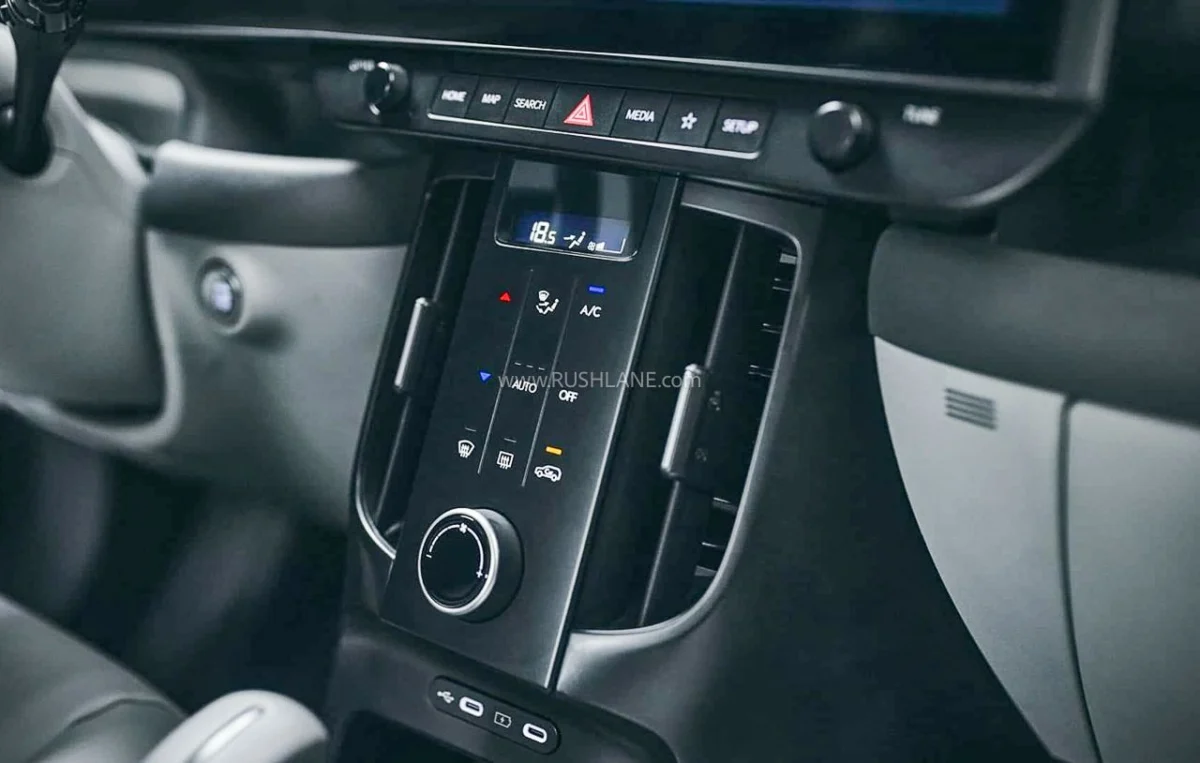
Inside, the i20 sets a new benchmark for the segment. The dashboard is centered around a "Digital Cockpit" featuring dual 12.3-inch screens. This setup is powered by an advanced multimedia system with a built-in 5G chip, ensuring lightning-fast data speeds for navigation and media streaming.

Crucially, the i20 is the first Hyundai model in Brazil to offer Over-the-Air (OTA) updates. This allows the vehicle’s software to be updated remotely, ensuring that the infotainment and safety systems remain current without a trip to the dealership.

Performance and Powertrain: Tailored for Brazil
Under the hood, the i20 utilizes Hyundai’s proven 1.0-litre TGDI (Turbocharged Gasoline Direct Injection) three-cylinder engine. In keeping with Brazilian market demands, this is a "flex" engine, capable of running on both gasoline and ethanol.

- Power Output: 115 hp.
- Torque: 172 Nm, available early in the rev range for effortless city driving.
- Transmission: A 6-speed automatic transmission is the primary choice, optimized for smooth shifts and fuel efficiency.
- Performance Metrics: The i20 sprints from 0 to 100 km/h in 11.7 seconds, reaching a top speed of 184 km/h. While not a "hot hatch" in the traditional sense, the power-to-weight ratio ensures a spirited and responsive driving experience.
Official Responses: Hyundai’s Strategic Vision
During the launch event, Hyundai executives emphasized that the i20 represents a "new chapter" for the brand in South America.

"The introduction of the 4th-gen i20 to Brazil is a response to our customers’ growing appetite for premium features and global-standard safety," stated a senior Hyundai spokesperson. "By positioning the i20 between the HB20 and the Creta, we are creating a seamless ladder for our customers to grow within the Hyundai family. This car is not just about transportation; it is about the integration of 5G technology and the highest levels of occupant protection."

The company also highlighted the importance of the Hyundai SmartSense suite. By making Advanced Driver Assistance Systems (ADAS) available in the hatchback segment, Hyundai aims to lead the market in democratizing safety technology.

Safety and ADAS: The SmartSense Suite
Safety is a core pillar of the new i20. Beyond the standard six airbags and electronic stability control, the higher trims feature a comprehensive ADAS package:

- Forward Collision-Avoidance Assist: Uses radar and cameras to detect potential collisions and apply brakes if necessary.
- Blind-Spot Collision-Avoidance Assist: Monitors the vehicle’s blind spots and provides active intervention to prevent lane-change accidents.
- Lane Keeping and Lane Following Assist: Helps the driver maintain the center of the lane through subtle steering inputs.
- Leading Vehicle Departure Alert: Notifies the driver when the car ahead begins to move in traffic.
- Intelligent Speed Limit Assist: Recognizes road signs and adjusts the vehicle’s speed limit accordingly.
Implications: A Shift in the Market Landscape
The arrival of the 4th-gen i20 has several long-term implications for the Brazilian automotive industry and Hyundai’s global operations.

1. The Premiumization of the Hatchback
For years, the B-segment in Brazil was dominated by "value-first" vehicles. The i20, with its high price point and premium features, challenges the notion that hatchbacks must be budget-oriented. This could force competitors like Volkswagen and Toyota to accelerate their own premium hatchback offerings in the region.

2. The Tech Race
By introducing 5G and OTA updates, Hyundai has set a high bar for connectivity. In an era where the smartphone is central to the user experience, the i20’s seamless integration of digital services will likely be a major draw for younger buyers.

3. Strengthening the "K3" Global Footprint
The successful deployment of the K3 platform in Brazil demonstrates its versatility. As Hyundai continues to roll out this architecture globally, the i20 serves as a case study in how a global platform can be adapted to meet specific regional needs (like flex-fuel engines) without compromising on structural or technological standards.

4. Pricing Strategy
With the top-end Ultimate trim reaching BRL 139,990, the i20 is knocking on the door of the compact SUV segment. Hyundai is betting that a significant portion of the market prefers the driving dynamics and parking ease of a premium hatchback over the bulk of an entry-level SUV.

Conclusion
The 4th-generation Hyundai i20 is a sophisticated, tech-heavy, and stylish addition to the Brazilian automotive landscape. By leveraging the advanced K3 platform and a suite of future-ready technologies, Hyundai has created a vehicle that is as much a digital device as it is a mode of transport. As it hits the showrooms from Sao Paulo to Rio de Janeiro, the i20 stands as a testament to Hyundai’s commitment to innovation and its ambition to dominate the premium compact segment in one of the world’s most competitive markets.
