

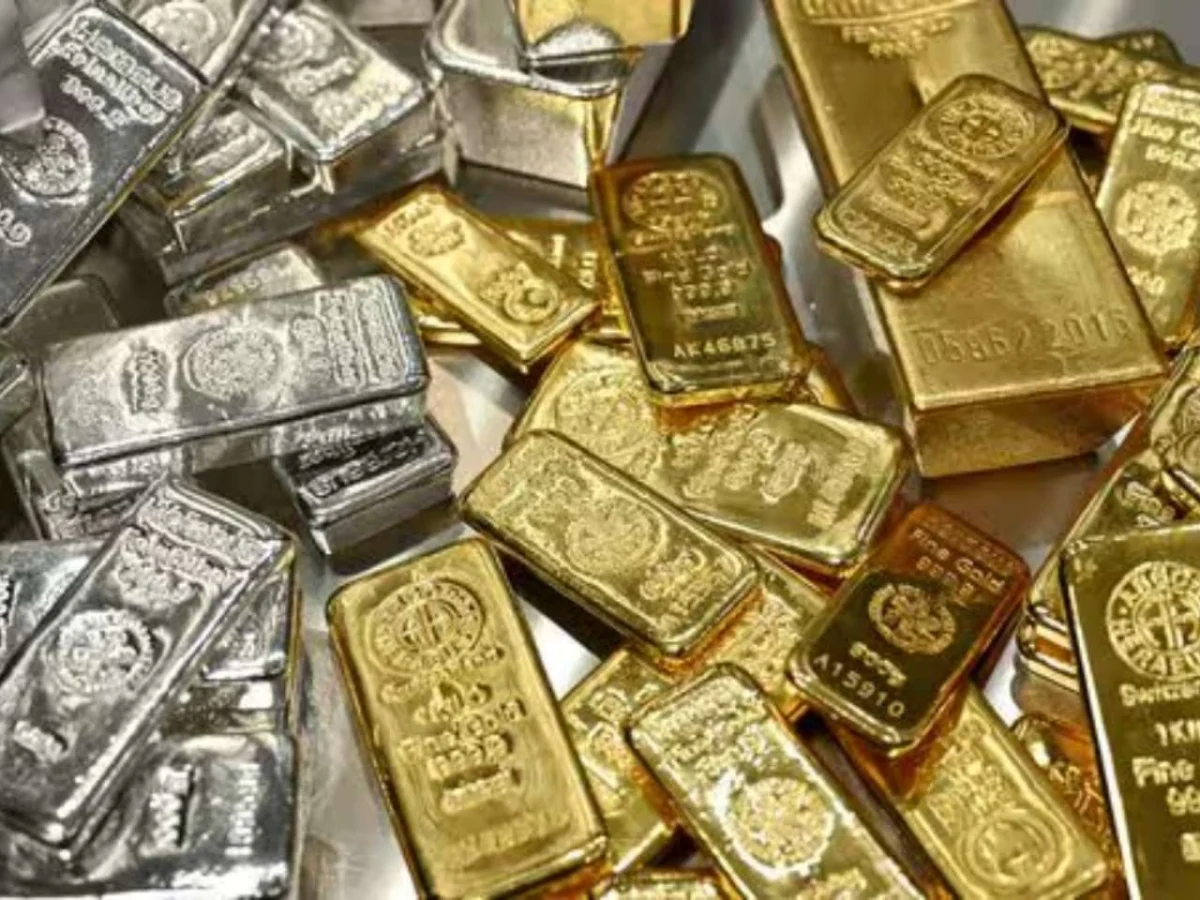
NEW DELHI, India – June 21, 2026 – The Indian precious metals market continues its dynamic interplay with global economic forces, local demand patterns, and the ever-shifting sands of currency exchange rates. As of June 21, 2026, both gold and silver prices in India reflect a nuanced landscape, influenced by inflationary pressures, industrial demand, and the intrinsic cultural value these metals hold within the nation. Investors and consumers alike are closely monitoring these trends, seeking clarity in a market characterized by both stability and volatility.
The nation woke up to a slight uptick in gold prices, driven by robust global demand and persistent inflationary concerns, positioning the yellow metal as a reliable hedge. Silver, often seen as gold’s more industrially-driven counterpart, maintained a strong showing, underpinned by its growing applications in emerging technologies. This detailed analysis delves into the current valuations, the intricate factors at play, and what these trends signify for the Indian economy and its stakeholders.
Current Snapshot: Gold and Silver Rates on June 21, 2026
As of the morning of June 21, 2026, the precious metals market in India presents the following key figures:
Gold Prices:
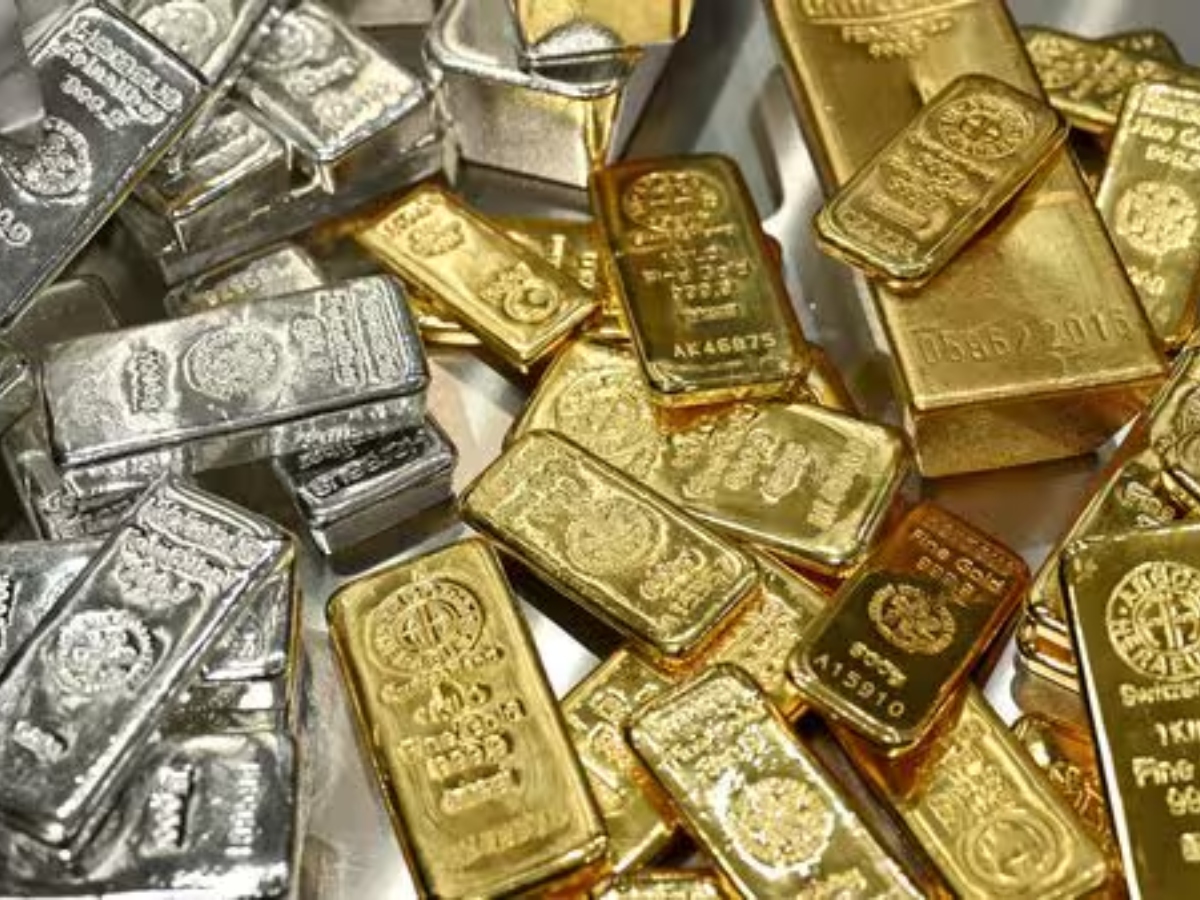)
- 24K Gold (999 Pure Gold): Rs 14,608 per gram
- 22K Gold (91.67% Pure Gold): Rs 13,390 per gram
Silver Prices:
- Silver 999 (Pure Silver): Rs 2,50,000 per kilogram (or Rs 2,500 per 10 grams)
- Silver 925 (Sterling Silver): Rs 2,49,000 per kilogram
These figures represent a national average, with regional variations observed across major metropolitan centers, reflecting localized demand, logistical costs, and state-specific taxes.

A Chronology of Influence: Tracking Precious Metals’ Journey to Mid-2026
The current prices of gold and silver on June 21, 2026, are not isolated figures but rather the culmination of a complex series of economic events and market sentiments that have unfolded over the preceding months and years. Understanding this trajectory is crucial to comprehending the present state of the market.
The Post-Pandemic Recovery and Inflationary Surge (2023-2024)
Following the initial economic disruptions of the early 2020s, the global economy embarked on a path of recovery, albeit one fraught with challenges. By late 2023 and early 2024, persistent supply chain issues, coupled with robust consumer demand fueled by various stimulus measures, led to a significant surge in inflation across major economies, including India. Central banks, initially hesitant, began to tighten monetary policy, hiking interest rates to combat rising prices. This period saw gold emerge as a favored inflation hedge, its appeal growing as traditional fixed-income investments struggled to offer real returns. Silver, benefiting from its dual role as an investment and an industrial metal, also saw its demand rise, particularly with the burgeoning growth in green technologies.
)
Geopolitical Tensions and Safe-Haven Demand (Late 2024 – Early 2025)
The latter half of 2024 and the beginning of 2025 were marked by heightened geopolitical tensions in various regions globally. Conflicts and political uncertainties created an environment of risk aversion among investors. This sentiment significantly bolstered gold’s traditional role as a safe-haven asset. Capital flowed into gold, driving up its international prices. While India’s domestic market is influenced by these global trends, local factors such as a relatively stable Rupee during this period somewhat cushioned the direct impact of international surges for Indian consumers, though overall prices continued their upward trajectory. Silver, too, saw some safe-haven demand, but its price movements remained more susceptible to industrial output data.
Central Bank Policies and Economic Rebalancing (Mid-2025 – Early 2026)
As central banks, including the Reserve Bank of India (RBI), continued their efforts to tame inflation through 2025, signs of economic rebalancing began to emerge. Interest rate hikes started showing their effect, leading to a moderation in inflation rates in many economies by early 2026. This phase introduced a new dynamic: while moderating inflation might reduce gold’s appeal as an inflation hedge, the potential for future interest rate cuts, should economic growth falter, kept the yellow metal in demand. Furthermore, central banks globally continued to accumulate gold reserves, signaling a long-term strategic interest in the metal, providing a strong floor to its price.
)
Domestic Factors and Pre-Festive Season Build-Up (April – June 2026)
In the months leading up to June 2026, India experienced a steady build-up in domestic demand. With the wedding season in full swing and the anticipation of major festivals later in the year, local consumers began their traditional purchases. This inherent cultural demand for gold and silver, irrespective of global fluctuations, consistently provides a base level of support for prices in India. The slight increase observed on June 21, 2026, can be partly attributed to this sustained local buying interest, coupled with the lingering effects of global inflationary pressures that have kept international gold prices elevated. The Rupee’s performance against the US Dollar in recent weeks has also played a crucial role, with any weakening making imported gold costlier in local currency terms.
Supporting Data: A Deep Dive into Price Determinants and Regional Variations
The prices of gold and silver in India are a mosaic of global benchmarks, local economic conditions, and cultural specificities. A detailed examination of these elements provides a clearer picture of the market dynamics.
)
Gold Prices: The Intricacies of Value
The national average of Rs 14,608 per gram for 24K gold and Rs 13,390 per gram for 22K gold on June 21, 2026, masks significant regional variations that are vital for both consumers and investors to understand.
City-Wise Gold Rates on June 21, 2026 (per gram):
)
| City | 24K Gold (Rs) | 22K Gold (Rs) |
|---|---|---|
| Delhi | 14,623 | 13,405 |
| Mumbai | 14,608 | 13,390 |
| Kolkata | 15,608 | 13,390 |
| Chennai | 15,837 | 13,600 |
Source: Good Returns (as of June 21, 2026)
The discrepancies between cities, particularly the higher rates observed in Chennai and Kolkata compared to Mumbai and Delhi, can be attributed to several factors. These include:
)
- Regional Demand: Southern India, in particular, has a deeply ingrained cultural affinity for gold, especially for weddings and religious ceremonies. This heightened regional demand can create a localized premium.
- Logistical Costs: Transportation, insurance, and storage costs can vary, leading to slight differences in prices across states.
- State-Specific Taxes: Local levies and taxes can contribute to the final retail price, resulting in variations.
- Bullion Market Dynamics: Major trading hubs like Mumbai often benefit from higher liquidity and direct access to imports, potentially leading to slightly more competitive pricing compared to cities further removed from primary import points.
Key Influencing Factors for Gold Prices:
- International Gold Price: The foundational determinant is the global spot price, primarily benchmarked against contracts traded on exchanges like COMEX in New York and the London Bullion Market Association (LBMA) fix. These prices are denominated in US Dollars and react to global economic data, geopolitical events, and monetary policy decisions by major central banks.
- Exchange Rate (USD-INR): Since India imports a substantial portion of its gold, the Rupee’s strength against the US Dollar is paramount. A weaker Rupee makes gold more expensive in Rupee terms, even if the international Dollar price remains constant. Conversely, a stronger Rupee can temper the impact of rising global prices. The Rupee has shown relative stability in early 2026, but minor fluctuations continue to impact daily pricing.
- Domestic Jewellery Demand: India is one of the world’s largest consumers of gold jewellery. Demand surges during festivals like Diwali, Akshaya Tritiya, Dhanteras, and throughout the extensive wedding season. This cultural demand is often inelastic, creating a consistent floor for prices and contributing to localized premiums.
- Inflationary Pressures: Gold is traditionally viewed as a hedge against inflation. In an environment where the purchasing power of fiat currencies is eroding, investors flock to gold to preserve wealth. The ongoing global and domestic inflationary concerns in 2026 have been a significant tailwind for gold prices.
- Interest Rates: Higher interest rates increase the opportunity cost of holding non-yielding assets like gold. However, if real interest rates (nominal rates minus inflation) are low or negative, gold’s appeal as a store of value increases.
- Geopolitical Stability and Economic Uncertainty: Periods of global instability, be it political unrest, trade wars, or economic downturns, invariably lead investors to seek the safety of gold, driving up its price.
Silver Prices: The Industrial and Investment Nexus
Silver, while often overshadowed by gold, holds its own unique position in the precious metals market. Its price on June 21, 2026, at Rs 2,50,000 per kilogram (Rs 2,500 per 10 grams) for 999 pure silver, reflects a market driven by both investment and, crucially, industrial demand. Sterling silver (925) is marginally lower at Rs 2,49,000 per kilogram.
)
City-Wise Silver Rates on June 21, 2026 (per 10 grams, 999 purity):
| City | Silver 999 (Rs) |
|---|---|
| Delhi | 2,500 |
| Mumbai | 2,500 |
| Kolkata | 2,500 |
| Chennai | 2,500 |
Unlike gold, the city-wise prices for pure silver show remarkable consistency today, suggesting a more unified national market for investment-grade silver, with regional variations likely absorbed by larger trade volumes.
)
Key Influencing Factors for Silver Prices:
- Industrial Demand: This is a primary differentiator from gold. Silver is an indispensable component in numerous industrial applications due to its excellent electrical and thermal conductivity. Key sectors include:
- Electronics: Smartphones, computers, RFID chips.
- Solar Panels: A significant and growing demand driver, especially with the global push for renewable energy.
- Automotive: Electrical systems in traditional and electric vehicles.
- Photography and Medical: Though some traditional uses have declined, new applications continue to emerge.
- The robust growth in these sectors through 2025 and into 2026 has provided substantial support for silver prices.
- Investment Demand: Often referred to as "poor man’s gold," silver also serves as a hedge against inflation and economic uncertainty, albeit with higher volatility than gold. Investors acquire physical silver, ETFs, or futures contracts.
- Global Market Trends: Similar to gold, international silver prices, primarily traded on COMEX, set the benchmark. Global economic growth forecasts, particularly industrial output, heavily influence silver’s trajectory.
- Supply Dynamics: Mine production, recycling rates, and above-ground stocks all play a role. Disruptions in mining or a surge in recycling can impact supply.
- Local Demand: In India, silver is widely used for ornaments, utensils, religious idols, and ceremonial items, particularly in regions where it is culturally more prevalent than gold for daily use.
Official Responses and Expert Commentary: Navigating the Future
The dynamic nature of precious metals markets necessitates insights from experts and official bodies to understand the underlying currents and potential future trajectories.
)
"The slight increase in gold prices today is a testament to its enduring appeal as a safe-haven asset amidst global economic rebalancing and persistent inflationary undertones," states Dr. Rakesh Sharma, a Senior Economist at the National Institute of Financial Research. "While central banks are gradually winning the battle against peak inflation, the memory of currency debasement remains fresh in investors’ minds, making gold an attractive long-term store of value. We’re seeing a strategic accumulation, not just speculative buying."
Ms. Priya Singh, a leading Commodity Market Analyst at Bullion House India, elaborates on the domestic context: "Indian gold demand is unique. While global factors set the baseline, local cultural events, particularly the upcoming festive and wedding seasons, provide an inelastic demand curve. The current prices reflect a confluence of firm global rates and steady domestic buying. For consumers, this means prices are unlikely to see a sharp decline unless there’s a significant strengthening of the Rupee or a dramatic shift in global monetary policy."
)
Regarding silver, Mr. Alok Kumar, Director of Metals Research at Quantum Wealth Management, emphasizes its industrial strength. "Silver’s performance in 2026 is largely tied to the robust growth in green energy technologies, particularly solar power, and the accelerating pace of electrification in the automotive sector. Unlike gold, which is primarily a monetary asset, silver’s industrial consumption accounts for over 50% of its demand. Any significant government push towards renewable energy or infrastructure development globally will act as a strong fundamental support for silver prices, potentially driving it higher than gold in percentage terms over the coming quarters."
The Reserve Bank of India (RBI), while not commenting on daily price movements, has consistently reiterated its commitment to maintaining price stability. Its monetary policy decisions, particularly regarding interest rates and liquidity management, indirectly influence the Rupee’s exchange rate and the overall economic environment, which in turn impacts precious metal prices. Any future signals of interest rate cuts, for instance, could make non-yielding assets like gold more attractive by reducing the opportunity cost of holding them. The government’s stance on import duties for gold and silver also plays a crucial role, with any changes directly impacting domestic prices and potentially influencing demand and supply dynamics.
)
Implications: What These Prices Mean for Consumers and Investors
The current precious metals landscape carries significant implications for various stakeholders, from individual consumers planning purchases to seasoned investors managing portfolios.
For Consumers: Navigating Purchases and Cultural Significance
For millions of Indian households, gold and silver are not merely commodities but integral parts of cultural identity, family heritage, and financial security.
)
- Wedding and Festive Purchases: The current elevated gold prices mean that families planning weddings or major festival purchases will face higher outlays. This might lead to a shift towards lighter jewellery designs or a preference for silver ornaments in some segments, especially where budgets are constrained.
- Investment vs. Adornment: Consumers often view jewellery as both an adornment and an investment. The current prices underscore the value appreciation of gold, making existing holdings more valuable but new purchases more expensive.
- Timing Purchases: Given the slight increase, consumers might consider whether to purchase immediately or wait for potential dips. However, the consistent underlying demand and global factors suggest that significant price corrections might be elusive in the near term.
- Understanding Purity: Knowledge of 24K (pure investment grade) versus 22K (jewellery grade) is crucial to ensure fair pricing and appropriate use.
For Investors: Portfolio Diversification and Strategic Allocations
For investors, both retail and institutional, gold and silver offer unique roles in a diversified portfolio.
- Gold as a Portfolio Stabilizer: Gold continues to prove its worth as a hedge against inflation and market volatility. In 2026, with persistent economic uncertainties and geopolitical risks, gold serves as a vital portfolio diversifier, offering stability when other asset classes might falter.
- Long-Term vs. Short-Term: Long-term investors often view gold as a wealth preservation tool, holding it through market cycles. Short-term traders, however, must navigate the daily fluctuations driven by news and sentiment.
- Investment Avenues: Investors can access gold through various channels: physical gold (coins, bars), Gold Exchange Traded Funds (ETFs), Gold Bonds (like Sovereign Gold Bonds in India), and digital gold platforms. Each option carries different liquidity, storage, and tax implications.
- Silver’s Dual Appeal: Silver offers a unique blend of investment and industrial exposure. Its higher volatility compared to gold can lead to greater returns but also higher risks. Investors bullish on the green energy transition might find silver particularly attractive due to its industrial demand.
- Risk Management: Despite their safe-haven status, precious metals are subject to price fluctuations. Investors should allocate a prudent portion of their portfolio to these assets, aligned with their risk tolerance and financial goals.
Broader Economic Implications
The dynamics of precious metals prices also have broader ramifications for the Indian economy:
)
- Import Bill Impact: India’s substantial gold imports contribute significantly to its current account deficit. Higher international prices and a weaker Rupee can inflate this bill, putting pressure on foreign exchange reserves.
- Household Savings: Gold has historically been a preferred mode of saving in India. Its rising value impacts household wealth and savings patterns, particularly in rural areas.
- Informal Economy and Smuggling: High import duties, if not balanced, can sometimes incentivize informal channels for gold procurement, impacting government revenue and market transparency.
- Economic Sentiment: Precious metals prices can serve as an indicator of public confidence in the economy. Rising gold prices, particularly during periods of economic uncertainty, can reflect a flight to safety.
Conclusion
As of June 21, 2026, the Indian gold and silver markets are a vibrant reflection of global economic conditions and deeply ingrained local traditions. Gold’s sustained strength, driven by inflation concerns and its safe-haven appeal, along with silver’s robust performance fueled by industrial demand, paint a picture of resilience in the precious metals sector. While global trends set the broad direction, the unique cultural significance and demand patterns within India ensure that the market remains dynamic and responsive to both international shifts and domestic sentiments. For consumers and investors, staying informed about these intricate interplay of factors will be key to making prudent decisions in this ever-evolving landscape.
Find your daily dose of All Latest News including Sports News, Entertainment News, Lifestyle News, explainers & more. Stay updated, Stay informed- Follow DNA on WhatsApp.
