

PERSONAL FINANCE
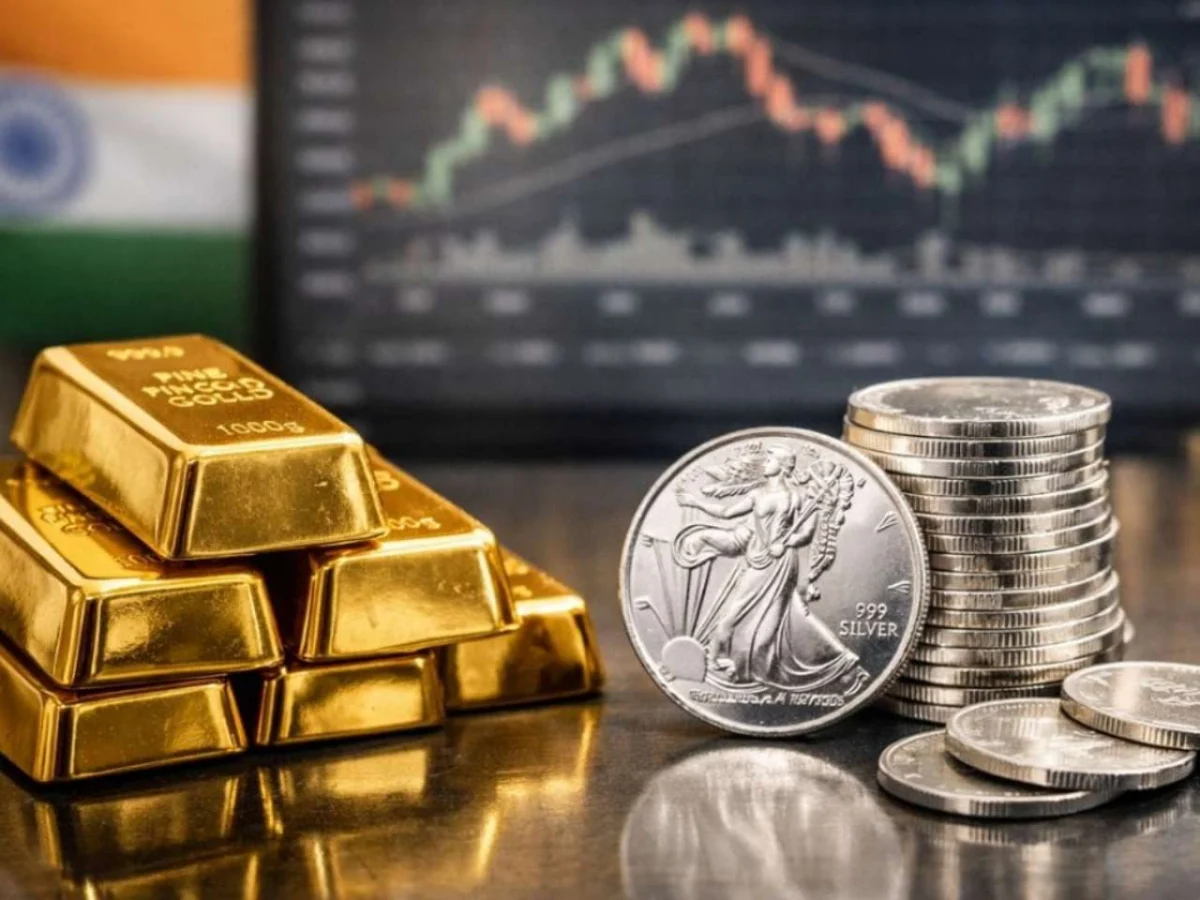
New Delhi, India – The intricate dance of global market forces, persistent inflationary pressures, and the unwavering pulse of domestic demand continue to dictate the trajectory of gold and silver prices across India. As of August 14, 2026, both precious metals exhibit nuanced movements, reflecting a blend of international sentiment and India’s unique economic and cultural landscape. Investors and consumers alike are closely watching these fluctuations, poised to make decisions that impact personal wealth and the broader economy.
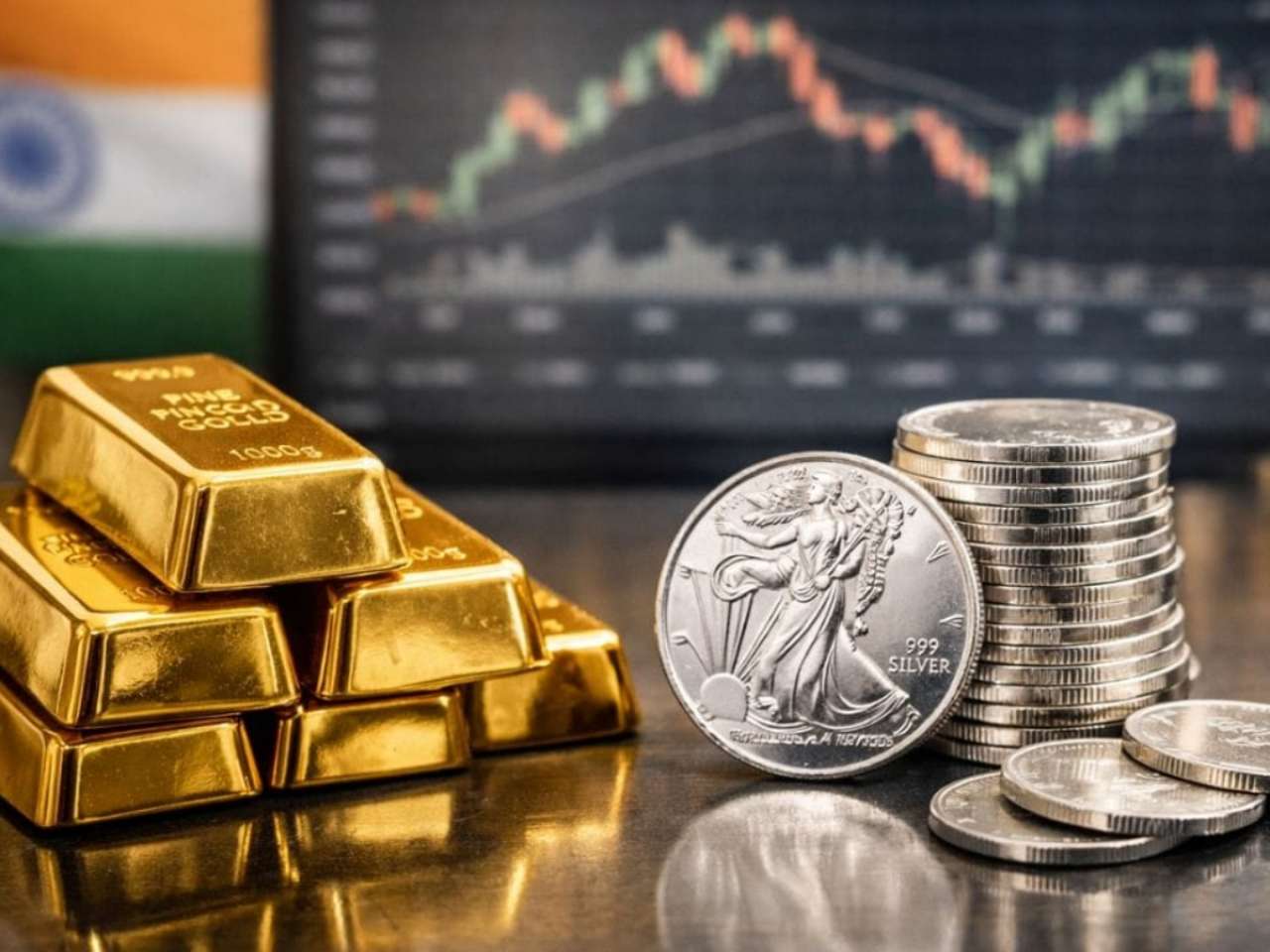
Today’s snapshot reveals a slight upward creep in gold prices, largely buoyed by its perennial safe-haven appeal amidst global economic uncertainties and the lingering specter of inflation. Silver, while generally more volatile due to its significant industrial applications, maintains a robust presence in the market, appealing to a diverse set of investors and consumers. This comprehensive analysis delves into the current price structure, the underlying factors at play, expert insights, and the broader implications for various stakeholders.
Current Price Breakdown: Gold and Silver on August 14, 2026
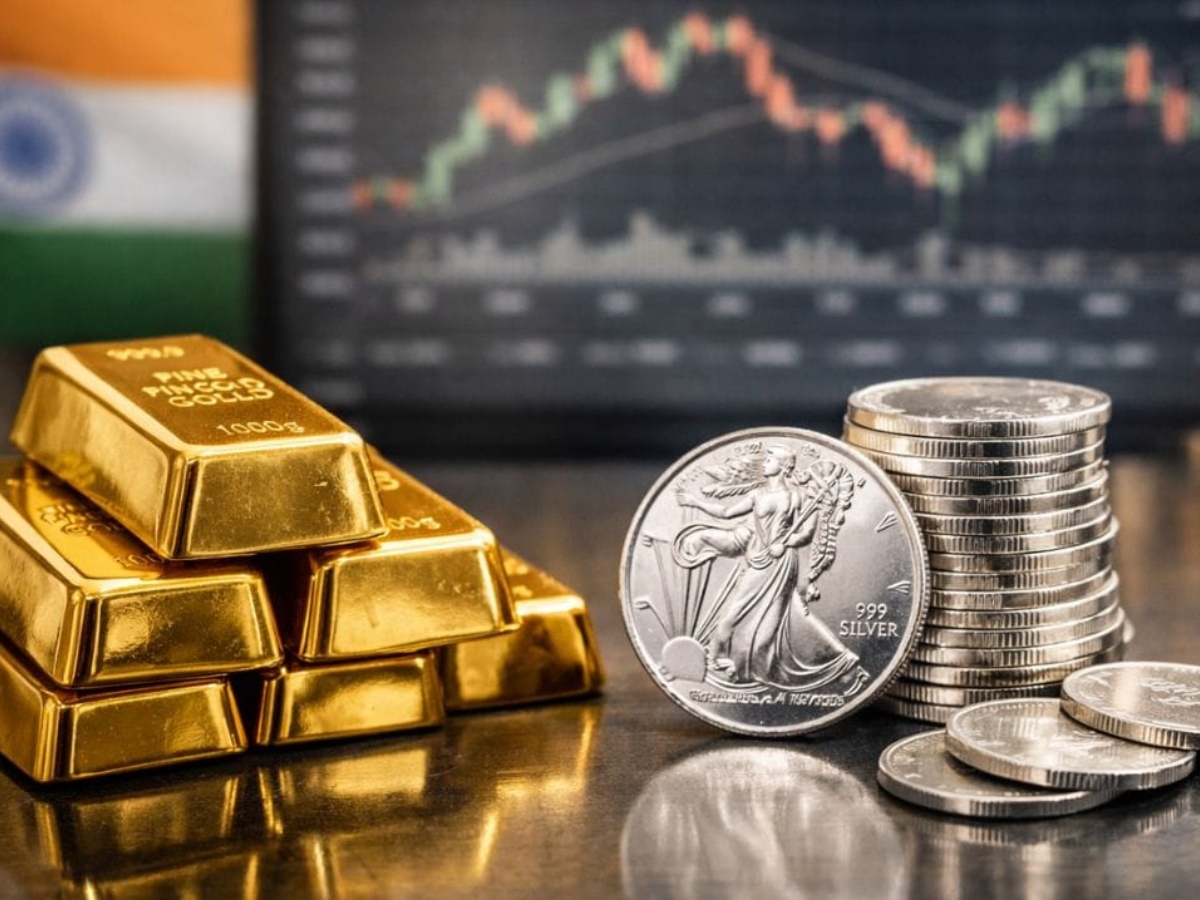
The precious metals market in India is a dynamic ecosystem, with prices influenced by a multitude of factors ranging from international benchmarks to local levies and demand patterns. Here’s a detailed look at the prices as they stand today:
)
Gold Prices on August 14, 2026: A Glimmer of Increase
Gold, often considered the ultimate store of value, has seen a modest uptick today, signaling continued investor confidence in its role as a hedge against economic instability. The national average prices reflect this trend:
- 24K Gold (999 Pure Gold): The purest form of gold, ideal for investments, is currently priced at Rs 15,487 per gram across major markets. This purity is often preferred for gold bars, coins, and high-value investment instruments.
- 22K Gold (91.67% Pure Gold): Commonly used in jewellery due to its durability and malleability, 22K gold is valued at Rs 14,196 per gram. This blend of gold with other metals like copper or silver makes it suitable for intricate designs while retaining significant intrinsic value.
These prices are not uniform across the nation, as local taxes, transportation costs, and regional demand dynamics introduce slight variations. According to data compiled from reliable market sources like Good Returns, the city-wise rates are as follows:

- Gold Prices in Delhi:
- 24K Gold: Rs 15,502 per gram
- 22K Gold: Rs 14,211 per gram
- Gold Prices in Mumbai:
- 24K Gold: Rs 15,487 per gram
- 22K Gold: Rs 14,196 per gram
- Gold Prices in Kolkata:
- 24K Gold: Rs 15,487 per gram
- 22K Gold: Rs 14,196 per gram
- Gold Prices in Chennai:
- 24K Gold: Rs 15,492 per gram
- 22K Gold: Rs 14,201 per gram
The marginal differences highlight the localized nature of India’s bullion market, where even minor logistical variations can translate into distinct pricing structures for consumers.
Silver Prices on August 14, 2026: Holding Strong
Silver, often dubbed "poor man’s gold," commands significant attention for its dual role as an industrial metal and a precious investment asset. Its current prices reflect a stable yet robust demand:
)
- Silver 999 (Pure Silver): The national average for pure silver is approximately Rs 2,54,900 per kilogram, translating to Rs 2,549 per 10 grams. This purity is favored for investment ingots, bars, and industrial applications.
- Silver 925 (Sterling Silver): This alloy, comprising 92.5% silver and 7.5% other metals (usually copper), is widely used in jewellery and decorative items. Its rate is around Rs 2,54,000 per kilogram.
Similar to gold, silver prices exhibit regional variations, primarily due to local market dynamics and logistical overheads:
- Silver Price in Delhi Today (999 Purity): Rs 2,549 per 10 grams
- Silver Price in Mumbai Today (999 Purity): Rs 2,549 per 10 grams
- Silver Price in Kolkata Today (999 Purity): Rs 2,549 per 10 grams
- Silver Price in Chennai Today (999 Purity): Rs 2,599 per 10 grams
Chennai’s slightly higher silver price reflects unique regional demand, where silver ornaments and utensils hold considerable cultural significance, often driving up local premiums.
)
Chronology of Influences: Tracing the Path to Today’s Rates
The prices observed on August 14, 2026, are not isolated figures but rather the culmination of a series of global and domestic events and trends that have shaped the precious metals market over recent months and years. Understanding this chronology is crucial for comprehending the current landscape.
Global Economic Backdrop:
Over the past year, the global economy has navigated a complex path marked by persistent inflation, varying central bank monetary policies, and geopolitical flashpoints. Gold, in particular, has historically thrived in environments of uncertainty. Following a period of aggressive interest rate hikes by major central banks in late 2024 and early 2025 to combat inflation, 2026 has seen a more measured approach. However, inflationary pressures have proven more stubborn than anticipated in several economies, including India, prompting continued interest in gold as an inflation hedge.
)
The US dollar’s strength or weakness plays a pivotal role, as gold is internationally priced in dollars. A stronger dollar typically makes gold more expensive for holders of other currencies, potentially dampening demand, and vice-versa. Throughout 2026, the dollar has experienced periods of fluctuation, contributing to the volatility in gold’s rupee-denominated prices. Geopolitical tensions, from ongoing regional conflicts to trade disputes, have consistently provided a "safe-haven" bid for gold, pushing prices higher during periods of heightened risk aversion.
Domestic Demand Dynamics:
India’s appetite for gold and silver is deeply rooted in its culture, traditions, and economic practices. Demand is typically seasonal, peaking during the wedding season (October to December, and then April to May) and major festivals like Diwali, Akshaya Tritiya, and Dussehra. August 14, 2026, places the market just ahead of the onset of the crucial festive season, which usually begins in earnest from September-October. Anticipatory buying and inventory stocking by jewellers often begin weeks or months in advance, subtly influencing prices.
)
Rural demand, heavily dependent on monsoon performance and agricultural income, is another significant factor. A good monsoon typically translates into higher rural disposable income, boosting demand for gold and silver, especially in southern and western India. The agricultural outlook for 2026, therefore, has been a key determinant in shaping local demand forecasts.
Investment Landscape:
Beyond physical purchases, India has seen a growing sophistication in precious metals investment. Sovereign Gold Bonds (SGBs), gold ETFs, and digital gold platforms have provided alternative avenues for investors, diversifying demand away from purely physical forms. These instruments offer convenience and often bypass storage concerns, attracting a new generation of investors. The performance of the equity markets and real estate sector also influences investment flows into gold and silver, as investors seek diversification or alternative stores of value during periods of market volatility.
)
Government Policies:
Import duties on gold and silver, imposed by the Indian government, have a direct impact on domestic prices. Any changes in these duties, usually announced during the annual budget or through special notifications, can instantly alter the cost structure for importers and jewellers, cascading down to consumer prices. While no immediate changes were announced today, the anticipation or rumors of such policy shifts often create ripples in the market.
Supporting Data: Deep Dive into Factors and Purity
The price of precious metals is not merely a number; it’s a reflection of intricate economic theories and practical market mechanics. Understanding these nuances helps in interpreting today’s rates.
)
The Purity Spectrum: 24K vs. 22K Gold
The distinction between 24K and 22K gold is fundamental in the Indian market:
- 24K Gold (99.9% Pure): This is the purest form, often referred to as 999 gold. Its extreme softness makes it unsuitable for intricate jewellery as it can easily bend or scratch. Therefore, 24K gold is primarily purchased for investment purposes in the form of coins, bars, or digital gold. Its price directly reflects the global spot price of gold, adjusted for currency exchange rates and import duties.
- 22K Gold (91.67% Pure): Also known as 916 gold, this purity contains 91.67% pure gold and the remaining 8.33% is an alloy of metals like copper, silver, or zinc. This alloying process enhances durability, making 22K gold ideal for crafting traditional and contemporary jewellery. The price of 22K gold is derived from the 24K price, factoring in the alloy percentage and additional making charges and GST on jewellery. The slight price difference between cities for 22K gold can also be attributed to varying local making charges and jeweller premiums.
Silver: Industrial Workhorse Meets Investment Asset
Silver’s price dynamics are uniquely influenced by its dual nature:
)
- Industrial Demand: A significant portion of global silver demand comes from industrial applications. It is a critical component in electronics, solar panels, medical devices, photography, and water purification. Economic growth, particularly in manufacturing and renewable energy sectors, directly impacts silver’s industrial consumption and, consequently, its price. As of mid-2026, the global push towards green energy technologies, especially solar power, continues to be a strong underlying support for silver prices.
- Investment Demand: Like gold, silver serves as a tangible asset for wealth preservation. Investors flock to silver during times of economic uncertainty or as a hedge against inflation. However, silver’s price tends to be more volatile than gold’s, often experiencing sharper swings due to its smaller market size and higher sensitivity to industrial demand cycles.
- Purity in Silver:
- 999 Silver: This refers to virtually pure silver (99.9% pure), used for investment bars, coins, and high-quality industrial applications. Its price closely tracks the global spot market.
- 925 Silver (Sterling Silver): This alloy, containing 92.5% silver and 7.5% copper, is the standard for most silver jewellery worldwide. The copper adds strength and durability, making it suitable for intricate designs. Its price is influenced by the pure silver price, fabrication costs, and design premiums.
The regional variations in silver prices, particularly in Chennai, underscore the importance of local cultural practices. In some parts of India, silver jewellery and household items are as culturally significant as gold, leading to specific regional demand patterns.
Official Responses and Expert Perspectives
To gain a deeper understanding of today’s market movements and future outlook, we turn to the insights of leading commodity analysts and market experts. While no direct "official responses" were issued by government bodies today regarding prices, the sentiments of financial experts provide crucial context.
)
Mr. Arjun Kapoor, Head of Commodities Research at Zenith Financials, commented on the gold market: "The slight increase in gold prices today is a clear reflection of the sustained global appetite for safe-haven assets. With central banks globally still grappling with inflation, albeit at varying paces, gold’s appeal as a portfolio diversifier and inflation hedge remains strong. We are also seeing early signs of pre-festive season buying in India, which traditionally provides a floor to domestic prices. The rupee’s relative stability against the US dollar in recent weeks has also prevented any sharp upward movement, keeping prices within a manageable range for consumers."
Regarding the outlook for the coming months, Ms. Priya Sharma, Senior Analyst at Bullion Market Insights, offered a cautious yet optimistic view: "Looking towards the latter half of 2026, we anticipate continued support for gold. Any resurgence in global economic growth concerns, or further geopolitical tensions, could propel prices higher. Domestically, the festive season, starting with Raksha Bandhan and culminating in Diwali, will be a critical period. If the monsoon is favorable, rural demand could significantly bolster sales. Investors should consider gold as a long-term strategic asset, rather than a short-term speculative play."
)
On the silver front, Dr. Ramesh Kumar, a renowned economist specializing in industrial metals, highlighted its unique position: "Silver’s performance today, holding steady, underscores its dual demand drivers. While investment interest remains consistent, the underlying industrial demand, particularly from the burgeoning solar energy sector and electronics manufacturing, provides a strong base. As global economies push for decarbonization and technological advancements, silver’s role as a critical raw material will only grow. This industrial demand acts as a buffer against significant price drops, even during periods of reduced investment interest."
Mr. Vivek Singh, a jewellery market veteran from Mumbai, added a practical perspective: "For jewellers, managing inventory amidst these price fluctuations is key. We are cautiously optimistic about the upcoming festive season. While gold prices have seen an increase, consumers in India often view gold as an essential purchase, especially for weddings and auspicious occasions. The trend of smaller, more frequent purchases, alongside investment in digital gold, is also something we are observing."
)
These expert opinions collectively suggest a market that is fundamentally sound, albeit subject to the usual array of external pressures and internal dynamics.
Implications: What Today’s Prices Mean for India
The current prices of gold and silver on August 14, 2026, carry significant implications for various segments of the Indian economy and society.
)
For Consumers and Households:
For the average Indian household, precious metal prices are more than just financial figures; they are deeply intertwined with cultural practices, savings, and celebrations.
- Festive and Wedding Season Planning: With the festive season approaching, the current gold prices mean that families planning weddings or major festivals will need to factor in higher budgets. While the increase is slight, it adds to the overall cost of jewellery, which is an integral part of these events. Consumers might opt for lighter jewellery designs or consider purchasing 22K gold over 24K for wearables to manage costs.
- Savings and Investment: For many, particularly in rural areas, physical gold and silver serve as traditional forms of savings and insurance against economic hardship. The stable-to-rising prices reinforce their appeal as a tangible asset that appreciates over time, offering a sense of financial security.
- Affordability of Silver: Silver’s relatively lower price point compared to gold makes it a more accessible precious metal for a wider demographic, especially for everyday jewellery and gifting purposes. The current stable prices make it an attractive option for those looking to invest in precious metals without the higher outlay required for gold.
For Investors:
Today’s prices reinforce the long-standing role of gold and silver in investment portfolios.
)
- Inflation Hedge: In an environment where inflation remains a concern, gold’s role as an inflation hedge becomes even more pronounced. Investors looking to protect their purchasing power against rising costs will continue to allocate a portion of their portfolio to gold.
- Diversification: Precious metals offer diversification benefits, often moving inversely or independently of traditional assets like stocks and bonds. Current market conditions, with varied performance across global equity markets, underscore the value of this diversification.
- Investment Avenues: The availability of Sovereign Gold Bonds (SGBs), gold exchange-traded funds (ETFs), and digital gold platforms allows investors to participate in the gold market without the complexities of physical storage, making it more appealing to a broader investor base. Silver also offers similar avenues for those seeking exposure to industrial metal growth and a more volatile asset class.
For Jewellers and Retailers:
The jewellery industry, a significant employer and economic contributor in India, is directly impacted by these price movements.
- Inventory Management: Jewellers must meticulously manage their inventory, balancing current stock with anticipated demand and future price trends. Rising prices necessitate higher capital outlay for new stock, impacting working capital.
- Pricing Strategies: Retailers must navigate the delicate balance of passing on price increases to consumers while remaining competitive. Making charges and design premiums become critical components of their pricing strategy.
- Consumer Sentiment: While demand for precious metals in India is resilient, sharp price hikes can sometimes dampen immediate purchasing decisions, especially for discretionary buys. Jewellers will be closely monitoring consumer sentiment as the festive season approaches.
For the Indian Economy:
The precious metals market has broader macroeconomic implications for India.
)
- Import Bill and Current Account Deficit: India is one of the largest importers of gold and silver. Higher international prices and robust domestic demand can lead to a significant increase in the country’s import bill, potentially widening the current account deficit and impacting foreign exchange reserves.
- Government Revenue: Import duties on gold and silver contribute to government revenue. While these duties aim to curb non-essential imports, they also play a role in domestic pricing.
- Financial Market Stability: A stable and transparent precious metals market contributes to the overall stability of India’s financial ecosystem, providing an important asset class for wealth management and hedging.
Conclusion: A Resilient Market Amidst Evolving Challenges
As of August 14, 2026, India’s gold and silver markets stand as a testament to their enduring appeal, shaped by a complex interplay of global economic trends, domestic demand, and cultural significance. While gold exhibits a slight upward trend driven by inflationary concerns and its safe-haven status, silver maintains a steady course, underpinned by robust industrial and investment demand.
The coming months, particularly the crucial festive season, will be pivotal in determining the near-term trajectory of these precious metals. Investors and consumers alike will need to remain vigilant, adapting to market fluctuations while leveraging the various investment avenues available. Ultimately, the resilience of India’s precious metals market underscores its integral role in the nation’s economy and the financial strategies of its people, continuing to offer both challenges and opportunities in an ever-evolving global landscape.
