

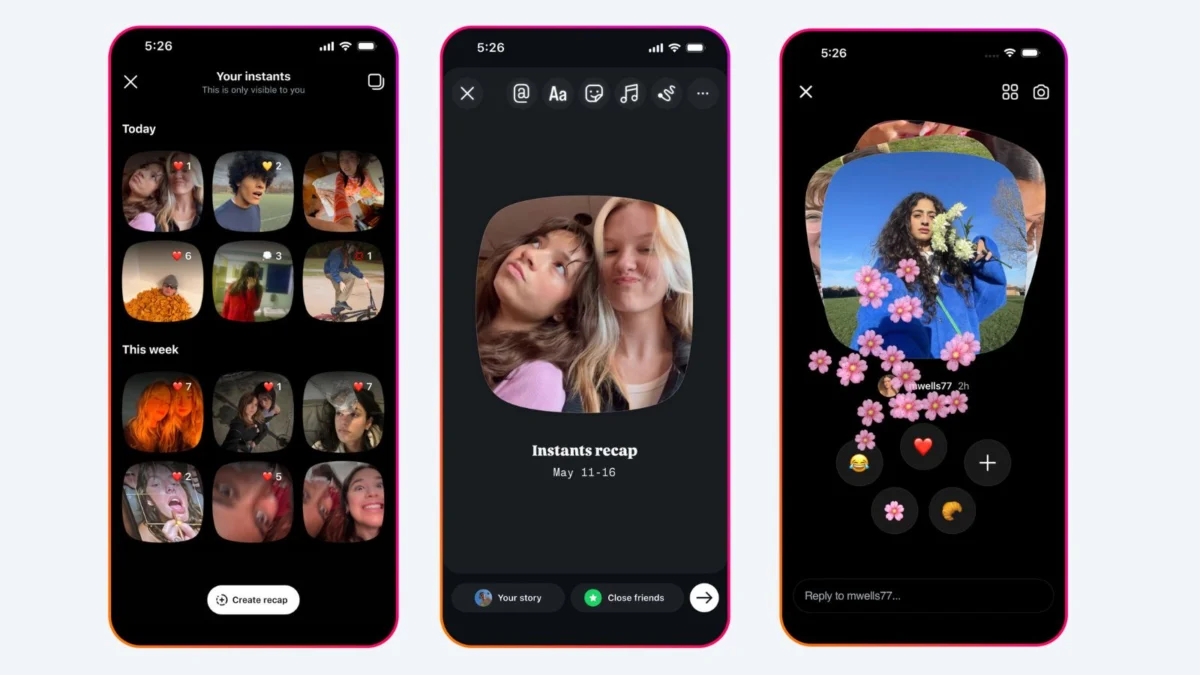
New Delhi, May 16, 2026 – In an era where digital platforms constantly vie for users’ fleeting attention, Instagram, the Meta-owned social media giant, this week rolled out a new feature dubbed "Instants." Designed to foster spontaneous, unedited sharing of real-life moments through disappearing photos, Instants has instead sparked a wave of confusion and concern among its millions of users. Far from achieving widespread adoption, the feature has quickly become a focal point of user frustration, with many actively seeking ways to disable it just days after its launch. The primary culprit appears to be an opaque design that has led to widespread accidental sharing, raising questions about user experience, privacy, and Meta’s strategy in an increasingly competitive social media landscape.
The introduction of Instants on May 13, 2026, was framed by Meta as a move to bring more authenticity and immediacy back to the platform. Users were promised a simple, single-tap mechanism to capture and share ephemeral snapshots with their chosen circles. However, initial implementation has proven problematic, overshadowing the feature’s intended benefits and highlighting a significant disconnect between Meta’s vision and user expectations.
The Core of the Contention: Main Facts and Feature Mechanics
Instants allows users to share photos that vanish after being viewed, and are completely inaccessible after 24 hours. The feature can be accessed via a small photo stack icon located in the bottom right corner of the Instagram inbox. Tapping this icon initiates a brief introductory sequence before revealing a feed of "Instants" shared by followers. Swiping left or up immediately activates the in-app camera, enabling users to snap a photo and share it instantaneously.
Key characteristics of Instants, as outlined by Meta, include:
- Disappearing Content: Photos disappear after viewing and expire within 24 hours.
- No Viewer List: Unlike Instagram Stories, users do not receive a list of who has viewed their Instants.
- Private Interactions: Reactions and replies to Instants remain private between the sender and recipient.
- Targeted Sharing: Users can choose to share Instants with "Friends" or a more curated "Close Friends" list.
- Screenshot/Recording Prevention: Meta claims that friends cannot screenshot or record Instants, aligning with typical disappearing content protocols.
- Integrated Safety: Existing Instagram safety features like Block, Mute, and Restrict apply, and for teen accounts, Instants integrates with Family Centre supervision tools.
Despite these purported safeguards and design choices, the feature’s immediate reception has been largely negative. The most significant point of friction stems from the default sharing setting and the lack of clear user onboarding. By default, Instants are set to share with "Friends," a broad category that can encompass hundreds, if not thousands, of connections. Crucially, many first-time users have reported that upon clicking a picture within the Instants interface, the image is automatically and immediately sent to their entire friends list without a prominent confirmation prompt. This "opaque process of instant capture and upload," as one user described it, has led to numerous accidental shares, often involving unvetted or embarrassing images, before users even understood the feature’s mechanics. The shock of receiving unexpected reactions to accidentally shared photos has been a common complaint, driving a swift search for "how to disable Instants."
A Swift Rollout and Rapid Backlash: The Chronology of Instants
The journey of Instants from concept to controversy unfolded rapidly within the span of a week.
Pre-Launch Buzz (Early 2026): While Meta had been quietly developing features to counter the rise of "authenticity-focused" apps like BeReal, specific details about Instants remained under wraps. Industry observers, however, noted Instagram’s continuous experimentation with ephemeral content, following the success of Stories and the gradual integration of direct messaging features. The anticipation was for a fresh take on spontaneous sharing that could re-engage users seeking less curated interactions.
May 13, 2026 – The Launch: Instagram officially rolled out "Instants" to "millions of users" globally. The phased deployment meant that not all users received the update simultaneously, but a significant portion of the user base gained access to the new icon in their direct message (DM) inbox. Meta’s announcement highlighted the feature’s ability to "share real-life moments" and its intuitive, single-tap sharing mechanism, emphasizing speed and spontaneity.
May 13-15, 2026 – The User Experience Shockwave: Almost immediately following the launch, social media platforms, particularly X (formerly Twitter) and Reddit, began to light up with user complaints. Early adopters described a jarring user experience where tapping the Instants icon and then the camera shutter inadvertently broadcasted a photo to their entire "Friends" list. Many reported not realizing the photo had been sent until they started receiving replies and reactions in their inbox, leading to widespread dismay and a sense of having their privacy compromised by design. The lack of a clear "share" button or a confirmation dialogue before sending was consistently cited as the primary design flaw.
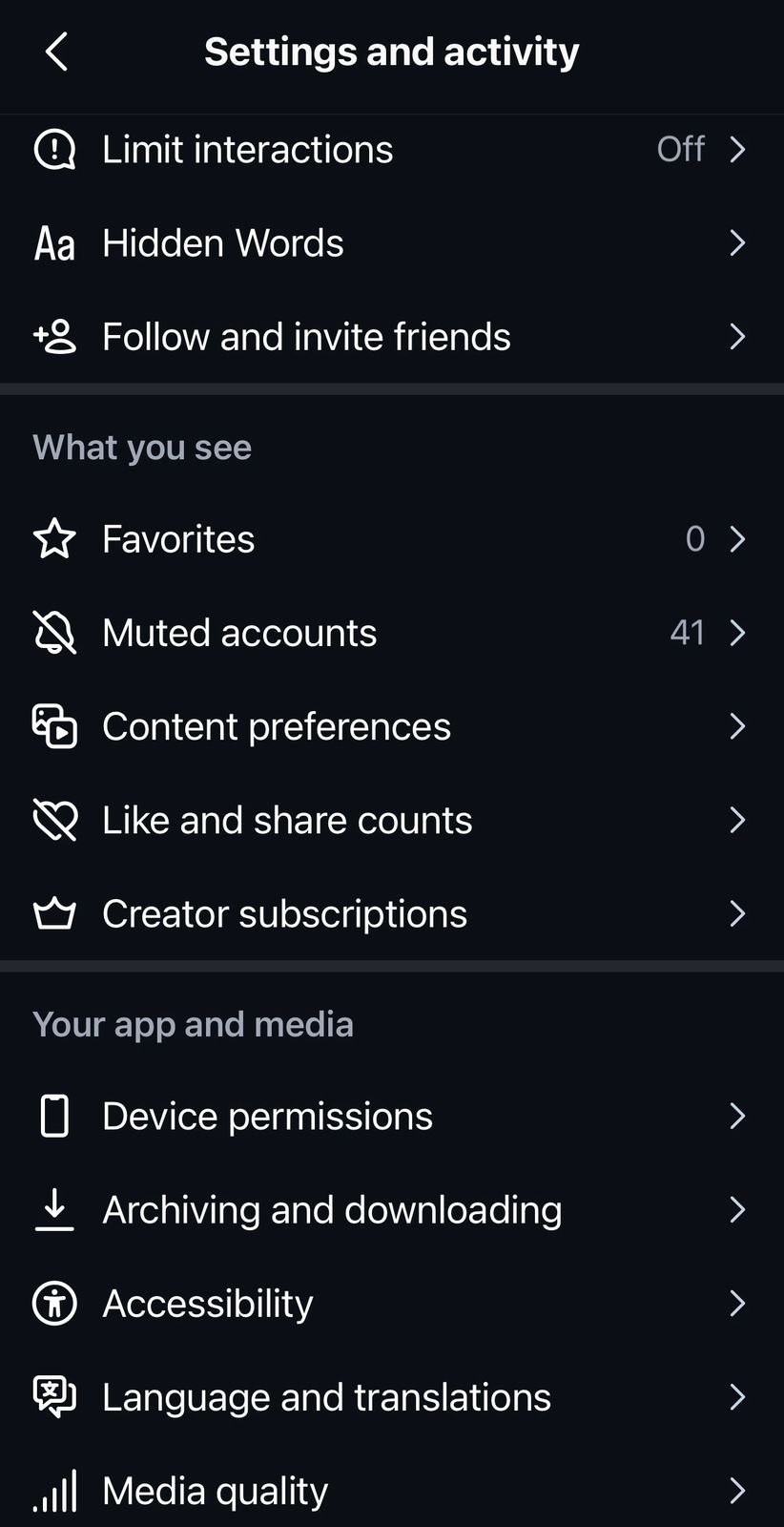
May 16, 2026 – The Search for a Solution: As the wave of accidental shares intensified, the focus quickly shifted from understanding Instants to disabling it. Tech news outlets, including this one, began publishing guides on how to turn off the feature, reflecting the urgent user demand for control. The rapid emergence of these "how-to" articles within days of a major feature launch underscored the severity of the user experience issue and the immediate backlash against Meta’s latest innovation.
Beyond May 16, 2026 – The Road Ahead: The future of Instants remains uncertain. Meta faces a critical juncture: either acknowledge the user feedback and swiftly iterate on the feature’s design, particularly its default settings and onboarding process, or risk alienating a significant portion of its user base. The possibility of an update that introduces a clearer confirmation step or changes the default sharing audience seems likely, though no official statement on such changes has been made yet.
User Backlash and Feature Overload: Supporting Data and Comparative Analysis
The immediate and vocal user reaction to Instants is not an isolated incident but rather indicative of broader trends in the social media landscape. Data from early user sentiment analysis across various platforms reveals a strong negative bias. Hashtags like #DeleteInstants and #InstagramPrivacy began trending, showcasing collective frustration. Anecdotal evidence, while not statistically rigorous, paints a vivid picture of the user struggle:
- "I just accidentally sent a picture of my messy desk to everyone on my Instagram. Thanks, Instants, for the morning anxiety attack!" – User on X.
- "Why would Instagram make a feature that just sends a photo immediately without asking? This is a privacy nightmare." – Reddit thread comment.
- "Had no idea what Instants was. Clicked the icon, took a selfie, then suddenly my ‘friends’ were reacting to it. I didn’t even mean to send it!" – Instagram user story.
This widespread accidental sharing directly contradicts Meta’s stated goal of facilitating "real-life moments." Instead, it has fostered anxiety and a sense of losing control over one’s digital presence.
To understand the context of Instants, it’s crucial to compare it with similar features on other platforms:
- Snapchat: The pioneer of disappearing messages, Snapchat has long accustomed users to ephemeral content. However, Snapchat’s interface typically requires an explicit "send" action, allowing users to select recipients before dispatching a snap. The platform also clearly distinguishes between public Stories and private Snaps.
- Instagram Stories: Already a wildly successful feature, Stories also disappear after 24 hours. However, Stories are generally more curated, offer editing tools, and crucially, require a deliberate "share" action to either "Your Story" or "Close Friends." Users also see a clear list of viewers.
- BeReal: This app gained immense popularity by prompting users to share a photo (using both front and back cameras simultaneously) at a random time each day, fostering authenticity. BeReal emphasizes a limited sharing circle and a specific "time-bound" prompt, making the act of sharing deliberate and understood.
- Facebook Messenger’s Vanish Mode: Similar to Snapchat, this feature allows messages to disappear but is explicitly opt-in for each conversation.
Instants attempts to blend the spontaneity of BeReal with the ephemerality of Snapchat and Instagram Stories, but it appears to have missed a crucial lesson from its predecessors: user control and clear consent. The default setting of sharing to "Friends" rather than "Close Friends" or requiring explicit recipient selection exacerbates the problem, especially for users with large, diverse follower lists.
Furthermore, the integration with "Teen Accounts and Family Centre" highlights Meta’s awareness of the need for youth safety, yet the core design flaw of accidental sharing undermines these efforts. While parents might supervise time limits or sleep mode, an accidental, potentially inappropriate, photo sent to a wide circle of "friends" could have immediate and lasting consequences, regardless of parental supervision. This oversight in the UX design suggests a prioritization of frictionless sharing over user agency and privacy.
Meta’s Official Stance and the Unaddressed Issues
Meta’s public statements regarding Instants have focused on the feature’s intended purpose and its inherent safety mechanisms, largely sidestepping the user experience issues that have emerged.
"Instagram introduced Instants on May 13 as a new way to share photos in the moment with close friends or mutual followers with a single tap," the company stated. "The photos shared on Instants disappear after they’ve been viewed and cannot be viewed after 24 hours. The platform also allows users to edit Instants before sharing. Besides, friends cannot screenshot or record instants when you share them. When it comes to safety and privacy, Meta said that all protections applicable on Instagram will apply to Instants. In-app controls such as Block, Mute, and Restrict will work on Instants too, allowing users to limit getting Instants from specific friends."
This official narrative emphasizes the privacy and safety features:
- Disappearing content: A standard in ephemeral messaging.
- No screenshots/recordings: A critical safeguard for sensitive content.
- Existing safety tools: Leveraging Instagram’s established blocking and muting functions.
- Family Centre integration: A clear nod to protecting younger users and empowering parents.
However, conspicuously absent from Meta’s initial communications (as reflected in the immediate post-launch coverage) is any acknowledgment of the widespread accidental sharing or the confusion stemming from the default "Friends" setting. The company has not, at least publicly, addressed the critical feedback regarding the immediate upload without confirmation. This silence, or perhaps delayed response, risks further eroding user trust.
While the ability to "edit Instants before sharing" is mentioned, the core problem is that many users are accidentally sharing before they even realize a share is imminent, thus bypassing any editing opportunities. Similarly, while users can decide between "Friends" and "Close Friends," the default selection of "Friends" and the lack of a clear prompt to change this setting upon first use contribute significantly to the problem.
The official response, therefore, presents a somewhat sanitized view of Instants, highlighting its theoretical benefits and safety features, while overlooking the practical, real-world user interface challenges that have marred its debut. For a company that frequently champions user-centric design, this initial misstep raises questions about internal testing and user feedback loops during the development phase.
Implications for Instagram, User Trust, and the Future of Social Media
The problematic launch of Instants carries significant implications for Instagram, its parent company Meta, user trust, and the broader social media landscape.
For User Experience (UX) and Design Principles: The Instants rollout serves as a stark reminder of the critical importance of intuitive user interface design, especially for features involving privacy and sharing. The "frictionless" experience, often a design goal for tech companies, can become a significant liability if it bypasses user consent and control. Default settings, particularly for sharing audiences, must be carefully considered and made explicitly clear to users. A feature that generates immediate anxiety and a desire to be disabled rather than adopted is a clear UX failure.
For Privacy and Data Control: Despite Meta’s assurances regarding privacy and safety features, the accidental sharing mechanism inherently undermines user control over their personal content. In an era of heightened awareness around digital privacy, any feature that makes users feel they have inadvertently broadcasted private moments can severely damage trust. This incident could reinforce a perception that platforms prioritize engagement metrics over individual user agency.
For Instagram’s Strategic Direction: Instants appears to be Meta’s latest attempt to inject spontaneity and authenticity into Instagram, potentially as a counter-measure to the rise of apps like BeReal or to re-energize a platform sometimes criticized for being overly curated and performative. However, a fumbled launch can derail even the most well-intentioned strategic moves. If Instants fails to gain traction or is widely disabled, it could be seen as another example of "feature bloat" on Instagram, adding complexity without genuinely enhancing the user experience. Meta needs to demonstrate agility in responding to user feedback to salvage the feature and its underlying strategic intent.
For User Trust and Platform Loyalty: Trust is a fragile commodity in the digital realm. Repeated instances where users feel tricked or blindsided by platform changes can lead to disengagement, reduced usage, or even migration to competing platforms. For Instagram, a cornerstone of Meta’s portfolio, maintaining user trust is paramount. This incident, while potentially minor in the long run, contributes to a cumulative perception of how the platform respects its users’ privacy and choices.
For the Broader Social Media Landscape: The Instants saga highlights the ongoing challenge for social media companies to innovate while respecting user boundaries. The pressure to constantly roll out new features to maintain relevance and engagement often leads to rushed implementations. This situation might prompt other platforms to re-evaluate their onboarding processes and default privacy settings for new features, learning from Instagram’s misstep. It also underscores the continued demand for "authentic" sharing, but with the caveat that authenticity cannot come at the cost of user control.
In conclusion, Instagram’s "Instants" feature, launched with the admirable goal of fostering spontaneous, real-time connections, has stumbled out of the gate. The design choices leading to accidental sharing have generated significant user backlash, eclipsing its intended benefits and raising critical questions about user experience, privacy, and Meta’s development process. For Instants to evolve beyond a controversial footnote, Instagram will need to listen intently to its users, implement swift and meaningful design changes, and rebuild the trust that a single tap unexpectedly eroded. The digital world awaits to see if Meta can turn this misfire into a learning opportunity, or if Instants will simply vanish, much like the photos it was designed to share.
