

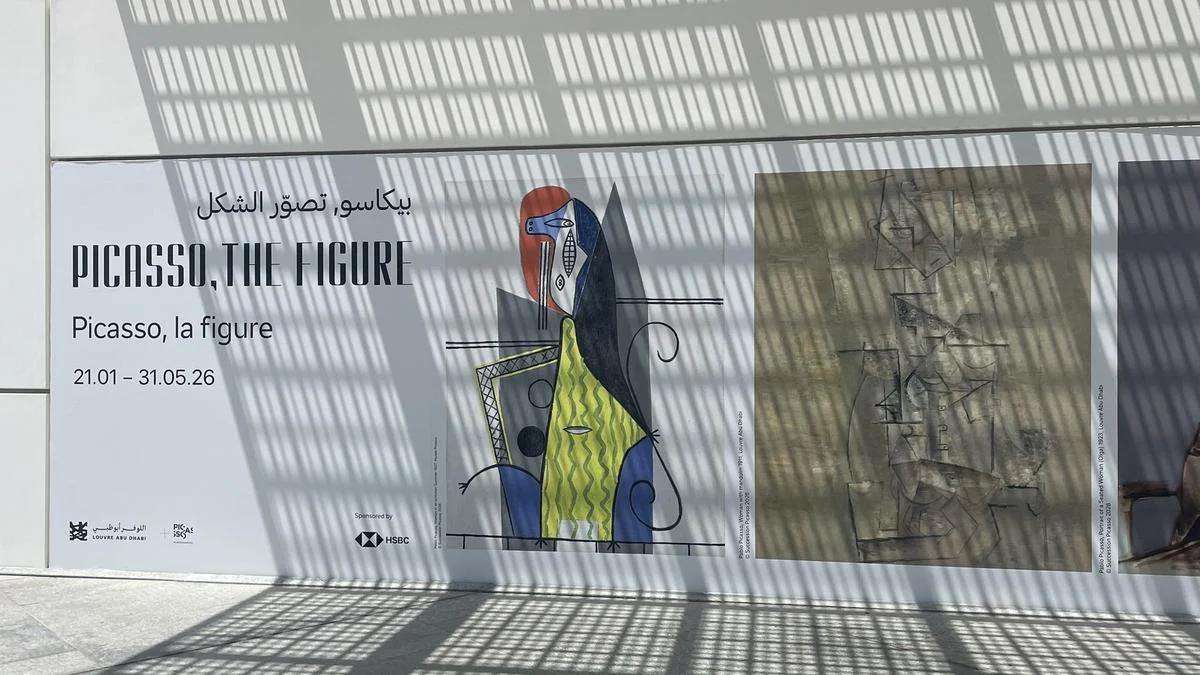
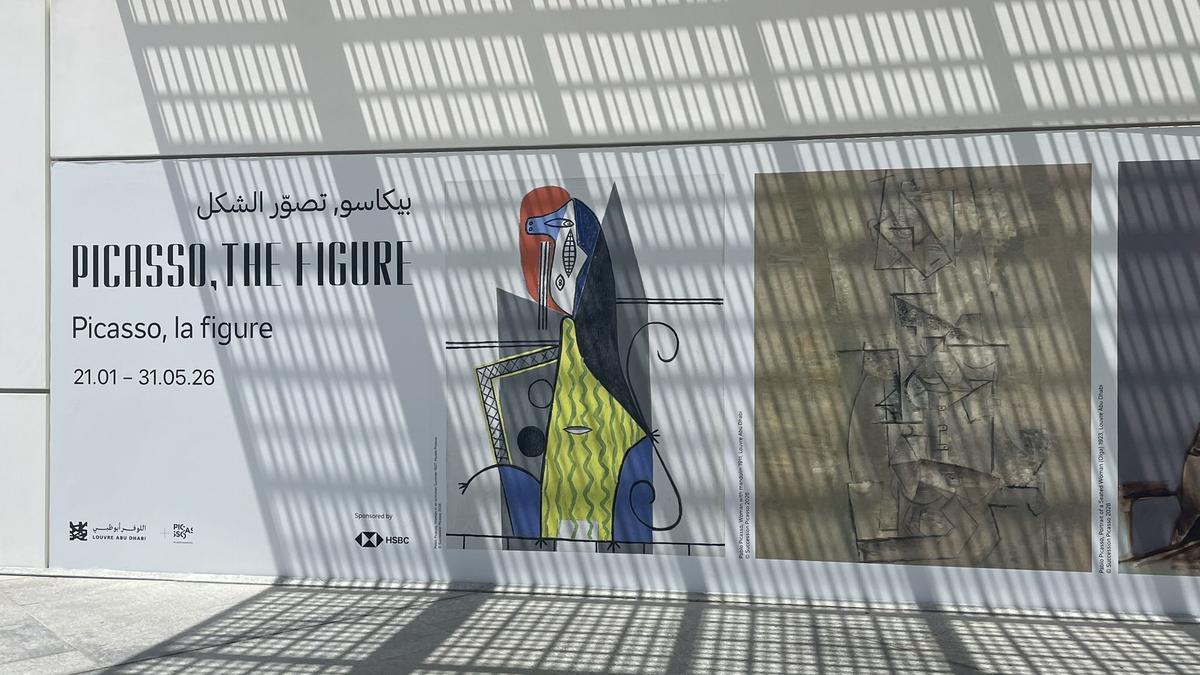
Abu Dhabi, UAE – The Louvre Abu Dhabi, an architectural marvel that has quickly established itself as a beacon of global culture, is currently hosting an exhibition that promises to redefine our understanding of one of the 20th century’s most influential artists. "Picasso, the Figure," running until May 31st, is not merely a showcase of Pablo Picasso’s prodigious talent; it is a meticulously curated journey that illuminates his lifelong fascination with the human form, revealing the artist’s relentless innovation, profound emotional depth, and enduring legacy that continues to resonate across continents and generations.
The exhibition, a significant collaboration between Louvre Abu Dhabi, Musée National Picasso-Paris, and France Muséums, marks a pivotal moment for the institution. It is the first exhibition dedicated solely to Picasso, an artist whose groundbreaking work fundamentally reshaped the trajectory of modern art. Visitors are immediately enveloped by the museum’s unique atmosphere, where the striking architecture of Jean Nouvel, with its "rain of light" cast by the iconic floating dome, seamlessly merges with the artistic experience. This symbiotic relationship between building and art sets the stage for an exhibition that is both intellectually stimulating and emotionally resonant.
The Genesis of a Master: Picasso’s Enduring Fascination with the Human Form
"Picasso, the Figure" brings together approximately 60 significant works, tracing the evolution of Picasso’s engagement with the human figure across his prolific seven-decade career. This is not an exhibition solely focused on Cubism, nor a simple collection of well-known masterpieces. Instead, it offers an immersive exploration of an extraordinary oeuvre, demonstrating how Picasso’s boundless imagination spilled effortlessly across painting, sculpture, drawing, and experimental forms with astonishing vitality.
The exhibition is thoughtfully arranged, guiding visitors through a series of impeccably designed galleries that mirror the chronological and thematic progression of Picasso’s artistic development. From his early portraits, which still bear the vestiges of academic discipline and recognizable structure, to the radical deconstructions of Cubism, the serene beauty of his neoclassical period, the dreamlike landscapes of Surrealism, and the raw, expressive power of his later works, "Picasso, the Figure" meticulously unravels the artist’s visual language.
A key revelation of the exhibition is the understanding that for Picasso, portraiture was never about mere resemblance. As the exhibition’s accompanying narratives emphasize, the human face was for him a fluid entity – emotional, fragmented, and psychologically charged. This philosophy is vividly illustrated as one moves deeper into the galleries. Features begin to shift, profiles fracture, eyes migrate, and bodies defy conventional wholeness. The portraits become increasingly intense, disquieting, and imbued with a profound psychological insight. Picasso’s own observation, that a head is simply a matter of eyes, nose, and mouth arranged as one pleases, resonates powerfully from every wall, underscoring his radical approach to representation.
Muses, Reinvention, and the Power of Transformation
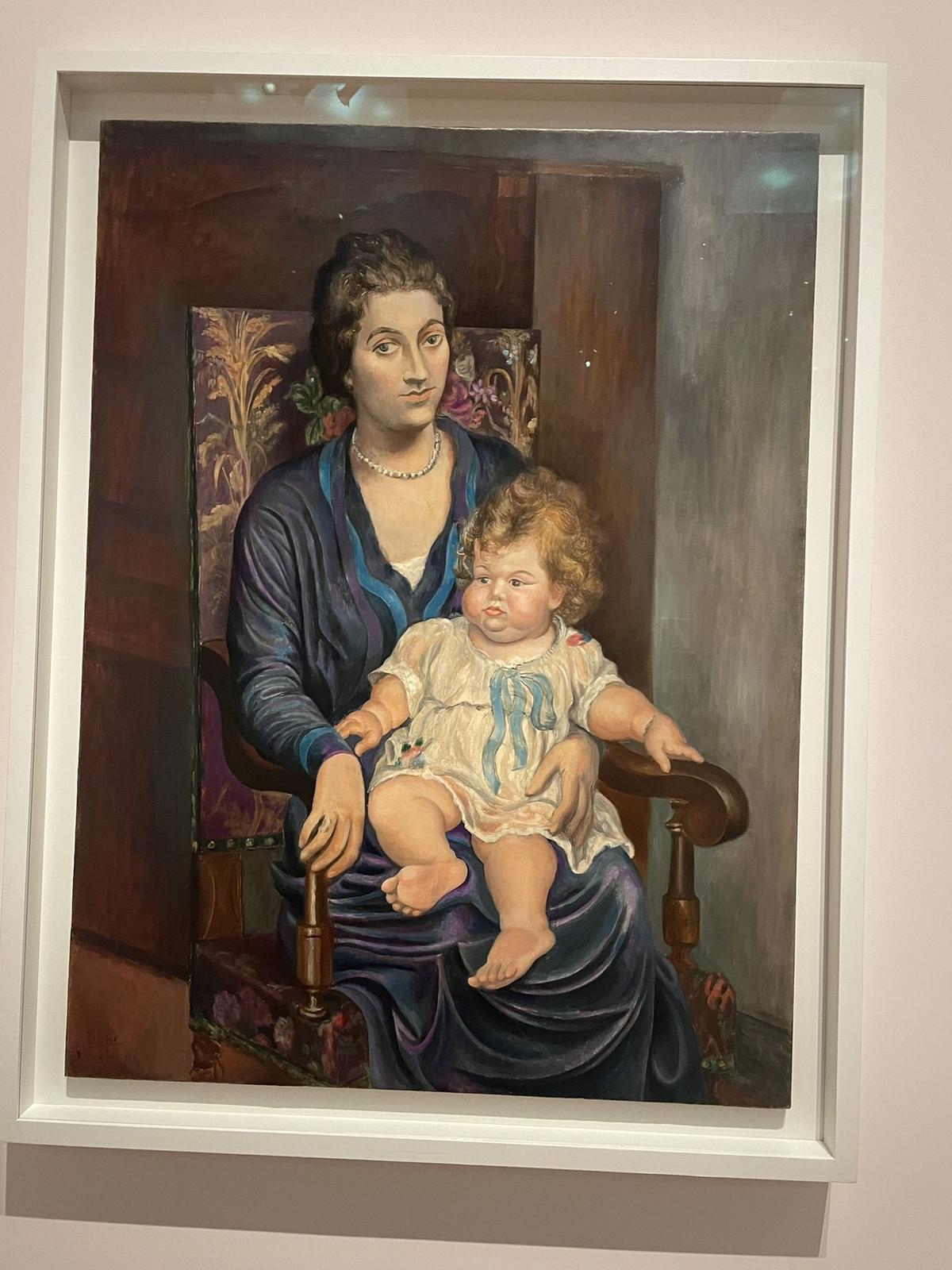
The exhibition masterfully explores the complex relationship between Picasso and his muses, highlighting how these women were not merely subjects but catalysts for his relentless reinvention. A particularly arresting work is the "Portrait of a seated woman" (Olga) from 1923. This painting, depicting Olga Khokhlova, offers a striking contrast to Picasso’s more experimental Cubist phases. Here, she is rendered with quiet elegance, her face turned gently away, her expression composed yet enigmatic. This period reflects Picasso’s immersion in classical art and Renaissance masterpieces during his travels in Italy, leading to a temporary return to a more refined, neoclassical style. Olga appears almost sculptural, a Greco-Roman figure suspended in a moment of profound stillness, conveying a sense of tenderness intertwined with an palpable emotional distance.
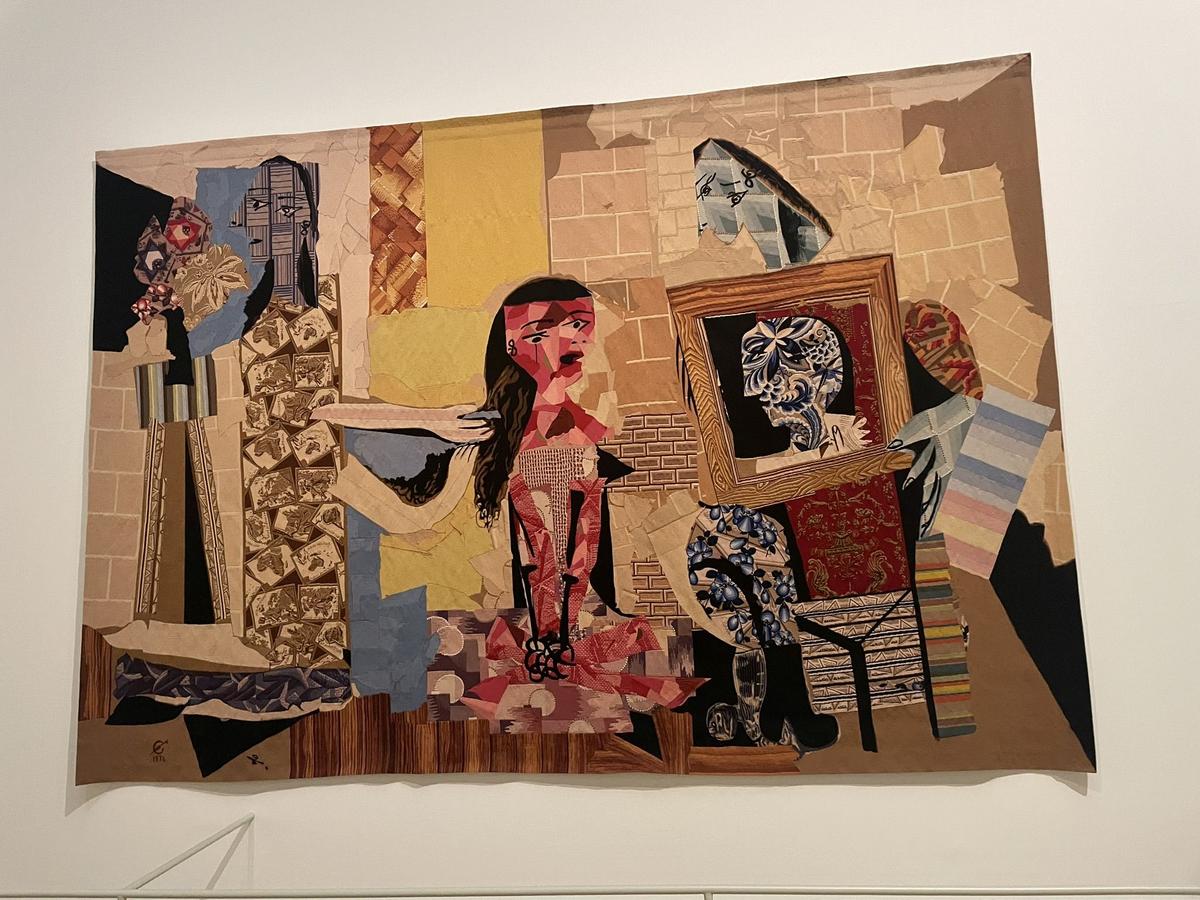
The exhibition then transitions to explore Picasso’s later works, where the softness of his neoclassical period gives way to a bolder, more visceral approach. "Woman in an armchair" (1947), a portrait of Françoise Gilot, an artist, muse, and significant figure in his later life, is a prime example. Gilot is transformed, almost mythologically, into a botanical entity. Her body elongates like a stem, her limbs branch outwards like leaves or claws, and her face blooms within petal-like forms. The work is a captivating blend of playfulness, sensuality, and a subtly unsettling distortion, embodying Picasso’s unique ability to capture multiple emotional registers simultaneously.
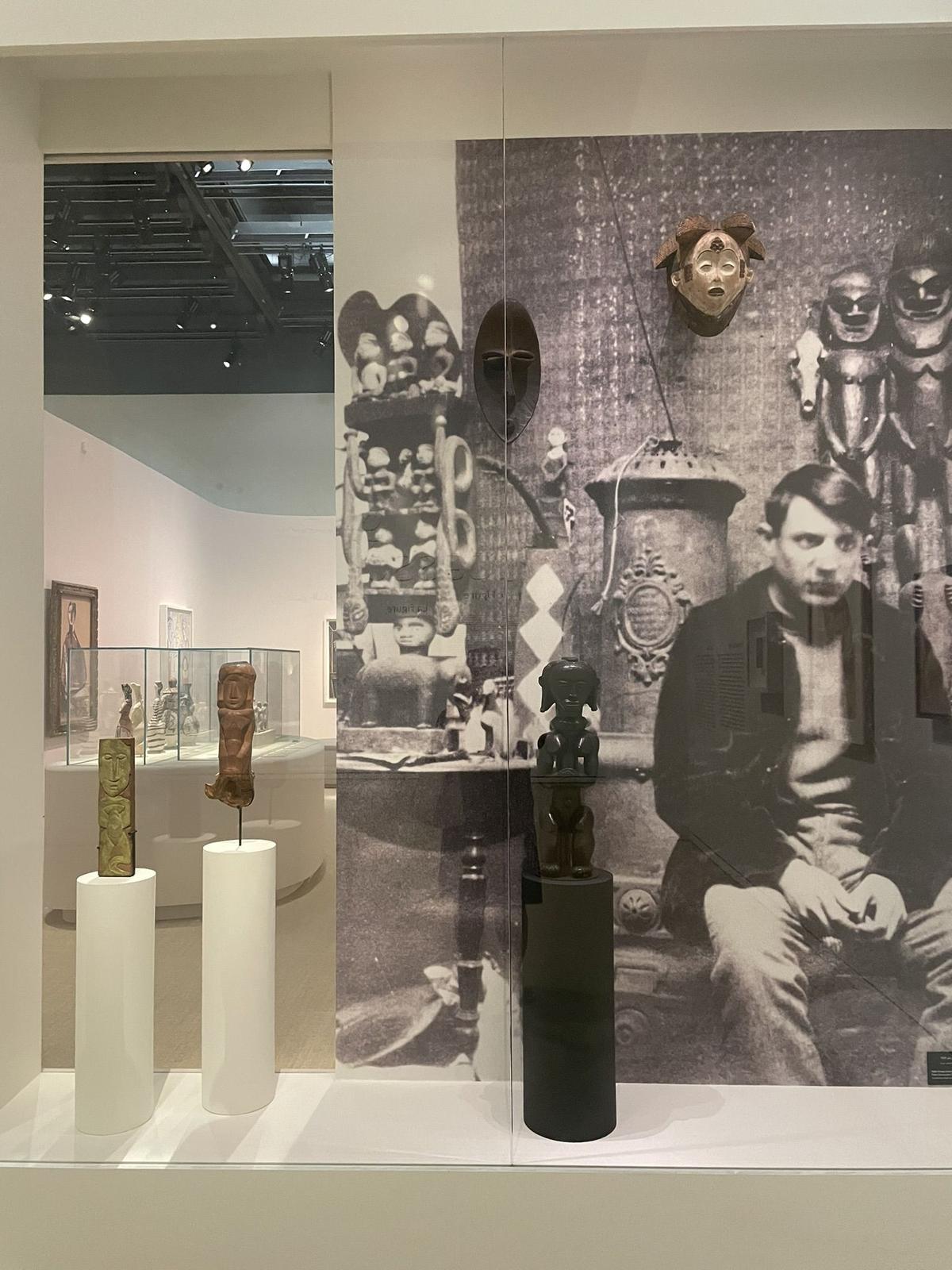
It becomes clear through these works that Picasso rarely painted women as simple individuals. Instead, he depicted them as powerful forces – emotional, symbolic, and transformative. The exhibition effectively showcases how the maestro absorbed diverse visual languages from across cultures and centuries, from African masks and ancient mythology to Iberian sculpture and classical European masters, only to deconstruct and reassemble them into something undeniably his own. This process of appropriation and reinvention is a hallmark of his genius, allowing him to continually push the boundaries of artistic expression.
The Shadow of Conflict and a Global Dialogue
Beneath the layers of stylistic experimentation and personal exploration, a palpable sense of conflict begins to emerge in Picasso’s oeuvre, particularly as Europe descended into the turmoil of war. His work grew darker, sharper, and emotionally heavier, reflecting the anxieties and brutalities of his time. This shift is powerfully articulated in the exhibition’s final galleries, where Picasso’s influence extends far beyond European borders, fostering a profound dialogue with contemporary artists grappling with similar themes of conflict and human suffering.
A particularly poignant and impactful moment in the exhibition is the presence of Iraqi artist Dia Al-Azzawi’s monumental work, "Elegy to My Trapped City." Displayed in a darkened room, this long, horizontal, and emotionally overwhelming painting directly echoes the visual language of Picasso’s anti-war masterpieces while speaking with searing intensity to the destruction of Baghdad. Figures writhe across the canvas in profound anguish, their suffering amplified by the haunting sound of Arabic poetry that fills the space. The effect is nothing short of devastating, creating a powerful connection between the historical context of Picasso’s anti-war statements and the contemporary realities of conflict in the Middle East.
It is in this space that "Picasso, the Figure" transcends its role as an art historical exhibition. It transforms into something far more profound: a conversation that spans continents and generations, bridging the artistic traditions of Spain and Iraq, memory and destruction, artistic rebellion and enduring human suffering. This juxtaposition underscores the universal relevance of Picasso’s work and its capacity to inspire artists across the globe to confront and interpret their own experiences of conflict and resilience.
A Legacy Reimagined: The Enduring Impact of "Picasso, the Figure"
As visitors depart from the immersive experience of "Picasso, the Figure" and step back beneath the Louvre Abu Dhabi’s shimmering dome, the museum itself seems to possess a renewed significance. The sight of families still wandering, children exploring, and phones capturing carefully composed moments takes on a new dimension. Having journeyed through Picasso’s revolutionary vision, the world itself appears subtly rearranged, perceived through a lens of artistic innovation and profound human expression.
"Picasso, the Figure" is more than just an exhibition; it is a testament to the enduring power of art to provoke, inspire, and connect. It showcases the Louvre Abu Dhabi’s commitment to presenting world-class exhibitions that not only highlight artistic brilliance but also foster a global dialogue. The exhibition solidifies the museum’s position as a vital cultural institution, capable of housing and presenting art in a way that is both architecturally stunning and deeply meaningful. The profound impact of Picasso’s exploration of the human form, as curated and presented in this remarkable exhibition, serves as a powerful reminder of art’s capacity to reflect the complexities of the human condition and, perhaps, to offer a glimpse of true genius. The exhibition is a must-see for art enthusiasts and anyone seeking to understand the revolutionary spirit that defined 20th-century art and continues to shape our world today.
