

Mumbai, India – May 20, 2026 – The Board of Control for Cricket in India (BCCI), the governing body for cricket in India, today announced a sweeping and ambitious revamp of the nation’s domestic cricket structure for the 2026-27 season. In a move poised to redefine player pathways and align the foundational levels of the sport with contemporary demands, the BCCI has not only reshuffled existing competitions but also reintroduced a historically significant tournament, signaling a comprehensive commitment to player development and the evolution of Indian cricket.
The announcement, delivered alongside the highly anticipated domestic schedule, promises an unprecedented scale of cricketing action, with 1788 matches slated across men’s and women’s categories, encompassing all age groups and formats. This monumental undertaking reflects the BCCI’s strategic vision to create a robust, dynamic, and future-ready ecosystem capable of nurturing talent from the grassroots to the international stage.
Main Facts of the Revamp
The 2026-27 domestic season is set to be a spectacle of scale and strategic adjustments, meticulously designed to cater to the diverse needs of Indian cricket. The BCCI’s proactive measures underscore a clear intent to foster a competitive yet sustainable environment for players across the spectrum.
A Season of Unprecedented Scale and Structure
The sheer volume of cricket planned for the 2026-27 season is staggering. With 1788 matches on the calendar, the BCCI is embarking on its most extensive domestic program to date. This figure encompasses every facet of Indian cricket: men’s senior tournaments, a burgeoning women’s circuit, and meticulously structured age-group competitions (U23, U19, U16 for men; U23, U19, U15 for women). The overarching philosophy guiding this expansion is to ensure that every aspiring cricketer, irrespective of age or gender, is afforded a proper platform to showcase their skills, gain invaluable experience, and progress through a well-defined pathway. The focus is on quality exposure, adequate rest, and specialized development for different formats of the game.
)
Red-Ball Cricket Retains Its Primacy
Despite the global surge in white-ball cricket, the BCCI has unequivocally reaffirmed its commitment to the long format, ensuring that red-ball cricket remains the bedrock of player development. The season will kick off with the prestigious Duleep Trophy on August 23, a zonal competition featuring six teams, serving as an ideal curtain-raiser for the first-class season. This will be swiftly followed by the Irani Cup, commencing on October 1, pitting the Ranji Trophy champions against a Rest of India squad.
The crown jewel of Indian first-class cricket, the Ranji Trophy, is scheduled to begin its league phase on October 11. Crucially, the Ranji Trophy, along with the Col CK Nayudu Trophy (U23 first-class), will maintain its two-phase format. The initial leg of the Ranji Trophy will run until November 5, allowing for a strategic break before resuming on January 17, 2027, and concluding on February 4, 2027. This bifurcated schedule is a deliberate move to manage player workload, navigate climatic challenges across the vast Indian subcontinent, and ensure multi-day cricket retains its prominence without undue strain on athletes. The Elite Group of the Ranji Trophy will continue to feature 32 teams, divided into four groups, fostering intense competition, while the Plate Group will comprise six teams. The defending champions, Jammu and Kashmir, who dramatically triumphed over Karnataka in the last final, will undoubtedly be looking to defend their title with vigor.

Reintroducing a Classic: The Col CK Nayudu Trophy Winners vs Rest of India
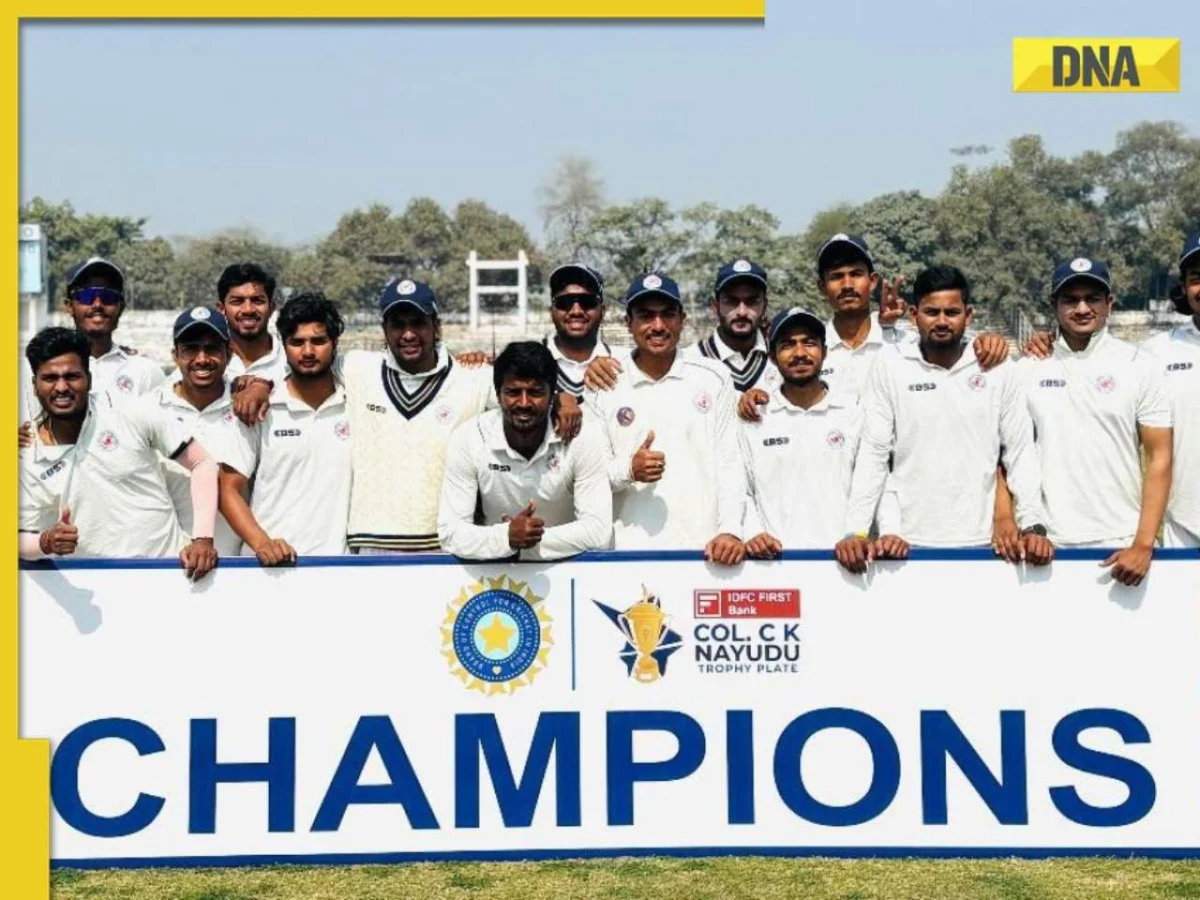
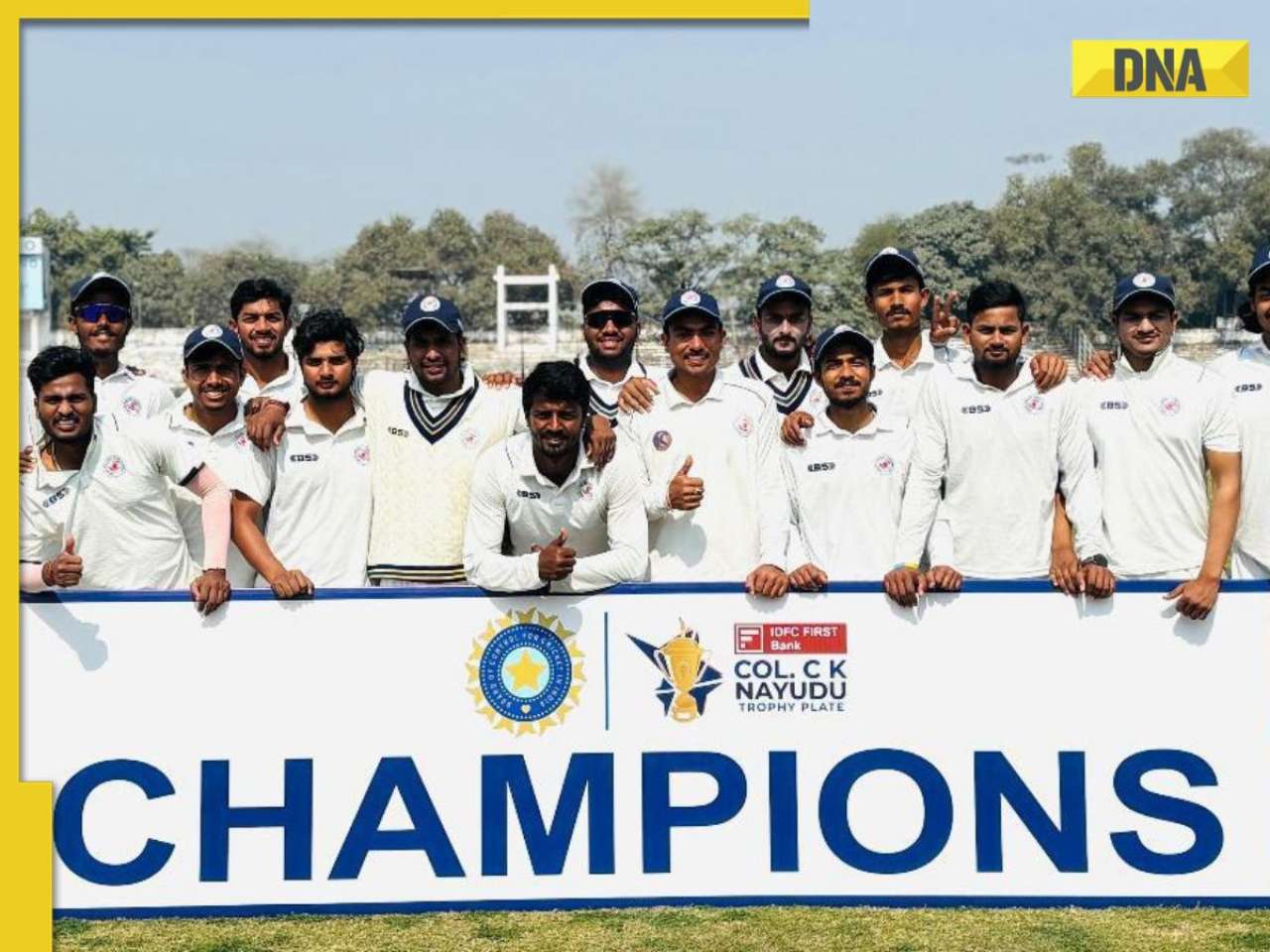
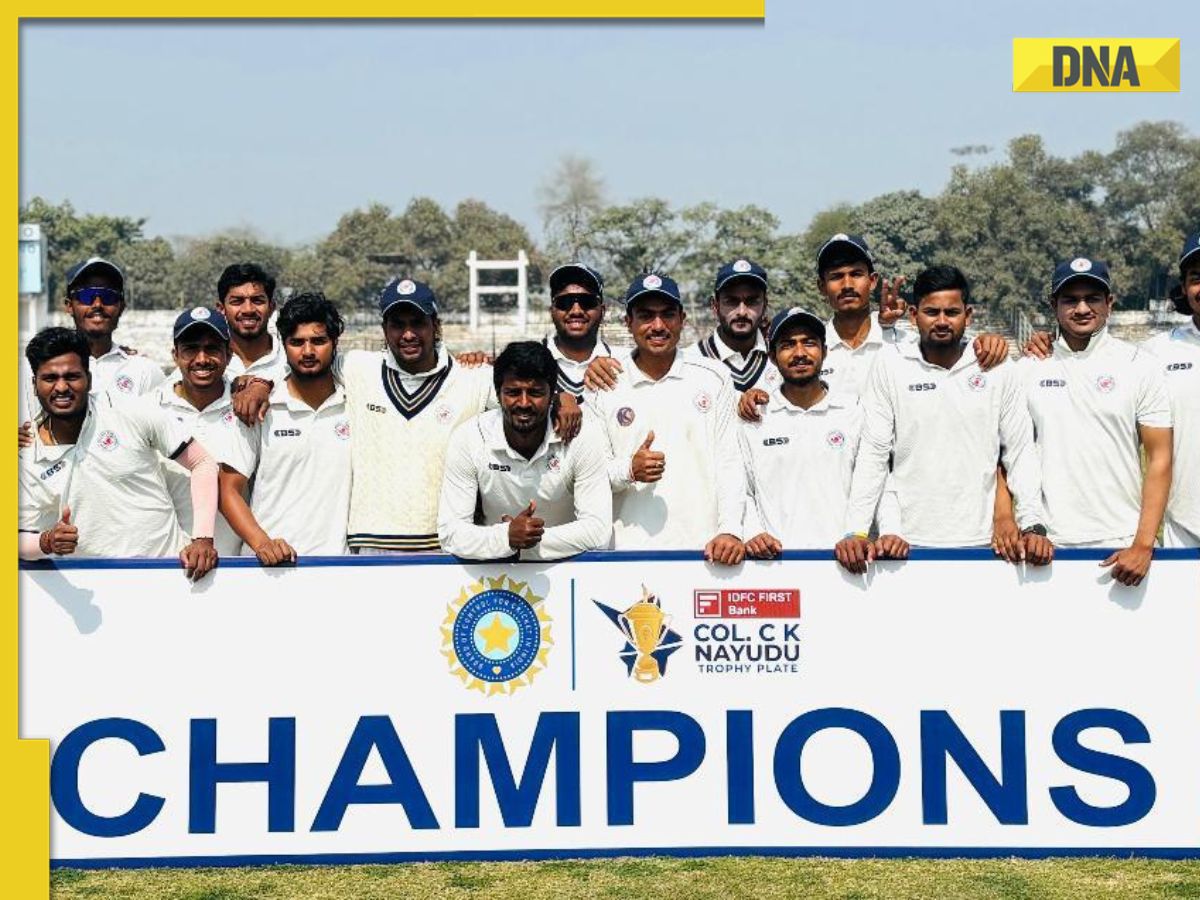
One of the most significant and celebrated changes is the reintroduction of the Col CK Nayudu Trophy Winners vs Rest of India match, scheduled for October 1-4. This particular fixture, steeped in tradition, represents more than just a nostalgic nod to the past. It is a strategically vital platform designed to provide an unparalleled opportunity for the brightest U23 talents from across the country to compete at a high-stakes level. By pitting the champions of the premier U23 first-class competition against a formidable Rest of India XI, the BCCI aims to simulate a high-pressure environment, allowing young players to test their mettle, gain exposure, and potentially accelerate their career progression. Such a match can often serve as a direct pathway to senior state teams and even national recognition, making it a crucial component of the developmental pipeline.
Modernizing White-Ball Formats at Age-Group Level
Acknowledging the global shift towards shorter formats and the increasing demands of modern-day cricket, the BCCI has made a decisive move to transform specific age-group white-ball tournaments. Notably, the one-day format for the Men’s U23 State A Trophy and the Vizzy Trophy has been scrapped in favor of the T20 format. This transition is a direct response to the evolving landscape of cricket, where T20 skills are increasingly vital for both domestic and international success. By exposing young players to the fast-paced, high-pressure environment of T20 cricket from an early age, the BCCI aims to better prepare them for the demands of franchise leagues like the Indian Premier League (IPL) and the rigors of international white-ball competitions. This change will foster a new generation of cricketers adept at dynamic hitting, innovative bowling, and agile fielding.
)
Strategic Scheduling and Venue Changes
Beyond the structural alterations, the BCCI has also implemented intelligent scheduling and venue modifications to enhance the quality and fairness of competitions. The knockouts for the Cooch Behar Trophy (U19 first-class, Elite Group) will now be held in Bengaluru and Mysuru. This decision is not merely about selecting new venues; it is a thoughtful response to the challenging weather conditions often encountered in other parts of India during January, when these matches typically take place. By moving the crucial knockout stages to regions known for more stable and favorable cricketing weather, the BCCI aims to minimize disruptions, ensure fair playing conditions, and allow teams to compete at their best without external factors unduly influencing outcomes.
Furthermore, the Vijay Merchant Trophy (U16) has been strategically brought forward in the calendar, now scheduled from November to January. This adjustment provides younger players with extended preparation time, allows for better adaptation to playing conditions, and generally represents a smarter utilization of the cricketing calendar, ensuring that age-group cricket is optimally positioned for player development.
)
Robust Age-Group and Women’s Cricket Focus
The BCCI’s commitment to nurturing talent extends comprehensively across all age groups and to the rapidly expanding women’s cricket ecosystem. For men’s cricket, structured tournaments are planned for U23, U19, and U16 categories, creating a clear ladder of progression. Similarly, women’s cricket will feature competitions spanning seniors to U23, U19, and U15 age groups. This extensive coverage ensures a continuous pipeline of talent, providing ample opportunities for young cricketers to hone their skills, gain competitive experience, and eventually transition into senior state and national teams. The explicit goal is to give every cricketer a proper platform, recognizing that a strong domestic foundation is paramount for sustained international success.
Chronology of the 2026-27 Domestic Season
The 2026-27 domestic calendar, released on May 20, is a meticulously crafted schedule designed to provide continuous cricketing action while strategically managing player welfare and logistical challenges.
)
The Red-Ball Curtain-Raiser
The season commences with a strong emphasis on multi-day cricket, setting a traditional tone for the domestic year:
- August 23: The Duleep Trophy, featuring six zonal teams, will kick off the season, initiating the red-ball segment. This tournament provides an early opportunity for players to stake their claim for the Ranji Trophy.
- October 1: The Irani Cup, a prestigious one-off match, begins, showcasing the reigning Ranji Trophy champions against a Rest of India XI.
- October 1-4: The much-anticipated Col CK Nayudu Trophy Winners vs Rest of India match will run concurrently with the Irani Cup, highlighting U23 talent.
- October 11: The first phase of the Ranji Trophy, India’s premier first-class competition, begins. This initial segment will see teams compete vigorously in their respective groups.
- November 5: The first phase of the Ranji Trophy concludes, providing players with a much-needed break before the white-ball tournaments take center stage.
White-Ball Action and Age-Group Intensification
Following the initial red-ball phase, the focus will shift to shorter formats, ensuring players gain experience across different demands of the game:
)
- Late November – December: While not explicitly detailed in the provided content for 2026-27, historically, this period usually features the Syed Mushtaq Ali Trophy (T20) and the Vijay Hazare Trophy (One-Day), India’s premier white-ball domestic tournaments. It is highly probable these will retain their traditional slots, providing a vibrant white-ball interlude. The U23 State A Trophy and Vizzy Trophy, now in T20 format, would also likely be slotted in this period or slightly earlier, aligning with the season’s flow.
- November – January: The Vijay Merchant Trophy (U16) will run during these months, benefiting from its new, earlier slot in the calendar.
- Throughout the season: Various U19 and U23 tournaments for both men and women, including the Cooch Behar Trophy (U19 first-class), will be strategically spread to ensure continuous development and competition. The Cooch Behar Trophy’s Elite Group knockouts, specifically, are scheduled for Bengaluru and Mysuru, likely in January.
The Ranji Resumption and Season Climax
The domestic season will culminate with the decisive second phase of the Ranji Trophy and the finals of various age-group competitions:
- January 17, 2027: The Ranji Trophy resumes its second phase, promising intense competition as teams vie for knockout berths and ultimate glory. This period is crucial for teams to consolidate their positions or make late charges.
- February 4, 2027: The Ranji Trophy league stage concludes, paving the way for the knockout rounds and the grand finale.
- February – March 2027: The knockout stages and finals of the Ranji Trophy, along with other major age-group and women’s tournaments, will bring the domestic season to its thrilling conclusion, identifying champions across all formats and categories.
Supporting Data and Contextual Information
The BCCI’s domestic revamp is not merely a rearrangement of dates but a profound recalibration supported by strategic considerations and a deep understanding of cricket’s evolving landscape.
)
The Sheer Volume: 1788 Matches
The commitment to hosting 1788 matches is a testament to the BCCI’s unparalleled organizational capacity and financial strength. This figure represents an immense logistical undertaking, requiring meticulous planning, vast infrastructure, and significant human resources. Compared to previous seasons, this is likely one of the highest numbers, reflecting a concerted effort to maximize playing opportunities. Such a volume ensures that a larger pool of players gains competitive experience, addressing the perennial challenge of providing sufficient match practice to India’s burgeoning cricketing talent. It also signifies an increased investment in grassroots and sub-senior level cricket, which is vital for building a strong talent pipeline.
The Ranji Trophy: India’s Premier First-Class Competition
The Ranji Trophy’s enduring significance cannot be overstated. Since its inception in 1934, it has been the crucible where India’s Test cricketers are forged. The decision to retain its two-phase format is a pragmatic one, addressing key challenges:
)
- Player Workload Management: First-class cricket is physically and mentally demanding. The break allows players to recuperate, manage injuries, and prepare for the next phase, reducing burnout.
- Climatic Considerations: India’s diverse climate presents significant challenges for multi-day cricket, particularly during winter months when fog and poor light can disrupt play in northern regions. The two-phase format allows for more favorable playing conditions in different parts of the country at different times.
- Maintaining Multi-Day Cricket’s Focus: By spreading the Ranji Trophy, the BCCI ensures that the long format remains central to the domestic calendar, providing continuous opportunities for players to develop the patience, technique, and strategic acumen required for Test cricket.
The structure of 32 Elite teams and 6 Plate teams ensures competitive balance while offering opportunities for emerging cricketing states to progress. Jammu and Kashmir’s recent triumph is a powerful example of how the Ranji Trophy continues to provide moments of glory and inspire teams from across the nation.
The Rise of T20 in Domestic Pathways
The global ascendancy of Twenty20 cricket, spearheaded by leagues like the IPL, has fundamentally altered player development. The BCCI’s decision to convert the Men’s U23 State A Trophy and the Vizzy Trophy to the T20 format is a timely and strategic adaptation. This move serves multiple purposes:
- Relevance to Modern Cricket: It directly addresses the need for players to be proficient in T20 skills – power-hitting, death bowling, innovative fielding, and tactical awareness – which are now crucial for both white-ball international cricket and lucrative franchise leagues.
- Talent Identification: It provides a clearer pathway for identifying players suited for the T20 format, giving scouts and selectors a better gauge of a player’s capabilities in a format that demands specific skill sets.
- Player Preparation: Young cricketers will gain early exposure to the rhythm and demands of T20, making their transition to senior white-ball cricket and professional leagues smoother. This foresight ensures India remains at the forefront of T20 talent production.
Investing in the Future: Age-Group and Women’s Cricket
The comprehensive structure for age-group and women’s cricket highlights the BCCI’s long-term vision.
)
- Clear Pathways: The U15, U16, U19, and U23 tournaments create a clear, sequential progression for young talent. This structured approach helps in continuous monitoring and development, ensuring that promising cricketers do not fall through the cracks.
- Expanding Women’s Cricket: The emphasis on women’s age-group cricket is particularly crucial. With the success of the Women’s Premier League (WPL) and growing international recognition, investing in a robust domestic structure for women is vital to sustain this momentum and build a deep talent pool for the national team. These tournaments are foundational for identifying future stars and ensuring the growth of women’s cricket in India.
Official Responses and Stakeholder Perspectives
While the original article does not contain direct quotes from BCCI officials, the nature and scale of these changes strongly imply a strategic rationale and broad consensus within the board and among stakeholders.
BCCI’s Vision for Domestic Cricket
The comprehensive revamp is undoubtedly the culmination of extensive discussions and planning within the BCCI. Officials, including the President and Secretary, would likely articulate the vision behind these changes as a commitment to:
)
- Player Development: Providing every cricketer with the best possible opportunities to hone their skills and realize their potential.
- Modern Alignment: Adapting to the evolving demands of international cricket across all formats.
- Strengthening the Foundation: Ensuring that India’s domestic structure remains robust, competitive, and capable of consistently producing world-class talent.
- Inclusivity: Expanding opportunities for both men and women, across all age groups and regions.
The decision-making process would have involved consultations with state associations, coaches, former cricketers, and potentially even player representatives to gather diverse perspectives and ensure the practicality and effectiveness of the proposed changes.
Coaching and Player Perspectives
From a coaching standpoint, the two-phase Ranji Trophy is generally welcomed for its benefits in player management and climate navigation. However, it also presents challenges in maintaining team cohesion during the break. The shift to T20 for U23 tournaments would be seen as a progressive step, allowing coaches to focus on developing specialized T20 skills, which are increasingly sought after. Players, particularly young ones, would likely view the expanded age-group cricket and the reintroduction of the Col CK Nayudu Winners vs Rest of India match as significant opportunities. These platforms offer visibility and a chance to impress selectors, potentially opening doors to higher levels of cricket. The strategic scheduling, such as moving the Vijay Merchant Trophy, would also be appreciated for providing better preparation time.
State Associations and Logistics
The immense scale of 1788 matches places a significant logistical burden on state cricket associations, who are responsible for hosting games. This requires robust infrastructure, efficient ground management, accommodation, and travel arrangements for numerous teams. The BCCI would likely provide financial and administrative support to the state associations to ensure the smooth execution of the calendar. The selection of specific venues like Bengaluru and Mysuru for the Cooch Behar Trophy knockouts also reflects a collaborative approach, utilizing facilities that can guarantee optimal playing conditions.
)
Implications of the Revamp
The BCCI’s domestic overhaul carries far-reaching implications that will shape the future trajectory of Indian cricket for years to come.
Impact on Player Development and Career Pathways
The most direct implication is on the trajectory of player development. The expanded and refined age-group structure, combined with strategically timed senior tournaments, creates a clearer, more logical pathway for aspiring cricketers.
)
- Early Identification: The U15/U16 tournaments allow for early identification of talent, enabling targeted coaching and mentorship.
- Progressive Challenge: The U19 and U23 competitions provide progressively challenging environments, preparing players for the rigors of first-class and List A cricket.
- Springboard Opportunities: The Col CK Nayudu Winners vs Rest of India match, in particular, serves as a high-profile springboard, offering U23 players a taste of elite competition and a direct opportunity to impress national selectors. This can significantly shorten the transition period from promising youth to senior professional.
Shaping India’s Future International Talent
The revamp is explicitly designed to develop cricketers who are not only technically sound but also adaptable across formats.
- Multi-Format Proficiency: The emphasis on both red-ball and white-ball cricket at various levels ensures players gain experience in diverse conditions and demands, fostering multi-format proficiency essential for modern international players.
- T20 Specialization: The shift to T20 for certain U23 tournaments directly addresses the need for India to maintain its competitive edge in the shortest format, grooming a pipeline of T20 specialists. This will be crucial for success in ICC T20 World Cups and sustaining the dominance of Indian players in global leagues.
- Resilience and Experience: The sheer volume of games and the two-phase format of Ranji Trophy will instill resilience and provide invaluable match experience, preparing players for the mental and physical demands of international tours and high-pressure situations.
Enhancing the Spectator Experience and Domestic Cricket’s Prestige
While domestic cricket in India enjoys significant following, the revamp aims to further enhance its prestige and appeal.
)
- Higher Quality Cricket: Strategic scheduling, better venue selection, and a focus on player welfare should lead to higher quality cricket being played across all tournaments.
- Increased Visibility: A comprehensive calendar provides more opportunities for fans to follow domestic cricket, potentially increasing viewership and engagement, both at grounds and through digital platforms.
- Narratives and Rivalries: The continuous flow of matches, particularly in tournaments like the Ranji Trophy, will help build compelling narratives and foster regional rivalries, adding to the excitement for spectators.
Challenges and Future Outlook
Despite the promising outlook, the ambitious revamp will undoubtedly face challenges.
- Player Fatigue and Injuries: While workload management is a consideration, the sheer number of games could still lead to player fatigue and an increased risk of injuries, necessitating robust sports science and medical support.
- Maintaining Quality: Ensuring consistent quality across all 1788 matches, particularly at the lower age-group levels, will be a significant logistical and administrative challenge.
- Financial Implications: While the BCCI is well-resourced, the increased scale will incur substantial costs for logistics, player payments, and infrastructure development, requiring sustained financial commitment.
- Continuous Evaluation: The success of this revamp will depend on continuous monitoring, evaluation, and adaptation. The BCCI will need to remain flexible and responsive to feedback from players, coaches, and state associations to fine-tune the structure in subsequent seasons.
Conclusion: A Bold Step Forward for Indian Cricket
The BCCI’s domestic cricket revamp for the 2026-27 season represents a bold, visionary, and comprehensive strategy to strengthen the very foundations of Indian cricket. By increasing playing opportunities, streamlining pathways, adapting to modern demands, and investing heavily in age-group and women’s cricket, the board is laying down a robust framework for sustained success. The reintroduction of classic tournaments, coupled with innovative scheduling and format changes, signals a dynamic approach that respects tradition while embracing the future. This ambitious undertaking is poised not only to elevate the standard of domestic cricket but also to ensure a continuous supply of world-class talent, securing India’s position as a cricketing powerhouse for generations to come. The upcoming season promises to be a thrilling showcase of India’s cricketing depth and its unwavering commitment to the beautiful game.
