

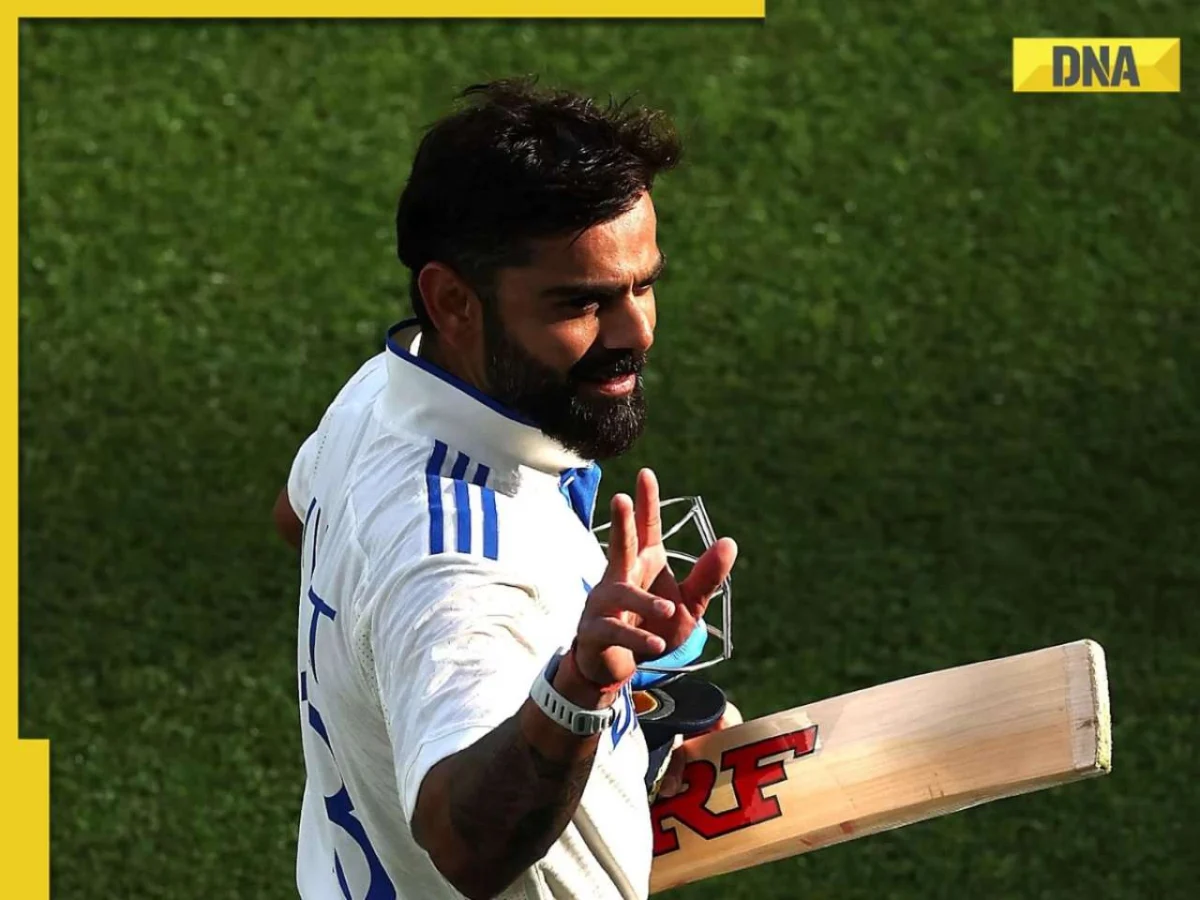
Mumbai, India – In a candid and revealing discourse, Virat Kohli, one of the most iconic figures in modern cricket, has for the first time extensively opened up about the profound mental and emotional toll that led to his decision to step down as India’s Test captain in January 2022. Speaking at the RCB Innovation Lab’s Indian Sports Summit, the former skipper admitted to feeling "completely drained" and "burnt out," shedding light on the immense pressure and unrelenting expectations that ultimately compelled him to relinquish the leadership mantle of the Test team.
His departure from the captaincy, a move that sent ripples through the cricketing world, was not merely a statistical transition but the culmination of a deeply personal struggle. Kohli, revered for his aggressive leadership and unparalleled batting prowess, confessed that the weight of being at the "center of everything" – from leading the batting unit to steering the team’s strategic direction – had become an overwhelming burden, quietly consuming him over time.
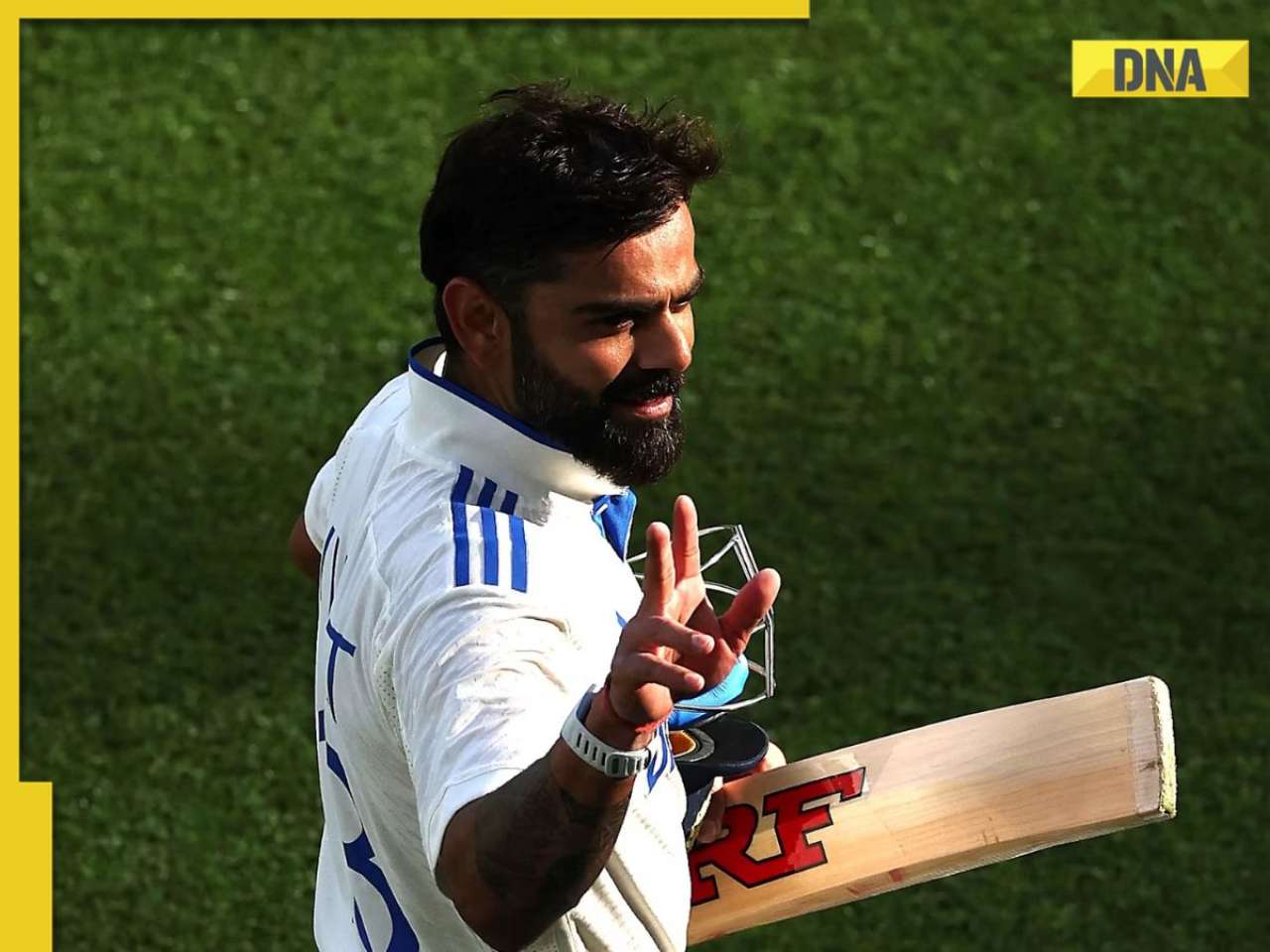
A Captain’s Burden: The Revelation
Virat Kohli’s recent address provided an unprecedented glimpse into the psyche of an athlete operating at the pinnacle of global sport. "I found myself at the center of everything – the batting unit, the leadership," Kohli articulated, his words resonating with the raw honesty of someone who has navigated the highest echelons of professional cricket. "I just didn’t realize how heavy that load would get day after day. I was obsessed with making sure Indian cricket sat at the top. By the time I stepped away from captaincy, I was totally burnt out. It had drained me. The pressure was brutal. Just trying to meet expectations every day got really tough."
This admission underscored a critical, often unseen, aspect of elite sports leadership: the psychological cost. For seven years, Kohli had epitomized resilience and an unyielding will to win, transforming India into a formidable Test-playing nation, particularly overseas. Yet, beneath the veneer of aggression and success, a silent battle was being waged. His revelation serves as a powerful reminder that even the most formidable athletes are susceptible to the pressures that come with immense responsibility and relentless public scrutiny.
)
Chronology of a Transformative Era and Its End
To fully appreciate the gravity of Kohli’s decision, it is essential to trace the arc of his captaincy, from its glorious ascent to its unexpected conclusion.
The Ascent to Captaincy
Virat Kohli first took over the Test captaincy during India’s tour of Australia in December 2014, stepping in for MS Dhoni who was injured. Following Dhoni’s surprise retirement from Test cricket mid-series, Kohli was officially appointed the full-time captain. From the outset, he brought a new-found aggression and intensity, instilling a winning mentality that quickly became the hallmark of his team. He envisioned a team that would dominate in all conditions, fostering a culture of fitness, discipline, and fearless cricket.

The Golden Era of Kohli’s Test Captaincy
Under Kohli’s stewardship, Indian Test cricket reached unprecedented heights. His tenure, spanning 68 matches, yielded a remarkable 40 victories, making him India’s most successful Test captain by a significant margin. This period saw India achieve historic series wins in Australia (2018-19), becoming the first Asian team to do so, and fiercely compete in England and South Africa. He nurtured a world-class pace attack, a rarity in Indian cricket’s history, transforming pitches from spin-friendly havens into fast-bowler paradises that could challenge any opposition. India consistently topped the ICC Test rankings and reached the final of the inaugural World Test Championship. His leadership was characterized by a fierce passion, tactical acumen, and an unwavering commitment to the longest format of the game, earning him accolades as one of the game’s greatest leaders.
The Gradual Unraveling: A Timeline of Leadership Changes
While his Test captaincy was largely a story of success, the signs of strain began to emerge in the limited-overs formats.
)
- September 2021: Ahead of the T20 World Cup, Kohli announced his decision to step down as India’s T20I captain after the tournament, citing the need to manage his workload and focus on Test and ODI cricket. This was the first public indication of the pressures he was facing.
- December 2021: In a move that stirred considerable controversy and debate, the Board of Control for Cricket in India (BCCI) removed Kohli from the ODI captaincy, appointing Rohit Sharma as the new white-ball leader. The BCCI stated its desire for a single captain across both white-ball formats, but the abrupt nature of the announcement and Kohli’s subsequent revelations about communication gaps with the selectors highlighted underlying tensions.
- January 2022: Following India’s 2-1 Test series defeat in South Africa – a series that marked his final assignment as Test captain – Kohli dropped the bombshell. He announced his resignation from the Test captaincy, stating that he had given his "absolute best" to the role and that "everything has to come to a halt at some stage." This final step completed his relinquishment of all captaincy roles for the national team, signaling a profound shift in his career.
Supporting Data: The Weight of the Crown
Kohli’s captaincy was defined by statistics that etched his name into the annals of cricketing history, but also by intangible pressures that mere numbers cannot capture.
Statistical Dominance: Kohli’s Test Captaincy Record
With 40 wins from 68 Tests, Virat Kohli stands as India’s most successful Test captain. His win percentage of 58.82% is superior to that of legendary Indian captains like MS Dhoni (27 wins from 60 Tests, 45% win rate) and Sourav Ganguly (21 wins from 49 Tests, 42.85% win rate). Globally, his record places him among the elite, alongside captains such as Steve Waugh, Ricky Ponting, and Graeme Smith, who also boasted exceptional win rates. Beyond the victories, Kohli’s team achieved significant milestones:
)
- Away Wins: Under his leadership, India secured a record 16 Test victories away from home, a testament to the team’s ability to compete and conquer in challenging conditions.
- ICC Rankings: India spent a significant period at the top of the ICC Test rankings, reflecting their consistent performance and dominance.
- Individual Performance: Even with the immense captaincy burden, Kohli maintained an exceptional batting average of 55.35 as Test captain, scoring 20 centuries. This dual responsibility of leading from the front with both bat and strategy added another layer of pressure.
The Weight of Expectations: A Deeper Dive
Being the captain of the Indian cricket team is often described as one of the most demanding jobs in global sport, akin to leading a nation. For a player of Kohli’s stature – a global icon, a prolific run-scorer, and a passionate competitor – these expectations were amplified manifold. The public, media, and even former cricketers constantly dissected every decision, every performance, and every word. The 24/7 news cycle and social media age meant there was no escape from scrutiny. Every loss felt like a national tragedy, every win a moment of collective euphoria.
Kohli spoke of being "obsessed with making sure Indian cricket sat at the top," a sentiment that encapsulates the profound sense of responsibility he carried. This obsession, while driving unprecedented success, also came at a personal cost. The constant need to perform, to inspire, and to strategize, coupled with the relentless media glare and the sheer passion of a billion-plus fans, created an environment of unremitting pressure. His commitment to creating a secure dressing room, where "insecurity [didn’t sneak] in," also meant he absorbed much of the external pressure himself, shielding his teammates but ultimately bearing the brunt.
)
Mental Health in Elite Sports: A Growing Concern
Kohli’s frank admission resonates with a growing global discourse around mental health in elite sports. In recent years, numerous high-profile athletes across various disciplines – from Naomi Osaka in tennis to Ben Stokes in cricket and Simone Biles in gymnastics – have spoken out about their struggles with mental exhaustion, anxiety, and burnout. The relentless travel, intense training, public scrutiny, and the expectation of perpetual peak performance can take a severe toll on an athlete’s mental well-being.
Leaders in sports, particularly, face unique challenges. They are not only expected to perform individually but also to manage team dynamics, strategize, inspire, and often be the public face of success and failure. The isolation that can accompany such a high-pressure role, even amidst a team, can exacerbate feelings of burnout. Kohli’s experience underscores the critical importance of recognizing and addressing these mental health challenges, moving beyond the traditional narrative of physical resilience alone.
)
Official Responses and Broader Reactions
The announcement of Kohli’s Test captaincy resignation in January 2022 elicited a wave of reactions from across the cricketing spectrum, albeit without the explicit details of his current revelation.
The Cricket Fraternity’s Response to his Resignation
At the time, cricketers, former legends, and experts universally lauded Kohli’s captaincy, acknowledging his immense contribution to Indian Test cricket. Tributes poured in from around the globe, recognizing his passion, aggression, and the team’s achievements under his leadership. Many expressed understanding regarding the intense pressures of the role, hinting at the mental and physical demands. However, the depth of his personal struggle, now revealed, was not publicly known then. Former teammates and rivals alike praised his fearless approach and the legacy of a dominant Test side he had built.
)
BCCI’s Stance and Transition
The Board of Control for Cricket in India (BCCI) issued a statement acknowledging Kohli’s "phenomenal" contribution as captain. While expressing gratitude for his services, the BCCI reiterated its commitment to ensuring a smooth transition. Rohit Sharma was subsequently appointed as the new Test captain, signaling a new chapter for Indian cricket. The BCCI’s public statements maintained a tone of appreciation and forward-looking optimism, though the behind-the-scenes dynamics, particularly concerning the earlier ODI captaincy removal, remained a subject of much speculation.
Fan Sentiment: A Nation Divided and United
For millions of Indian cricket fans, Kohli’s resignation was a moment of profound sadness and introspection. Many expressed shock and disappointment, having grown accustomed to his fiery leadership and the team’s consistent success. Social media was awash with messages of support, gratitude, and emotional farewells to ‘Captain Kohli.’ While some fans were critical of the circumstances surrounding his departure, particularly the perceived lack of support from the board, the overwhelming sentiment was one of respect for his immense contributions and an understanding that even heroes need a break from the relentless spotlight. The nation, in a sense, was both divided in opinion on the handling of the situation and united in its appreciation for a leader who had given his all.
)
Implications: Rediscovery, Precedent, and Future Lessons
Kohli’s journey through captaincy and its aftermath carries significant implications, not just for his own career but for the broader cricketing world and the discourse around athlete well-being.
The Post-Captaincy Era: Rediscovery and Revival
One of the most profound implications of Kohli’s decision has been his personal rediscovery of joy in cricket. He explicitly stated that it was "only when I left captaincy that I started opening up." This vulnerability allowed him to seek and accept support, particularly from head coach Rahul Dravid and batting coach Vikram Rathour. "I talked to people like Rahul Bhai and Vikram Rathour more honestly," he shared, highlighting the therapeutic power of honest communication.
)
The results of this emotional and mental recalibration were evident in his performance. "My run in Test cricket in 2023 was fantastic, and I always thank them whenever I see them," Kohli acknowledged. Indeed, 2023 saw a resurgence in his Test form, marked by a century against Australia and consistent contributions, reaffirming his status as a premier batsman. Shedding the burden of captaincy allowed him to refocus on his primary role, enabling him to "want to play – really play. They made me want to fight and perform and just enjoy the grind again. They were supportive, they reminded me of what I’d achieved, and that meant the world." This narrative of burnout followed by rediscovery offers a powerful lesson in the importance of mental space for optimal performance.
Setting a Precedent: Normalizing Vulnerability
Virat Kohli’s willingness to speak openly about his burnout sets a crucial precedent in a culture that often glorifies stoicism and resilience above all else. For a figure of his stature – a fierce competitor and an embodiment of mental toughness – to admit vulnerability sends a powerful message. It normalizes the struggles faced by athletes, irrespective of their success, and encourages others to acknowledge their own challenges without fear of judgment. This transparency contributes significantly to destigmatizing mental health issues in sports and beyond, fostering an environment where seeking help is seen as a strength, not a weakness.
)
Lessons for Future Leadership: The Path Forward
Kohli’s experience offers invaluable lessons for cricket boards, team managements, and future leaders. It underscores the critical need for robust support systems that go beyond physical conditioning. These systems must include mental health professionals, avenues for open communication, and strategies to manage workload effectively, especially for captains.
The concept of rotating captaincy, or at least providing extended breaks and periods of decompression, might become a more serious consideration. It also highlights the importance of fostering an environment where leaders feel empowered to delegate and share the immense responsibilities, rather than internalizing all pressure. The focus must shift from merely demanding results to nurturing the holistic well-being of the athletes, particularly those in high-pressure leadership roles.
)
Kohli’s Enduring Legacy
Beyond the records and the wins, Virat Kohli’s legacy as Test captain will now forever include his profound honesty about the personal cost of his dedication. His recent revelation humanizes a cricketing giant, reminding fans and aspiring athletes alike that even the strongest individuals have limits. His journey, marked by unprecedented success, immense pressure, and ultimately, a courageous decision for self-preservation, will continue to inspire and inform discussions around leadership, mental health, and the relentless pursuit of excellence in the world of professional sport. For Kohli, it was never just about records or wins; it was about people, pressure, and what it truly takes to keep showing up when the expectations never let up.
