

Introduction: The Return of the Rulebreaker
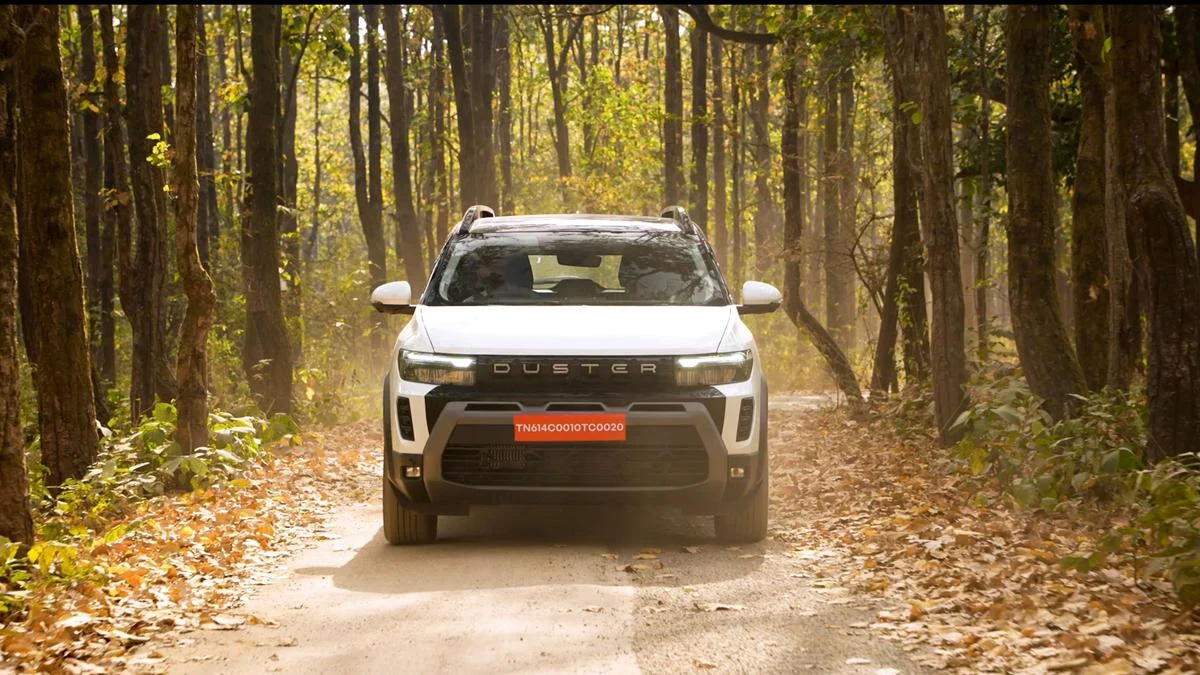
The Renault Duster is not merely another mid-size SUV entering a crowded marketplace; it is the return of a pioneer. When the first-generation Duster arrived on Indian shores over a decade ago, it didn’t just compete in a segment—it essentially created one. It introduced the Indian consumer to the concept of a monocoque SUV that possessed the rugged DNA of a true off-roader while maintaining the road manners of a sedan.
After a prolonged absence that saw the segment it founded become dominated by Korean and domestic giants, the Duster is back. However, the landscape has shifted. The modern Indian SUV buyer is more discerning, demanding a blend of high-tech features, premium interiors, and uncompromising safety. The new Duster, in its latest avatar, attempts to bridge the gap between its utilitarian heritage and the contemporary expectations of a digital-first generation. The question looming over Renault’s headquarters is clear: Can the Duster reclaim its throne in a world that has moved on?
Main Facts: The New Duster at a Glance
The latest iteration of the Renault Duster represents a quantum leap over its predecessor while maintaining the "tough-guy" aesthetic that earned it a cult following. Available in multiple trims, including the high-performance 1.3 Turbo ICONIC variant, the SUV is positioned as a robust alternative to the more "urban-focused" crossovers.
Key Specifications and Highlights:
- Pricing: Competitive entry at INR 10.29 lakh, scaling up to INR 18.49 lakh for the top-tier variants.
- Powertrains: A versatile lineup featuring a 1.0-litre Turbo (100hp), a flagship 1.3-litre Turbo (163hp), and an upcoming 1.8-litre Strong Hybrid.
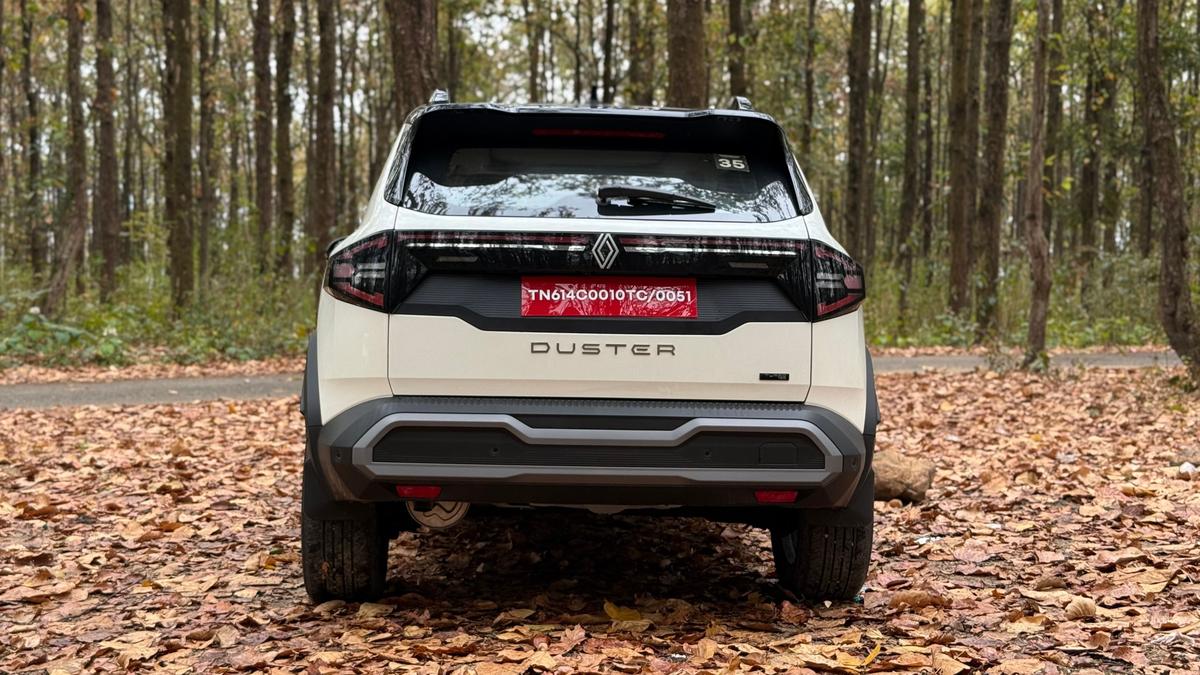
- Dimensions & Utility: Features a class-leading 518-litre boot capacity and a high-ground-clearance stance optimized for Indian topography.
- Technology: Transition to a digital cockpit with a 10.1-inch infotainment system and a 10.25-inch driver display, integrated with Google-based services.
- Safety & Architecture: Built on a more rigid, modern platform designed to meet stringent global safety standards, featuring 360-degree cameras and enhanced structural integrity.
Chronology: The Journey from Pioneer to Prodigal Son
To understand the significance of the new Duster, one must look at the timeline of its evolution in the Indian context:
2012–2015: The Golden Era
Renault launched the Duster in 2012, immediately disrupting the market. At the time, the choice was between ladder-frame SUVs like the Mahindra Scorpio or sedans. The Duster offered a third way. Its ride quality became legendary, and the introduction of an All-Wheel Drive (AWD) variant solidified its reputation among enthusiasts.
2016–2021: Stagnation and Exit
While the rest of the industry moved toward panoramic sunroofs and ventilated seats, the Duster’s interior began to feel dated. Despite a major facelift and the introduction of the powerful 1.3-litre turbo engine in 2020, the lack of a modern feature list led to dwindling sales. Renault eventually discontinued the model in early 2022, leaving a void in their Indian portfolio.
2024–2025: The Global Reveal and Indian Re-entry
The third-generation Duster, based on the CMF-B platform, was revealed globally under the Dacia brand before being adapted for Renault. The Indian relaunch is part of Renault-Nissan’s massive "Renaulution" investment strategy for India, aimed at regaining market share through localized production of global platforms.
Supporting Data: A Deep Dive into Engineering and Design
The new Duster is a study in "matured ruggedness." It avoids the "over-styled" look common in the segment, opting instead for a functional, muscular geometry.
Exterior Philosophy: Form Follows Function
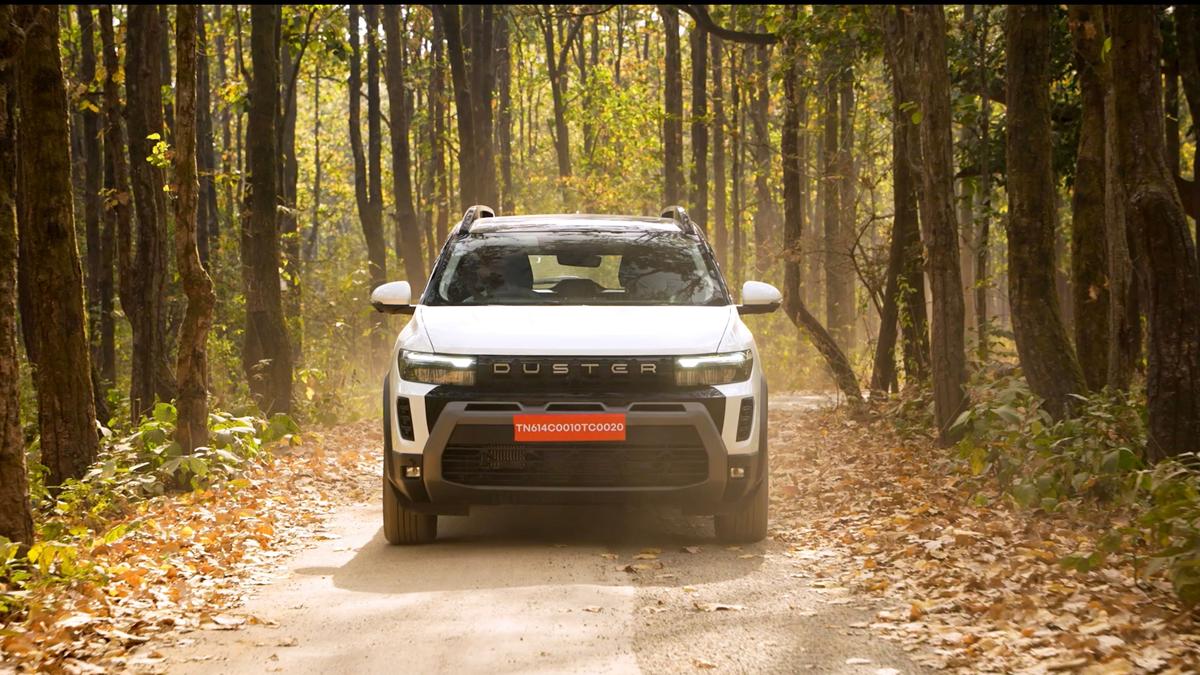
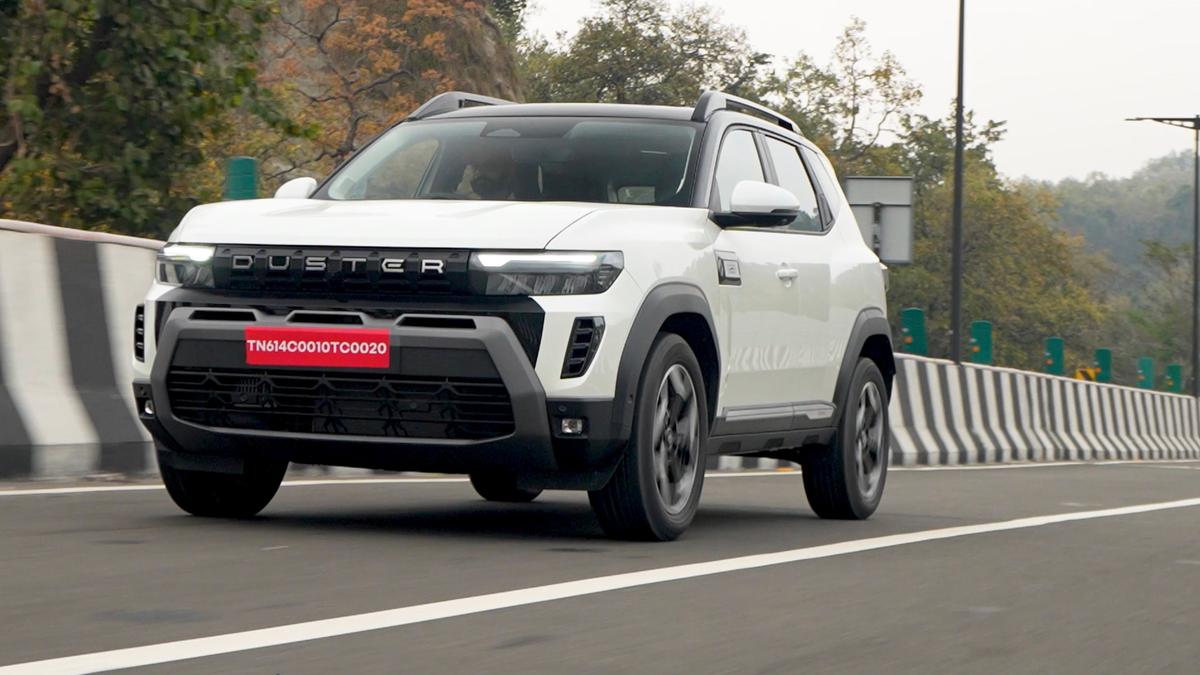
The design is anchored by an upright stance. The front fascia features a clean LED lighting signature that avoids the cluttered look of many modern SUVs. A sculpted bonnet and pronounced wheel arches give it a "planted" feel. Notably, the use of sustainable materials is evident; the "Starkle" plastic cladding (a mix of recycled materials) is left unpainted to resist scratches—a nod to its off-road intent. The 18-inch alloy wheels are not just for show; they provide the necessary clearance for "broken roads."
Interior: The Digital Evolution
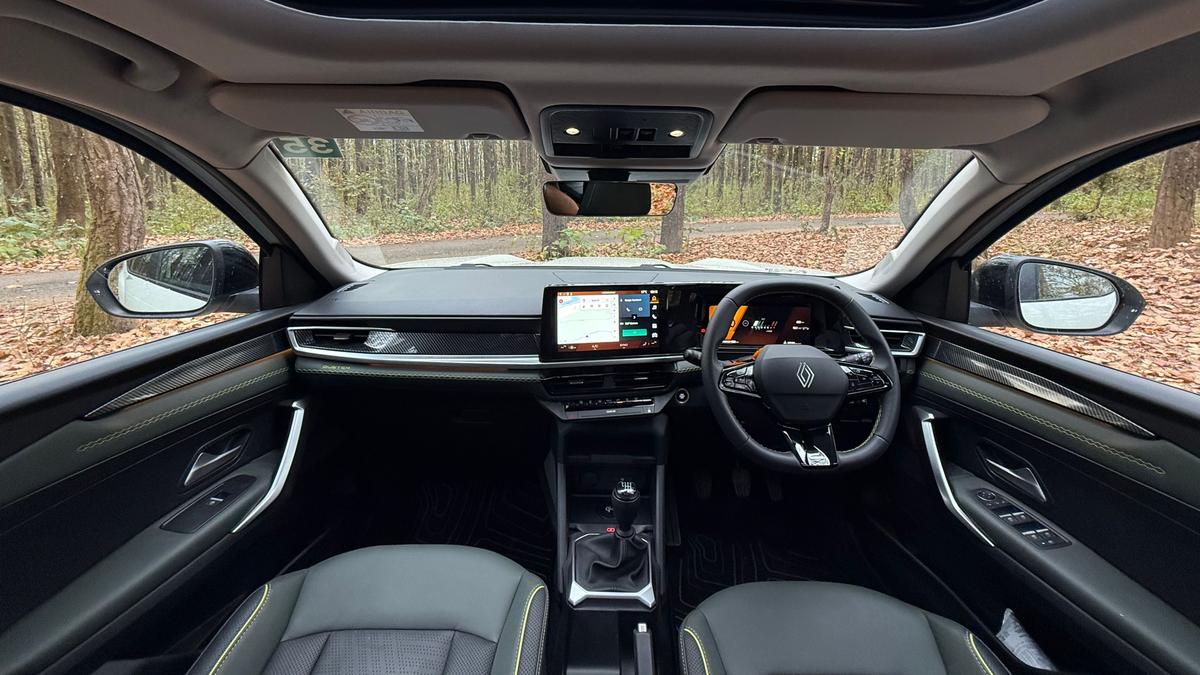
The cabin of the 1.3 Turbo ICONIC variant marks the end of Renault’s "basic" interior era.
- The Cockpit: The 10.25-inch digital instrument cluster provides high-resolution telemetry, while the 10.1-inch touchscreen is angled toward the driver for better ergonomics.
- Tactile Feedback: In a move praised by driving enthusiasts, Renault has retained physical toggles for climate control. This is a safety-first decision, allowing drivers to adjust temperatures by feel rather than menu-diving while navigating rough terrain.
- Comfort: The inclusion of ventilated and powered seats is a direct response to the Indian climate, addressing one of the primary criticisms of the previous generation.
Performance and Powertrain Metrics
The heart of the new Duster is the 1.3-litre turbo-petrol engine. Co-developed with Daimler, this engine is a masterclass in downsizing.
- Output: 163hp and 280Nm of torque.
- Transmission: A choice between a crisp 6-speed manual for purists and a seamless Dual-Clutch Transmission (DCT) for urban commuters.
- Dynamics: The engine exhibits a strong mid-range. During testing on hilly terrain, the 280Nm of torque allows for effortless overtakes. However, the real-world efficiency reflects the engine’s performance orientation; while the ARAI-certified figure exceeds 18 kmpl, spirited driving drops this to approximately 13 kmpl.
The Ride Quality Benchmark
The Duster’s CMF-B platform offers a sophisticated suspension setup. It employs a frequency-selective damping system that allows the SUV to remain soft over small bumps while firming up during high-speed cornering. This creates a "flat" ride quality that remains the benchmark in the segment, outclassing rivals that often feel "bouncy" on undulating Indian highways.
Official Responses and Strategic Positioning
Renault India’s leadership has been vocal about the Duster’s role in their "Lead the Charge" strategy.
On the Omission of AWD
One of the most debated topics among enthusiasts is the absence of an All-Wheel Drive (AWD) system at launch. Official statements from Renault suggest that while the platform is "AWD-ready," the initial rollout focuses on Front-Wheel Drive (FWD) to keep pricing competitive in a price-sensitive market. Renault executives have noted, "We are monitoring customer feedback closely. The Duster has always been about capability, and if the demand for a 4×4 variant reaches a critical mass, we have the technical readiness to deploy it."
The Hybrid Future
Renault has confirmed that a Strong Hybrid variant is scheduled for a Diwali release. This is a strategic move to counter the diesel-heavy portfolios of competitors. By combining a 1.8-litre engine with an electric motor, Renault aims to offer diesel-like fuel efficiency with petrol-like refinement, targeting the eco-conscious family buyer.
Market Positioning
Renault is not positioning the Duster as a "feature-leader." Instead, they are marketing it as the "Sensible Tough Choice." While the Hyundai Creta and Kia Seltos offer more electronic "gadgetry," Renault is betting that a segment of buyers is tired of fragile-feeling crossovers and wants an SUV that feels "built to last."
Implications: What the Duster’s Return Means for the Market
The re-entry of the Duster has several far-reaching implications for the Indian automotive industry:
1. The End of the Feature Arms Race?
For the last five years, the mid-size SUV segment has been a battle of who can fit the largest screen or the most ambient lighting colors. The Duster’s focus on mechanical integrity and ride quality might force competitors to re-evaluate their engineering priorities. If the Duster succeeds, we may see a shift back toward "driving-centric" SUVs.
2. Strengthening the Renault-Nissan Alliance
The Duster is the cornerstone of Renault’s survival in India. A successful launch provides the financial runway for future models, including a 7-seater version (likely based on the Bigster concept) and potential EV iterations. It also revitalizes the dealer network, which has relied heavily on the Kwid and Triber in recent years.
3. A New Challenge for the "Korean Twins"
The Hyundai Creta and Kia Seltos currently hold a near-monopoly on the premium mid-size segment. The Duster provides the first real "rugged" alternative. Unlike the Maruti Suzuki Grand Vitara, which focuses on hybrid efficiency, the Duster 1.3 Turbo targets the performance-oriented buyer who found the Korean offerings too "urban."
4. Resale and Brand Loyalty
The Duster brand still carries significant equity in the used-car market. This built-in trust gives Renault a "warm start." If the new model proves to be as reliable as the original, Renault could see one of the highest customer retention rates in the industry.
Conclusion: A Legacy Reclaimed
The new Renault Duster is a calculated gamble. It does not try to be everything to everyone. It ignores the trend of "over-digitalization" in favor of tactile usability. It skips the AWD for now to ensure a sub-20 lakh price point. It prioritizes a sophisticated suspension over a 15-inch screen.
In doing so, Renault has stayed true to the Duster’s roots. It remains an SUV built for the reality of Indian roads—roads that are often broken, unpredictable, and demanding. The Duster has returned not just to participate in the market, but to remind the industry of the formula it pioneered: an SUV should, above all else, feel ready for anything.
Final Verdict: With a starting price of INR 10.29 lakh and a top-end that stays within reach of the upper-middle class, the Duster is poised to disrupt the status quo. It is refined enough for the city, but its soul remains firmly planted on the gravel. The king of the broken road is back, and the fight for the Indian heartland has just become significantly more interesting.
