

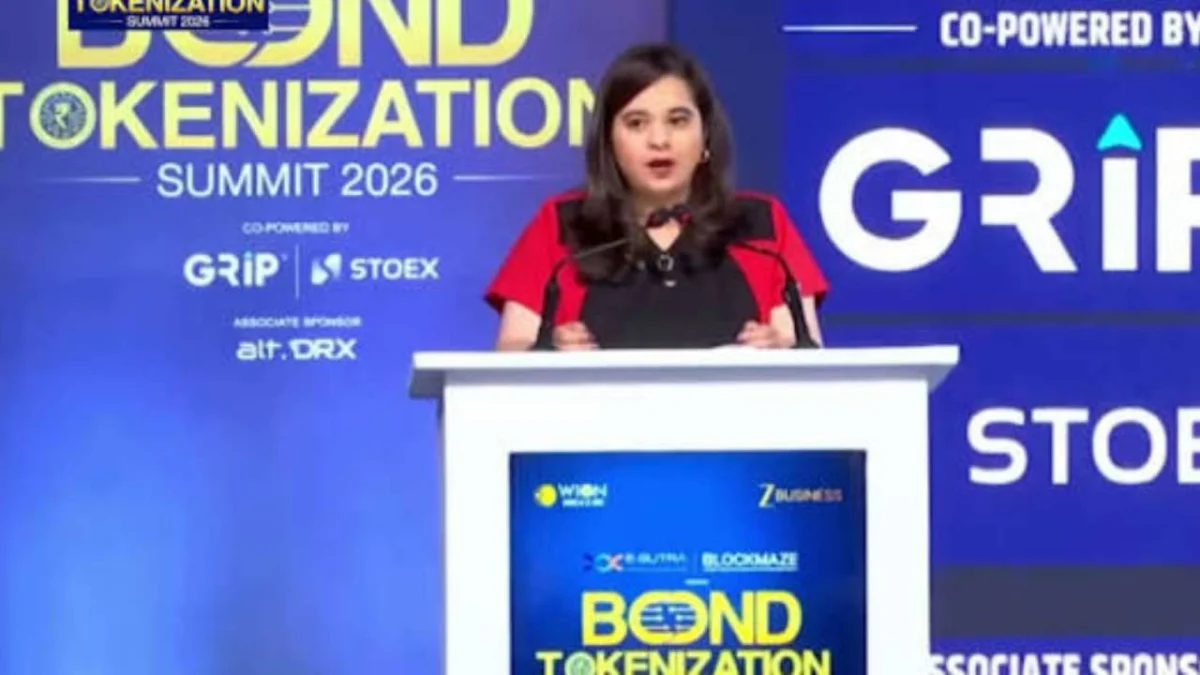
Mumbai, India – September 9, 2026 – The future of finance, a landscape increasingly shaped by digital innovation, converged in Mumbai as the Zee Business Bond Tokenisation Summit 2026 brought together India’s leading finance, policy, and technology experts. Held against a backdrop of global momentum towards digitised assets, the summit aimed to dissect the transformative potential of real-world asset (RWA) tokenisation and digital bonds, particularly their capacity to democratise passive income for retail investors. Yet, beneath the enthusiastic projections of a streamlined financial ecosystem, a stark warning emerged: the journey of tokenisation extends far beyond the mere act of minting a digital asset, presenting a formidable array of challenges that demand robust frameworks, regulatory foresight, and advanced technological safeguards.
The central message, eloquently articulated by STOEX CEO Sudeep Chatterjee during a pivotal panel discussion, resonated throughout the day: while the initial issuance of security tokens has been largely successful, the true test lies in establishing a comprehensive infrastructure capable of supporting these digital assets through their entire lifecycle – from trading and custody to settlement and protection against emerging cyber threats. This nuanced perspective underscored the urgent need for stakeholders to move beyond the technical feasibility of token creation and confront the intricate logistical, legal, and operational hurdles that define the next phase of digital finance.
Unveiling the Digital Promise: Main Facts from the Summit
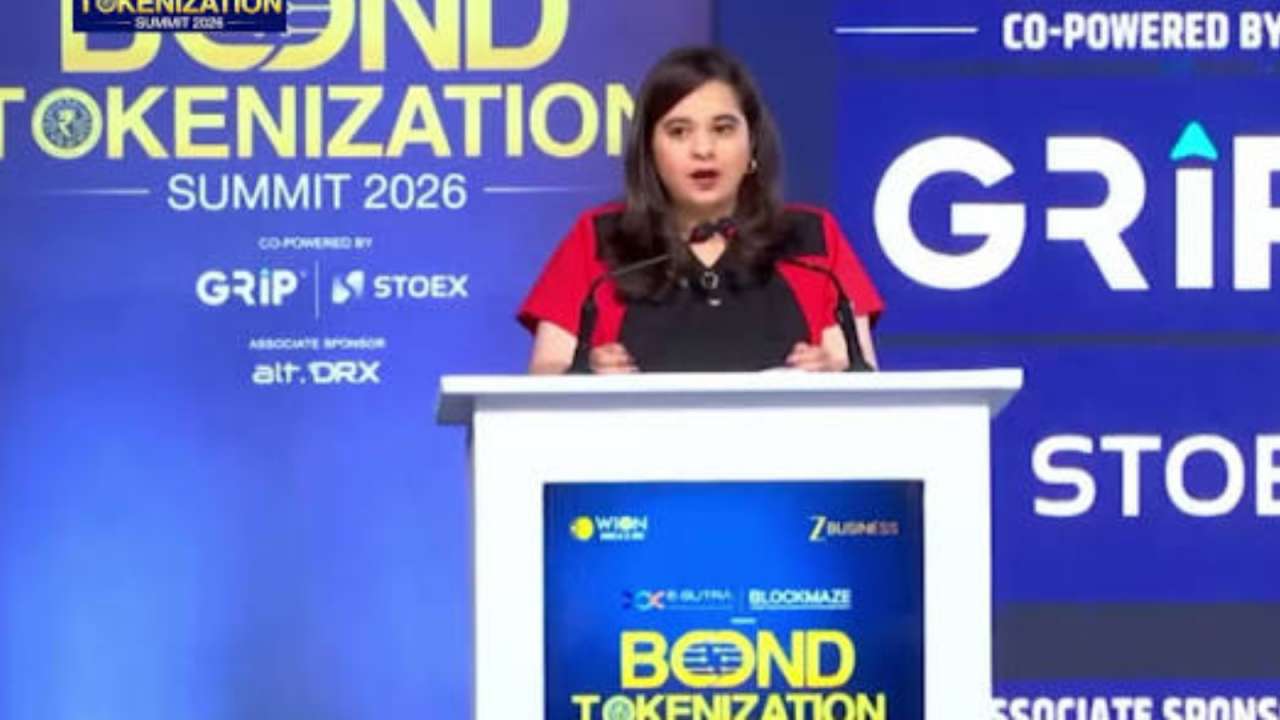
The Zee Business Bond Tokenisation Summit 2026 served as a critical forum for charting India’s course in the rapidly evolving world of digital finance. Convening on September 9th in Mumbai, the event attracted a distinguished cohort of thought leaders from the financial sector, regulatory bodies, and technology innovation hubs. Their collective mission was to explore how RWA tokenisation and digital bonds could fundamentally reshape India’s capital markets, making investment opportunities more accessible and efficient for a broader spectrum of investors, including the often-underserved retail segment.
At the heart of the discussions was the concept of democratising passive income – an aspiration fueled by the potential of tokenisation to fractionalise high-value assets, lower investment thresholds, and enhance liquidity. The vision painted was one where investors, regardless of their financial might, could own a digital share of real estate, infrastructure projects, or corporate bonds, thereby tapping into income streams previously reserved for institutional players. This promise of financial inclusion and efficiency, however, was tempered by a sober assessment of the practicalities involved in transitioning from conceptual frameworks to a fully functional and secure digital asset market.
)
Sudeep Chatterjee, CEO of STOEX, a prominent player in the security token offering space, emerged as a key voice of caution and pragmatism. While acknowledging the significant strides made by Security Token Offerings (STOs) in streamlining the asset issuance process, Chatterjee meticulously outlined the "downstream puzzle" that remains unsolved post-token minting. His insights highlighted that the creation of a digital token, while a crucial first step, represents only the initial phase of a much longer and more complex journey towards mainstream adoption. The summit, therefore, shifted its focus from celebrating the ‘what’ of tokenisation to diligently examining the ‘how’ – specifically, how to build the resilient infrastructure necessary to support these nascent digital instruments.
A Chronological Deep Dive: From Concept to Challenge
The summit’s agenda was meticulously structured to progressively unpack the layers of bond tokenisation, moving from foundational concepts to the intricate challenges of implementation. Early sessions likely laid the groundwork, defining RWA tokenisation, exploring the mechanics of digital bonds, and showcasing the theoretical benefits of enhanced liquidity, transparency, and reduced costs. Discussions would have touched upon the various types of assets amenable to tokenisation, from real estate and commodities to intellectual property and traditional financial instruments like bonds. The emphasis was on how blockchain technology could imbue these assets with new characteristics, enabling fractional ownership, automated compliance through smart contracts, and faster settlement cycles.

As the day progressed, the focus sharpened on the practical implications, culminating in the "penultimate panel discussion" which, according to reports, honed in on the critical need for "strong frameworks, safeguards, and investor protection." This shift in emphasis was indicative of a mature industry grappling with the realities of deployment. It’s one thing to envision a digitally native financial system; it’s another to build it in a way that is robust, legally sound, and protective of all participants.
It was during this critical juncture that Sudeep Chatterjee delivered his pivotal address, steering the conversation towards the often-overlooked post-issuance complexities. He posited that while STOs had indeed streamlined the primary issuance process, facilitating capital raises and democratising access to private markets, the broader infrastructure required to fully support these digital assets remained largely nascent. This infrastructure, he argued, encompasses not just the technical plumbing of blockchain networks, but also the legal, regulatory, and operational ecosystems that govern traditional finance.
)
Chatterjee underscored the growing consensus among industry leaders that the real work now lies in solving the "logistical, legal, and operational hurdles that arise after a token is minted." This includes everything from how these tokens are bought and sold on secondary markets to how their ownership is securely recorded and transferred, and how investors are protected in a distributed ledger environment. He stressed the imperative for a "regulatory backing" that is carefully integrated with "the existing capital market structure," suggesting that a revolutionary technology demands an evolutionary approach to its regulatory oversight, rather than a disruptive one that isolates it from established financial norms. The chronology of the summit, therefore, mirrored the journey of tokenisation itself: from initial excitement and conceptualisation to the sobering, yet essential, phase of problem-solving and infrastructure development.
Supporting Data: Lessons from Global Sandboxes and Unsolved Puzzles
To illustrate the gap between technical capability and market readiness, Chatterjee cited the invaluable lessons learned from Singapore, widely regarded as a primary testing ground for digital finance innovation. Under the Monetary Authority of Singapore’s (MAS) "Project Guardian," financial institutions have conducted approximately 15 localised sandbox experiments designed to test the viability of tokenised assets in a controlled environment. These trials, while proving that tokenised bonds can indeed be successfully issued on a distributed ledger, simultaneously exposed a critical vulnerability: a fragmented secondary market.
)
MAS Project Guardian: A Microcosm of Progress and Pitfalls
Project Guardian, launched in 2022, is Singapore’s ambitious initiative to explore the potential of asset tokenisation and decentralised finance (DeFi) in wholesale funding markets. It involves a collaborative effort between the MAS and leading financial institutions like DBS, JP Morgan, and SBI Digital Asset Holdings. The project’s objectives are manifold: to examine the commercial viability of tokenised assets, to develop industry-wide standards and best practices, and to identify the regulatory implications of a digitally native financial infrastructure.
)
The 15 sandbox experiments conducted under Project Guardian successfully demonstrated the technical feasibility of issuing tokenised bonds, validating the underlying blockchain technology’s capacity to record ownership, automate coupon payments, and streamline the issuance process. These proofs-of-concept were vital in building confidence in the foundational technology. However, the subsequent findings regarding the "fragmented secondary market" served as a crucial reality check. While tokens could be minted and distributed, the ability for these tokens to be actively traded, priced efficiently, and settled seamlessly across various platforms and jurisdictions remained a significant hurdle. This fragmentation impedes liquidity, increases transaction costs, and ultimately undermines the very efficiency tokenisation aims to achieve.
Chatterjee meticulously broke down the "downstream puzzle" into several critical focus areas that demand immediate deliberation and concerted effort from the industry and regulators alike:
)
H3. Trading and Liquidity: The Cornerstone of Market Efficiency
The most immediate challenge post-minting is ensuring robust secondary market activity. For digital bonds to truly compete with traditional instruments, they need deep liquidity and efficient price discovery. This necessitates:
- Listing on Exchanges: Convincing both traditional financial exchanges (e.g., stock exchanges) and emerging digital asset platforms to list and actively trade these tokens. This requires addressing their existing infrastructure limitations, regulatory compliance burdens, and risk management frameworks.
- Interoperability: Ensuring that tokens issued on one blockchain can be seamlessly traded on another, or across different digital asset platforms. A lack of interoperability leads to siloed markets and reduced liquidity.
- Market Depth: Attracting a sufficient volume of buyers and sellers to ensure fair pricing and efficient execution of trades without significant price impact. This is particularly challenging for niche or illiquid RWAs.
- Institutional Participation: Encouraging large institutional investors, who are critical for liquidity, to participate actively. This hinges on regulatory clarity, secure infrastructure, and the ability to integrate digital assets into existing portfolio management systems.
H3. Asset Safeguarding: Establishing Institutional-Grade Custody
The secure storage and management of digital assets is paramount, especially for institutional investors. Unlike traditional paper-based securities, tokens require specialised custody solutions that account for cryptographic keys and blockchain protocols. Key considerations include:
)
- Secure Custody Solutions: Developing and deploying institutional-grade custody solutions that offer the same level of security and regulatory compliance as traditional asset custodians. This involves advanced cryptographic security, multi-signature wallets, hardware security modules (HSMs), and robust internal controls.
- Regulatory Frameworks for Custodians: Establishing clear regulatory guidelines for digital asset custodians, covering aspects like capital requirements, segregation of client assets, auditability, and cybersecurity standards.
- Risk Management: Addressing risks associated with private key management, smart contract vulnerabilities, and potential network attacks. Custodians need comprehensive insurance policies to cover potential losses.
- Cold vs. Hot Storage: Balancing the need for offline (cold) storage for maximum security with online (hot) storage for active trading, ensuring a secure and efficient operational model.
H3. Settlement and Onboarding: Streamlining Global Access
Efficient settlement and standardised onboarding processes are crucial for fostering broader participation and cross-border transactions. This area presents unique challenges in a distributed environment:
- Real-time Distribution: Managing the real-time distribution of tokens and associated payments across a global network of investors. This requires seamless integration between blockchain networks and traditional payment rails.
- Standardisation: Developing industry-wide standards for how global investors legally access and interact with tokenised asset networks. This includes standardisation of token formats, smart contract functionalities, and data reporting.
- Legal Onboarding: Streamlining the legal and compliance aspects of onboarding diverse global investors, including Know Your Customer (KYC) and Anti-Money Laundering (AML) checks, which can be complex across different jurisdictions.
- Interoperability with Legacy Systems: Bridging the gap between new blockchain-based systems and existing financial infrastructure to ensure smooth data flow and operational continuity.
Chatterjee’s comprehensive breakdown served as a powerful reminder that while the technology for tokenisation exists, its successful integration into the global financial ecosystem demands meticulous attention to these downstream operational and systemic challenges.
)
Official Responses: Regulatory Evolution and Cybersecurity Imperatives
Transitioning tokenisation from isolated sandboxes into real-world markets requires overcoming major risk factors that extend beyond technical implementation. Chatterjee highlighted two fundamental pillars that demand immediate and decisive action from policymakers and industry players: the establishment of robust legal frameworks and the fortification against inherent cybersecurity threats.
H3. Legal Frameworks: Defining Digital Ownership
The most profound challenge lies in the legal redefinition of asset ownership in a digital age. For tokenised bonds to achieve widespread acceptance and scale, their legal status must be unequivocally established.
)
- Deep Regulation and Legislation: The industry is introducing an entirely new method of asset ownership, moving from paper certificates and central registries to digital tokens on a distributed ledger. For these digital bonds to scale and gain investor confidence, this new format "must be deeply regulated and legislated." This isn’t merely about adapting existing laws but potentially crafting new ones that explicitly account for the unique characteristics of blockchain technology.
- Explicit Definition of a Token: Global legal frameworks must clearly and explicitly define what a token represents. Does it confer direct ownership, a beneficial interest, or a contractual right? The legal nature of a token needs to be consistent across jurisdictions to facilitate cross-border transactions and avoid regulatory arbitrage.
- Equivalence of Digital and Traditional Ownership: Critically, legislation must ensure that "digital ownership holds the exact same legal weight as traditional paper-and-registry documentation in a court of law." This is vital for investor protection, dispute resolution, and enforceability of rights associated with the tokenised asset. Without this legal certainty, the perceived risks of digital ownership will outweigh its benefits, deterring institutional adoption.
- International Harmonisation: Given the borderless nature of blockchain, achieving a degree of international harmonisation in legal frameworks is essential. Conflicting laws across different countries could create significant friction, hindering global liquidity and market development for tokenised assets.
H3. Blockchain Infrastructure and Cybersecurity Risks
The inherent architecture of blockchain, while offering unprecedented transparency and immutability, also introduces a new vector of operational challenges, most notably the heightened "threat of cyberattacks and hacking risks."
- Smart Contract Vulnerabilities: Smart contracts, the self-executing agreements coded onto the blockchain, are immutable once deployed. Any flaw or bug in their code can lead to irreversible losses or exploits, as demonstrated by numerous incidents in the decentralised finance (DeFi) space. Robust auditing, formal verification, and bug bounty programs are crucial.
- Distributed Network Risks: While distributed networks offer resilience against single points of failure, they also expand the attack surface. Risks include 51% attacks (where a single entity controls a majority of network’s computing power), denial-of-service attacks, and Sybil attacks.
- Private Key Compromise: The security of digital assets ultimately rests on the security of cryptographic private keys. Loss or theft of these keys, whether due to phishing, malware, or insider threats, can lead to permanent loss of assets.
- Robust Institutional-Grade Defense Systems: The financial sector has always been a prime target for cybercriminals. With tokenisation, the stakes are even higher due to the direct, irreversible nature of blockchain transactions. This necessitates "robust, institutional-grade defense systems" that integrate cutting-edge cybersecurity measures, threat intelligence, and continuous monitoring specifically tailored for blockchain environments.
- Oracles and Data Integrity: Many tokenised assets rely on "oracles" to feed real-world data (e.g., asset valuations, interest rates) into smart contracts. The security and integrity of these oracles are critical, as compromised data feeds can lead to incorrect contract execution.
Chatterjee further contextualised these tech-driven vulnerabilities, asserting that they are a "natural evolution of finance." He drew a powerful parallel with the banking sector’s digital transformation over the last three decades. Any financial institution that has embraced digitalisation has inevitably faced severe IT and technical risk issues, ranging from system outages and data breaches to complex software integration challenges. The journey from paper-based ledgers to electronic banking systems was fraught with such risks, and continuous investment in cybersecurity and IT infrastructure has been a defining characteristic of modern banking.
)
Tokenisation, Chatterjee concluded, is "no exception." It represents the next wave of financial digitalisation, and with it comes a new generation of technical and operational risks. The key, he argued, is not to shy away from these challenges but to proactively address them. By "combining legal ownership with novel technology," the industry can move forward to solve these cybersecurity and structural challenges. This proactive and collaborative approach, integrating legal certainty with technological resilience, is not merely an option but a "milestone before digital bonds can achieve mainstream adoption." The official response from industry leaders, as channeled through Chatterjee, is a call for meticulous preparation, regulatory partnership, and an unyielding commitment to security.
Implications: Charting India’s Course in the Tokenised Future
The insights gleaned from the Zee Business Bond Tokenisation Summit 2026 carry profound implications for India’s financial landscape and its ambition to emerge as a global leader in digital finance. The roadmap to mainstream adoption of tokenised bonds, while promising substantial benefits, is clearly fraught with complex challenges that demand a multi-faceted and collaborative approach from all stakeholders.
)
H3. Reshaping India’s Financial Landscape
The successful implementation of RWA tokenisation and digital bonds could fundamentally transform India’s capital markets.
- Enhanced Capital Formation: Tokenisation can make it easier for businesses, particularly SMEs and infrastructure projects, to raise capital by fractionalising assets and tapping into a wider pool of investors, both domestic and international.
- Increased Market Efficiency: Streamlined issuance, automated compliance through smart contracts, and potentially faster settlement cycles can significantly reduce operational costs and improve the overall efficiency of financial markets.
- Global Competitiveness: By embracing tokenisation, India can position itself at the forefront of financial innovation, attracting foreign investment and talent, and enhancing its competitiveness on the global financial stage.
H3. Democratising Passive Income: A Path Forward for Retail Investors
The summit’s vision of democratising passive income for retail investors hinges critically on overcoming the highlighted challenges.
)
- Accessibility and Inclusivity: If legal and security frameworks are robust, tokenisation can truly open up investment opportunities in high-value assets previously inaccessible to retail investors due to high entry barriers. Fractional ownership of real estate, infrastructure, or even art could become commonplace.
- Education and Protection: For retail investors, robust investor protection mechanisms, clear regulatory guidance, and comprehensive financial education will be paramount. They need to understand the risks and benefits associated with digital assets, and have recourse in case of disputes or market failures.
- Liquidity for Small Investments: The promise of enhanced liquidity for tokenised assets, if achieved, means retail investors won’t be locked into illiquid investments, allowing them to manage their portfolios more dynamically.
H3. The Road Ahead: Collaboration and Iteration
The journey towards a fully tokenised financial system will be iterative, requiring continuous collaboration and adaptation.
- Regulatory Sandboxes and Pilots: Continued use of regulatory sandboxes, akin to MAS Project Guardian, will be crucial for experimenting with new models, identifying unforeseen challenges, and refining regulatory approaches in a controlled environment.
- Standardisation Bodies: The establishment of industry-led standardisation bodies will be vital for developing common protocols for token issuance, trading, custody, and interoperability, reducing fragmentation and fostering a unified market.
- Public-Private Partnerships: Governments, central banks, financial institutions, and technology providers must work hand-in-hand to co-create the necessary legal, regulatory, and technological infrastructure. This includes joint research, policy formulation, and infrastructure development.
- Talent Development: A significant investment in upskilling and reskilling the workforce in areas like blockchain development, smart contract auditing, cybersecurity, and digital asset law will be essential to support this transformation.
The Zee Business Bond Tokenisation Summit 2026 served as a powerful reminder that while the allure of digital bonds and tokenised assets is undeniable, the path to their widespread adoption is not merely a technical one. It is a complex expedition that intertwines technological innovation with legal evolution, regulatory foresight, and an unwavering commitment to security and investor protection. As Sudeep Chatterjee underscored, the real work begins after the token is minted. India’s success in this digital frontier will depend on its ability to navigate these intricate challenges, transforming the promise of tokenisation into a tangible reality that benefits all segments of its economy and society. The next few years will undoubtedly be pivotal in defining the blueprint for this new era of finance.
