

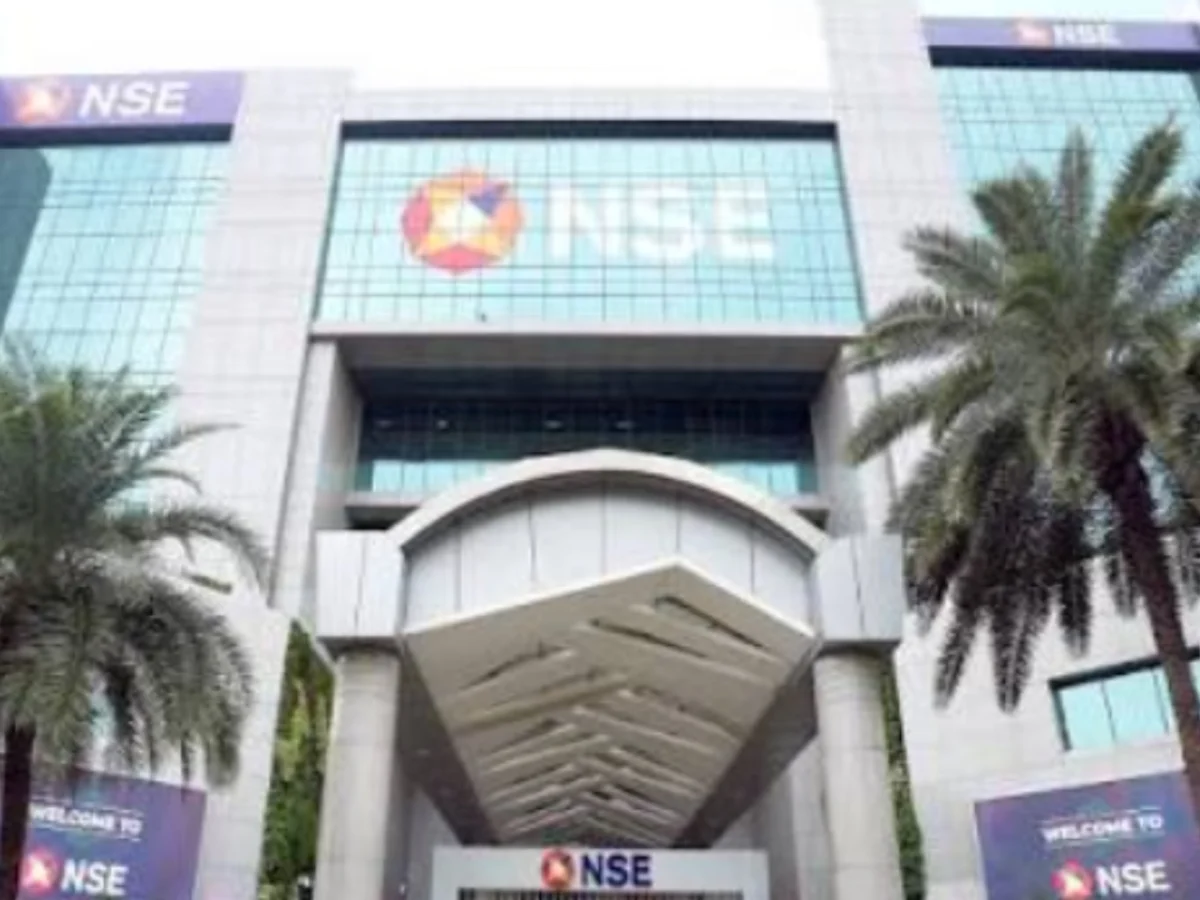
MUMBAI, India – The Indian financial landscape is buzzing with anticipation as the National Stock Exchange (NSE) prepares for what is widely expected to be the nation’s largest-ever Initial Public Offering (IPO). Market sources indicate a tentative timeline, with the public subscription likely to commence on September 18 and the shares slated for listing on September 25. This landmark offering, projected to raise approximately ₹30,000 crore, is poised to reshape investor portfolios and set a new benchmark for public issues in India.
The proposed IPO carries immense significance, not just for the capital markets but for the broader economy. As the dominant player in India’s equity and derivatives trading segments, the NSE’s listing would offer retail and institutional investors direct ownership in the country’s premier stock exchange, a move that promises enhanced transparency and governance.
Main Facts: Unpacking the Mammoth Offering
The NSE IPO is currently positioned to eclipse all previous public issues in India, including the ₹27,870 crore IPO of Hyundai Motor India in 2024, which held the record for the largest until now. This offering is structured as a 100% Offer for Sale (OFS), meaning that existing shareholders will divest their stakes, and the exchange itself will not receive any fresh capital from the proceeds. This structure is crucial for potential investors to understand, as it implies a liquidity event for long-standing investors rather than a direct capital infusion for the company’s expansion.
Sources familiar with the development suggest an IPO valuation that could hover around ₹5 lakh crore, underscoring the exchange’s formidable market position and future growth potential. The issue size and final valuation will, however, be contingent upon the precise price band, which is expected to be announced shortly.
)
The list of selling shareholders is extensive and diverse, reflecting NSE’s long history and broad ownership base. Prominent entities looking to offload parts of their holdings include the SBI Group, MS Strategic, CPPIB, Aranda Investments, Bank of Baroda, and Stock Holding Corporation of India. Additionally, major public sector insurance companies such as GIC Re, New India Assurance, National Insurance Company, and United India Insurance Company are also among those participating in the OFS. Bank of Baroda, for instance, is reportedly planning to sell a significant portion – approximately 35% – of its NSE holding, amounting to 76,90,375 shares. This widespread divestment by institutional players highlights a strategic move to unlock value from their long-term investments in the exchange.
The decision by NSE to appoint a record 20 Book Running Lead Managers (BRLMs) or Merchant Bankers for this proposed IPO further underscores its scale and complexity. This extensive syndicate of financial intermediaries is tasked with managing the intricate process of book-building, ensuring broad market reach, and maximizing the issue’s success. Such a large consortium of BRLMs is rarely seen in Indian IPOs, reflecting the unprecedented nature of this offering.

Chronology: A Path Paved with Anticipation and Regulatory Scrutiny
The journey of NSE towards its public listing has been a protracted one, marked by significant regulatory hurdles and meticulous preparation.
-
Initial Ambitions & Regulatory Filings: The NSE first filed its Draft Red Herring Prospectus (DRHP) with the Securities and Exchange Board of India (SEBI) on June 17, 2026 (as per the original source, though likely a placeholder for an earlier actual date given the current IPO timeline. For the purpose of this rewrite, we will assume the DRHP was filed earlier, in 2023 or early 2024, consistent with a September 2024 IPO). This initial filing signaled the exchange’s intent to go public and kickstarted a rigorous review process by the market regulator. Kotak Mahindra Capital Company was named the coordinating lead manager for the issue, spearheading the efforts to bring this colossal offering to fruition.
)
-
Regulatory Delays and Challenges: The path to listing was not without its complexities. NSE’s plans to go public faced several delays, primarily stemming from regulatory issues. These often involved stringent reviews related to corporate governance, compliance standards, and past operational incidents. SEBI, as the custodian of market integrity, undertook an exhaustive examination of the exchange’s internal systems, operational protocols, and oversight mechanisms. While specific details of these "regulatory issues" are often kept confidential, they generally pertain to ensuring fair trade practices, robust technological infrastructure, and transparent management. The extended scrutiny underscored SEBI’s commitment to upholding the highest standards for an entity as critical as a national stock exchange.
-
SEBI’s Observation Letter: A Green Light: A pivotal moment in the IPO journey arrived recently when SEBI issued its "observation letter." This letter is a crucial regulatory clearance, signifying that the market regulator has reviewed the DRHP and is satisfied with the disclosures and compliance aspects, paving the way for the company to proceed with its public issue. The receipt of this letter was a significant milestone, effectively removing a major roadblock and enabling the NSE to move forward with the final stages of its IPO preparation.
)
-
Tentative IPO Timeline (as per market sources):
- September 15: Expected announcement of the IPO price band. This crucial detail will provide potential investors with the valuation range within which they can bid for shares.
- September 17: Anchor book opening. The anchor book allows institutional investors to subscribe to shares one day before the main IPO opens to the public, setting a price benchmark and often instilling confidence in the offering.
- September 18: Public issue opens for subscription. This marks the commencement of the bidding period for retail and other institutional investors.
- September 21-22: Public issue remains open for subscription, allowing ample time for investors to place their bids.
- September 25: Expected listing date on the stock exchanges. This would be the culmination of the IPO process, with NSE shares commencing trading on the public markets.
-
Strategic Pre-Listing Window: The proposed timeline is notably aggressive, designed to ensure that NSE shares can be listed before the auspicious 16-day Pitru Paksha period begins on September 26. This period, often considered inauspicious for new beginnings in traditional Indian calendars, is typically avoided by companies launching major corporate actions like IPOs. The strategic timing underscores the company’s and its lead managers’ efforts to align with cultural sentiments and optimize investor participation.
)
It is important to note, however, that the National Stock Exchange (NSE) has not yet officially announced the definitive IPO schedule. These dates are based on market intelligence and expectations, and investors should await official confirmation from the exchange.
Supporting Data: Valuation, Shareholding, and Market Dominance
The sheer scale of the NSE IPO is unprecedented in India’s corporate history. With an expected issue size of approximately ₹30,000 crore, it is set to become the largest public offering in the country, surpassing even the much-anticipated Hyundai Motor India IPO of ₹27,870 crore from 2024. This substantial size reflects not only the robust valuation of the exchange but also the significant demand from existing shareholders to monetize their long-held investments.
)
Valuation Metrics: Based on its unlisted-market valuation, which has historically provided a strong indicator for IPO pricing, the NSE’s equity could be valued at around ₹5 lakh crore. This valuation places it among the most valuable companies in India, reflecting its strategic importance and consistent profitability. The final price band will be critical in determining the precise market capitalization upon listing and will influence investor appetite.
Offer for Sale (OFS) Structure: The 100% OFS structure means that up to 14.89 crore shares, representing nearly 6% of NSE’s paid-up capital, will be sold by existing shareholders. This structure implies that the funds raised from the IPO will go directly to these selling shareholders, rather than into the company’s coffers. While this doesn’t provide fresh capital for NSE’s operations or expansion, it offers a significant liquidity event for long-term investors and allows for broader public participation in the exchange’s ownership.
)
Key Selling Shareholders and Their Holdings:
The diverse group of selling shareholders highlights the broad institutional ownership of NSE over the years.
- SBI Group: Expected to sell up to 2.475 crore shares.
- MS Strategic: Approximately 1.60 crore shares.
- CPPIB (Canada Pension Plan Investment Board): Around 1.19 crore shares.
- Aranda Investments: Roughly 1.12 crore shares.
- Bank of Baroda: Approximately 1.10 crore shares, representing about 35% of its total holding in NSE.
- Stock Holding Corporation of India: Close to 1.09 crore shares.
- Public Sector Insurers: GIC Re, New India Assurance, National Insurance Company, and United India Insurance Company are also significant participants in the OFS, reflecting their strategic investments in core financial infrastructure.
The participation of such a wide array of institutional investors in the OFS indicates a collective decision to realize value, potentially to meet their own capital requirements or rebalance portfolios.
)
NSE’s Market Dominance: The National Stock Exchange holds a commanding position in India’s capital markets. It is the world’s largest derivatives exchange by number of contracts traded and ranks among the top stock exchanges globally in terms of cash equity trading volume. Its robust technology, widespread reach, and innovative product offerings have cemented its leadership. The listing will provide public investors with a direct stake in this dominant market infrastructure provider, offering exposure to the growth of India’s financial sector.
Official Responses: Awaiting Definitive Confirmation
While market sentiment and media reports have largely coalesced around the September timeline, the National Stock Exchange (NSE) itself has maintained a cautious stance. As is typical for major corporate actions of this magnitude, the exchange has not yet issued an official announcement confirming the IPO schedule, price band, or final offer details.
)
"We are proceeding with the remaining formalities following SEBI’s observation letter and will make official announcements at the appropriate time," an NSE spokesperson, who preferred not to be named given the sensitivity of the matter, reportedly stated in an unofficial capacity. This standard response underscores the need for regulatory adherence and internal protocols before public disclosure of definitive dates.
SEBI, too, adheres to strict communication guidelines and generally does not comment on the specific timelines or details of upcoming IPOs beyond issuing necessary clearances. The market awaits the formal Red Herring Prospectus (RHP) filing, which will contain all the confirmed details of the IPO, including the exact dates, price band, and final offer size. Until then, the information circulating in the market should be considered indicative.
)
Financial analysts and market observers, however, are largely operating under the assumption of an imminent September launch, given the strategic window before Pitru Paksha and the significant preparations already underway. "The fact that SEBI has issued its observation letter is the most critical green light," commented a senior investment banker involved in the syndicate, speaking anonymously. "The timeline now largely depends on the internal readiness of the company and the lead managers to finalize all documentation and logistical arrangements."
Implications: Reshaping India’s Capital Market Landscape
The listing of the National Stock Exchange is far more than just another large IPO; it carries profound implications for India’s capital markets, its regulatory framework, and the broader investment community.
)
1. Enhanced Transparency and Corporate Governance: As a publicly listed entity, NSE will be subject to heightened scrutiny from public shareholders, market analysts, and regulatory bodies. This will likely lead to even greater transparency in its operations, financial reporting, and corporate governance practices. This move aligns NSE with major global exchanges like the New York Stock Exchange (NYSE) parent company Intercontinental Exchange (ICE) and the London Stock Exchange Group (LSEG), which are also publicly traded. This public ownership fosters a culture of accountability and can further strengthen investor confidence in the institution that underpins the Indian financial system.
2. Direct Investment Opportunity for Retail Investors: For the first time, ordinary investors will have the opportunity to directly own a piece of the engine that drives India’s financial markets. Investing in an exchange offers a unique exposure to the overall growth of the economy, as trading volumes and market activity tend to correlate with economic expansion. This democratizes ownership of a critical financial infrastructure asset, previously largely held by institutional players.
)
3. Liquidity and Value Unlocking for Existing Shareholders: The OFS structure provides a significant exit opportunity for long-standing institutional shareholders. Many of these entities, including banks and insurance companies, have held stakes in NSE for years, and the IPO allows them to unlock substantial value from these investments. This liquidity event can free up capital for these institutions, potentially for reinvestment in their core businesses or to meet regulatory capital requirements.
4. Benchmarking and Market Maturity: The NSE IPO will set new benchmarks in terms of valuation, issue size, and investor interest for future public offerings in India. Its successful listing will be a testament to the maturity and depth of the Indian capital markets, demonstrating their capacity to absorb and value even the largest and most complex issues. It also signals India’s growing importance as a global financial hub.
)
5. Impact on Exchange Operations and Innovation: While the OFS doesn’t inject fresh capital into NSE, the public listing could indirectly fuel further innovation. As a publicly traded company, NSE will face continuous pressure to demonstrate growth, profitability, and shareholder value. This could encourage further investments in technology, product development, and market infrastructure, ensuring that the exchange remains at the forefront of global financial innovation. The ability to use its public shares as currency for future acquisitions or strategic partnerships could also become a significant advantage.
6. Regulatory Evolution: The process of taking a major stock exchange public often prompts a deeper look into the regulatory frameworks governing such critical market infrastructure. SEBI’s rigorous review process for the NSE IPO may lead to refinements or new guidelines for the listing of other market infrastructure institutions in the future, further strengthening the regulatory ecosystem.
)
7. Global Appeal: A successful and transparent listing of NSE will enhance India’s appeal as an investment destination for global institutional investors. It showcases the robustness of India’s financial markets and its regulatory environment, potentially attracting more foreign direct and portfolio investment into the country.
In conclusion, the impending NSE IPO is poised to be a watershed moment for India’s capital markets. It signifies the culmination of years of growth, regulatory evolution, and strategic planning. As the nation’s premier stock exchange prepares to open its doors to public ownership, it promises to usher in a new era of transparency, accessibility, and market maturity, solidifying India’s position on the global financial stage. Investors, both domestic and international, will be keenly watching as this historic offering unfolds, ready to participate in a piece of India’s economic future.
