

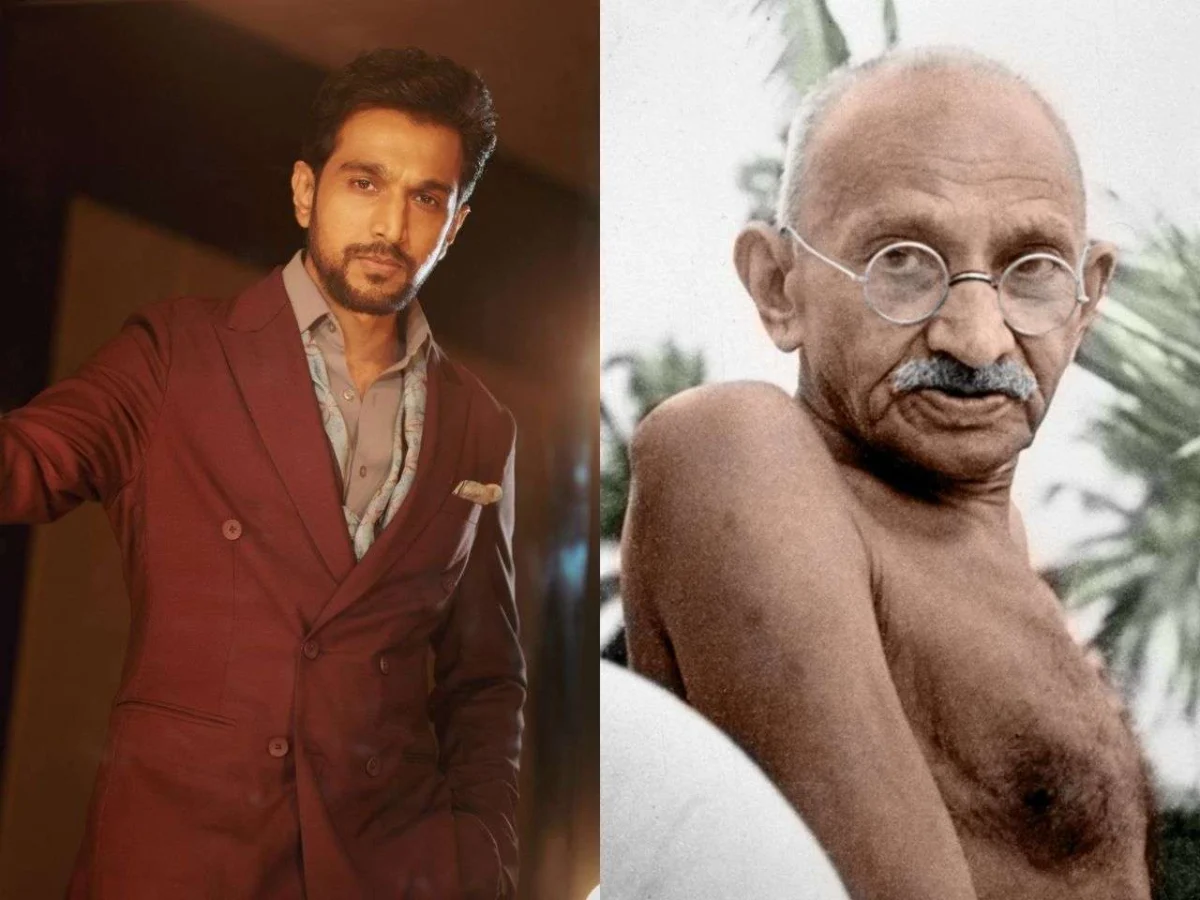
Mumbai, India – June 21, 2026 – A resurfaced clip from an old interview featuring acclaimed actor Pratik Gandhi has ignited a fierce online debate, drawing sharp criticism and widespread trolling from netizens. The actor, known for his powerful portrayal of Harshad Mehta in the hit series "Scam 1992: The Harshad Mehta Story," found himself at the receiving end of online ire for his reflections on Mahatma Gandhi’s philosophy and his provocative description of the Father of the Nation as "India’s first alpha male."
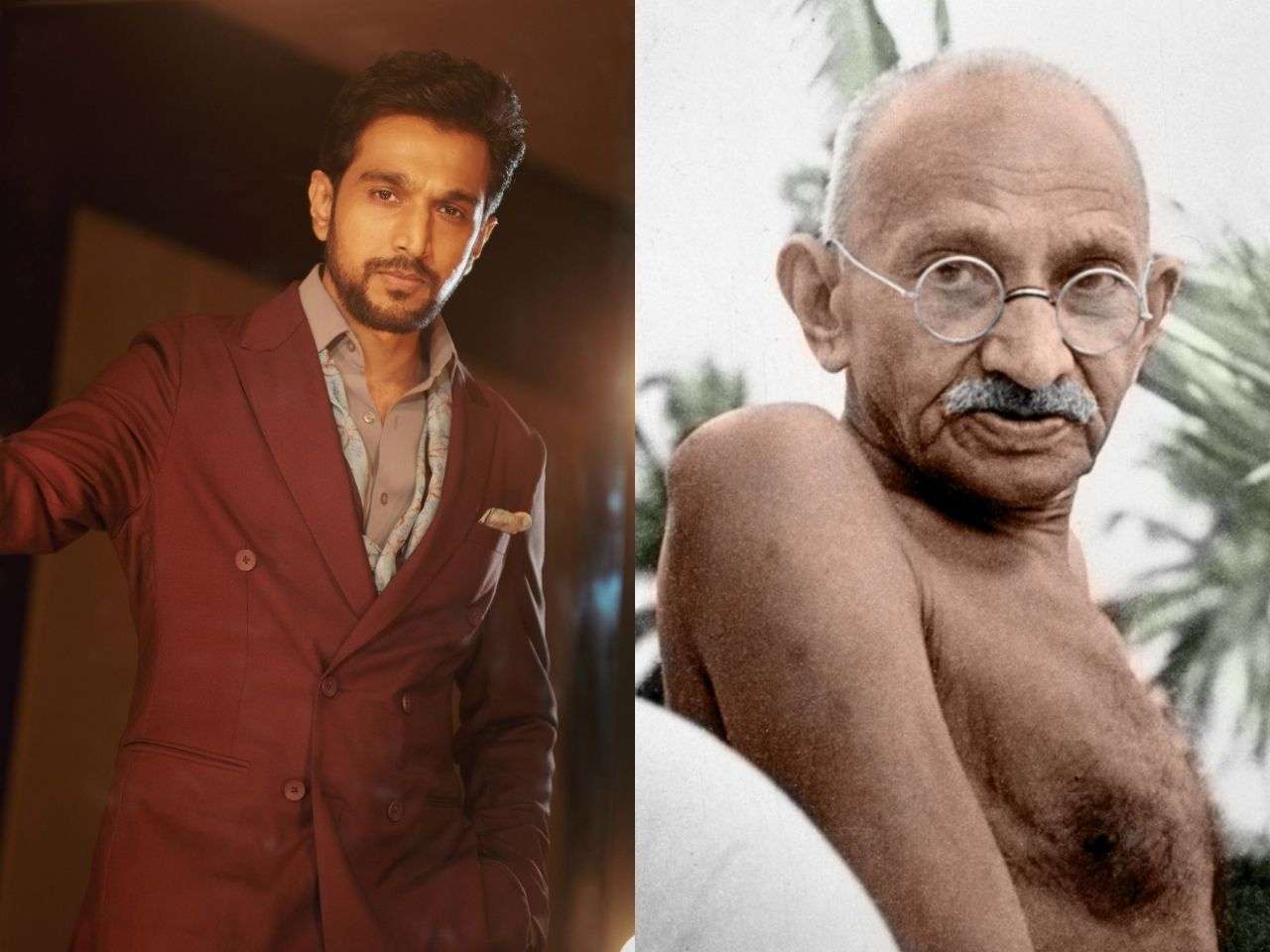
The controversial segment originates from a round table discussion with the platform Yuvaa, where Gandhi, alongside actors like Vineet Kumar, Vishal Jethwa, Ishaan Khatter, and Raghubir Yadav, engaged in a conversation about leadership, influence, and historical figures. While the interview, which took place several months ago, has been circulating, a particular snippet highlighting Gandhi’s unwavering support for Mahatma Gandhi’s principles has recently gone viral, triggering a wave of online backlash.
)
The Core of the Controversy: A Plea for Gandhian Principles in a Turbulent World
At the heart of the viral clip lies Pratik Gandhi’s emphatic assertion that the world, in its current state of conflict and aggression, desperately needs figures like Mahatma Gandhi, rather than the destructive force of Adolf Hitler. He argued that while many might dismiss Gandhi’s non-violent approach as outdated or ineffective in a world often perceived as driven by brute force, it is precisely this philosophy that remains relevant and essential.
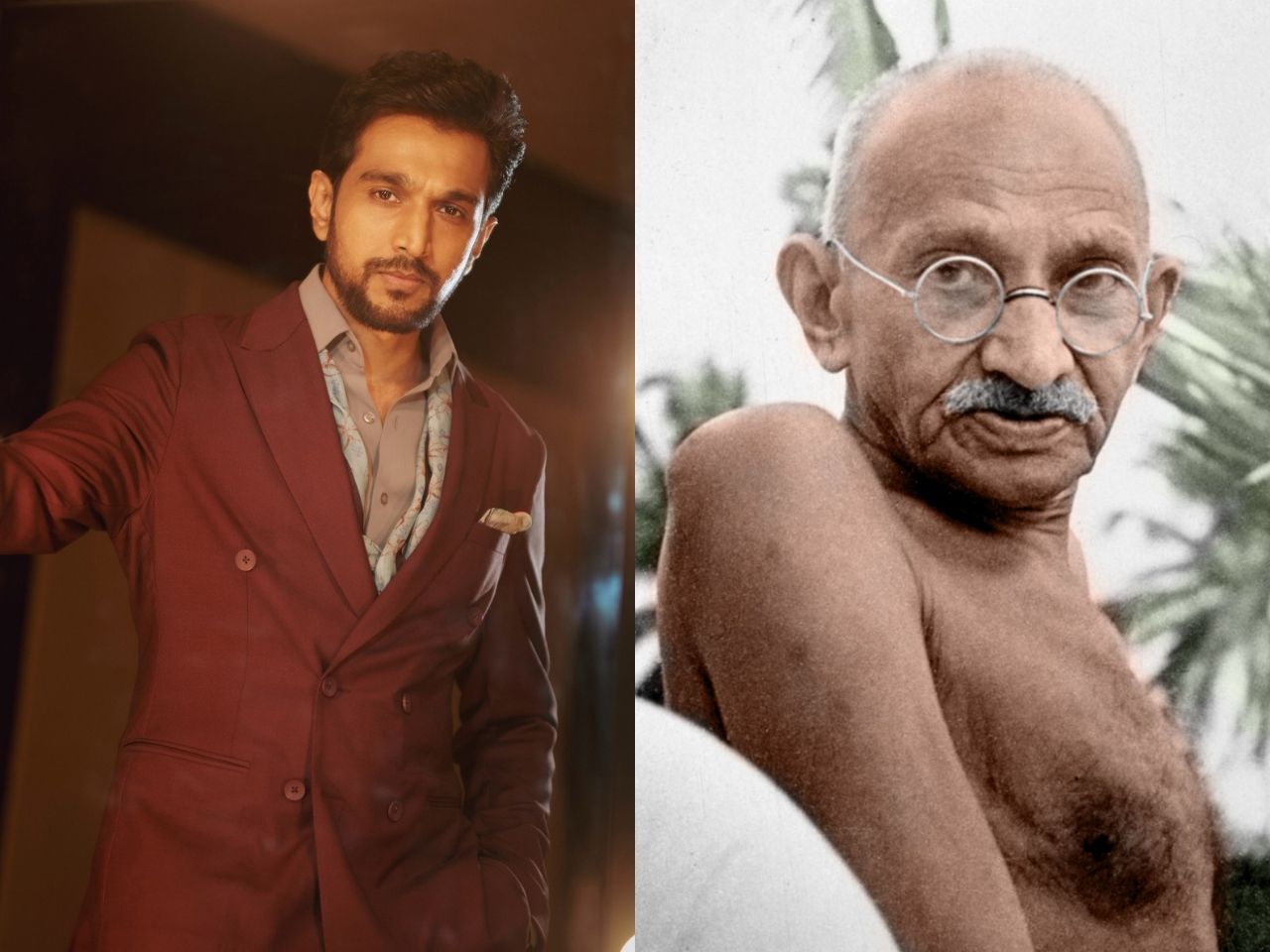)
"Sabko lagta hai ki you don’t need Gandhi this time," Gandhi stated in the interview, his voice carrying a conviction that has now become the focal point of online contention. "Gandhi se aap haath jodenge toh kaun rukta hai yaar. Ek gaal ke badle dusra gaal diya toh saamne wala maar hi dega. Haath uthana kaun nahi chahta. Jiske paas bahut power hai, jisko darr lagta hai, woh sabse phele haath uthayega. Uski awaaz sabse phele upar hoti hai. You see, in meetings, also, the most powerful person will not shout. He knows things are in his control. Toh abhi you don’t need Gandhi, but Hitler, and then the world proves time and again that you need Gandhi more than ever before."

This passionate defense of non-violence and self-control, as embodied by Gandhi, was intended to highlight the enduring strength and necessity of such principles. However, the actor’s words have been interpreted by a significant segment of the online community as a naive or even misplaced endorsement of a philosophy they deem impractical in contemporary geopolitical realities.
)
The "Alpha Male" Conundrum: Redefining Strength and Influence
Adding another layer to the controversy, the interview also saw the host proposing that Mahatma Gandhi could be considered "India’s first alpha male." Pratik Gandhi readily agreed, elaborating, "It is a true alpha character, and I felt it so many times." This particular statement has been a significant catalyst for the online uproar, with many critics questioning the actor’s understanding of the term "alpha male" and its application to a historical figure known for his asceticism and pacifism.
)
For the uninitiated, the term "alpha male" is often associated with dominance, assertiveness, and physical prowess. Applying it to Mahatma Gandhi, a man who led India to independence through civil disobedience and non-violent resistance, has been perceived by many as a mischaracterization, bordering on an insult. This aspect of the interview has fueled a debate not just about Gandhi’s legacy but also about the very definition of strength and leadership in the 21st century.
)
The actor’s current role as Mohandas Karamchand Gandhi in Hansal Mehta’s upcoming web series, "Gandhi," is also being cited by some as a potential influence on his views. However, this connection has not garnered sympathy from his detractors, who see his comments as potentially undermining the very character he is set to portray.
)
A Chronology of the Controversy: From Interview Snippet to Viral Outrage
The timeline of this online controversy can be traced as follows:
)
- Several Months Prior to June 2026: Pratik Gandhi participates in a round table discussion with Yuvaa, alongside other actors. During this discussion, he articulates his views on Mahatma Gandhi’s philosophy and his perceived relevance in the modern world, also agreeing with the host’s characterization of Gandhi as "India’s first alpha male."
- Early June 2026: A specific clip from this interview, focusing on Gandhi’s philosophical stance and the "alpha male" comment, begins to gain traction on social media platforms, particularly X (formerly Twitter).
- Mid-June 2026: The clip goes viral, leading to a surge in online commentary. A significant portion of this commentary is negative, with users expressing strong disagreement with Gandhi’s assertions and resorting to personal attacks and trolling.
- June 20, 2026: The viral clip prompts a user named Ankit Mayank (@mr_mayank) to post it on X, accompanied by a scathing caption that encapsulates the prevailing sentiment of many critics. This tweet, along with numerous others, further amplifies the controversy.
- June 21, 2026: News outlets begin reporting on the online backlash, detailing the nature of the trolling and the specific criticisms leveled against Pratik Gandhi. The article in question here is published on this date, reflecting the immediate aftermath of the viral incident.
Supporting Data: The Torrent of Online Reactions
The online reaction to Pratik Gandhi’s interview clip has been overwhelmingly negative, with a significant number of netizens expressing their dissent in harsh and often derogatory terms. The criticisms can be broadly categorized as follows:
)
- Disagreement with Gandhian Philosophy: Many users have argued that Mahatma Gandhi’s philosophy of non-violence is outdated and ineffective in dealing with the realities of the modern world, which they perceive as driven by power and conflict. Phrases like "you don’t need Gandhi this time" reflect this sentiment.
- Rejection of the "Alpha Male" Label: The characterization of Mahatma Gandhi as an "alpha male" has been particularly contentious. Critics have argued that this label is incongruous with Gandhi’s persona and principles, and that it trivializes his legacy.
- Historical Revisionism Claims: Some users have questioned Gandhi’s historical achievements, pointing to the partition of India and suggesting that his methods did not ultimately lead to a more peaceful or unified nation.
- General Derision and Personal Attacks: A substantial portion of the online commentary has devolved into personal attacks, with users resorting to insults and dismissive language. Phrases like "Bakchodi ki bhi seema hoti hai" (There are limits to nonsense) exemplify this trend.
One netizen, expressing profound disappointment, wrote, "The biggest fraud in independent India is that we still worship Gandhi…Nothing but contempt for him." Another user vehemently disagreed with the notion that praising Gandhi is a benchmark for being an "Alpha," stating, "Praising Gandhi is not a yardstick for becoming Alpha in this country! We’d had many greats in this country who dwarf Gandhi!" A particularly critical comment questioned Gandhi’s impact, stating, "We already had one Gandhi, and we saw partition. What did Gandhi ever achieve? Post world war 2 – All countries got their independence."
)
The sheer volume and vitriol of these comments underscore the polarized nature of public opinion regarding historical figures and their philosophies, especially when viewed through the lens of contemporary societal norms and political discourse.
)
Official Responses: Silence Amidst the Storm
As of the publication of this article, there has been no official statement from Pratik Gandhi or his representatives addressing the online controversy. Similarly, the platform Yuvaa, which hosted the interview, has not issued any official clarification or response regarding the viral clip. This silence from official quarters has, in some instances, further fueled the speculation and debate, leaving the interpretation of Gandhi’s remarks to the public and the media.
)
Implications and Broader Societal Reflections
The online furore surrounding Pratik Gandhi’s comments has far-reaching implications, extending beyond a mere celebrity controversy. It highlights several critical aspects of contemporary Indian society and its relationship with its historical figures and foundational philosophies:
)
- The Enduring Relevance and Contested Legacy of Mahatma Gandhi: The debate underscores that while Mahatma Gandhi remains a revered figure for many, his philosophy and actions are not universally accepted or understood. The younger generation, in particular, may question the applicability of his methods in a world grappling with different forms of conflict and power dynamics.
- The Shifting Definitions of Strength and Leadership: The "alpha male" controversy reveals a societal struggle to reconcile traditional notions of strength with more nuanced understandings of influence and moral leadership. The aggressive and assertive persona often associated with the "alpha" archetype clashes with the self-restrained and principled leadership of Gandhi.
- The Power and Peril of Social Media: The rapid dissemination of clips and the subsequent amplification of public opinion through social media platforms like X demonstrate their immense power in shaping narratives and influencing public discourse. However, it also exposes the darker side of this digital landscape, characterized by unbridled criticism, trolling, and the potential for misinformation.
- The Role of Public Figures in Societal Dialogue: The incident raises questions about the responsibility of public figures when discussing sensitive historical and philosophical topics. While freedom of expression is paramount, the potential for their words to be misinterpreted or weaponized in the online sphere is a significant consideration.
- The Need for Nuanced Historical Interpretation: The controversy serves as a reminder of the importance of engaging with historical figures and their legacies with intellectual rigor and a willingness to explore complex nuances, rather than resorting to simplistic labels or polarized judgments.
In conclusion, Pratik Gandhi’s recent experience serves as a potent reminder of the volatile nature of public opinion in the digital age. His seemingly well-intentioned reflections on Mahatma Gandhi’s philosophy and legacy have inadvertently ignited a firestorm, exposing deep divisions in how historical figures and their ideologies are perceived and debated in contemporary India. As the online discourse continues, it offers a valuable, albeit contentious, window into the evolving values and perspectives of a nation grappling with its past and forging its future.
