

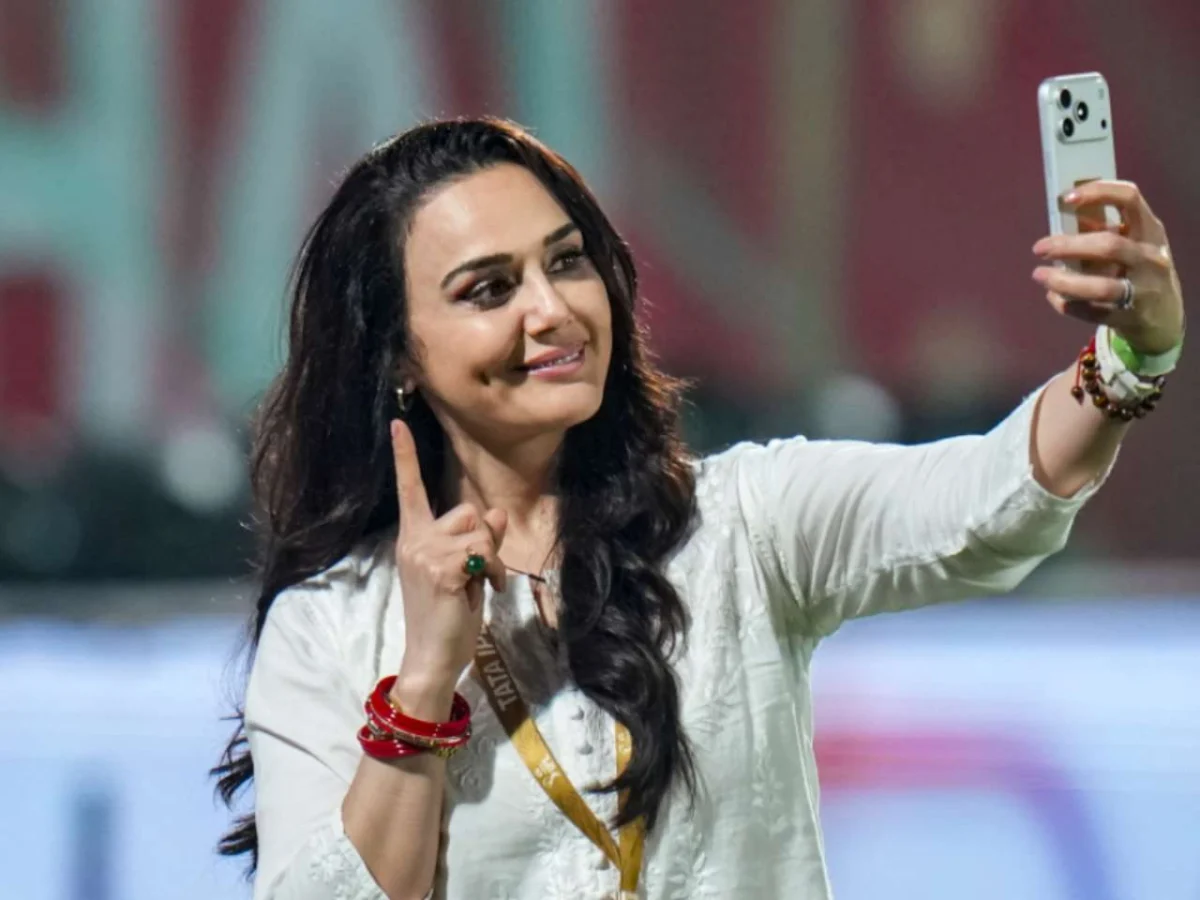
Mumbai, India – In a significant legal move that underscores the growing threat of artificial intelligence-generated misinformation, acclaimed Bollywood actress Preity Zinta has approached the Bombay High Court to combat the proliferation of deepfake videos, AI-generated images, and deceptive chatbot-style content that exploit her likeness. Zinta’s petition seeks an urgent injunction and the immediate removal of unauthorized digital material that is inaccurately and deceptively portraying her across various online platforms and social media networks.
The actress’s legal action highlights a burgeoning concern within the entertainment industry and society at large, where the ease with which AI can manipulate and fabricate content poses a serious risk to individuals’ reputations, privacy, and the very fabric of digital trust. Zinta’s case is not an isolated incident but rather a prominent example of a wider digital challenge that requires robust legal and technological solutions.
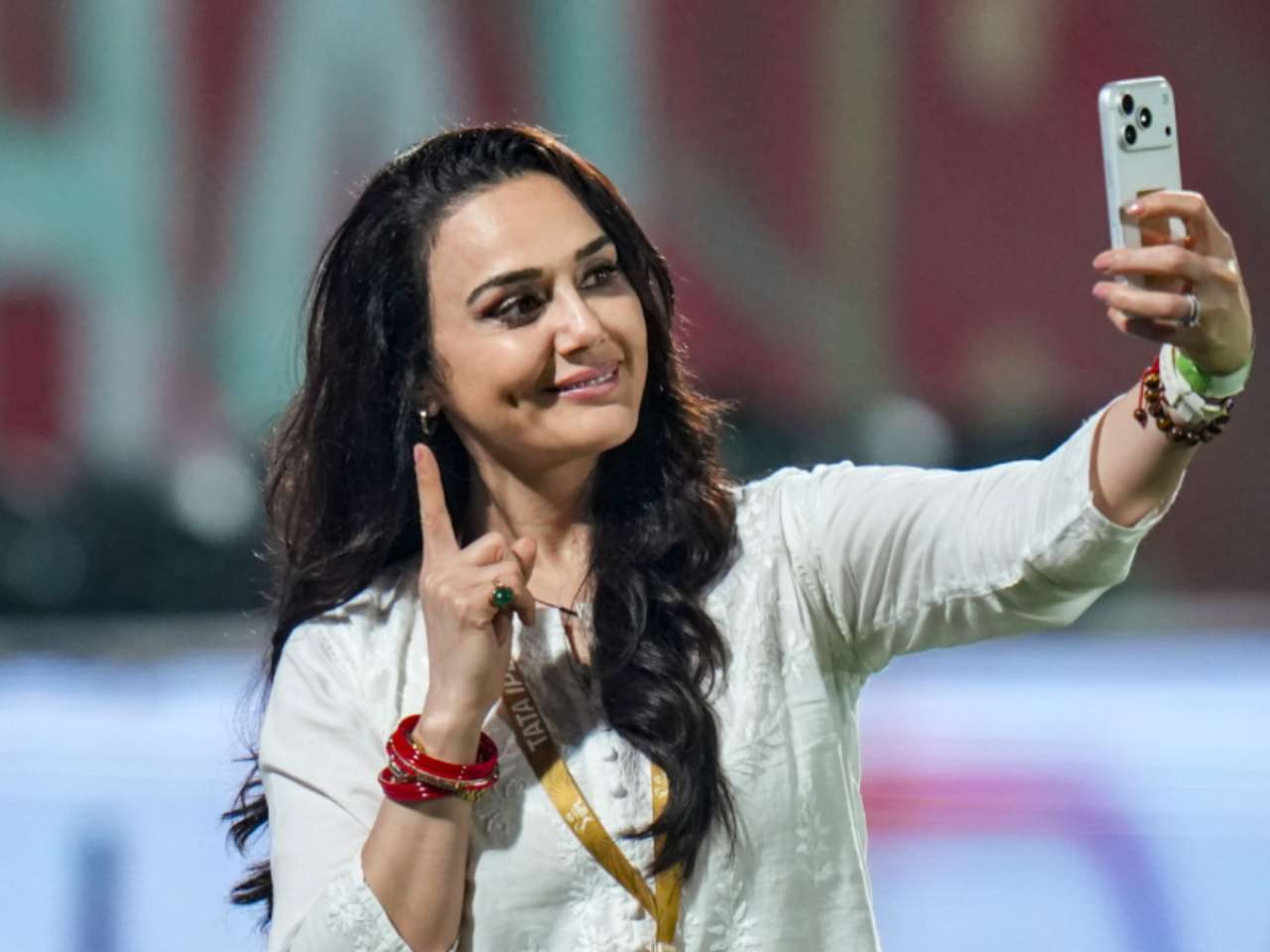
The Unsettling Rise of Digital Impersonation: Preity Zinta’s Legal Stand
Preity Zinta, a beloved figure in Indian cinema known for her vivacious on-screen presence and successful business ventures, has found herself at the receiving end of a disturbing trend: the creation and dissemination of deepfake content. Her lawsuit specifically points to a range of fabricated materials, including video clips, still images, and even interactive chatbot-style conversations, all of which are purportedly generated using advanced AI technologies to create convincing, yet entirely false, representations of her.
The core of Zinta’s plea to the Bombay High Court is to seek judicial intervention to halt this digital onslaught. She is requesting immediate court orders compelling online platforms and social media providers to expeditiously delete all existing deepfake and morphed content featuring her. Furthermore, she seeks a prohibitory injunction, an order that would legally prevent these entities from posting or facilitating the publication of any further unauthorized content that misuses her identity.
)
A Judicial Call for Digital Responsibility: The Bombay High Court’s Initial Response
The matter came before a single bench of Justice Madhav Jamdar. Following preliminary submissions from Zinta’s legal team, Justice Jamdar acknowledged the gravity of the situation. Recognizing the need for a proactive and collaborative approach, the judge urged the involved parties, including the online platforms that host such content, to actively engage in developing a streamlined mechanism for the takedown of offending material.
The court’s directive emphasizes the shared responsibility that platforms have in curating and moderating the content they host. The judge has scheduled further hearings for July 6th, indicating that the court intends to closely monitor the progress and ensure effective remedies are implemented. This judicial engagement signals a potential shift towards greater accountability for digital platforms in addressing the misuse of AI.

Understanding the Threat: What are Deepfakes and AI-Generated Content?
To fully grasp the implications of Preity Zinta’s legal battle, it’s crucial to understand the technology at play. A deepfake is a form of synthetic media. This means it is not an authentic recording but rather a digitally created or altered representation. Deepfakes are generated using sophisticated artificial intelligence techniques, most notably deep learning algorithms. These algorithms are trained on vast datasets of real images, audio, and video of a target individual. By learning the nuances of their appearance, voice, and mannerisms, AI can then create new content where the person appears to say or do things they never actually did.
The results can be remarkably convincing, making it difficult for the average viewer to distinguish between real and fabricated material. This technology can be used to superimpose a person’s face onto another body, alter their voice to make them say specific words, or even create entirely new video sequences.
)
AI-generated content, a broader category, encompasses any media created or significantly influenced by artificial intelligence. This can include text, images, music, and video. While AI-generated content can be used for creative and beneficial purposes, its potential for misuse, as demonstrated by deepfakes, is a significant concern.
In Preity Zinta’s case, the petition specifically mentions:
)
- Videos: Fabricated video clips where her likeness is used without consent, potentially depicting her in compromising or misleading situations.
- Images: Doctored photographs or AI-generated images that create entirely new visuals of her, often for sensational or deceptive purposes.
- Chatbot-style interactions: AI-powered chatbots that are programmed to impersonate her, engaging in conversations that could spread misinformation or damage her reputation.
These forms of digital manipulation can have profound consequences, ranging from reputational damage and personal distress to financial fraud and political destabilization.
A Growing Phenomenon: The Broader Context of Deepfakes and Celebrities
Preity Zinta’s legal action is not an isolated incident within the celebrity sphere. In recent years, numerous public figures, including politicians, actors, and influencers, have fallen victim to deepfake technology. The relative ease with which these fabricated materials can be created and disseminated online has made celebrities, with their extensive public image and readily available digital footprint, particularly vulnerable targets.
)
The motivations behind creating and spreading deepfakes are varied. They can range from malicious intent, such as defamation or harassment, to purely for entertainment purposes, albeit without consent. However, even seemingly innocuous "parody" deepfakes can cross ethical and legal boundaries when they are not clearly labeled as fabricated and when they exploit an individual’s likeness without permission.
The economic implications are also significant. Deepfakes can be used to manipulate stock markets, spread financial disinformation, or create fraudulent endorsements. For celebrities, the unauthorized use of their image and voice can dilute their brand value and infringe upon their commercial rights.
)
The Legal Framework and Challenges Ahead
The legal battle against deepfakes is still in its nascent stages. Existing laws, such as those pertaining to defamation, intellectual property, and the right to privacy, offer some recourse. However, the rapid evolution of AI technology often outpaces the development of specific legal frameworks.
Preity Zinta’s lawsuit is likely to draw upon several legal principles:
)
- Right to Privacy: Individuals have a right to control their personal image and likeness. The unauthorized use of her image in deepfakes infringes upon this right.
- Defamation: If the deepfake content is presented in a way that harms her reputation, it could constitute defamation.
- Intellectual Property and Personality Rights: A celebrity’s image, voice, and likeness are often considered valuable assets. Unauthorized use can be seen as an infringement of these personality rights.
- Cybercrime Laws: Depending on the jurisdiction and the specific nature of the offense, cybercrime laws might also be applicable.
However, challenges remain. The global nature of the internet means that perpetrators can be located in different jurisdictions, making enforcement difficult. Proving intent and identifying the original creator of a deepfake can also be complex. Furthermore, the sheer volume of content uploaded daily makes it an arduous task for platforms to proactively monitor and remove all infringing material.
Official Responses and the Path Forward
The Bombay High Court’s directive to the online platforms to "work out a mechanism for takedown" is a crucial step. It signals a judicial expectation of proactive engagement from these companies. This could involve:
)
- Enhanced Content Moderation: Implementing more robust AI-powered tools and human review processes to identify and flag potentially infringing content.
- Clear Reporting Mechanisms: Providing users with easy and effective ways to report suspected deepfakes and manipulated media.
- Collaboration with Law Enforcement: Cooperating with authorities to investigate and prosecute individuals involved in the creation and dissemination of malicious deepfakes.
- Developing Industry Standards: Working collaboratively within the tech industry to establish best practices and ethical guidelines for AI-generated content.
The legal fraternity and technology experts are actively discussing various solutions, including:
- Digital Watermarking and Provenance Tracking: Developing technologies that can embed verifiable information into digital content, indicating its origin and whether it has been manipulated.
- AI Detection Tools: Investing in and deploying advanced AI tools specifically designed to detect deepfakes and other forms of synthetic media.
- Legislative Reforms: Advocating for new laws that specifically address the creation and dissemination of deepfakes, providing clearer definitions, penalties, and avenues for redress.
Implications Beyond Bollywood: A Societal Imperative
Preity Zinta’s legal action serves as a critical wake-up call for society at large. The proliferation of deepfakes and AI-generated content poses a significant threat to the integrity of information and the trust we place in digital media.
)
- Erosion of Trust: When fabricated content becomes indistinguishable from reality, it can lead to widespread skepticism and a breakdown of trust in news, public discourse, and even personal relationships.
- Disinformation Campaigns: Deepfakes can be weaponized for political propaganda, to spread misinformation during elections, or to incite social unrest.
- Personal Harm: Beyond public figures, ordinary citizens can also be targeted by deepfakes, leading to reputational damage, blackmail, and severe emotional distress.
- The Future of Digital Identity: As AI becomes more sophisticated, the lines between real and synthetic identities will blur further, raising profound questions about authenticity and personal representation in the digital age.
Preity Zinta’s courage in taking this legal stand highlights the urgent need for a multi-pronged approach involving legal action, technological innovation, platform accountability, and public awareness. The Bombay High Court’s involvement and the impending hearings represent a significant moment in the ongoing struggle to safeguard digital integrity and protect individuals from the insidious reach of deceptive AI. The outcome of this case could set important precedents and shape the future of how we navigate the increasingly complex landscape of digital media.
