

Main Facts: A Bold Leap Towards Women’s Financial Autonomy
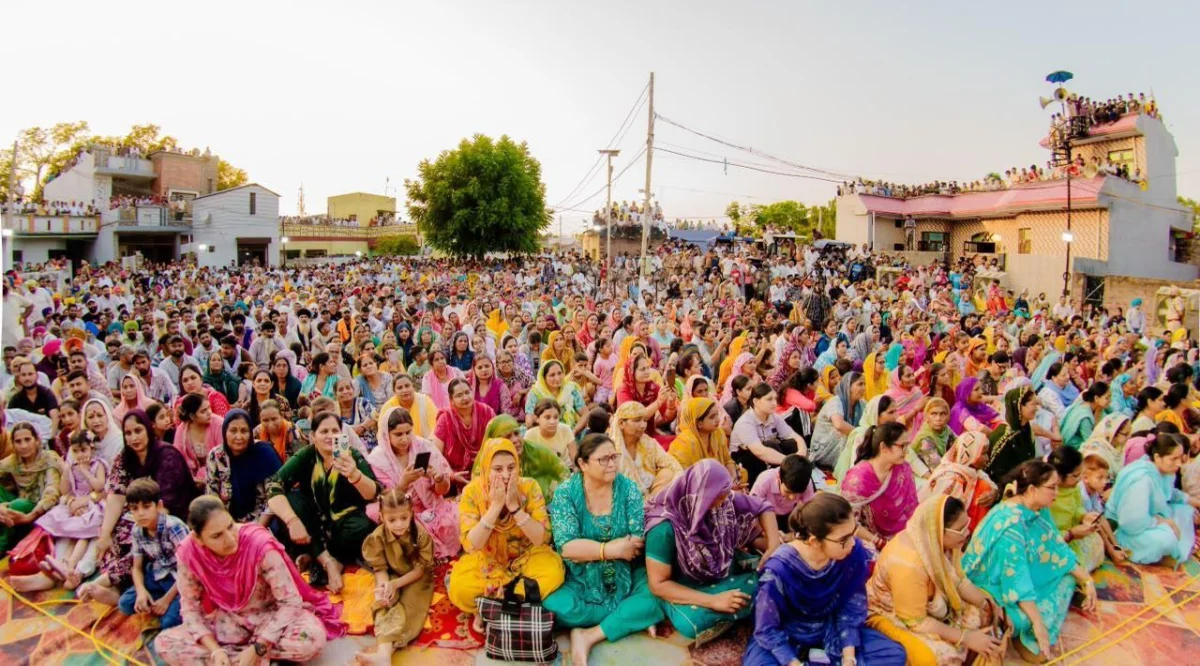
Chandigarh, Punjab – In a move poised to significantly reshape the socio-economic landscape and electoral dynamics of Punjab, the Aam Aadmi Party (AAP)-led Bhagwant Mann government is on the cusp of rolling out its ambitious flagship women’s financial aid scheme, the "Mawan Dhiyan Satkar Yojana." Set to commence on July 1, this direct benefit transfer (DBT) initiative fulfills a core promise made by the AAP during its victorious campaign for the February 2022 Assembly elections, hailed then as the party’s "biggest guarantee."
The scheme is designed to provide crucial financial assistance to eligible women across the state, aiming to foster greater economic independence and uplift vulnerable households. Under its provisions, women belonging to the general category will receive a monthly stipend of Rs 1,000. In a progressive step towards addressing historical inequities, women from Scheduled Castes (SCs) will benefit from a higher monthly payout of Rs 1,500, acknowledging their often more precarious economic standing.
While the AAP’s initial electoral pledge had been a broad promise to extend these benefits to every eligible woman aged above 18 years, irrespective of income, the final contours of the program have introduced specific exclusions. Income-tax payees, government employees, and pensioners have been consciously kept outside its ambit. However, demonstrating a commitment to supporting the most vulnerable, the scheme judiciously includes women who are already recipients of meagre social security pensions, such as widow and old-age pensions, ensuring that those already struggling financially receive additional support.
Chief Minister Bhagwant Mann has expressed confidence in the scheme’s expansive reach, estimating that a staggering 97% of Punjab’s women voters stand to benefit from the program. Based on the 2022 electoral data, where women constituted 1.02 crore (47.45%) of the state’s total 2.15 crore electorate, this translates to an estimated 98 lakh women who could potentially receive assistance through the Mawan Dhiyan Satkar Yojana. The financial commitment to this ambitious program is substantial, with the AAP government allocating a colossal Rs 9,300 crore in its Budget for 2026-27 to fund the initiative. In a gesture aimed at providing immediate relief and demonstrating the government’s earnestness, Chief Minister Mann has also announced that beneficiaries will receive a consolidated payout covering three months – April, May, and June – together in July, marking a robust initial disbursement.
However, the road to full implementation presents its own set of challenges. As of June 28, the registration process for beneficiaries had been completed for only about 39 lakh women. This significant gap between the estimated 98 lakh potential beneficiaries and the current registration figures highlights the monumental task ahead for the administration to ensure widespread enrollment and seamless delivery before the scheme’s full potential can be realized.
Chronology: From Electoral Promise to Policy Implementation
The journey of the Mawan Dhiyan Satkar Yojana from a campaign promise to an imminent reality traces back to the high-stakes Punjab Assembly elections of February 2022. The Aam Aadmi Party, then a formidable challenger, strategically positioned this financial aid for women as a cornerstone of its "guarantee" model, resonating deeply with a significant segment of the electorate. The promise of direct cash transfers tapped into a desire for tangible economic relief and empowerment among women, many of whom bear the brunt of household financial pressures.
Following its decisive victory in March 2022, securing 92 out of 117 seats, the Bhagwant Mann-led AAP government embarked on the intricate process of translating its electoral pledges into actionable policy. The conceptualization and design of the Mawan Dhiyan Satkar Yojana involved extensive deliberations to define eligibility criteria, benefit amounts, and the administrative mechanisms for its rollout. The initial broad promise of universal coverage for women above 18 years, irrespective of income, underwent refinement, leading to the exclusion of income-tax payees, government employees, and pensioners. This adjustment, likely driven by fiscal prudence and a desire to target the most deserving, aimed to ensure the scheme’s sustainability while still reaching a vast majority of the female population.
The scheme’s financial backbone was solidified with its inclusion in the state’s Budget for 2026-27, where a substantial outlay of Rs 9,300 crore was earmarked. This allocation underscored the government’s commitment to the scheme, positioning it as a key pillar of its welfare agenda. The months leading up to the July 1 launch have seen intensified efforts to register beneficiaries. Despite the enthusiastic pronouncements about the scheme’s reach, the figure of 39 lakh registered women by late June, against an estimated 98 lakh potential beneficiaries, indicates that outreach and enrollment campaigns will need to be significantly ramped up.
This initiative, however, does not exist in a vacuum. It builds upon and extends a legacy of women-centric welfare measures introduced by successive governments in Punjab, reflecting a growing recognition of women as a crucial electoral demographic. Prior to the AAP’s ascent, the Congress government, under Captain Amarinder Singh, introduced the "free bus travel for women" scheme in government buses on April 1, 2021 – a popular initiative that the current AAP dispensation has judiciously continued, spending Rs 2,042 crore on it from 2022-23 to 2025-26.
Later, in the run-up to the 2022 polls, former Congress Chief Minister Charanjit Singh Channi unveiled a slew of targeted measures. These included significant hikes in the monthly honorarium for over 53,000 Anganwadi workers, mini Anganwadi workers, and helpers. Anganwadi workers saw their pay rise from Rs 8,100 to Rs 9,500, mini workers from Rs 5,300 to Rs 6,300, and helpers from Rs 4,050 to Rs 5,100. Additionally, nearly 22,000 ASHA workers were granted a fixed monthly allowance of Rs 2,500, alongside incentive-based payments, Rs 5 lakh health insurance, and paid maternity leave. The Channi government also increased the honorarium of approximately 42,500 mid-day meal workers from Rs 2,200 to Rs 3,000, coupled with other incentives.
The AAP government has also maintained the Congress government’s "Ashirwad scheme," which provides Rs 51,000 as one-time financial assistance for the marriage of eligible women from economically weaker sections, Scheduled Castes, and backward classes. Even before these initiatives, the Shiromani Akali Dal (SAD) under Parkash Singh Badal launched the "Shagun scheme" in 1997, offering Rs 5,100 for girls’ marriages, which has since been expanded. More recently, SAD president Sukhbir Singh Badal, in his party’s 2022 poll campaign and subsequent pronouncements, has pledged significant sops for women, including 50% reservation in government jobs, a hike in widow and old-age pensions to Rs 3,100, and an ambitious promise to increase the Shagun scheme assistance to Rs 1 lakh if returned to power.
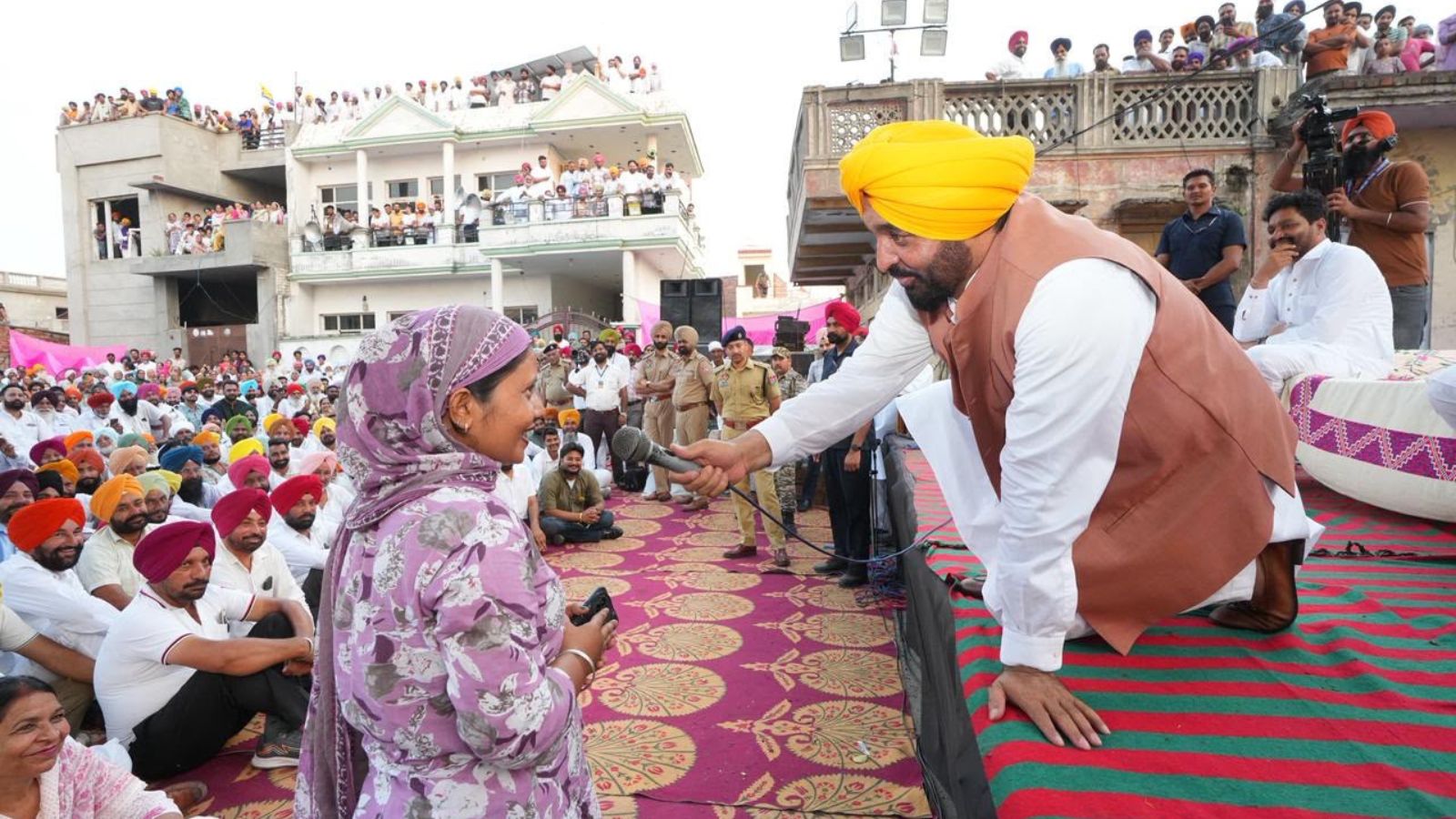
The consistent thread through these diverse political administrations underscores a growing understanding of the electoral potency of women-centric policies, culminating in the monumental scale of the Mawan Dhiyan Satkar Yojana.
Supporting Data: The Unmistakable Rise of the Female Electorate
The political significance of the Mawan Dhiyan Satkar Yojana is inextricably linked to profound shifts in Punjab’s electoral landscape, particularly the burgeoning influence of women voters. Over the last several Assembly elections, a clear and sustained trend has emerged: female voter participation has not only increased but has consistently exceeded that of men, making women a decisive demographic in shaping election outcomes.
While the overall voter turnout in Punjab has experienced a gradual decline over the past three Assembly elections – from 78.62% in 2012 to 77.36% in 2017, and further to 71.95% in 2022 – the percentage of women voters exercising their franchise has remained remarkably robust and consistently higher than their male counterparts.
Let’s examine the data:
- 2012 Assembly Elections: The overall turnout was 78.62%. Within this, women’s turnout stood at an impressive 79.43%, surpassing men’s turnout of 77.92%. This marked the beginning of a significant trend.
- 2017 Assembly Elections: The overall polling percentage slightly dipped to 77.36%. Yet, women continued to lead, with 79.33% of eligible female voters casting their ballots, compared to 75.63% of men. The gap between female and male turnout widened further.
- 2022 Assembly Elections: Despite a more pronounced dip in overall polling to 71.95%, women’s participation remained strong at 74.25%. In contrast, men’s turnout was significantly lower at 69.65%. The consistent lead of women voters across these cycles underscores their growing engagement and impact on democratic processes in the state.
This increased participation is mirrored by a demographic shift within the electorate itself. Between 2012 and 2022, Punjab’s total electorate expanded from 1.76 crore to 2.15 crore. Crucially, during this decade, the share of female voters in the electorate saw a measurable increase, rising from 46.76% to 47.45%. Concurrently, the proportion of male voters experienced a slight dip, moving from 53.24% to 52.55%. While seemingly modest, these shifts, combined with higher turnout rates, mean that women now represent an even more potent and influential voting bloc.
The financial allocation for the Mawan Dhiyan Satkar Yojana also merits close examination. The Rs 9,300 crore earmarked in the 2026-27 Budget is a substantial sum. If the estimated 98 lakh women indeed benefit, and assuming an average monthly payout of Rs 1,000 (given that some receive Rs 1,500, but a larger proportion falls under the general category), the annual cost could be in the range of Rs 11,760 crore (98 lakh Rs 1,000 12 months). The allocated Rs 9,300 crore might cover a partial year’s expenses or reflect an average benefit, indicating the scale of the ongoing financial commitment required for the scheme’s full implementation.
The disparity in registration figures—39 lakh women registered by June 28 against an estimated 98 lakh potential beneficiaries—presents a critical data point. This gap suggests that while the intent and financial backing are in place, the logistical machinery for outreach, verification, and enrollment needs to accelerate dramatically to ensure that the scheme reaches its intended target population effectively and equitably. The government will need to deploy robust communication strategies and simplify the registration process to bridge this significant gap before the full impact of the Yojana can be realized.
Official Responses: Government’s Vision and the Political Crosscurrents
The launch of the Mawan Dhiyan Satkar Yojana has naturally elicited strong official responses from the ruling Aam Aadmi Party and critical observations from opposition benches, alongside broader commentary on the nature of welfare politics in India.
Chief Minister Bhagwant Mann and the AAP Government’s Stance:
Chief Minister Bhagwant Mann has consistently championed the Mawan Dhiyan Satkar Yojana as a cornerstone of his government’s commitment to women’s empowerment. His assertion that "about 97% of Punjab’s women voters would benefit from the program" underscores the government’s ambition for near-universal coverage among the eligible population. Mann frames the scheme not merely as a financial dole-out but as a vital tool for granting women genuine economic agency. By providing direct cash transfers, the government aims to enable women to make independent financial decisions, thereby enhancing their dignity and improving their families’ quality of life.
The AAP government’s official narrative emphasizes that the scheme aligns perfectly with its broader governance philosophy, which prioritizes welfare, direct benefit transfers, and accessible public services. They argue that this financial aid will alleviate household poverty, particularly for single women, widows, and those in low-income brackets. The differential benefit for SC women (Rs 1,500 vs. Rs 1,000 for general category) is presented as a targeted measure to address entrenched socio-economic disparities, reflecting the party’s commitment to inclusive growth. The government also highlights the continuation of other pro-women schemes, such as free bus travel and the Ashirwad scheme, as proof of a holistic approach to women’s welfare. The initial three-month payout in July is intended to demonstrate immediate relief and build trust among beneficiaries.
Opposition Parties’ Reactions:
Unsurprisingly, the opposition parties have viewed the scheme’s timing and scope through a political lens, especially with the Punjab Assembly election barely eight months away. While no party can outright oppose a pro-women welfare scheme without risking significant political backlash, critiques often center on the fiscal implications and accusations of populism.
The Shiromani Akali Dal (SAD), a long-standing player in Punjab politics, has been quick to highlight its own historical commitment to women’s welfare, citing the "Shagun scheme" launched in 1997. While SAD leaders like Sukhbir Singh Badal have welcomed any initiative benefiting women, they have simultaneously escalated their own electoral promises, such as increasing Shagun assistance to Rs 1 lakh and pledging 50% reservation for women in government jobs, effectively attempting to outbid the AAP. This strategy aims to portray the AAP’s scheme as merely one among many, while positioning SAD as offering even more substantial benefits.
The Congress, still recovering from its significant defeat in the 2022 elections, is likely to scrutinize the implementation details, particularly the gap between estimated beneficiaries and registered women. They might question the administrative efficiency and potential delays, while simultaneously reminding voters of their own track record of women-centric initiatives, such as the free bus travel and enhanced honorariums for Anganwadi and ASHA workers, implemented just prior to the 2022 polls. Their criticism might revolve around whether the scheme is a genuine empowerment tool or primarily an election-driven tactic.
Expert and Analytical Perspectives:
Beyond the political rhetoric, economists and policy analysts often weigh in on the long-term sustainability and effectiveness of such large-scale direct benefit transfer schemes. Concerns are frequently raised regarding the fiscal burden on the state exchequer. With a Rs 9,300 crore allocation, and potential annual costs exceeding Rs 11,000 crore, questions about Punjab’s financial health and its capacity to sustain such an outlay over multiple years are pertinent. Analysts often debate whether these funds could be better utilized in creating productive assets, improving infrastructure, or investing in education and healthcare for long-term human capital development.
There’s also the ongoing debate about "freebie culture" versus genuine welfare. While direct cash transfers can undoubtedly provide immediate relief and inject liquidity into the economy, critics argue they can foster dependency and distort market mechanisms if not carefully managed. However, proponents argue that for marginalized communities, such schemes offer a crucial safety net and empower women by giving them control over resources, potentially leading to improved nutrition, education, and healthcare outcomes for their families. The success of the Mawan Dhiyan Satkar Yojana will ultimately be judged not just by its launch, but by its sustained impact on women’s lives and its fiscal prudence.
Implications: Reshaping Punjab’s Social, Economic, and Political Landscape
The launch of the Mawan Dhiyan Satkar Yojana carries far-reaching implications that extend beyond immediate financial relief, potentially reshaping Punjab’s social, economic, and political landscape for years to come.
1. Political Implications for the 2027 Assembly Elections:
The most immediate and perhaps potent implication is political. With the Punjab Assembly elections a mere eight months away, the timing of the scheme’s launch is undeniably strategic. The AAP government is clearly aiming to consolidate its support base among women voters, who have demonstrably emerged as a decisive constituency. By fulfilling a "biggest guarantee" from its previous manifesto, the party seeks to reinforce its credibility and project itself as a government that delivers on its promises.
This scheme will likely intensify the competition for the female vote bank. Opposition parties will be forced to recalibrate their own strategies, either by criticizing the scheme’s implementation, fiscal burden, or by proposing even more attractive women-centric sops, as seen with SAD’s recent pledges. The Mawan Dhiyan Satkar Yojana could become a central talking point in the upcoming election campaign, with parties debating its effectiveness, sustainability, and underlying motivations. The high estimated number of beneficiaries (98 lakh) suggests a direct connection with a significant portion of the electorate, making it a formidable electoral asset for the AAP.
2. Socio-Economic Empowerment of Women:
At its core, the scheme aims for socio-economic empowerment. Direct cash transfers can significantly enhance women’s agency and decision-making power within their households. By having access to independent funds, women, particularly those from disadvantaged backgrounds, can gain greater control over household finances, allocate resources towards essential needs like nutrition, education for children, or healthcare, and even invest in small entrepreneurial ventures. This can lead to a tangible improvement in their quality of life and social standing. The differential benefit for SC women is a crucial step towards addressing caste-based economic disparities, promoting greater social equity.
3. Economic Impact and Fiscal Sustainability:
The injection of thousands of crores of rupees directly into the hands of nearly a crore women is expected to provide a significant boost to the local economy. This increased purchasing power can stimulate demand for goods and services, supporting local businesses and potentially creating a ripple effect of economic activity. However, the long-term fiscal sustainability of such a massive outlay remains a critical concern. Punjab’s financial health has faced challenges in the past, and a recurring annual expenditure potentially exceeding Rs 11,000 crore raises questions about the state’s ability to fund this and other developmental projects without increasing debt or compromising other essential services. Robust revenue generation and fiscal management will be paramount to sustain the scheme.
4. Inclusion, Exclusion, and Administrative Challenges:
The scheme’s refined eligibility criteria, which exclude income-tax payees, government employees, and pensioners, aim to target the most deserving. While this ensures that benefits reach those genuinely in need, it also highlights the challenge of defining "eligible" and managing public perception. The initial gap between estimated beneficiaries (98 lakh) and registered women (39 lakh) points to significant administrative hurdles. Ensuring accurate identification, seamless registration, robust verification processes, and efficient direct transfers to millions of bank accounts will require a sophisticated and transparent administrative machinery. Any glitches or delays in disbursement could undermine public trust and the scheme’s intended impact.
5. Evolution of Welfare Politics in Punjab:
The Mawan Dhiyan Satkar Yojana is a powerful illustration of the evolving nature of welfare politics in Punjab and indeed, in India. It signals a definitive shift towards targeted, direct benefit transfers as a preferred mode of welfare delivery, bypassing intermediaries and aiming for greater transparency. The consistent focus on women across party lines, as evidenced by schemes from the Congress, SAD, and now AAP, underscores a recognition that women are not just beneficiaries but active agents of political change. This trend will likely lead to even more nuanced and competitive welfare proposals in future elections, with women-centric initiatives remaining a central pillar of political manifestos.
In conclusion, the Mawan Dhiyan Satkar Yojana is more than just a financial aid scheme; it is a profound statement of political intent and a significant social experiment. Its success or failure will not only determine the future electoral fortunes of the AAP but will also offer valuable lessons on the efficacy, sustainability, and true empowerment potential of large-scale direct benefit transfer programs in a diverse and dynamic state like Punjab. The coming months will be crucial in observing how this ambitious "guarantee" translates into tangible improvements in the lives of millions of women across the state.
