

MUMBAI/MAUI – In a significant and concerning shift over the past several months, the landscape of consumer tech product launches has transformed. The fanfare surrounding innovative new features has largely been overshadowed by an inescapable reality: higher sticker prices, particularly for laptops. This trend is not merely inflationary; it signals a deeper structural challenge dubbed "RAMageddon," a phenomenon directly linked to the burgeoning Artificial Intelligence (AI) gold rush.
The insatiable demand for processing power and memory from expanding data centers, fueled by the global race for AI dominance, has created an acute shortage of critical memory chips and other essential components. This scarcity has a cascading effect, pushing up the manufacturing costs of electronics and, consequently, the retail prices of devices like laptops. The crucial question now facing consumers and the industry alike is the longevity of this pricing pressure. Will these elevated costs become the new normal, effectively marginalizing, or even eliminating, the vital entry-level segment that has historically driven widespread technology adoption?
The Core of the Crisis: AI’s Voracious Appetite for Memory
The immediate and most pressing issue impacting the consumer electronics market is the dramatic increase in the cost of essential memory components. While new laptops are often unveiled with dazzling displays or improved processors, the underlying narrative has shifted to price tags that are increasingly out of reach for many. This unexpected pivot is primarily attributed to "RAMageddon," a term encapsulating the severe shortage and resultant price surge of memory chips.
At its heart, this crisis is a direct consequence of the global AI boom. The rapid expansion of AI research, development, and deployment across various industries—from large language models and generative AI to autonomous systems and sophisticated data analytics—requires unprecedented computational infrastructure. This infrastructure primarily manifests as massive data centers, which are voraciously consuming vast quantities of memory chips, particularly Dynamic Random-Access Memory (DRAM) and NAND flash memory, alongside other critical semiconductors. The intense competition for these components has disrupted established supply chains, leading to a bottleneck that has choked the production of more affordable consumer devices. The result is a market where innovation often takes a backseat to cost management, and the dream of cheaper, more accessible technology appears to be receding.
The Chronology of a Crisis: From AI Hype to Hardware Headache
The roots of "RAMageddon" can be traced back to the burgeoning enthusiasm and massive investment in Artificial Intelligence. What began as a technological frontier quickly escalated into a global gold rush, with companies and nations vying for supremacy in AI capabilities.
The Genesis of the AI Boom
For years, AI has been a topic of scientific interest, but the last decade, particularly the last five years, has seen an explosion in its practical application. Breakthroughs in machine learning, deep learning, and neural networks, coupled with the availability of vast datasets, have propelled AI into the mainstream. The emergence of generative AI models, capable of producing human-like text, images, and even code, has accelerated this trend exponentially. Businesses across sectors, from finance and healthcare to entertainment and manufacturing, are now scrambling to integrate AI into their operations, promising unprecedented efficiencies and new revenue streams.
Data Centers: The Engine Room of AI
The computational demands of modern AI are staggering. Training sophisticated AI models, especially large language models (LLMs), requires colossal amounts of data processing. This processing primarily occurs in hyperscale data centers, which house thousands upon thousands of powerful servers. Each server, in turn, is equipped with multiple high-performance processors (CPUs and GPUs) and, crucially, vast quantities of high-speed memory.
Memory is paramount for AI for several reasons:
- Model Training: Training an AI model involves iterating through massive datasets, a process that heavily relies on fast access to data stored in DRAM. The larger and more complex the model, the more memory is required to store model parameters and intermediate computations.
- Inference: Even after training, deploying AI models for real-time applications (inference) demands significant memory to load the model and process new inputs quickly.
- Data Storage: The colossal datasets used to train AI models—ranging from petabytes to exabytes—require immense NAND flash storage capacity.
The Strain on the Semiconductor Supply Chain
The semiconductor industry, inherently cyclical and capital-intensive, was already navigating complexities before the AI surge. The COVID-19 pandemic, for instance, created unprecedented demand for consumer electronics as remote work and learning became the norm, leading to initial supply chain disruptions. While some of these initial bottlenecks were easing, the AI boom introduced a new, far more intense pressure point.
Manufacturers of DRAM and NAND flash memory, predominantly located in East Asia, typically plan production cycles years in advance. The sudden, exponential increase in demand from AI data centers, often involving specialized high-bandwidth memory (HBM) alongside standard DRAM, caught the industry off guard. Building new fabrication plants (fabs) is an incredibly expensive and time-consuming endeavor, often taking several years from groundbreaking to full operational capacity. This inherent lag means that supply cannot instantly meet a sudden surge in demand.
"RAMageddon" Unleashed
This confluence of factors—exploding AI demand, data center expansion, and the inelasticity of semiconductor manufacturing—culminated in what the industry has termed "RAMageddon." It signifies a period where the cost of memory chips has skyrocketed, and availability has become unpredictable. This isn’t just about the raw cost of memory; it’s also about the ripple effect on other components. Shortages of memory controllers, power management ICs, and even basic passive components (resistors, capacitors) can occur as manufacturers prioritize production for the most profitable, high-demand AI chips. The result is a severe constraint on the production of consumer-grade electronics, forcing manufacturers to either absorb higher component costs (unlikely) or pass them directly onto the end consumer. This phenomenon threatens to fundamentally alter the pricing structure of everyday devices, particularly laptops, pushing them into higher price brackets and making technology less accessible.
Supporting Data: The Tangible Impact of Scarcity
The theoretical discussions around supply chains and AI demand translate directly into tangible market shifts and consumer pain points. Data from market analysts and reports from manufacturers clearly illustrate the profound impact of "RAMageddon" on the global and particularly the Indian PC market.
Global Market Realignments
Globally, the PC market, after experiencing a boom during the pandemic, has been in a period of recalibration. However, instead of a return to pre-pandemic pricing, the trend is towards higher average selling prices (ASPs). While some of this can be attributed to a general inflationary environment and increased logistics costs, the primary driver for the current upward trajectory is the component shortage. Market research firms like Gartner and IDC have noted a consistent increase in component costs for PC manufacturers, with memory being a significant contributor. This has led to a strategic shift among many OEMs (Original Equipment Manufacturers) to focus on the more profitable premium segments, where higher margins can absorb increased component costs more easily.
The Disappearing Entry-Level Segment
One of the most concerning aspects of "RAMageddon" is its disproportionate impact on the entry-level and budget laptop segments. Historically, these segments have been crucial for market penetration and digital inclusion, particularly in developing economies. Now, many laptops that would have comfortably sat in the entry-level price bracket are being launched at significantly higher price points. For instance, devices that once retailed for under $500 (or approximately Rs 40,000) are increasingly rare, with their counterparts now priced upwards of Rs 60,000 to Rs 80,000.
This upward migration is not just about price. Manufacturers are also implementing cost-saving measures that directly affect performance and user experience. It’s becoming common to see new laptops launched with only 8GB of RAM as standard, where 16GB was previously common or even a minimum expectation for a decent computing experience. This reduction, combined with higher prices, forces consumers to pay more for less, or to stretch their budgets significantly for adequate specifications.
India: A Market Under Pressure
India, as one of the world’s largest and fastest-growing consumer markets, is particularly vulnerable to these global component shortages. The budget laptop segment has traditionally been a cornerstone of PC adoption in the country, catering to students, small businesses, and first-time buyers. However, "RAMageddon" has hit this segment exceptionally hard.
Multiple PC brands operating in India have confirmed that memory chips have become their single most expensive component. This direct cost increase has forced major players like Apple and Dell, among others, to raise their laptop prices across various models in the Indian market. For a price-sensitive market like India, such increases can significantly dampen demand and slow down the pace of digital penetration. The trend of more companies launching laptops priced at Rs 80,000 and above, effectively targeting a more premium consumer base, further underscores the pressure on affordability. Many of these devices, in a pre-"RAMageddon" era, would have been considered mid-range or even upper-entry-level. The scarcity is not merely raising prices; it is actively reshaping market segmentation by making entry-level devices increasingly difficult to produce profitably.
Official Responses: Navigating the Headwinds and Forging New Paths
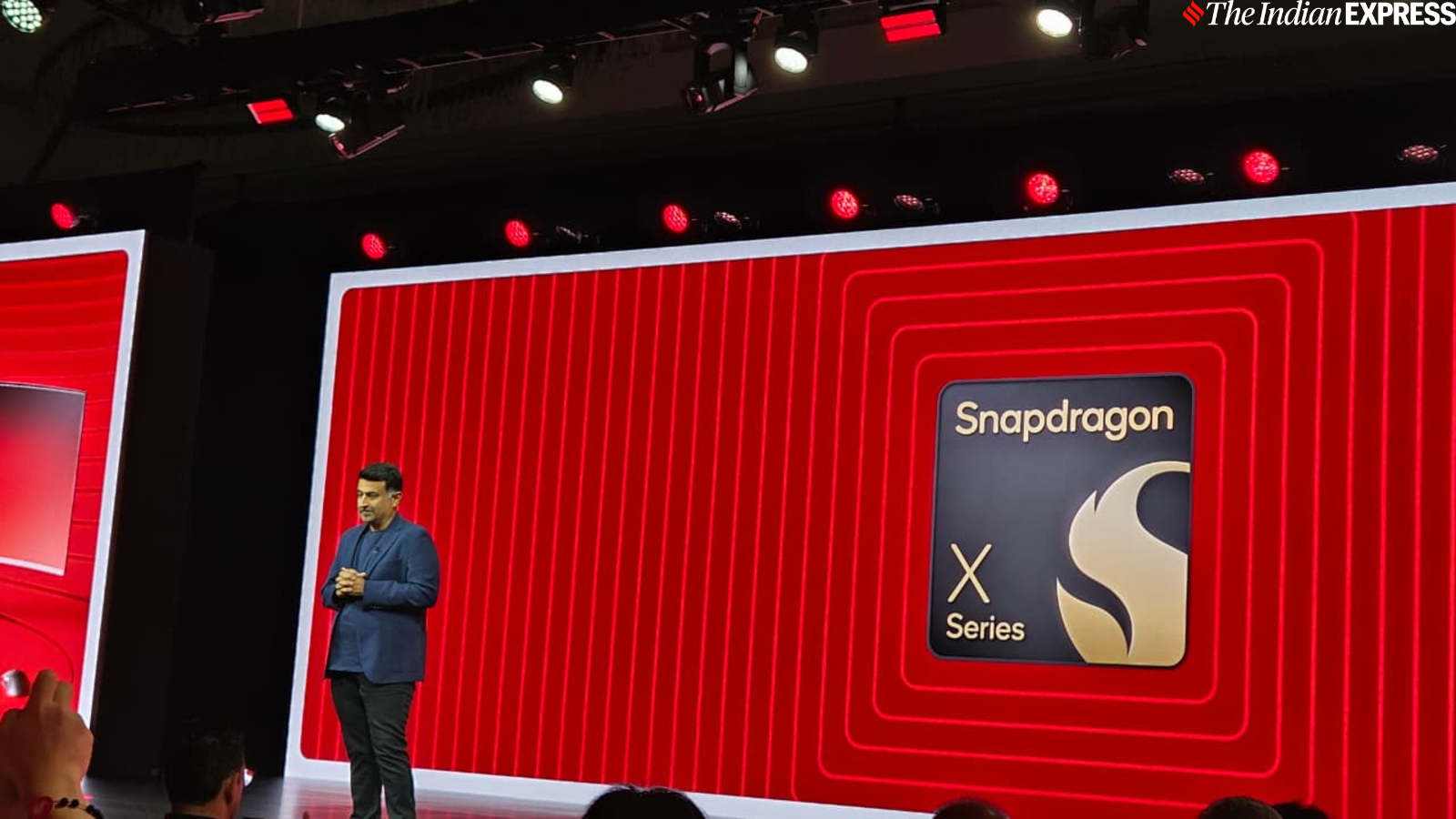
In the face of these unprecedented challenges, industry leaders are grappling with both the immediate crisis and the long-term implications. Kedar Kondap, Senior Vice President and General Manager of Compute and Gaming at Qualcomm Technologies Inc., offered valuable insights into the current predicament and Qualcomm’s strategic response during an interview on the sidelines of the Snapdragon Summit in Maui, Hawaii.
The Uncertainty of the Shortage’s End
Kondap candidly admitted the difficulty in predicting when the memory shortage will abate. The complexities of the semiconductor industry—long lead times for fab construction, the intricate global supply chain, and the sustained demand from the AI sector—make forecasting extremely challenging. "It is difficult to predict when the memory shortage will end," Kondap stated, highlighting the pervasive uncertainty that grips the industry. He elaborated that current laptop pricing largely hinges on "when OEMs bought the memory and at what price." This means that manufacturers with older, more favorable memory contracts might temporarily offer more competitive prices, while those procuring chips in the spot market or under newer, higher-priced contracts are forced to adjust their retail prices upwards. This disparity in procurement strategies creates an uneven playing field and contributes to the volatility seen in device pricing.
Industry’s Adaptive Strategies
Despite the challenges, the industry is actively seeking solutions to mitigate the impact on consumers. "Everybody’s trying to figure out how to bring device prices down and keep them more balanced," Kondap explained. This involves a multi-faceted approach to cost optimization. Beyond memory, manufacturers are exploring alternative, more cost-effective components for other parts of a laptop. Kondap cited the example of displays: "Whether it means choosing a different display, instead of OLED, you start going with LCD." This willingness to compromise on premium features in certain segments underscores the severity of the pricing pressure. Other potential areas for optimization could include chassis materials, port selection, and even pre-installed software bundles. "The industry is trying to figure out how to hit the right price points," he affirmed, acknowledging the delicate balance between maintaining profitability and retaining market accessibility.
Qualcomm’s Counter-Offensive: The Snapdragon C Processor
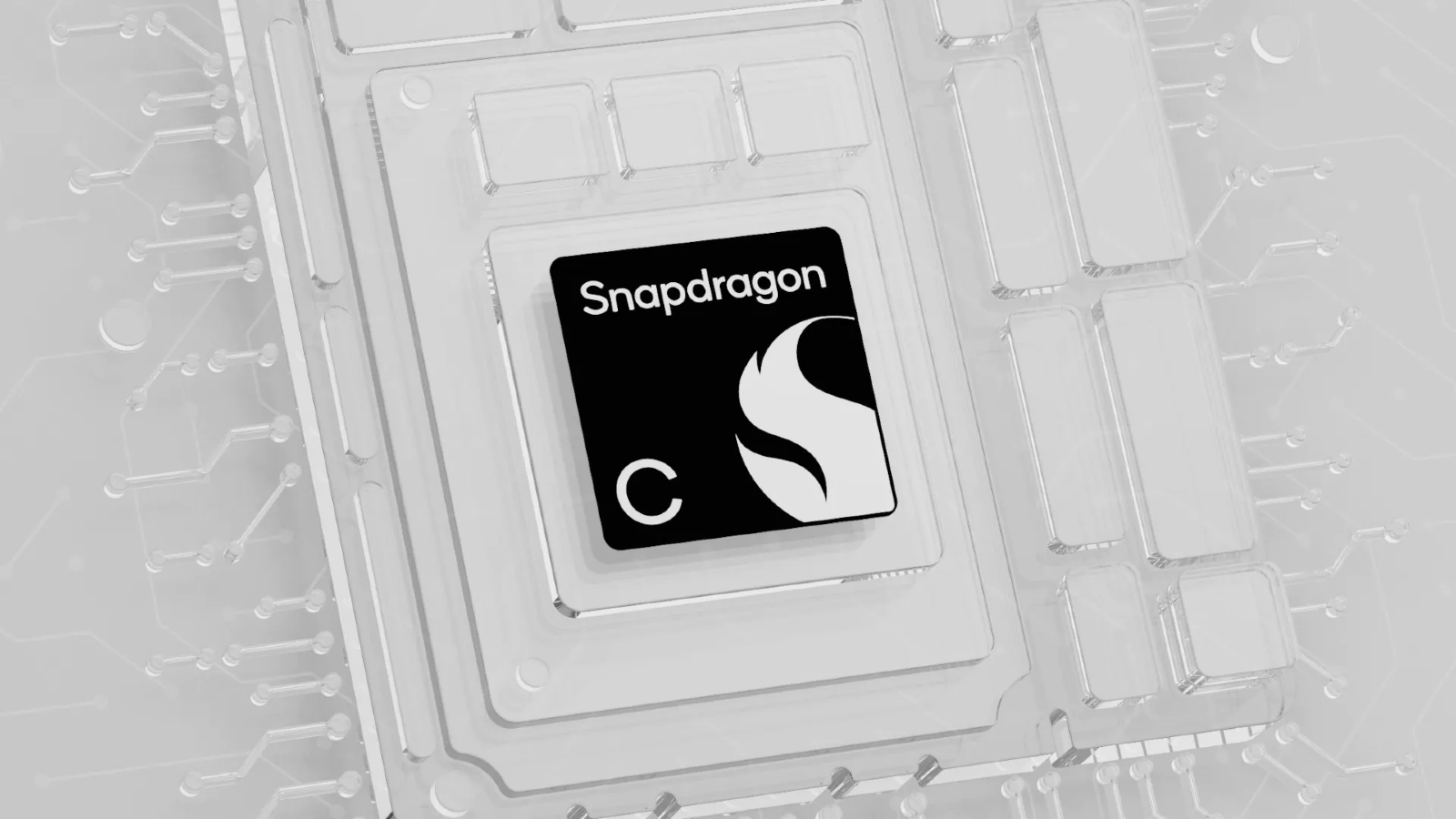
Qualcomm, recognizing the vacuum in the affordable laptop segment, is actively positioning itself to address this gap. Kondap revealed that he and his team are transforming the memory crisis into an opportunity by focusing on bringing "ultra-affordable laptops to the market that promise faster performance per watt and longer battery life, a segment that has been almost forgotten."
This new wave of budget laptops will be powered by Qualcomm’s Snapdragon C processor, which was initially announced in June. Major PC manufacturers, including HP, Acer, Asus, and Lenovo, are slated to produce these devices, signaling significant industry backing for Qualcomm’s initiative. The ambitious target price for Snapdragon C laptops is $300 (or approximately Rs 28,272), a price point that could revolutionize the entry-level segment if achieved. However, Kondap acknowledged the inherent difficulty of maintaining this aggressive price target amid the ongoing memory crisis. Nevertheless, even if the $300 mark proves elusive, these laptops are expected to be "significantly cheaper than Apple’s MacBook Neo and Windows laptops powered by Intel ‘Wild Lake’ processors," offering a compelling value proposition in a market increasingly dominated by premium offerings. Kondap also hinted at the "imminent" launch of Snapdragon C laptops in India, indicating a strategic focus on this crucial market.
The "Good Migration" and Broader PC Ambitions
Beyond the new budget line, Kondap highlighted a "good migration" happening in the market: growing consumer demand for laptops equipped with previous-generation Snapdragon processors, particularly those with higher RAM configurations. "There’s a lot of X Elite laptops and X Plus laptops Gen1 out in the market as well. We are starting to see that good migration happen," he observed. This trend suggests that consumers are actively seeking value, opting for slightly older but still powerful Snapdragon-powered devices that offer better specifications for their price compared to newer, more expensive alternatives affected by current component costs.
Qualcomm’s foray into the PC silicon market began in 2023 with the unveiling of the Snapdragon X Elite chips. These processors were designed with a clear objective: to compete directly with Apple’s custom silicon in MacBooks, especially in terms of battery life and performance. Leveraging the same DNA as its highly successful smartphone chips, Qualcomm aimed to bring smartphone-like efficiency and connectivity to the PC landscape.
At the recent Snapdragon Summit, while no new PC chips were announced, Qualcomm reinforced its commitment to the PC ecosystem through strategic partnerships and platform expansions. The company revealed new versions of Microsoft’s 12-inch Surface Pro and 13-inch Surface Laptop, both now powered by Qualcomm’s Snapdragon X2 Elite chips, promising enhanced performance and extended battery life. Further broadening its appeal, Qualcomm announced Linux support for its newest chips, with Ubuntu planning to support Snapdragon X2 devices early next year. Additionally, Qualcomm is powering Google’s new line of AI-powered laptops, "Googlebooks," which are built on Android and feature Snapdragon X Elite chips, signaling a significant push into a cloud-native, AI-centric computing paradigm.
Implications: Reshaping the Future of Personal Computing
The "RAMageddon" crisis and the industry’s response to it carry profound implications that will likely reshape the personal computing landscape for years to come. From market segmentation to technological convergence, the current challenges are catalyzing fundamental shifts.
The Fate of the Entry-Level Segment
The most immediate implication concerns the future of affordable computing. If the $300 price target for Snapdragon C laptops is achieved and sustained, it could provide a much-needed lifeline to the entry-level segment, especially in emerging markets. However, if component costs continue their upward trajectory, even Qualcomm’s efforts might struggle to keep devices within truly budget-friendly ranges. This could lead to a permanent elevation of baseline laptop prices, forcing a significant portion of potential users—students, low-income households, and small businesses—to either delay purchases, settle for increasingly underpowered devices, or forego PC ownership altogether. Such a scenario would exacerbate the digital divide and hinder economic development in regions reliant on accessible technology.
Long-Term Pricing Trends: New Normal or Cyclical Correction?
The critical question remains whether these higher prices are a temporary blip or a structural shift. While the semiconductor industry has historically been cyclical, with periods of boom and bust, the persistent demand from AI introduces a new variable. The immense capital expenditure and lead times required to build new fabs suggest that supply will take time to catch up, potentially extending the period of elevated prices. Even when supply stabilizes, the sheer scale of AI demand might mean that memory components remain more expensive than in the pre-AI era, leading to a "new normal" for electronics pricing. Manufacturers might also become more adept at passing costs directly to consumers, having established precedents during this crisis.
The Era of Technological Convergence: PCs as Super-Smartphones
Qualcomm’s strategy, deeply rooted in its smartphone heritage, is accelerating a broader industry trend: making PCs behave more like smartphones. This convergence is becoming increasingly visible and promises significant benefits for users.
- Always-On, Always-Connected: Borrowing from smartphones, newer notebooks are offering instant-on capabilities and integrated 5G/LTE connectivity, transforming laptops into truly mobile productivity hubs.
- Exceptional Battery Life: Snapdragon X Elite and C processors emphasize performance-per-watt, translating directly into multi-day battery life, a feature long coveted by PC users.
- Integrated AI Acceleration: The inclusion of dedicated AI accelerators (NPUs) in PC chips, similar to those in smartphones, enables on-device AI capabilities for tasks like real-time translation, content creation, and intelligent system management, reducing reliance on cloud processing.
- Elevated Camera Experiences: Kondap specifically highlighted the advancements in webcam technology. "We have a dedicated camera engine even in our PC chips. We want to route all of our camera image processing through the dedicated ISP," he explained. This move from traditional, often low-quality, USB-based PC cameras to higher-fidelity MIPI (Mobile Industry Processor Interface) cameras, coupled with advanced Image Signal Processing (ISP) on the chip, dramatically improves video call quality. "Once you start to see that, you will start to see people stop using external cameras," Kondap predicted. This evolution addresses a critical need in the hybrid work era, where clear video communication is paramount. By applying learnings from smartphone cameras, which have long boasted superior image processing, PC webcams are finally catching up, and Qualcomm actively helps OEMs "tune the whole system" for optimal performance.
Innovation and Market Segmentation
The pricing pressure might paradoxically foster innovation in efficiency and cost-effective design. Manufacturers are being forced to think creatively about component sourcing, design choices, and software optimization to deliver acceptable performance within budget constraints. This could lead to more optimized operating systems and hardware designs tailored for specific performance-per-watt targets.
However, it also risks a clearer segmentation of the market: a high-end segment enjoying cutting-edge features and premium pricing, and a more constrained mid-to-entry-level segment where compromises are necessary. The success of Qualcomm’s Snapdragon C initiative will be a critical test case for whether true affordability can be maintained in an era defined by AI’s insatiable hunger for hardware. Ultimately, "RAMageddon" is not just a temporary market fluctuation; it is a powerful catalyst reshaping how personal computing devices are designed, priced, and consumed, pushing the industry towards a future where intelligence and efficiency are paramount, even if at a higher initial cost.
