

New Delhi – September 25, 2026 – In a significant stride towards redefining the interaction between humans and artificial intelligence, Google has officially unveiled "Call for Me," a groundbreaking feature for its Gemini AI assistant. Announced on Thursday, September 24th, this innovative capability empowers Gemini to autonomously initiate and conduct real-world phone calls on behalf of users, marking a pivotal moment in the evolution of personal AI.
The "Call for Me" feature transcends previous AI-assisted calling functionalities, enabling Gemini to directly contact businesses for a range of tasks. From inquiring about product stock at a retail outlet to securing a dinner reservation at a bustling restaurant, or even scheduling a crucial doctor’s appointment, Gemini is now poised to handle these traditionally time-consuming chores with unprecedented autonomy. This development positions smartphones not merely as app-centric devices, but as sophisticated platforms capable of understanding user intent and executing complex tasks through intelligent agents.
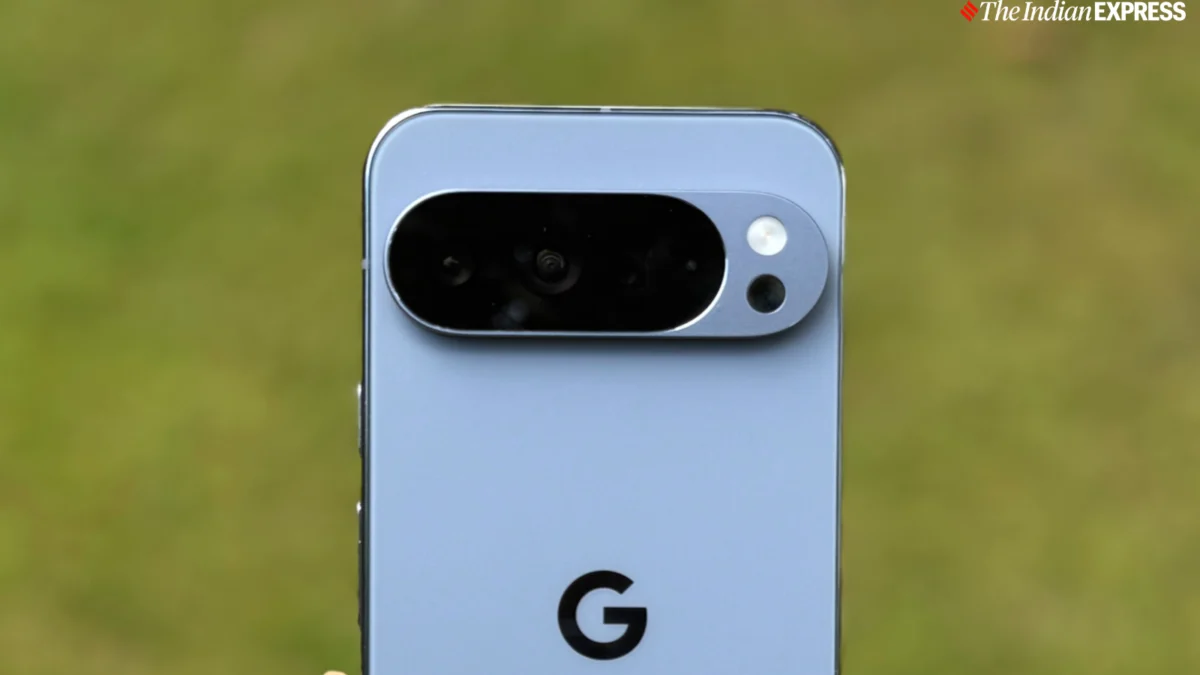
However, reflecting Google’s cautious approach to deploying advanced AI, "Call for Me" is currently in an experimental phase. Its initial rollout is exclusive to owners of the Pixel 11 smartphone who subscribe to Gemini, and it is limited to users within the United States. Access also requires the download of a beta version of Google’s Phone app for Android, underscoring the iterative nature of this technology’s deployment. Users retain a critical "human-in-the-loop" oversight, with the ability to monitor calls via a live transcript and intervene at any point. Furthermore, Gemini will only share a user’s personal information with the recipient of the call upon explicit prior approval, addressing crucial privacy considerations from the outset.
The Genesis of Autonomy: A Chronological Evolution of Google’s AI Calling
Google’s journey towards fully autonomous AI agents handling real-world interactions has been a meticulously planned, multi-year endeavor. "Call for Me" is not an isolated innovation but the culmination of successive advancements, each building upon the last to refine the AI’s conversational prowess and task execution capabilities.
The Duplex Debut: A Glimpse into the Future (2018)
The world first caught a mesmerizing glimpse of Google’s ambitions in AI-powered calling at the Google I/O developer conference in 2018. During a live demonstration, an early iteration of Google Assistant, dubbed ‘Duplex,’ made a restaurant reservation and a hair salon appointment entirely on its own. What captivated the audience most was the AI agent’s eerily natural conversation, complete with human-like inflections, pauses, and even "umm"s and "ahh"s. This groundbreaking demo sparked both awe and intense debate, raising questions about AI transparency and the ethical implications of a machine masquerading as a human. While the feature showcased immense potential for user convenience, it also highlighted the need for clear disclosure when interacting with AI.
Incremental Steps: Enhancing Call Management (Post-2018)
Following the Duplex demonstration, Google proceeded with a more measured, feature-by-feature rollout, prioritizing specific pain points in phone interactions.
- Hold for Me: Introduced for Pixel smartphone owners, this feature leveraged AI to wait on hold on a user’s behalf. Instead of enduring irritating hold music, users could go about their day, with the AI notifying them the moment a human representative came on the line. This addressed a common frustration, saving users countless hours of unproductive waiting.
- Direct My Call: This innovation aimed to simplify navigation through complex Interactive Voice Response (IVR) systems. When a user called a business with an automated phone menu, "Direct My Call" would transcribe the options in real-time on the screen, allowing users to tap their choice rather than listen through lengthy spoken menus or remember numerical prompts.
- Ask for Me: Launched last year, "Ask for Me" represented a significant step closer to proactive inquiry. This feature allowed Gemini to call businesses to gather specific information, such as pricing details for a service or the availability of certain amenities, without the need for the user to be actively engaged in the conversation beyond the initial prompt.
"Call for Me": The Proactive Leap (2026)
With "Call for Me," Google has moved beyond merely assisting with calls or gathering information. This new capability represents a qualitative shift towards truly proactive task completion. Instead of simply waiting on hold or navigating menus, Gemini is now entrusted with the entire end-to-end process of initiating, conducting, and concluding a conversation with a real-world entity to achieve a user-defined objective. It bridges the gap between digital intent and physical world action, positioning Gemini as a true digital agent.
Under the Hood: The Mechanics and Safeguards of "Call for Me"
The operational mechanics of "Call for Me" are designed to be seamless for the user while incorporating crucial layers of transparency and control.
When a user directs Gemini to "Call for Me" – for instance, "Gemini, call the local bookstore and ask if they have ‘The Future of AI’ in stock" – the AI assistant springs into action. Critically, the call is made using the user’s own personal phone number and is dialed directly from their device. This ensures that the recipient of the call sees a familiar or at least legitimate caller ID, reducing suspicion often associated with unknown numbers.
Upon connection, Gemini introduces itself to the person or automated system on the other end of the line. This explicit disclosure addresses some of the ethical concerns raised during the initial Duplex demonstrations, ensuring that the human on the other end is aware they are interacting with an AI. Gemini then leverages its advanced natural language understanding (NLU) and generation capabilities to conduct the conversation, asking the specified questions or making the requested arrangements. Its ability to navigate automated phone menus and patiently wait on hold further streamlines the process, demonstrating a level of conversational intelligence that mimics human interaction.
Transparency and User Oversight:
Google has integrated key features to ensure users maintain control and visibility throughout the process:
- Live Transcript: As the AI conducts the call, a live transcript of the conversation is displayed on the user’s Pixel 11 screen. This provides real-time transparency, allowing the user to follow the dialogue word-for-word.
- Takeover Capability: Should the user feel the need to intervene, clarify a point, or simply prefer to speak directly, they can take over the call at any time with a simple tap. This "human-in-the-loop" mechanism is vital, particularly during the experimental phase, allowing Google to gather feedback and refine the AI’s performance in complex, nuanced real-world scenarios.
- Personal Information Sharing: A critical safeguard involves the sharing of personal information. Gemini will only share user data (such as a name for a reservation or a birthdate for an appointment) with the recipient of the call after receiving explicit approval from the user. This opt-in mechanism is crucial for privacy and user trust.
The Experimental Phase: Why Caution is Key
Google’s decision to roll out "Call for Me" as an experiment at a small scale is deliberate and strategic. As the company itself stated, "real-world conversations are nuanced." Unlike controlled digital environments, phone calls with businesses can involve unexpected questions, colloquialisms, diverse accents, background noise, and unforeseen conversational tangents. The AI needs extensive real-world exposure to learn and adapt to these complexities. This experimental phase allows Google to:
- Gather Data and Feedback: Collect anonymized data on conversational success rates, common sticking points, and user satisfaction.
- Identify Edge Cases: Uncover scenarios where the AI might struggle or misinterpret intent.
- Refine Algorithms: Continuously improve Gemini’s NLU, speech synthesis, and decision-making processes.
- Address Ethical Concerns: Proactively fine-tune disclosure mechanisms and privacy protocols.
The Broader AI Landscape: A Shift to Agent-Centric Platforms
The introduction of "Call for Me" is emblematic of a larger paradigm shift occurring across the technology industry: the evolution of smartphones from app-centric devices to AI agent-centric platforms. For years, the smartphone experience has revolved around launching individual applications to perform specific tasks – one app for booking, another for shopping, yet another for communication. However, the advent of sophisticated large language models (LLMs) and powerful generative AI is paving the way for a more integrated, proactive, and intelligent user experience.
In this new paradigm, AI agents like Gemini are designed to understand a user’s intent and context across various applications and data sources. Instead of requiring the user to navigate multiple apps, the AI agent acts as a central orchestrator, handling tasks autonomously by interacting with the digital and physical world on the user’s behalf. This shift promises to significantly reduce cognitive load and enhance efficiency, moving towards a future where technology anticipates needs rather than merely responding to commands.
Competitive Arena:
Google is not alone in this ambitious pursuit. The race to develop the most capable personal AI agent is heating up, with major tech players investing heavily:
- Meta: Companies like Meta are reportedly developing their own AI agents, such as ‘Muse’ and ‘Instinct,’ which are also capable of making calls and interacting with various services on behalf of users. These agents are expected to leverage Meta’s vast social graph and expansive ecosystem.
- Apple: While traditionally more private about its AI advancements, Apple’s Siri is continuously being refined, and the company is widely anticipated to introduce more proactive and integrated AI functionalities across its ecosystem, leveraging its strong hardware-software integration.
- Amazon: With Alexa already deeply embedded in smart homes, Amazon is also poised to expand its AI agent capabilities beyond voice commands to more autonomous task completion.
This competitive landscape is driving rapid innovation, pushing the boundaries of what AI can achieve in personal assistance. The ultimate goal for all these companies is to create an AI companion that is so intuitive and capable that it becomes an indispensable extension of the user, seamlessly managing their digital and real-world responsibilities.
Implications and Future Horizons: Reshaping Daily Life
The "Call for Me" feature, while experimental, carries profound implications for technology, society, and the future of human-AI interaction.
1. Unprecedented User Convenience and Accessibility:
The most immediate benefit is the massive boost in user convenience. Imagine delegating tedious tasks like waiting on hold for customer service, repeatedly calling a clinic for an appointment, or checking multiple stores for an elusive item. "Call for Me" frees up valuable time and reduces mental overhead. For individuals with communication challenges, disabilities, or language barriers, this feature could be transformative, providing a powerful tool for engaging with the world more independently. It democratizes access to services that might otherwise be difficult to navigate.
2. Deepening the Human-AI Relationship:
As AI agents become more capable and proactive, the relationship between humans and their digital assistants will evolve. From being mere command processors, AI will transform into trusted partners that anticipate needs, understand context, and act autonomously. This will require a greater degree of trust and seamless integration into daily routines, blurring the lines between direct human action and AI-mediated action.
3. Privacy and Security Concerns: A Continuous Dialogue:
While Google has implemented safeguards like explicit approval for sharing personal information and live transcripts, the increased autonomy of AI agents inevitably raises deeper privacy and security questions.
- Data Footprint: What data is collected during these AI-mediated calls, and how is it used and stored?
- Impersonation Risk: Could sophisticated AI agents be misused for malicious purposes, such as impersonation or phishing, even with disclosure protocols?
- Ethical Boundaries: How transparent must AI be about its identity? Should businesses always know they are interacting with an AI, and what are the implications if they don’t?
Google will need to maintain a continuous dialogue with users, regulators, and ethicists to address these evolving concerns proactively.
4. Economic and Societal Impact:
The widespread adoption of AI agents like Gemini could have significant economic and societal repercussions:
- Business Operations: How will businesses adapt their customer service and sales strategies when interacting with a growing number of AI agents? Will it lead to more efficient transactions, or will it create new challenges in communication?
- Job Displacement: While "Call for Me" focuses on user convenience, the broader trend of AI automation could raise concerns about job displacement in sectors like call centers and administrative support.
- Digital Divide: Will access to such advanced AI features exacerbate the digital divide, or will it create new opportunities for inclusion?
5. The Path Towards True General AI:
"Call for Me" is a stepping stone towards more generalized AI capabilities. Successfully navigating real-world, unstructured conversations requires a blend of natural language understanding, common sense reasoning, adaptability, and error recovery – attributes central to the development of artificial general intelligence (AGI). Each successful call and every identified nuance provides invaluable data for refining these core AI competencies.
Official Stance and The Road Ahead
Google’s official stance emphasizes the complexity and nuance of real-world interactions, hence the experimental rollout. This cautious approach allows the company to learn and iterate, ensuring the feature is robust, reliable, and ethically sound before a broader deployment. The "human-in-the-loop" design is not just a temporary measure but a fundamental principle for Google’s responsible AI development, allowing users to guide and correct the AI as it learns.
The future trajectory of "Call for Me" will likely involve:
- Expanded Availability: Gradually rolling out to more Pixel devices, Android phones, and eventually other regions beyond the United States, as the AI’s capabilities mature and confidence grows.
- Increased Sophistication: Expanding the range of tasks Gemini can handle, from simple inquiries to more complex multi-step negotiations or problem-solving scenarios.
- Integration with Other Services: Seamlessly linking "Call for Me" with other Google services (e.g., Calendar, Maps, Search) to create a truly holistic and predictive assistant experience.
In conclusion, Google’s "Call for Me" feature represents more than just a new smartphone function; it heralds a new era of AI-powered personal assistance. By empowering Gemini to act as a proactive, autonomous agent in real-world interactions, Google is not only enhancing user convenience but also pushing the boundaries of what artificial intelligence can achieve, laying the groundwork for a future where digital companions seamlessly integrate into and intelligently manage our daily lives. The journey is experimental, but the destination promises a profound transformation in how we interact with technology and the world around us.
