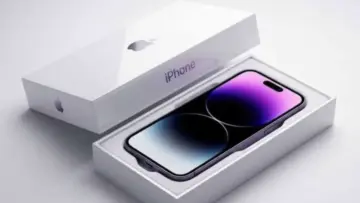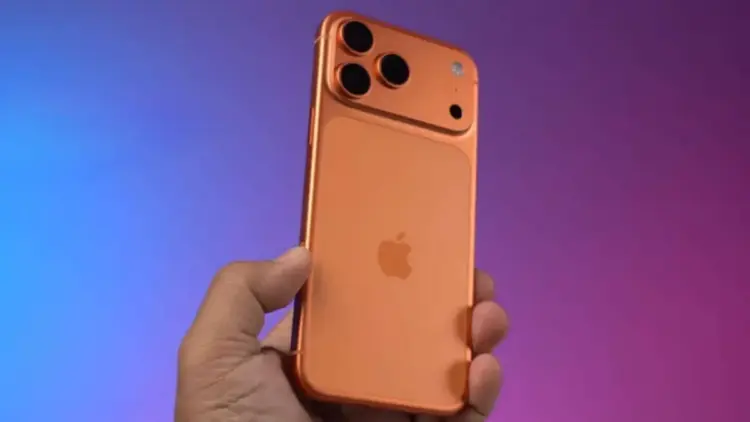
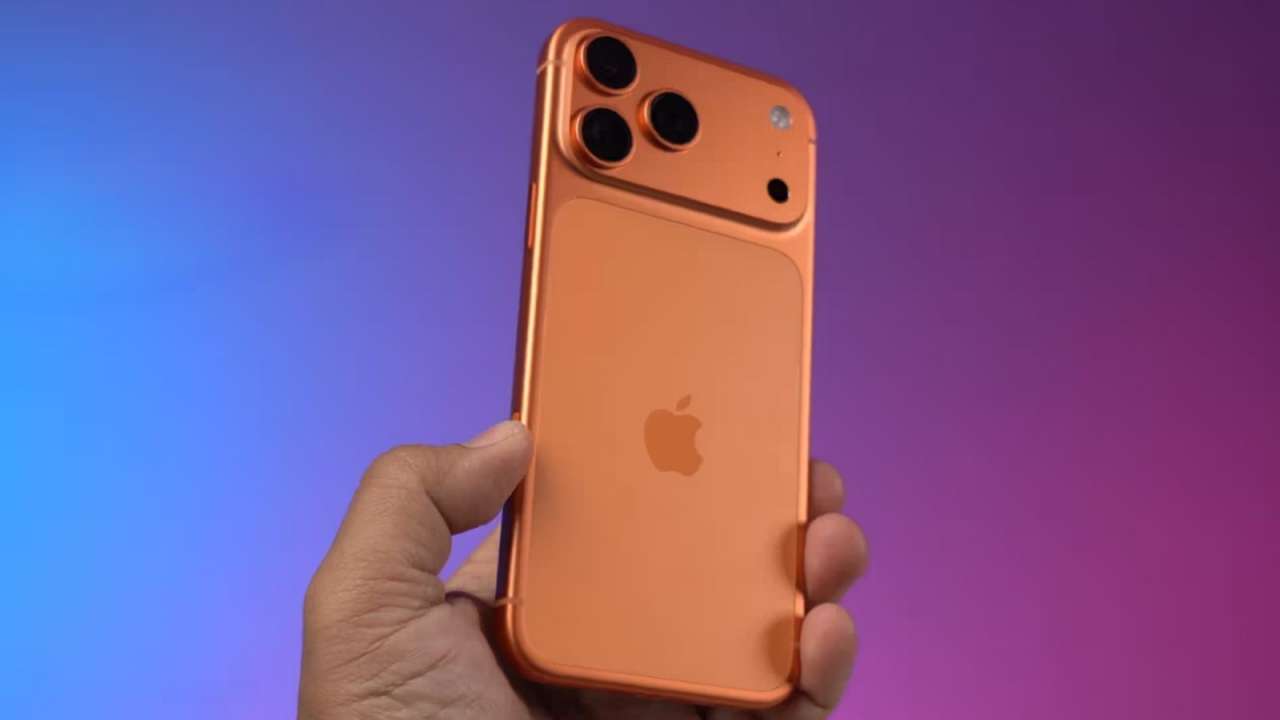
NEW DELHI, [Date: October 8, 2026, consistent with image date] – The launch of Apple’s latest flagship, the iPhone 17 Pro, with its formidable base price of Rs 1,34,900, often places it beyond the immediate reach of many aspiring Indian consumers. However, an intricate web of strategic festive sales, meticulously crafted by major retailers and financial institutions, is now allowing buyers to acquire this premium device for an astonishingly low effective price, potentially ranging from Rs 57,000 to Rs 70,000. This significant reduction is not merely a straightforward discount but the culmination of a sophisticated multi-layered offering, leveraging exchange programs, lucrative exchange bonuses, and attractive bank promotions.
The phenomenon underscores a profound shift in India’s burgeoning premium smartphone market, where aspirational purchases are increasingly facilitated by innovative retail strategies. As the festive season approaches, consumers are poised to engage with these complex yet rewarding schemes, turning what was once an exclusive luxury into an attainable aspiration. The final cost, however, remains highly contingent on individual factors such as the condition and model of the smartphone being traded in, alongside the specific retailer and bank offers chosen by the buyer. This detailed analysis delves into the mechanics of these unprecedented discounts, offering a comprehensive guide to navigating the festive frenzy for the iPhone 17 Pro.
The Evolution of Premium Smartphone Discounts in India: A Chronological Perspective
The journey of premium smartphone accessibility in India has been a dynamic one, evolving from an era of minimal discounts to today’s highly sophisticated, multi-layered offerings. Understanding this chronology provides context to the current aggressive pricing strategies for devices like the iPhone 17 Pro.
Early Days: The Dawn of Digital Devices (Pre-2010s)
In the nascent stages of India’s smartphone revolution, premium devices, often imported, commanded exorbitant prices with little to no promotional relief. Ownership was a clear status symbol, limited to an elite few. Discounts were rare, typically restricted to minor cashbacks or bundled accessories, and largely absent for flagship models. The market was driven by novelty and exclusivity rather than aggressive pricing.
The E-commerce Revolution and Festive Sales (2010s)
The landscape began to transform with the advent and rapid expansion of e-commerce platforms like Flipkart and Amazon in the early 2010s. These platforms introduced large-scale, pan-India sales events such as "Big Billion Days" and "Great Indian Festival." Initially, the focus was on driving volumes in the mid-range segment. As smartphone penetration deepened, premium devices gradually entered the promotional fray, albeit with more conservative discounts. This period saw the rudimentary introduction of exchange offers and basic bank discounts, laying the groundwork for more complex schemes.
Offline Retailers Join the Fray (Mid-2010s)
Recognizing the growing online threat, established offline retail chains such as Reliance Digital and Croma began to strategically adapt. Leveraging their physical presence, extensive networks, and direct partnerships with brands, they started offering competitive deals. This era marked the beginning of a true omnichannel approach, where consumers could compare and avail offers both online and offline. The scale of these retailers allowed for bulk purchasing and, consequently, better negotiation power with manufacturers to facilitate deeper discounts, often supported by brand subventions.
The Apple Phenomenon and Structured Programs (Late 2010s – Present)
Apple’s increasing focus on the Indian market, coupled with its aspiration to expand its user base, proved to be a pivotal factor. While Apple itself maintains a premium pricing strategy globally, its local market partners and retailers began to innovate with structured exchange programs. These programs became more sophisticated, offering specific values for older iPhones and even select high-end Android devices. Manufacturer-backed exchange bonuses became a common feature, designed to incentivize upgrades to the latest iPhone models. The high import duties in India made "effective pricing" through these layered discounts a critical strategy for Apple to remain competitive against other premium brands.
The Maturity of Discount Ecosystem (2020s and Beyond)
By the mid-2020s, leading up to the iPhone 17 Pro’s availability, the discount ecosystem had reached a remarkable level of maturity. Retailers, banks, and manufacturers collaborate to craft multi-tiered offers that, when stacked, result in previously unimaginable price reductions for flagship devices. The focus shifted from simple price cuts to creating a perception of exceptional value through a combination of trade-ins, bonuses, and financial incentives. This intricate ballet of offers during key festive periods, like Diwali and other national celebrations, has become a cornerstone of the premium smartphone market in India, making devices like the iPhone 17 Pro attainable for a much wider demographic.
Supporting Data: Deconstructing the Savings Mechanism for the iPhone 17 Pro
The journey from a Rs 1,34,900 price tag to an effective cost of Rs 57,000 to Rs 70,000 for the iPhone 17 Pro is meticulously orchestrated through a combination of three primary discount avenues. Understanding each component is crucial for consumers looking to maximize their savings.

The Cornerstone: Smartphone Exchange Value (Up to Rs 55,000)
The most significant portion of the discount stems from trading in an old smartphone. This is not a flat rate but a highly variable component influenced by several critical factors:
Factors Influencing Exchange Value:
- Brand and Model: Newer generation iPhones (e.g., iPhone 14 Pro, iPhone 15) and flagship Android devices (e.g., Samsung Galaxy S2X Ultra, Google Pixel series) generally fetch the highest values. Older or mid-range devices will naturally yield less.
- Age of Device: Newer models, typically within a 1-2 year release window, retain better value.
- Storage Capacity: Higher storage variants often command a slightly better exchange price.
- Physical Condition: This is paramount. A device with a pristine screen, minimal scratches, no dents, and fully functional components (buttons, camera, speakers) will qualify for the maximum quoted value. Any damage, even minor, can lead to a significant reduction.
- Functional Integrity: The phone must be in perfect working order, including battery health (often a key assessment point), camera functionality, network connectivity, and software performance.
- Original Accessories: While not always mandatory, having the original box, charger, and accessories can sometimes positively influence the assessment, particularly for premium devices.
The Assessment Process:
Retailers typically employ two methods for assessment:
- Online Estimation: Most e-commerce platforms and retail websites offer an initial estimate based on the model, age, and declared condition. This is a preliminary figure.
- Physical Verification: The final value is determined after a thorough physical inspection by a technician, either at the time of delivery (for online purchases) or in-store. It is crucial for consumers to accurately self-assess their device’s condition to avoid last-minute disappointments.
Illustrative Examples of Exchange Values:
- iPhone 15 Pro (128GB, good condition): Could fetch between Rs 48,000 – Rs 55,000.
- iPhone 14 Pro (128GB, good condition): Likely to be valued around Rs 44,500 – Rs 50,000.
- Samsung Galaxy S2X Ultra (Flagship Android, good condition): May range from Rs 35,000 – Rs 45,000.
- Older Premium Phones (e.g., iPhone 13, OnePlus 10 Pro): Values would typically be lower, perhaps Rs 25,000 – Rs 35,000.
The Booster: Additional Exchange Bonus (Rs 10,000 – Rs 12,000)
Beyond the inherent value of the traded phone, retailers and manufacturers often sweeten the deal with an "exchange bonus." This is a crucial component in reaching the lowest effective price points.

Purpose and Conditions:
- Incentivizing Upgrades: These bonuses are designed to accelerate the upgrade cycle, encouraging consumers to move to the latest flagship.
- Limited-Time Offers: Exchange bonuses are typically time-bound, coinciding with major festive sales, creating a sense of urgency.
- Specific Model Eligibility: Often, the bonus is applicable only when exchanging certain premium or flagship models, further incentivizing upgrades within the high-end segment.
- Retailer Specificity: While many retailers offer similar bonuses, the exact amount and conditions can vary.
Impact on Final Price:
An additional Rs 10,000 to Rs 12,000 bonus, when combined with a high exchange value, significantly slashes the net payable amount, making the iPhone 17 Pro remarkably more affordable. This bonus often bridges the gap between a ‘good deal’ and an ‘unbeatable deal.’
The Edge: Bank Offers and No-Cost EMI (Rs 3,000 – Rs 4,000)
The final layer of savings comes from financial incentives provided by banks, often in partnership with retailers and brands.
Types of Bank Offers:
- Instant Discounts: The most common form, where a fixed amount is immediately deducted from the transaction total upon using an eligible bank card.
- Cashback: A specified amount is credited back to the customer’s card account at a later date (usually within 90 days of purchase).
- Eligibility: These offers are typically tied to specific banks (e.g., HDFC Bank, ICICI Bank, SBI, Axis Bank are frequent partners), card types (credit cards, sometimes select debit cards), and require a minimum transaction value.
- No-Cost EMI (Equated Monthly Installment): This option allows consumers to pay for the device over several months without incurring any interest charges. The interest component is effectively absorbed by the retailer or manufacturer, easing the financial burden of a large one-time payment. This is particularly attractive for high-value purchases like the iPhone 17 Pro.
Strategic Use:
Savvy consumers often plan their purchases around these bank offers, sometimes even applying for new credit cards to avail maximum benefits. It’s imperative to verify the eligible cards and terms and conditions before making a payment.

The Retailer Landscape: Where to Hunt for the Best Deals
The synergy between these discount components is often best realized through specific retailers who strategically bundle these offers.
- Reliance Digital: Frequently cited for offering some of the most aggressive combined deals. Their strong market presence, direct brand partnerships, and extensive physical store network allow them to provide high exchange values, competitive bonuses, and robust bank tie-ups.
- Croma: Another major player in the electronics retail space, Croma consistently runs similar stacked offers during festive sales. Their focus on customer experience and competitive pricing makes them a strong contender for iPhone deals.
- Flipkart: As a leading e-commerce giant, Flipkart’s "Big Billion Days" sale is a prime event for iPhone deals. They excel in online convenience, wide reach, and often provide substantial exchange and bank discounts, particularly for their online customer base.
The Dynamic Nature of Offers:
It is crucial to remember that prices and offers are highly dynamic and can change rapidly. Consumers are strongly advised to compare prices and detailed offer breakdowns across Reliance Digital, Croma, and Flipkart in real-time before finalizing a purchase. The ultimate amount paid is uniquely determined by the specific model and condition of the old phone being exchanged.
Official Responses and Industry Insights
While Apple maintains a consistent global pricing strategy for its devices, the aggressive discounting seen in India during festive sales is a complex interplay of retailer ambition, bank partnerships, and market dynamics. Official responses often come from the retailers, with industry analysts providing a broader perspective on the strategic implications.

Retailer Perspective: Making Luxury Accessible
Leading electronics retailers in India frame these extensive discount campaigns as a direct response to consumer aspirations and market demand. They emphasize making premium technology more accessible to a wider demographic.
A spokesperson from a prominent electronics retail chain, speaking on condition of anonymity due to competitive sensitivities, stated, "Our festive sales are meticulously designed to democratize access to cutting-edge technology. For a device as coveted as the iPhone 17 Pro, we work closely with brands and financial partners to engineer value propositions that are truly compelling, making luxury attainable for the aspirational Indian consumer during peak shopping seasons."
Another executive from a large online retailer added, "These layered offers are not just about moving units; they are about fostering customer loyalty, driving traffic to our platforms, and creating an ecosystem where customers feel empowered to upgrade. The high exchange values and bonuses are a testament to our commitment to providing the best possible deals, especially for flagship devices that signify a premium lifestyle choice."

These statements underscore the retailers’ role as crucial intermediaries, leveraging their scale and strategic partnerships to bridge the gap between Apple’s premium positioning and the Indian consumer’s price sensitivity.
Analyst Commentary: A Battle for Market Share and Ecosystem Growth
Tech industry analysts view these aggressive pricing strategies for the iPhone 17 Pro as a multi-faceted approach to market penetration and ecosystem expansion.
"The intense competition within India’s premium smartphone segment is driving retailers and manufacturers to innovate with their pricing strategies," explains Mr. Rohan Agarwal, a leading tech market analyst. "An effective price of Rs 57,000 for a device initially priced at Rs 1,34,900 for the iPhone 17 Pro is a clear indicator of the battle for market share. It allows Apple, through its partners, to tap into the aspirational middle class who might otherwise defer such a purchase."

Ms. Priya Sharma, another industry expert specializing in consumer electronics, highlights the strategic benefit for Apple: "While Apple meticulously guards its premium brand image globally, these tactical discounts via retailer channels in India serve a critical purpose: expanding its ecosystem. Every new iPhone user is a potential customer for Apple’s services, accessories, and future upgrades. It’s a long-term investment in customer acquisition, cleverly masked as a festive offer."
Analysts also point to the economic benefits for retailers beyond just phone sales. "These offers are traffic generators," Agarwal notes. "They bring customers into stores or onto websites, increasing the likelihood of cross-selling accessories, extended warranties, and other electronics. It’s a win-win: consumers get a great deal, and retailers benefit from increased footfall and associated purchases."
Apple’s Indirect Stance: Leveraging Local Market Dynamics
Apple itself rarely comments on specific retailer discounts, maintaining its global premium brand narrative. However, the company implicitly benefits from these localized strategies. By allowing its retail partners to offer such aggressive "effective pricing," Apple can achieve higher sales volumes in a price-sensitive market like India without officially diluting its product’s perceived value. This approach is crucial in markets where import duties and local taxes significantly inflate base prices, making innovative discounting essential for competitive positioning.

Implications: Reshaping the Premium Smartphone Landscape
The availability of the iPhone 17 Pro at such a drastically reduced effective price carries significant implications for the Indian smartphone market, consumer behavior, and the broader retail ecosystem.
Market Democratization and Accelerated Premium Segment Growth
The most profound implication is the democratization of premium technology. By making a high-end device like the iPhone 17 Pro accessible to a wider demographic, these offers are accelerating the growth of India’s premium smartphone segment. Consumers who previously considered such devices aspirational but unattainable are now able to make the purchase, driving up the average selling price (ASP) of smartphones in the country. This trend encourages a broader shift towards higher-value products, signaling a maturing market.
Intensified Competition and Strategic Recalibration
The aggressive pricing for the iPhone 17 Pro exerts immense pressure on other premium Android brands such as Samsung, OnePlus, and Google Pixel. These competitors are compelled to recalibrate their own pricing strategies, potentially leading to a cascade of more competitive offers across the high-end segment. This fierce rivalry ultimately benefits the consumer, fostering an environment of innovation in both product and pricing. The battle for market share in the premium category is set to intensify, with retailers playing a crucial role in these competitive dynamics.

Consumer Empowerment and Evolving Purchasing Habits
Consumers are becoming increasingly discerning and strategic in their purchasing decisions. The expectation of significant festive discounts means many are willing to defer purchases, waiting for the opportune moment to leverage stacked offers. This trend empowers consumers by giving them greater control over the value they extract from their purchases. However, it also demands greater vigilance and research to navigate the complexities of multiple offers, exchange conditions, and retailer variations. The rise of deal-hunting communities and social media groups dedicated to uncovering the best offers further exemplifies this empowered consumer base.
Retailer Dynamics and Omnichannel Innovation
For retailers, these aggressive sales strategies necessitate robust operational capabilities. Managing complex exchange programs, ensuring seamless integration of bank offers, and coordinating with manufacturers requires sophisticated logistics and customer service. The importance of an omnichannel strategy, seamlessly blending online convenience with in-store expertise for exchange assessments and customer support, becomes paramount. Retailers are also compelled to innovate with loyalty programs, cross-selling opportunities, and supply chain management to maximize the benefits of increased footfall and online traffic during sales events.
Impact on the Secondary Market
The proliferation of lucrative trade-in programs could have a nuanced impact on the secondary smartphone market. While it provides a convenient and often better-value option for consumers to dispose of their old devices, it might also depress the resale value of older premium phones in the open market, as direct exchange offers become more attractive. This forces individuals selling older phones independently to compete with the structured value offered by retailers.

Economic Stimulus and Digital Economy Boost
Festive sales, particularly those involving high-value electronics, provide a significant boost to consumer spending and contribute substantially to the digital economy. The increased transaction volumes, facilitated by digital payment methods and e-commerce platforms, further integrate technology into daily commerce. This consumer confidence and spending during key economic cycles are vital for overall market health.
Brand Perception: A Balancing Act
For Apple, these "effective price" strategies represent a delicate balancing act. While the base price maintains the brand’s premium perception, the discounted effective price allows for broader market penetration without officially resorting to price cuts that could dilute brand equity. It’s perceived as a "smart purchase" – a premium product acquired through savvy deal-hunting – rather than a "cheap buy," thus preserving Apple’s aspirational status while expanding its user base.
Future Outlook: More Sophisticated Strategies
Looking ahead, the trend suggests even more sophisticated and integrated discount strategies. The convergence of AI-driven personalized offers, dynamic pricing based on real-time inventory, and enhanced digital-first exchange processes will likely define future festive sales. The partnership between technology brands, retailers, and financial institutions will continue to evolve, pushing the boundaries of what consumers can expect in terms of value and accessibility for premium devices.

Conclusion: Navigating the Festive Frenzy for Flagship Savings
The availability of the iPhone 17 Pro at an effective price of Rs 57,000 to Rs 70,000 during India’s festive sales represents a significant moment for consumers and the premium smartphone market. It unequivocally demonstrates that owning Apple’s latest flagship, despite its high initial price, is genuinely attainable through strategic planning and an understanding of the intricate discount mechanisms.
For the savvy consumer, the key lies in meticulous research and timely action. Maximizing savings on the iPhone 17 Pro demands a thorough assessment of one’s old smartphone for exchange, a keen eye on additional exchange bonuses, and the strategic utilization of eligible bank offers. Comparing prices and terms across major retailers like Reliance Digital, Croma, and Flipkart is paramount, as offers are dynamic and often retailer-specific.
Ultimately, the "best deal" is a personalized equation, heavily dependent on the model and condition of the device being traded in. By being informed, vigilant, and proactive, consumers can truly unlock the potential of these unprecedented festive savings, turning an aspirational purchase into a tangible reality and experiencing the cutting-edge technology of the iPhone 17 Pro at a fraction of its sticker price.