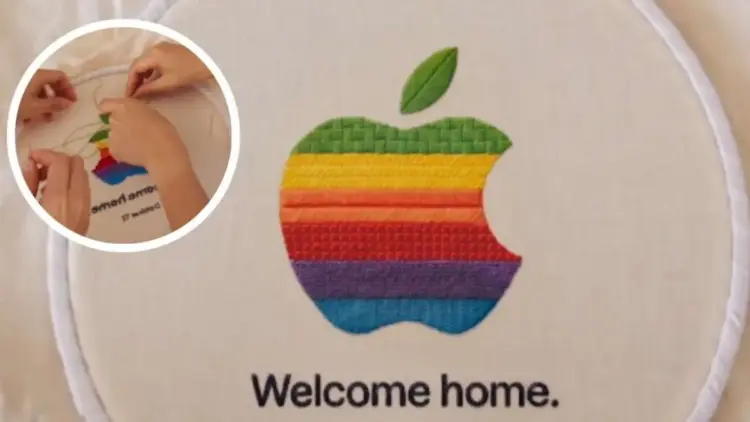
CUPERTINO, CA – October 9, 2026 – Apple Inc. is poised to make a significant statement in the burgeoning smart home market with its highly anticipated "Welcome Home" event, scheduled for October 13, 2026. Set to unfold in New York at 9 am ET (6:30 pm IST), this event is not merely another product launch; it’s being branded as an "Apple Experience," signaling a deeper dive into the integration of technology into daily living. Industry watchers and consumers alike are eagerly awaiting the unveiling of Apple’s first dedicated smart home hub, reportedly named "HomePad," alongside updated iterations of the popular HomePod mini and the versatile Apple TV 4K. This strategic move is expected to solidify Apple’s position in a fiercely competitive landscape, offering a cohesive and deeply integrated smart home solution.
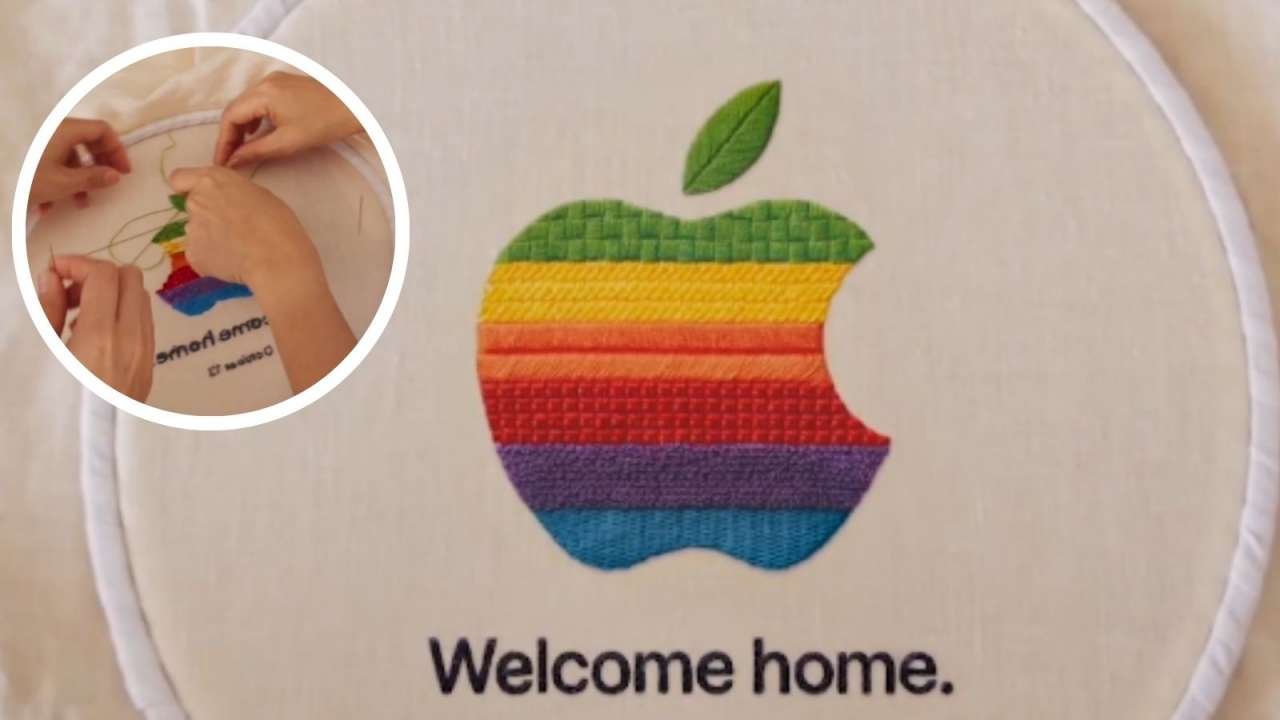
The excitement was palpable following a cryptic tease from Apple’s marketing chief, Greg Joswiak, who posted a retro Apple logo on X (formerly Twitter). This subtle yet potent hint was widely interpreted as a nod to the company’s renewed focus on the Thread smart home standard and a comprehensive suite of new home devices. For years, Apple has been building its HomeKit ecosystem, but the "Welcome Home" event appears to be the culmination of those efforts, introducing foundational hardware designed to anchor the Apple smart home experience.
Main Facts: The Core of Apple’s Smart Home Offensive
The "Welcome Home" event on October 13, 2026, is fundamentally about Apple’s renewed commitment to the smart home. Unlike traditional product keynotes, the "Apple Experience" branding suggests a more immersive presentation, possibly showcasing real-world applications and user scenarios for its new lineup.
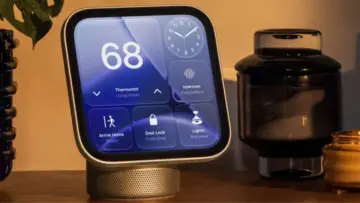
At the heart of the announcements is the rumored HomePad, a groundbreaking device envisioned as Apple’s primary home hub. Early reports suggest a substantial 6-inch display, a significant departure from previous HomePod devices that relied solely on voice interaction. This visual interface is expected to unlock a new dimension of smart home control and interaction. Furthermore, the HomePad is anticipated to come in two distinct form factors: a wall-mountable version for seamless integration into home aesthetics and a variant with a speaker base, designed for tabletop placement, combining visual utility with acoustic performance.
Running on a bespoke operating system, tentatively dubbed homeOS and reportedly based on the robust tvOS, the HomePad promises a familiar yet optimized user experience. It is expected to support a wide array of Apple applications, widgets for quick information access, a personal calendar, and intuitive smart home controls, all consolidated within a single, elegant interface. Crucially, the HomePad is rumored to incorporate a camera, opening doors for features like FaceTime calls directly from the device and displaying recipe videos during cooking. Advanced presence sensors, employing both voice and facial recognition, are also anticipated, allowing the HomePad to intelligently identify family members and personalize interactions. Pricing is projected to start around USD 350 in the United States, translating to approximately Rs 33,000 in India, positioning it as a premium offering in the smart display market.
Beyond the HomePad, Apple is also expected to refresh its existing smart home lineup. The HomePod mini is slated for an update, retaining its beloved compact design while receiving significant internal enhancements, including a faster processor, a new N1 networking chip, Wi-Fi 7, Bluetooth 6, and crucial Thread support. Siri’s AI capabilities are also expected to see improvements, making the HomePod mini a more intelligent and responsive assistant. Similarly, the Apple TV 4K is anticipated to receive a hardware boost with the N1 chip, an A19 or A19 Pro processor, and up to 12GB of RAM, alongside enhanced Siri AI functions, reinforcing its role as a central entertainment and smart home hub.

Complementing these core devices, reports hint at the potential teasing of new LG-related accessories, including an indoor camera, thermostat, and video doorbell, indicating Apple’s continued strategy of expanding the HomeKit ecosystem through strategic partnerships. These accessories are expected to hit the market a few months after the event. Furthermore, speculation suggests that Apple might host a separate event on October 27, potentially focusing on new Macs and an OLED iPad mini, highlighting a busy autumn product cycle for the tech giant.
Chronology: Apple’s Journey to the Connected Home
Apple’s foray into the smart home is not a sudden pivot but rather an evolution spanning several years, marked by both ambitious endeavors and cautious steps. The journey began in earnest with the introduction of HomeKit in 2014, a framework designed to allow users to control smart home accessories securely from their iOS devices. While HomeKit laid the software foundation, its adoption was initially slow, hampered by strict certification requirements and a limited ecosystem of compatible devices.

The hardware component arrived in 2017 with the original HomePod, Apple’s answer to Amazon’s Echo and Google’s Home speakers. Lauded for its exceptional audio quality, the first HomePod struggled to gain significant market share dueostly due to its premium price point and a Siri assistant that, at the time, lagged behind competitors in terms of breadth of functionality. Its primary role as a music speaker overshadowed its potential as a smart home hub.
Learning from this experience, Apple introduced the HomePod mini in 2020. This smaller, more affordable smart speaker quickly became a critical success, offering decent sound, a compact design, and a more accessible entry point into the HomeKit ecosystem. Its support for the U1 Ultra Wideband chip enabled features like Handoff, and it served as a Thread border router, quietly laying the groundwork for a more robust and interconnected smart home.

Meanwhile, the Apple TV has consistently served as a de facto HomeKit hub, capable of remotely controlling accessories and enabling automations. With each iteration, its processing power and software capabilities have grown, solidifying its role as a stable backbone for the Apple smart home.
The "Welcome Home" event in 2026 marks a pivotal moment, signaling Apple’s intent to move beyond individual smart speakers and frameworks to offer a truly integrated, screen-based central hub. This aligns with the broader industry trend towards more interactive smart home interfaces and the growing consumer expectation for seamless device interoperability. The shift from a "keynote" to an "Apple Experience" also reflects a maturation in Apple’s approach, indicating a desire to demonstrate the holistic benefits of its ecosystem rather than just listing specifications. Greg Joswiak’s retro logo tease, with its subtle nod to legacy Apple products and a renewed focus on "home," underscores this long-term vision finally coming to fruition.

Supporting Data: The Technical Underpinnings and Market Landscape
The anticipated products are not just iterative updates; they represent significant technological advancements designed to enhance user experience and solidify Apple’s position in the smart home.
The HomePad: A Visual Command Center
The rumored 6-inch display on the HomePad is a critical feature, addressing a long-standing gap in Apple’s smart home offering. Competitors like Amazon’s Echo Show and Google’s Nest Hub Max have successfully leveraged visual interfaces for years, providing at-a-glance information, video communication, and intuitive touch controls. A 6-inch screen on the HomePad would enable:

- Visual Widgets: Displaying weather, calendar appointments, news headlines, and live feeds from security cameras.
- Enhanced Communication: FaceTime calls, a feature that has become ubiquitous in the Apple ecosystem, would feel natural on a dedicated home device.
- Interactive Controls: Touch-based control of smart lights, thermostats, and other HomeKit accessories, offering a more direct alternative to voice commands.
- Media Consumption: The ability to display recipe videos, step-by-step DIY guides, or even short video clips, transforming the HomePad into a versatile household assistant.
The "homeOS" based on tvOS is an intelligent strategic choice. tvOS is a mature, secure, and robust operating system, optimized for larger displays and media consumption. Leveraging this foundation would allow Apple to rapidly develop a stable OS for the HomePad, offering a rich app ecosystem and familiar developer tools. The integration of advanced presence sensors with voice and facial recognition is also a powerful differentiator. This technology, likely building on Face ID and Voice ID advancements, could enable highly personalized experiences, automatically adjusting settings or displaying relevant information based on who is interacting with the device.
HomePod mini and Apple TV 4K: Ecosystem Reinforcement
The updates to the HomePod mini and Apple TV 4K are crucial for strengthening the overall Apple smart home ecosystem.

- N1 Networking Chip: This new chip is expected to significantly improve network performance and reliability, especially important for smart home devices that require consistent connectivity.
- Wi-Fi 7: The adoption of Wi-Fi 7 (802.11be) would bring substantial improvements in speed, lower latency, and increased capacity, crucial for handling multiple high-bandwidth smart home devices simultaneously, as well as high-resolution streaming on the Apple TV 4K.
- Bluetooth 6: An upgrade to Bluetooth 6 would offer enhanced range, efficiency, and potentially new features for connecting a wider array of low-power smart home accessories.
- Thread Support: The continued emphasis on Thread is paramount. Thread is a low-power, mesh networking protocol specifically designed for smart home devices, offering improved reliability and responsiveness compared to Wi-Fi or Bluetooth for certain applications. It is a key component of the broader Matter standard, an industry-wide effort to create a universal, interoperable smart home ecosystem. Apple’s commitment to Thread and Matter positions it as a leader in open smart home standards, potentially mitigating the "walled garden" criticism often leveled against its ecosystem.
- A19/A19 Pro Chip and 12GB RAM for Apple TV 4K: This level of processing power and memory suggests a significant leap in capabilities. It could enable more sophisticated gaming, advanced machine learning for enhanced Siri AI, and potentially support for new media formats or augmented reality applications within the living room. The Apple TV 4K already acts as a HomeKit hub; these upgrades would make it an even more powerful and future-proof centerpiece for the smart home.
Market Landscape and Competitive Analysis
The smart home market is projected to reach hundreds of billions of dollars globally in the coming years, with significant growth in smart speakers, displays, and connected security devices.
- Amazon and Google: These giants currently dominate the smart display and speaker segments. Amazon’s Echo Show devices offer a wide range of sizes and features, while Google’s Nest Hub Max integrates seamlessly with Google Assistant and YouTube. Apple’s HomePad will enter a mature market, but with its focus on privacy, design, and deep ecosystem integration, it aims to carve out a premium segment.
- Interoperability: The push towards Matter and Thread is a game-changer. By embracing these open standards, Apple signals a willingness to work with a broader range of third-party devices, potentially expanding HomeKit’s reach beyond its traditional confines. This is crucial for mass adoption, as consumers often own devices from multiple brands.
Official Responses: Apple’s Strategic Vision and Commitment
While Apple typically maintains a high degree of secrecy around unreleased products, its strategic moves and public statements over the years provide insight into its "official response" to the smart home market’s evolution.

Apple’s long-standing commitment to privacy and security is expected to be a cornerstone of the "Welcome Home" event. With cameras and presence sensors on the HomePad, Apple will likely emphasize on-device processing for sensitive data, end-to-end encryption for communication, and transparent controls for user data. This approach stands in contrast to some competitors who rely heavily on cloud processing, and it resonates deeply with a growing segment of consumers concerned about data privacy in their homes.
The branding of the event as an "Apple Experience" rather than a traditional "keynote" also offers a glimpse into Apple’s current marketing philosophy. It suggests a focus on storytelling, demonstrating how these new devices seamlessly integrate into daily life, solving real problems and enhancing convenience. This experiential approach aims to connect with consumers on an emotional level, showcasing the "magic" of a truly connected Apple home.

Furthermore, Apple’s investment in standards like Thread and Matter signifies a strategic shift. For years, HomeKit operated largely within Apple’s proprietary ecosystem. By actively participating in and promoting these open standards, Apple is acknowledging the need for greater interoperability in the smart home. This move not only benefits consumers by offering more choice but also positions Apple as a leader in shaping the future of the connected home, rather than just dictating its own terms. Industry analysts interpret this as Apple’s recognition that a fragmented smart home market hinders mass adoption, and that a more collaborative approach is necessary for the ecosystem to thrive.
The potential partnership with LG for accessories like an indoor camera, thermostat, and video doorbell further underscores Apple’s pragmatic approach. Instead of building every accessory itself, collaborating with established hardware manufacturers allows Apple to rapidly expand the HomeKit ecosystem with high-quality, specialized devices, leveraging the expertise of companies like LG while ensuring HomeKit compatibility. This collaborative model has been successful for Apple in other areas, such as health and fitness, and is now being extended to the smart home.

Implications: Reshaping the Smart Home Landscape
The "Welcome Home" event has profound implications for Apple, its competitors, and the broader smart home industry.
For Apple: Solidifying Ecosystem Lock-in and Market Share
The HomePad, HomePod mini, and Apple TV 4K updates, coupled with expanded HomeKit accessories, represent Apple’s most comprehensive smart home strategy to date.

- Enhanced Ecosystem Stickiness: A truly integrated, visually-driven smart home experience could significantly increase user loyalty and make it even more compelling for users to remain within the Apple ecosystem.
- New Revenue Streams: Beyond device sales, the HomePad could open avenues for new services, such as enhanced cloud storage for camera footage, subscription services for premium content, or even specialized home automation support.
- Addressing Competitive Gaps: The HomePad directly tackles the visual interface gap that Amazon and Google have long exploited, positioning Apple as a full-fledged competitor in the smart display market.
- Privacy as a Differentiator: In an era of increasing data concerns, Apple’s strong stance on privacy could become a key selling point, attracting users who are wary of competitor’s data collection practices.
For Competitors: Increased Pressure and Innovation
Amazon, Google, and Samsung will undoubtedly feel the pressure from Apple’s renewed smart home offensive.
- Innovation Push: Competitors may accelerate their own innovation cycles, focusing on improving their AI assistants, enhancing privacy features, and deepening ecosystem integrations to stay competitive.
- Matter Adoption: Apple’s strong backing of Matter will likely push other players to fully embrace the standard, leading to a more unified smart home experience across brands.
- Premium Segment Challenge: Apple’s entry into the premium smart display market with the HomePad will challenge competitors to justify their own premium offerings and differentiate more clearly.
For Consumers: A More Cohesive and Accessible Smart Home
Ultimately, the biggest beneficiaries of Apple’s "Welcome Home" event are consumers.

- Unified Experience: The promise of a truly integrated smart home, where devices from different manufacturers work seamlessly together through HomeKit and Matter, simplifies setup and usage.
- Choice and Interoperability: Apple’s embrace of open standards means consumers will have more choices for accessories that reliably work with their chosen ecosystem.
- Advanced Features: The HomePad’s camera, presence sensors, and advanced Siri AI promise a more intelligent, personalized, and proactive smart home experience.
- Privacy-Focused Options: For users prioritizing data privacy, Apple’s offerings will provide a compelling alternative in a market where such assurances are often lacking.
The "Welcome Home" event on October 13, 2026, is poised to be more than just a product showcase; it’s Apple’s definitive statement on the future of the smart home. By introducing a central visual hub, enhancing its existing smart devices, and championing open standards, Apple is signaling its intent to not just participate in, but to lead and redefine the connected living experience. The implications are vast, promising a more intelligent, integrated, and user-friendly smart home for millions worldwide.
Find your daily dose of All Latest News including Sports News, Entertainment News, Lifestyle News, explainers & more. Stay updated, Stay informed- Follow DNA on WhatsApp.