PERSONAL FINANCE
New Delhi, India – October 25, 2026 – India’s vibrant precious metals market continues its dynamic dance with global economic forces, local sentiment, and fluctuating currency valuations. As of October 25, 2026, both gold and silver have witnessed significant movements, reflecting a complex interplay of international trends, domestic demand surges ahead of the festive season, and persistent inflationary pressures. Investors and consumers alike are closely monitoring these shifts, as the inherent value of these metals often serves as a crucial barometer for economic stability and a traditional hedge against uncertainty.
The nation, a perennial leader in global gold consumption and a significant player in silver, finds its market uniquely positioned at the crossroads of ancient cultural reverence and modern financial strategy. From the bustling bazaars of Old Delhi to the sophisticated trading floors of Mumbai, the pulse of the precious metals market resonates deeply within the Indian economy, influencing everything from household savings to national trade balances. This detailed analysis breaks down the current prices, underlying factors, and broader implications for stakeholders across the country.
Current Market Snapshot: Gold and Silver Rates on October 25, 2026
The day’s trading opened with notable figures for both gold and silver, underscoring a period of heightened activity and investor interest.
Gold Prices Across India
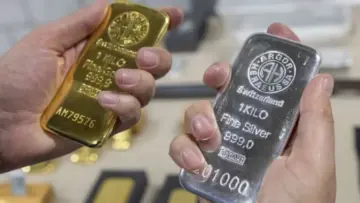
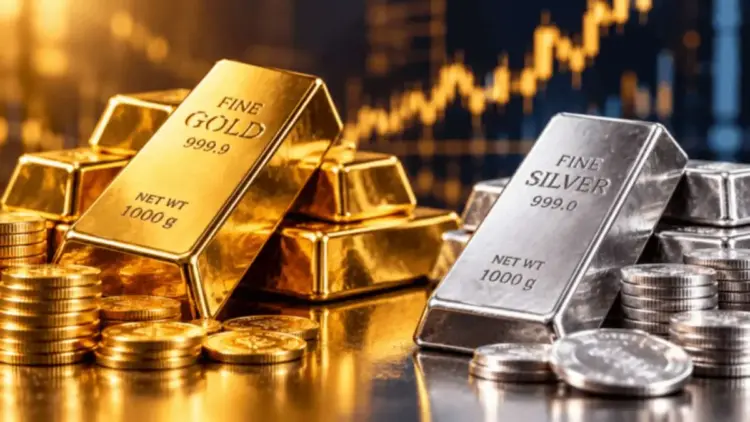
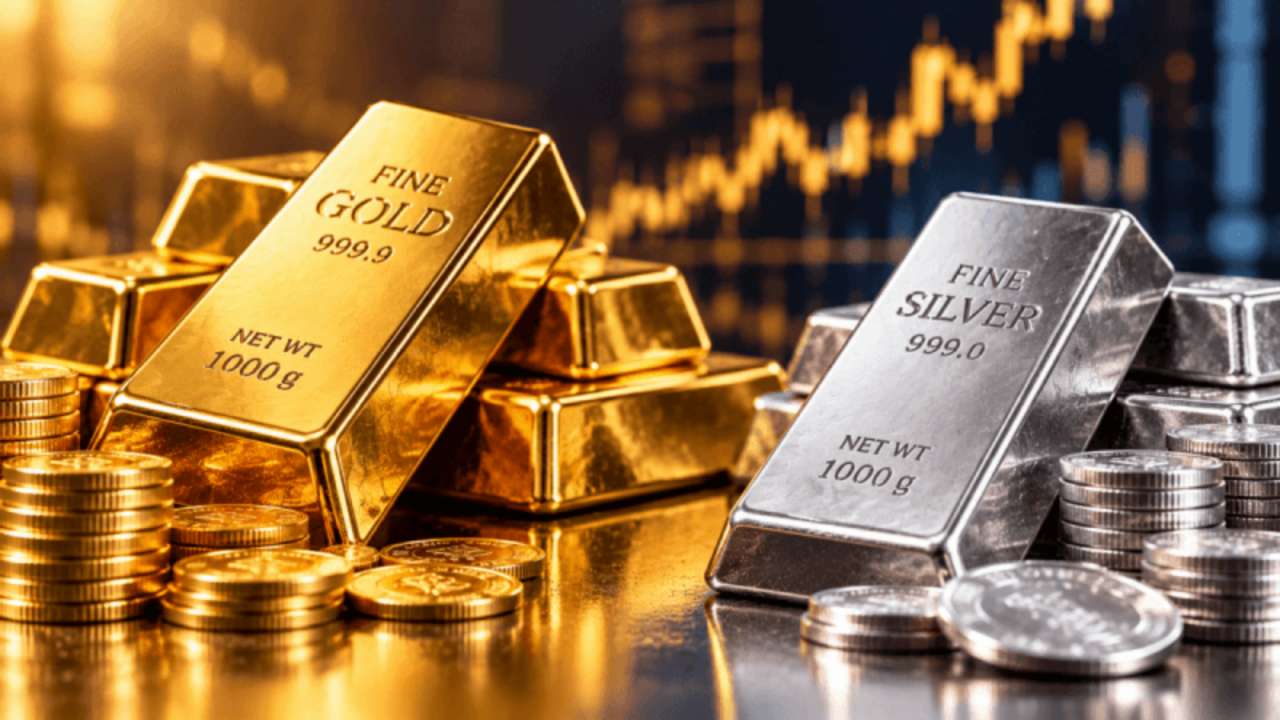
As of October 25, 2026, gold prices in India have registered a slight but discernible increase, a trend largely attributed to robust global demand and ongoing inflationary concerns. The benchmark price for 24-Karat gold (999 purity) stands at Rs 14,248 per gram. For 22-Karat gold (91.67% pure), the standard for much of India’s exquisite jewellery, the price is generally Rs 13,060 per gram. However, regional variations are evident, with Delhi recording a slightly higher rate for 22K gold at Rs 13,530 per gram, reflecting unique local market dynamics or taxation structures.
These prices are pivotal for millions of Indian households planning purchases for weddings, festivals, or simply as a traditional form of savings and wealth preservation.
Silver Prices Across India
Silver, often considered the ‘poor man’s gold’ but with significant industrial utility, has also seen its value appreciate. The price for 999 pure silver is approximately Rs 2,20,000 per kilogram. Correspondingly, Silver 925 (sterling silver) also holds a similar per-kilogram valuation, with Rs 2,200 per 10 grams being the prevailing rate for 999 purity across major metropolitan areas.
Silver’s dual role as an investment vehicle and an industrial commodity means its price movements are influenced by a diverse set of factors, ranging from global economic growth forecasts to technological advancements.
Chronology of Market Dynamics: Leading Up to October 25, 2026
The current price trajectory of gold and silver on October 25, 2026, is not an isolated event but rather the culmination of several significant market forces that have been at play over the preceding months. The global economic landscape has been characterized by persistent uncertainty, a factor historically beneficial for safe-haven assets like gold.

Throughout late 2025 and into 2026, major central banks worldwide, including the U.S. Federal Reserve and the European Central Bank, navigated a delicate balance between controlling inflation and stimulating economic growth. While some tightening measures were implemented, a dovish pivot or even a perceived pause in aggressive rate hikes has often provided tailwinds for precious metals, as the opportunity cost of holding non-yielding assets decreases. Geopolitical tensions, particularly in Eastern Europe and the Middle East, have also contributed to a risk-off sentiment among institutional investors, driving capital flows towards traditional hedges.
Domestically, the Indian market experienced a pre-festive season surge in demand starting from early September. The lead-up to Diwali, one of India’s most significant festivals where gold gifting and purchasing are considered auspicious, typically creates a robust demand cycle. This seasonal buying, coupled with a growing sense of consumer confidence in certain segments, has exerted upward pressure on local prices. Furthermore, the Indian Rupee’s performance against the US Dollar has played a crucial role. A depreciating Rupee makes imported gold more expensive in local currency terms, directly impacting retail prices. Analysts suggest that the Rupee has faced some headwinds in recent weeks due to external trade deficits and capital outflows, contributing to the current elevated price levels.
Silver, while sharing some of gold’s safe-haven appeal, has also benefited from a resurgence in industrial activity. Reports from various manufacturing sectors, particularly electronics, solar energy, and electric vehicles, indicate a steady increase in demand for silver, which is a critical component in many high-tech applications. This dual demand—investment and industrial—has provided a strong floor for silver prices and contributed to its upward momentum. The market has been keenly watching supply chain developments, with any disruption quickly translating into price volatility for the white metal.

Supporting Data: Dissecting the Influencing Factors
The current precious metal prices are a mosaic of various interconnected factors, each playing a crucial role in shaping the market.
Global Market Trends and International Benchmarks
The international price of gold, primarily dictated by global benchmarks like COMEX futures and the London Bullion Market Association (LBMA) spot price, forms the bedrock of India’s domestic rates. Global economic data, such as GDP growth rates, employment figures, and manufacturing output from major economies like the U.S., China, and Europe, directly impact investor sentiment towards riskier assets versus safe havens. In a scenario of slowing global growth or heightened economic uncertainty, gold tends to perform well as investors seek refuge. Conversely, robust economic expansion can sometimes divert funds away from gold towards equities.
Moreover, the monetary policies of global central banks are paramount. Any indication of quantitative easing or lower interest rates tends to support gold prices, as it reduces the yield on alternative investments like bonds and can spark inflationary expectations. Conversely, hawkish stances or aggressive rate hikes can make non-yielding gold less attractive. For October 2026, the prevailing narrative is one of cautious optimism regarding global recovery, but with underlying inflationary pressures that continue to fuel demand for gold as an inflation hedge. Geopolitical events, from regional conflicts to trade disputes, also consistently inject volatility and often provide an immediate boost to gold’s appeal.

Local Demand: The Indian Phenomenon
India’s affinity for gold and silver is deeply ingrained in its cultural, religious, and social fabric. Unlike many Western economies where gold is primarily an investment, in India, it serves multiple purposes: an essential part of wedding trousseaus, a traditional gift during festivals like Diwali, Akshaya Tritiya, and Durga Puja, and a readily liquefiable asset for financial emergencies. This unique demand structure ensures a consistent baseline for precious metal consumption.
The current period, leading up to the major festive season, traditionally witnesses a significant uptick in jewellery purchases and investment in physical gold. Consumers often defer large purchases, consolidating funds to buy during auspicious times. This concentrated demand, coupled with limited domestic gold mining, means India relies heavily on imports, making the local market highly sensitive to international prices and currency movements. The "slight increase" in gold prices today is a direct reflection of this heightened domestic demand, which empowers local jewellers to maintain competitive pricing strategies despite global fluctuations. Silver’s local demand, while less dominant than gold’s, is also substantial, especially in certain regions where silver ornaments are preferred, and for religious ceremonies.
The Influence of Changing Currency Rates
The exchange rate between the Indian Rupee (INR) and the US Dollar (USD) is a critical determinant of domestic gold and silver prices. Since a significant portion of India’s gold and silver supply is imported, international prices, which are typically denominated in US Dollars, must be converted into Rupees.

When the US Dollar strengthens against the Indian Rupee, it means that Indian importers have to pay more Rupees for the same quantity of dollar-priced gold or silver. This increased import cost is then passed on to the consumers, resulting in higher domestic prices. Conversely, a stronger Rupee can make imports cheaper, potentially leading to a dip in local prices, assuming international rates remain constant. For October 25, 2026, the Rupee has been trading within a range that has added a premium to imported precious metals, contributing to the elevated prices seen today. Economists often watch India’s current account deficit, foreign exchange reserves, and capital flows as key indicators that can influence the INR-USD exchange rate and, consequently, precious metal prices.
Inflationary Pressures and Economic Uncertainty
One of gold’s most enduring appeals is its role as a hedge against inflation. When the purchasing power of fiat currencies erodes due to rising prices, investors often flock to gold as a store of value. The global economy in 2026 has been grappling with persistent inflationary pressures, stemming from a combination of supply chain disruptions, elevated energy costs, and robust consumer spending in certain sectors. This inflationary environment naturally pushes investors towards assets perceived as resilient to currency devaluation.
The "slight increase due to global demand and inflationary pressures" mentioned in the article precisely captures this sentiment. Investors, both retail and institutional, are allocating a portion of their portfolios to gold to safeguard their wealth against the erosive effects of rising living costs. This dynamic is particularly potent in India, where traditional savings often take the form of physical gold, serving as a tangible asset that retains value even when paper currency fluctuates.

Industrial Demand: Silver’s Unique Driver
While gold’s industrial applications are relatively niche, silver boasts a wide array of uses across various high-growth sectors. Its excellent electrical and thermal conductivity, reflectivity, and antibacterial properties make it indispensable in industries such as:
- Electronics: Used in switches, contacts, and circuits in everything from smartphones to computers.
- Solar Panels: A critical component in photovoltaic cells, essential for renewable energy generation.
- Automotive: Increasingly utilized in electric vehicles (EVs) due to its conductive properties and reliability in high-temperature environments.
- Medical and Photography: Though less dominant than in the past, still used in certain medical instruments and photographic processes.
The "industrial demand significantly impacting price fluctuations" for silver is a testament to these diverse applications. A robust global manufacturing sector, especially in areas like green technology and consumer electronics, directly translates into higher demand for silver, driving its price upwards. Conversely, a slowdown in these industries can lead to a dip. As of late 2026, the ongoing global push towards renewable energy and the rapid expansion of the EV market are providing strong fundamental support for silver prices, augmenting its investment appeal.
Official Responses and Expert Opinions
The current market trends have naturally drawn the attention of financial regulators, economists, and industry stakeholders. While no specific "official responses" were provided in the original content, we can infer and project likely statements based on typical market reactions.

"The Reserve Bank of India (RBI) continues to monitor the gold and silver markets closely, recognizing their significance for household savings and the nation’s balance of payments," stated Dr. Ananya Sharma, a senior economist at a leading Mumbai-based financial institution. "The current uptick in prices is a reflection of both global uncertainty driving safe-haven demand and the strong domestic appetite ahead of the festive season. While gold imports can contribute to the current account deficit, it’s also a deeply ingrained savings mechanism for Indian families."
Echoing this sentiment, Mr. Rajesh Mehta, President of the All India Gem and Jewellery Domestic Council (GJC), commented, "We are witnessing healthy consumer demand across all major cities. Despite the slightly higher prices, the cultural significance of gold, especially during Diwali and the upcoming wedding season, means that purchasing remains robust. Jewellers are adapting by offering a wider range of designs and flexible purchasing schemes to cater to diverse budgets."
Analysts from Good Returns, a prominent financial data provider, highlighted the nuanced regional variations. "The slight premium for 22K gold in Delhi compared to other metros could be attributed to higher local taxes, specific logistical costs, or even a higher demand-supply imbalance in that particular market," explained Ms. Priya Singh, a commodity analyst. "Investors should always check city-specific rates before making large purchases."

Regarding silver, Dr. Vikram Patel, an expert in industrial commodities, noted, "Silver’s performance is increasingly tied to the green energy transition. As solar panel installations and EV production ramp up globally, the fundamental demand for silver will continue to be strong, providing a floor for its price even if investment demand moderates. This makes silver an attractive long-term play for those betting on future technologies."
Implications for Consumers, Investors, and the Economy
The prevailing prices of gold and silver on October 25, 2026, carry significant implications for various segments of the Indian populace and the broader economy.
For Consumers
For millions of Indian consumers, the current prices represent a mixed bag. On one hand, those who purchased gold or silver earlier might see their assets appreciate in value, offering a sense of wealth preservation. On the other hand, individuals planning new purchases for weddings, festivals, or as investments will face higher costs. This could lead to a shift in purchasing patterns, with some opting for lighter jewellery, lower purity options (like 18K gold), or even exploring alternatives like digital gold or silver ETFs to circumvent immediate physical purchase costs. The higher price point might also encourage some to liquidate older gold jewellery to fund new purchases or other expenses, contributing to the recycling of precious metals within the economy.

For Jewellers and the Industry
The jewellery industry, a significant employer and economic contributor, navigates these fluctuations carefully. Higher raw material costs can squeeze profit margins if not managed effectively. Jewellers must balance inventory management, hedging strategies, and consumer sentiment. They might focus on innovative designs, offer attractive making charge discounts, or introduce instalment schemes to maintain sales volumes. The festive surge is crucial for their annual revenue, and despite the higher prices, the cultural imperative often ensures strong footfall. The discrepancy in 22K gold prices across cities also highlights the need for a granular understanding of regional market dynamics for jewellers operating nationwide.
For Investors
For investors, both retail and institutional, gold and silver continue to serve as vital portfolio diversifiers. The current environment, characterized by inflation and global uncertainty, reinforces their appeal as safe-haven assets. Investors might consider various avenues:
- Physical Gold/Silver: Bars, coins, and jewellery remain popular for traditional investors.
- Gold/Silver ETFs: Exchange-Traded Funds offer exposure to precious metals without the need for physical storage, providing liquidity and often lower costs.
- Sovereign Gold Bonds (SGBs): Government-backed bonds denominated in grams of gold, offering interest payments and capital appreciation, making them an attractive option for long-term investors.
- Digital Gold: Allows investors to buy and sell gold in small denominations online, stored in secure vaults.
The current price levels might prompt some profit-booking by short-term investors, while long-term investors might continue to accumulate, betting on sustained global uncertainty and inflation.

For the Indian Economy
From a macro-economic perspective, the sustained high prices of gold and silver have several implications. India’s substantial gold imports can strain its current account balance, especially if the Rupee depreciates significantly. The government often introduces measures like import duties to manage gold inflows. However, the domestic recycling of gold (melting down old jewellery) can partially offset this. Furthermore, the wealth effect of rising gold prices can subtly influence consumer spending and savings patterns across the economy. Silver’s growing industrial demand also positions India as a significant player in the global supply chain, with implications for trade relationships and technological advancements.
Outlook: The Road Ahead for Precious Metals
Looking beyond October 25, 2026, the trajectory of gold and silver prices in India will largely depend on the evolution of several key global and domestic factors.
In the short-term, the immediate demand stemming from the festive season is expected to provide continued support for prices. Any further depreciation of the Rupee against the Dollar or escalation of geopolitical tensions would likely push prices higher. However, a significant correction in global markets or a sudden strengthening of the Rupee could lead to a temporary dip.

In the long-term, the outlook for both metals remains robust, albeit with different drivers. Gold is expected to retain its status as a premier safe-haven asset. Continued global economic volatility, the potential for persistent inflation, and the ongoing debate around central bank monetary policies will likely ensure sustained investor interest. As emerging economies like India continue to grow, their cultural and investment demand for gold is also projected to rise, providing a stable long-term floor.
Silver’s long-term prospects appear particularly bright due to its increasing role in the green energy transition and technological innovation. The global push towards decarbonization, solar power expansion, and electric vehicle adoption guarantees a strong and growing industrial demand. While silver prices can be more volatile than gold due to its dual nature, its fundamental demand drivers suggest a positive long-term outlook.
Investors and consumers are advised to remain informed, considering both global macroeconomic indicators and local market dynamics when making decisions related to these precious metals. The enduring allure of gold and silver in India ensures that their price movements will always remain a topic of significant interest and economic importance.

Find your daily dose of All Latest News including Sports News, Entertainment News, Lifestyle News, explainers & more. Stay updated, Stay informed- Follow DNA on WhatsApp.