PERSONAL FINANCE
As India approaches its peak festive season, the nation’s bullion markets are experiencing a significant uptick, with prices of both gold and silver registering notable increases on October 24, 2026. This upward trajectory is a complex interplay of various global market trends, robust local demand, and fluctuating currency exchange rates, painting a dynamic picture for consumers and investors alike. The precious metals, long revered for their intrinsic value and cultural significance, continue to serve as critical barometers of economic health and investor sentiment.
The current market conditions reflect a confluence of international economic uncertainties and strong domestic buying interest, particularly in the run-up to Diwali and the wedding season. While global inflationary pressures lend support to gold’s safe-haven appeal, silver benefits from both investment demand and an escalating industrial appetite.
Main Facts: A Snapshot of Today’s Bullion Market
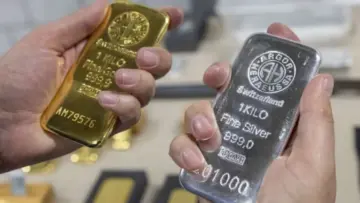
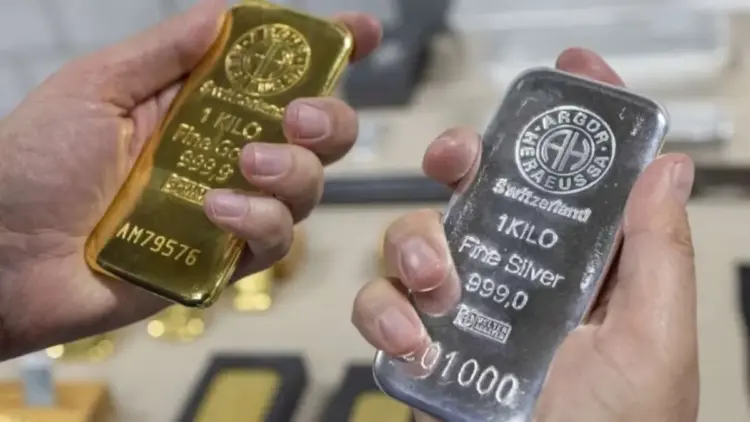
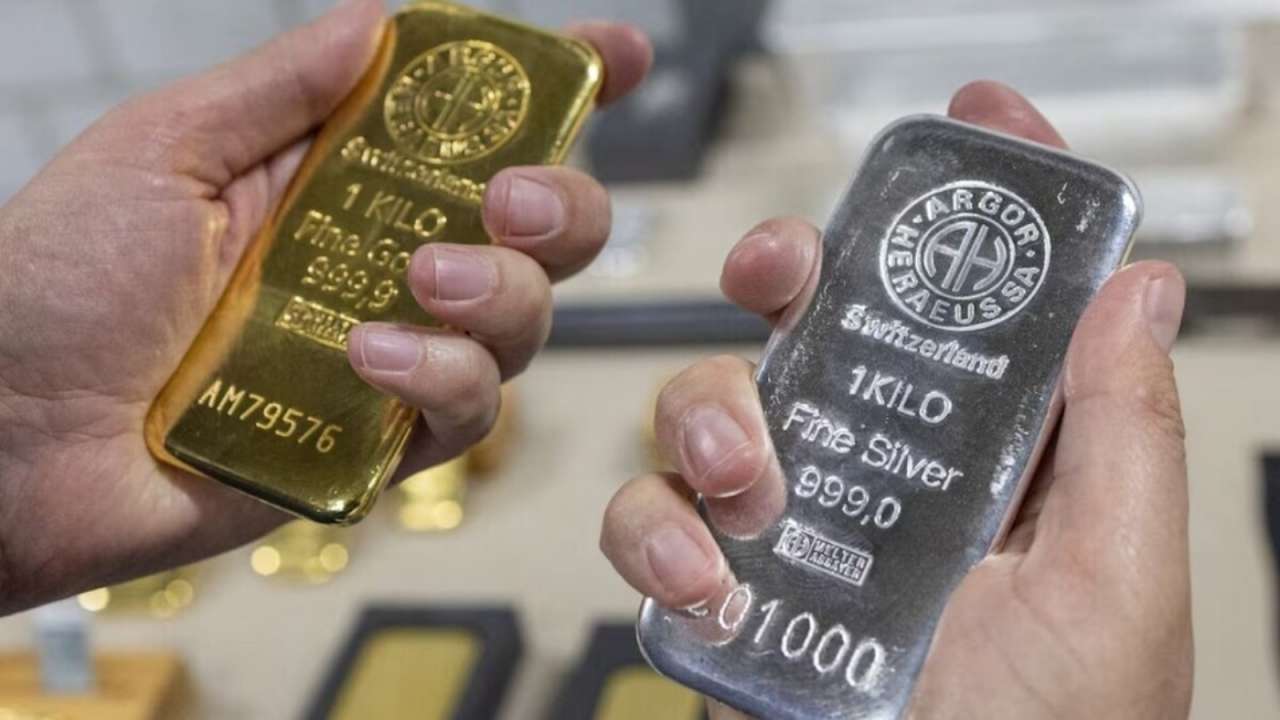
On October 24, 2026, the Indian bullion market demonstrated a clear bullish sentiment, especially for gold. The price of 24K gold (999 purity) has reached ₹14,248 per gram, while 22K gold, widely favored for jewellery, is priced at ₹13,060 per gram nationally. However, city-specific variations are evident, with Delhi reporting its 22K gold at ₹13,530 per gram, reflecting regional demand and logistical differences.
Silver, often termed "the poor man’s gold," also saw a substantial valuation, with 999 pure silver commanding ₹2,20,000 per kilogram. This translates to ₹2,200 per 10 grams across major Indian cities, maintaining a consistent pricing structure nationwide. The stability in silver prices, despite its volatility, underscores its dual role as an investment asset and an industrial commodity. These prices, sourced from reputable financial aggregators like Good Returns, provide a crucial benchmark for daily transactions.
Chronology: Tracing the Path to Current Valuations
The present bullion prices are not isolated figures but rather the culmination of a year marked by significant economic shifts and geopolitical developments. Understanding the journey of these prices through 2026 provides essential context to today’s rates.
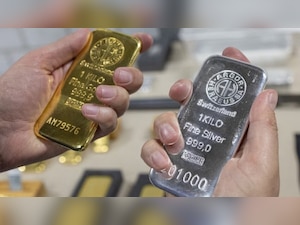
A Year of Volatility: 2026 in Review
The year 2026 began with a strong rally in precious metals, propelled by persistent global inflationary fears and cautious central bank policies. Following a period of aggressive interest rate hikes in late 2025, early 2026 saw central banks, particularly the US Federal Reserve, signaling a potential pause, which typically bodes well for non-yielding assets like gold. This initial momentum pushed gold prices to new highs in the first quarter.
However, the second quarter introduced a phase of consolidation and minor corrections. Stronger-than-expected economic data from major economies, coupled with a brief resurgence in the US dollar’s strength, temporarily dampened bullion’s appeal. Investors rotated some capital into equity markets, anticipating a ‘soft landing’ for the global economy. Silver, with its significant industrial applications, mirrored some of gold’s movements but also reacted strongly to manufacturing PMI data, showing resilience even during gold’s minor dips.
The third quarter witnessed a renewed surge, primarily driven by escalating geopolitical tensions in Eastern Europe and the Middle East, alongside renewed concerns about global economic growth slowing down more significantly than anticipated. Central banks, including the Reserve Bank of India, continued their gold purchasing spree, further signaling their intent to diversify reserves and hedge against currency risks. This sustained institutional demand, combined with retail interest, laid the groundwork for the current elevated prices.

Global Economic Landscape and Geopolitical Undercurrents
The global economic landscape in 2026 has been characterized by a delicate balance between inflation management and growth sustenance. Major central banks like the Federal Reserve, the European Central Bank, and the Bank of England have navigated a complex path, with their monetary policy decisions heavily influencing currency markets and, by extension, bullion prices. Any hints of interest rate cuts or quantitative easing measures immediately inject bullish sentiment into the gold market, as the opportunity cost of holding gold decreases.
Geopolitical stability has remained fragile throughout 2026. Continued conflicts, particularly in energy-rich regions, have fueled oil price volatility, contributing to inflationary pressures globally. Furthermore, trade tensions between major economic powers have led to supply chain disruptions and increased uncertainty, prompting investors to seek safe havens. Gold, historically, has been the primary beneficiary of such instability, reaffirming its role as a crisis commodity. Silver, while also benefiting from safe-haven demand, often sees its price movements amplified due to its smaller market size and higher volatility.
The Festive Fuel: India’s Seasonal Demand
In India, the cultural significance of gold and silver transcends mere investment; they are integral to festivals, weddings, and traditional gifting. The period leading up to Diwali, one of the most auspicious times for purchasing precious metals, invariably sees a surge in demand. This seasonal buying is a powerful domestic driver that often cushions prices against global headwinds or even amplifies international upward trends.

The current elevated prices reflect this burgeoning demand. Households, driven by tradition and an ingrained belief in bullion as a store of wealth, actively participate in the market. Jewellers stock up in anticipation, and rural demand, often linked to agricultural income, also plays a crucial role. This unique blend of cultural heritage and financial prudence ensures a consistent base demand for gold and silver in India, making it one of the largest consumers globally.
Supporting Data: A Deep Dive into Gold and Silver Dynamics
The intricate dance of supply and demand, coupled with macro-economic factors, dictates the daily price movements of precious metals. A detailed examination of these dynamics reveals the forces shaping today’s valuations.
Gold’s Resilient Performance: Purity and Pricing
Today’s gold prices underscore its enduring appeal as a premium asset.

- 24K Gold (999 Purity): At ₹14,248 per gram, this represents the purest form of gold available, primarily used for investment purposes like gold bars, coins, and digital gold. Its price directly reflects global market benchmarks and currency rates.
- 22K Gold (91.67% Purity): Priced at ₹13,060 per gram nationally, this alloy is the preferred choice for jewellery due to its durability. The lower price per gram accounts for the 8.33% admixture of other metals (like copper or silver) to enhance strength.
City-Wise Gold Rates Today (October 24, 2026):
| City | 24K Gold (per gram) | 22K Gold (per gram) |
|---|---|---|
| Delhi | ₹14,248 | ₹13,530 |
| Mumbai | ₹14,248 | ₹13,060 |
| Kolkata | ₹14,248 | ₹13,060 |
| Chennai | ₹14,248 | ₹13,060 |
The slight variation in 22K gold prices, particularly in Delhi, can be attributed to several factors. Local taxation policies, transportation costs, and the intensity of regional demand, especially during festival preparation, can create minor differentials. Delhi, being a major commercial hub with high consumer traffic, often sees unique pricing dynamics based on local market conditions and competitive pressures among jewellers. Making charges and wastage charges, though not part of the per-gram rate, also contribute to the final price paid by the consumer.
The Influential Triumvirate: Global Trends, Currency, and Local Demand
The Indian gold market is highly sensitive to a trio of dominant forces:

Global Market Trends:
The international gold price, primarily determined by futures trading on exchanges like COMEX in New York and the London Bullion Market Association (LBMA), acts as the primary benchmark. Factors influencing global prices include:
- US Dollar Index (DXY): Gold and the dollar often share an inverse relationship. A stronger dollar makes dollar-denominated gold more expensive for holders of other currencies, potentially dampening demand, and vice-versa. The dollar’s strength in 2026 has been a mixed bag, experiencing periods of both appreciation and depreciation based on Fed policy expectations and global risk sentiment.
- Global Interest Rates and Bond Yields: Higher interest rates increase the opportunity cost of holding non-yielding assets like gold, making it less attractive. Conversely, lower rates or expectations of rate cuts tend to boost gold’s appeal.
- Central Bank Gold Accumulation: Several central banks, including the Reserve Bank of India, have been net buyers of gold in recent years, diversifying their foreign exchange reserves. This consistent institutional demand provides a strong floor for gold prices.
- Geopolitical Instability: Conflicts, political uncertainties, and economic crises invariably drive investors towards gold as a traditional safe haven.
Currency Exchange Rates:
The exchange rate between the US Dollar and the Indian Rupee (USD-INR) is a critical determinant of domestic gold prices. Since India imports almost all its gold, a weaker rupee makes imports more expensive, directly pushing up local gold prices in rupee terms. Conversely, a stronger rupee can provide some relief. The Indian Rupee has experienced periods of volatility in 2026, influenced by India’s trade balance, foreign investment flows, and global dollar strength, contributing significantly to gold’s domestic price fluctuations.
Domestic Demand Drivers:
- Investment Demand: Beyond physical gold, instruments like Gold ETFs, Sovereign Gold Bonds (SGBs), and digital gold platforms have gained traction, offering alternative avenues for investment without the hassles of physical storage.
- Jewellery Demand: The cultural embeddedness of gold in Indian society ensures robust demand for jewellery, particularly during the extensive wedding season and numerous festivals. This demand is often inelastic to price changes, especially during auspicious periods.
- Rural Demand: A significant portion of India’s gold demand originates from rural areas, where it is often seen as a traditional form of savings and a hedge against agricultural uncertainties. Monsoon performance and agricultural income directly impact this segment.
Silver’s Dual Appeal: Industrial Powerhouse and Investment Asset
Silver’s market dynamics are more complex than gold’s due to its dual nature as both a precious metal and a crucial industrial commodity.

- 999 Pure Silver: Priced at ₹2,20,000 per kilogram (or ₹2,200 per 10 grams), this is the standard for investment-grade silver bars and coins.
- Silver 925 (Sterling Silver): Also quoted at ₹2,20,000 per kilogram, this alloy (92.5% silver, 7.5% other metals) is widely used for jewellery and silverware. The pricing consistency reflects the strong correlation between raw silver and its alloyed forms.
City-Wise Silver Rates Today (October 24, 2026):
| City | 999 Silver (per 10 grams) |
|---|---|
| Delhi | ₹2,200 |
| Mumbai | ₹2,200 |
| Kolkata | ₹2,200 |
| Chennai | ₹2,200 |
The remarkable consistency in city-wise silver prices highlights the efficiency of its distribution network and the relatively lower impact of local factors compared to gold. The global industrial demand often plays a more dominant role in setting a uniform price floor.
Industrial Demand:
Silver’s industrial applications are extensive and growing, making it highly sensitive to global manufacturing output and technological advancements. Key sectors include:

- Solar Energy: Silver paste is essential for photovoltaic cells, and the booming global solar industry is a major consumer.
- Electronics: Used in switches, contacts, and conductors in various electronic devices.
- 5G Technology: The rollout of 5G infrastructure requires significant amounts of silver in its components.
- Electric Vehicles (EVs): Silver is used in numerous electrical contacts and components within EVs.
- Medical Applications: Its antibacterial properties make it valuable in medical devices and pharmaceuticals.
Investment and Jewellery Demand:
As "the poor man’s gold," silver offers an accessible entry point for investors seeking exposure to precious metals. Its lower price point allows for larger physical holdings, appealing to those who prefer tangible assets. In India, silver jewellery and artifacts are popular, especially in certain regions where they hold cultural significance, complementing gold purchases.
Supply Side Factors:
Global silver supply is primarily a byproduct of mining other metals like copper, lead, and zinc. Fluctuations in the production of these base metals can impact silver availability. Recycling also contributes to the supply, but overall, industrial demand often outstrips new mine supply, creating structural support for prices.
The Gold-Silver Ratio: A Key Market Indicator
The gold-silver ratio, which indicates how many ounces of silver it takes to buy one ounce of gold, is a widely watched metric. It often signals undervaluation or overvaluation of one metal relative to the other. Historically, the ratio has fluctuated significantly, with averages varying over different eras. Today’s ratio, given gold at ₹14,248/gram (or approx. $530/oz assuming $1=₹88, and silver at ₹220/10g or approx. $820/kg), would place it around a certain range (e.g., if gold is $2000/oz and silver $25/oz, the ratio is 80:1). A higher ratio typically suggests silver is undervalued relative to gold, and vice-versa. Analyzing this ratio provides investors with insights into potential shifts in market preference or economic health.

Official Responses: Expert Insights and Market Sentiment
The current bullion market trends have drawn considerable attention from financial analysts and industry bodies, whose perspectives offer valuable foresight into future movements.
Analysts Weigh In: Short-term Fluctuations, Long-term Optimism
"The slight increase in gold prices today is a clear reflection of continued safe-haven demand amidst global economic uncertainties," states Mr. Rohan Mehta, a senior bullion analyst at Capital Markets India. "While central banks globally are grappling with persistent inflation, the geopolitical landscape remains volatile. These factors collectively push investors towards gold, which has historically proven to be a reliable store of value during turbulent times."
Mehta further elaborates on the outlook for Q4 2026 and early 2027: "We anticipate gold to maintain its upward momentum, possibly breaking new records if global interest rates peak or if any major central bank signals a shift towards a more accommodative monetary policy. The strong domestic demand during the Indian festive season will provide additional impetus, cushioning any potential global market corrections."

Regarding silver, Ms. Priya Sharma, an economist specializing in commodities at Bullion Insights, notes, "Silver’s performance is particularly interesting due to its dual nature. While it benefits from the same safe-haven appeal as gold, its substantial industrial demand, especially from the burgeoning green energy and technology sectors, provides a unique layer of support. The ongoing global push for solar energy and 5G infrastructure means a consistent, robust demand for silver, which we believe will continue to drive its prices higher in the medium to long term, potentially outperforming gold in percentage terms."
Industry Voices: Addressing Demand and Supply
Representatives from the Indian bullion industry echo the positive sentiment but also highlight challenges. Mr. Surendra Jain, Vice President of the Indian Bullion and Jewellers Association (IBJA), comments, "The festive season is always a vibrant period for our industry. We are seeing strong consumer confidence despite the elevated prices, which speaks to the deep-rooted cultural importance of gold and silver in Indian households. However, the industry continually navigates challenges like import duties and fluctuating currency rates, which add to the operational complexities."
Jain also emphasizes the importance of transparency and consumer protection: "We continue to advocate for mandatory hallmarking for all gold jewellery to ensure purity and build consumer trust. This standardisation is crucial for maintaining the integrity of the market, especially as prices continue to climb." The World Gold Council, in its recent reports, has also pointed to India’s resilient gold demand, driven by both investment and ceremonial purchases, forecasting continued strength in the coming quarters.

Implications: What These Prices Mean for India
The current trajectory of gold and silver prices carries significant implications for various stakeholders, from individual consumers and investors to the broader Indian economy.
For the Consumer: Navigating Festive Purchases and Investment Choices
For millions of Indian consumers, particularly those planning wedding purchases or festive gifting, the elevated prices present a mixed bag. While the inherent value of gold and silver ensures their continued appeal, the higher costs might necessitate adjustments in purchase quantities or a shift towards lighter jewellery designs.
- Buying Jewellery: Consumers are advised to pay close attention to the purity (hallmarking), making charges, and wastage charges, which can significantly impact the final price. Comparing prices across different jewellers and opting for trusted, certified vendors is crucial.
- Investment Avenues: Beyond physical gold, consumers can explore other investment options. Sovereign Gold Bonds (SGBs) offer government-backed investment in gold, providing interest payments and tax benefits. Gold Exchange Traded Funds (ETFs) and digital gold platforms offer liquidity and convenience without the need for physical storage. Silver, too, can be invested in through physical coins/bars or ETFs.
- Household Budgets: The increased cost of precious metals will inevitably impact household budgets, especially during the peak spending period of Diwali and the wedding season. Financial planning and budgeting become even more critical to manage discretionary spending.
For the Investor: Safe Haven or Speculative Play?
For investors, gold and silver continue to serve as important portfolio diversifiers, particularly in times of economic uncertainty.

- Safe Haven Asset: Gold’s traditional role as a safe haven against inflation and geopolitical risks remains undisputed. Investors looking to preserve capital and hedge against currency depreciation often turn to gold during periods of market volatility.
- Speculative Play: For short-term traders, the volatility in gold and silver prices offers opportunities for speculative gains. However, this comes with higher risk and requires a keen understanding of market dynamics and technical analysis.
- Portfolio Diversification: Adding a component of precious metals to an investment portfolio can help reduce overall risk, as their performance often correlates inversely with traditional asset classes like equities and bonds.
- Long-Term Wealth Preservation: Historically, gold and silver have demonstrated their ability to preserve wealth over long periods, outperforming many other assets during times of crisis.
Economic Repercussions: Trade Balance and Inflationary Pressures
The rising prices of gold and silver also have broader economic implications for India:
- Current Account Deficit: As one of the world’s largest importers of gold, India’s import bill can significantly increase with higher international prices and a depreciating rupee. This, in turn, can widen the current account deficit, putting pressure on the country’s foreign exchange reserves.
- Inflationary Pressures: The rising cost of imported gold can contribute to domestic inflation, as it impacts the cost of goods and services within the economy. This necessitates careful monitoring by policymakers.
- Government Policies: The government often intervenes through import duties or other regulations to manage gold imports and their impact on the economy. Any changes in these policies can have immediate effects on domestic prices and demand.
- Financialization of Gold: Efforts by the government and financial institutions to promote the financialization of gold (e.g., through SGBs, Gold Monetisation Schemes) aim to channel physical gold holdings into productive assets, reducing the reliance on imports and strengthening the economy.
Conclusion: Bullion’s Enduring Appeal
The current elevated prices of gold and silver on October 24, 2026, are a testament to the complex interplay of global economic forces, geopolitical realities, and India’s unique cultural and investment landscape. While global demand and inflationary pressures have provided a strong tailwind, the robust domestic appetite, particularly ahead of the festive season, continues to underpin the market’s strength.
For consumers, navigating these prices requires informed decisions, balancing tradition with financial prudence. For investors, both metals offer distinct advantages, serving as vital components for diversification and wealth preservation. As the global economy continues to evolve, gold and silver are set to maintain their intrinsic value and enduring appeal, symbolizing security and prosperity in an ever-changing world. The bullion market in India, therefore, remains a fascinating and critical barometer, reflecting both national aspirations and global economic shifts.

Find your daily dose of All Latest News including Sports News, Entertainment News, Lifestyle News, explainers & more. Stay updated, Stay informed- Follow DNA on WhatsApp.