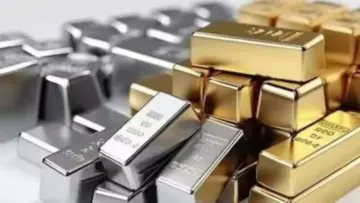
Mumbai, India – October 23, 2026 – India’s enduring fascination with gold and silver continues to drive a dynamic market, where prices on any given day are a confluence of intricate global trends, robust domestic demand, and fluctuating currency rates. As of October 23, 2026, precious metal enthusiasts and investors across the nation are observing a nuanced market, with gold experiencing a slight uptick driven by international pressures, while silver maintains a steady, significant valuation. This report delves into the factors shaping these prices and explores their broader implications for consumers, investors, and the Indian economy.
Main Facts: A Snapshot of Current Precious Metal Rates
Today, October 23, 2026, the precious metals market in India reflects a sensitive balance of forces. Gold, often seen as a safe haven and a hedge against inflation, has registered a marginal increase, primarily attributed to prevailing global demand and persistent inflationary pressures worldwide. Silver, a dual-purpose metal valued for both investment and industrial applications, also holds strong, influenced by its diverse utility.
Current Gold Prices (October 23, 2026):
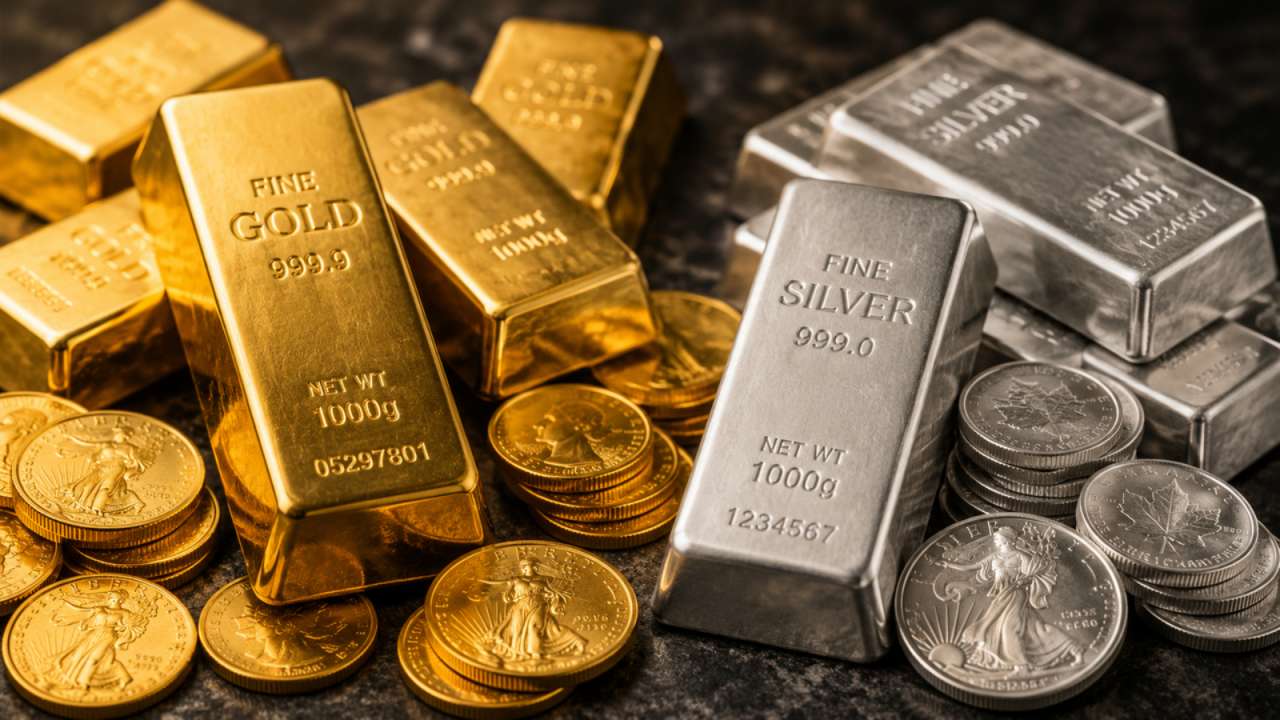
- 24 Karat Gold (999 Purity): The benchmark for pure gold, 24K, is priced at Rs 14,248 per gram across major Indian metros.
- 22 Karat Gold (91.67% Purity): Commonly preferred for jewellery, 22K gold is currently retailing at Rs 13,060 per gram in Mumbai, Kolkata, and Chennai. Notably, in Delhi, the price for 22K gold is Rs 13,530 per gram, indicating minor regional variations possibly due to local taxes or market premiums.
Current Silver Prices (October 23, 2026):
- Silver 999 (Pure Silver): The price of pure silver stands at Rs 2,20,000 per kilogram, translating to Rs 2,200 per 10 grams across Delhi, Mumbai, Kolkata, and Chennai.
- Silver 925 (Sterling Silver): Often used in jewellery and handicrafts, sterling silver (92.5% pure) is also valued at Rs 2,20,000 per kilogram, aligning with the price of 999 purity for the day.
These prices, sourced from market aggregators like Good Returns, underscore the intricate interplay of international gold prices, the US Dollar exchange rate, and India’s substantial domestic jewellery demand, particularly as the festive season approaches.
Chronology: Tracking the Trajectory of Precious Metals in 2026
The year 2026 has been marked by a complex interplay of economic forces, geopolitical shifts, and evolving consumer sentiment, all of which have significantly influenced the trajectory of gold and silver prices in India. Understanding the current rates requires a look back at the trends that have shaped the market leading up to October 23.

A Year of Volatility and Resilience
The initial months of 2026 saw precious metals reacting to global central bank policies, particularly the US Federal Reserve’s stance on interest rates. Early indications of persistent inflation globally, fueled by supply chain disruptions and robust consumer spending in major economies, often lent support to gold’s appeal as an inflation hedge. Any hints of interest rate hikes typically put downward pressure on gold, as higher rates increase the opportunity cost of holding non-yielding assets. Conversely, signals of economic slowdowns or geopolitical instability frequently drove investors towards gold, bolstering its safe-haven status.
Mid-2026 witnessed a period of heightened geopolitical tensions in certain regions, which invariably led to spikes in gold prices. The metal’s role as a store of value during times of uncertainty was reaffirmed, attracting significant capital flows from risk-averse investors. Silver, while also benefiting from safe-haven demand, showed greater volatility due to its strong industrial component. Reports of increased manufacturing activity, especially in green technologies like solar panels and electric vehicles, provided a consistent floor for silver prices.

As the year progressed into the latter half, anticipation for the crucial festive season in India began to build. Demand for gold typically surges during festivals like Ganesh Chaturthi, Navratri, and particularly Diwali, along with the extensive wedding season. This seasonal demand often creates a domestic premium, contributing to the overall price dynamics. Currency fluctuations, specifically the USD-INR exchange rate, also played a pivotal role, with a weaker Rupee making imported gold and silver more expensive for Indian consumers.
India’s Unique Market Landscape
India’s gold and silver market is unique, deeply intertwined with cultural traditions and economic realities. Throughout 2026, government policies, such as import duties on precious metals, have continued to influence their landed cost. While the government aims to curb non-essential imports and manage the current account deficit, these duties directly impact consumer prices. Discussions around potential changes in Goods and Services Tax (GST) on jewellery or new Gold Monetization Schemes also periodically created ripples in the market, affecting both demand and supply dynamics.

Domestic consumption patterns have also evolved. While traditional jewellery demand remains strong, there’s a growing inclination towards investment-grade products like gold coins, bars, and even digital gold. This shift, driven by increasing financial literacy and accessibility, has added another layer of complexity to demand forecasting. The overall economic growth rate of India, coupled with agricultural output (which impacts rural purchasing power), has been a critical determinant of local demand for precious metals, especially in a year marked by varying monsoon patterns and their effect on rural incomes.
Supporting Data: Dissecting the Influential Factors
The prices observed today, October 23, 2026, are the culmination of several powerful forces, each exerting its unique influence on the precious metals market.

The Global Economic Crucible
- International Gold Benchmarks: The primary driver for Indian gold prices is the international spot price, typically referenced against the COMEX futures market and the London Bullion Market Association (LBMA) fix. Movements in these global benchmarks, influenced by macroeconomic data from the US, Europe, and China, directly translate to domestic price changes. For instance, strong US jobs data or higher-than-expected inflation reports can shift market sentiment, causing immediate reactions in global gold prices.
- US Dollar Strength and Federal Reserve Policy: The US Dollar’s strength often has an inverse relationship with gold. A stronger Dollar makes gold more expensive for holders of other currencies, potentially dampening demand. Conversely, a weaker Dollar tends to boost gold prices. The US Federal Reserve’s monetary policy, particularly its decisions on interest rates, is paramount. If the Fed signals further rate hikes, the appeal of non-yielding assets like gold diminishes in favour of interest-bearing instruments. Conversely, dovish stances or rate cuts typically send gold prices higher. In 2026, the market has been highly sensitive to signals from the Fed regarding the path of monetary tightening or easing.
- Geopolitical Tensions: Global political instability, conflicts, or trade wars invariably boost gold’s safe-haven appeal. Investors flock to gold during periods of uncertainty, viewing it as a reliable store of value when other asset classes, like equities, appear risky. Throughout 2026, localized conflicts and broader geopolitical rivalries have periodically injected volatility into the gold market, leading to short-term price surges.
- Inflationary Pressures: Gold is traditionally considered an excellent hedge against inflation. When the cost of living rises significantly, the purchasing power of fiat currencies erodes, making tangible assets like gold more attractive. The persistent inflationary environment witnessed globally in 2026, even if moderated in some economies, has provided underlying support for gold prices.
- Global Industrial Demand (for Silver): Unlike gold, silver has a significant industrial demand component, accounting for over 50% of its usage. Its excellent conductivity makes it crucial in electronics, solar panels, and medical equipment. The global push towards green energy and electric vehicles (EVs) has been a strong tailwind for silver demand in 2026. As nations commit to decarbonization, the demand for solar infrastructure and EV components, both heavy users of silver, is projected to rise, providing fundamental support for silver prices. Any slowdown in global manufacturing or a shift in technological trends could, however, impact silver more profoundly than gold.
Domestic Demand: India’s Enduring Affinity for Precious Metals
- Cultural Significance: India’s love for gold is legendary, deeply rooted in cultural traditions. Gold is an integral part of weddings, religious festivals (Dhanteras, Diwali, Akshaya Tritiya), and family heirlooms. It is often considered auspicious and a symbol of wealth and prosperity. This ingrained cultural demand provides a resilient base for gold consumption, regardless of global price movements.
- Investment vs. Jewellery Demand: While jewellery dominates consumption, there’s a growing trend towards gold as an investment. Individuals are increasingly opting for gold coins, bars, and even digital gold platforms for wealth preservation and portfolio diversification. This dual demand profile adds complexity, as investment demand tends to be more price-sensitive and responsive to economic indicators, while jewellery demand is more culturally driven.
- Rural vs. Urban Consumption: Rural India accounts for a significant portion of gold demand, often serving as a primary form of savings and investment for agricultural communities. Good monsoon seasons and higher crop yields typically translate into increased rural purchasing power, leading to a surge in gold purchases. Urban demand, while influenced by cultural factors, also correlates with disposable incomes and consumer confidence.
- Impact of Income Levels and Consumer Confidence: As India’s economy grows, rising disposable incomes and robust consumer confidence naturally fuel demand for discretionary purchases, including gold jewellery. Conversely, economic slowdowns or uncertainties can lead to a deferment of such purchases.
Currency Dynamics: The Rupee’s Role in Price Formation
- USD-INR Exchange Rate: Since India imports almost all of its gold and a significant portion of its silver, the exchange rate between the US Dollar and the Indian Rupee is a critical determinant of local prices. A depreciation of the Rupee against the Dollar makes imported gold and silver more expensive in Rupee terms, even if international Dollar-denominated prices remain constant. Throughout 2026, the Rupee’s performance against the Dollar, influenced by India’s trade balance, foreign investment flows, and global capital movements, has directly impacted the landed cost of precious metals.
- RBI’s Intervention and Foreign Exchange Reserves: The Reserve Bank of India (RBI) plays a crucial role in managing currency volatility. Through interventions in the foreign exchange market, the RBI aims to maintain Rupee stability, which indirectly influences the cost of precious metal imports. The level of India’s foreign exchange reserves also provides a buffer against external shocks and supports currency stability.
City-Wise Breakdown: Micro-Trends within a Macro Picture
While global and national factors dictate the broad price trends, minor variations can be observed at the city level.
-
Gold Prices (per gram):

- Delhi: 24K: Rs 14,248; 22K: Rs 13,530
- Mumbai: 24K: Rs 14,248; 22K: Rs 13,060
- Kolkata: 24K: Rs 14,248; 22K: Rs 13,060
- Chennai: 24K: Rs 14,248; 22K: Rs 13,060
-
Silver Prices (per 10 grams):
- Delhi: Silver 999: Rs 2,200
- Mumbai: Silver 999: Rs 2,200
- Kolkata: Silver 999: Rs 2,200
- Chennai: Silver 999: Rs 2,200
The slight difference in 22K gold prices in Delhi compared to other metros highlights that local market dynamics, state-specific taxes, transportation costs, and local premiums/discounts can introduce minor discrepancies. However, the uniformity in 24K gold and 999 silver prices across these major cities suggests a highly integrated national bullion market, efficiently transmitting global price signals.

Official Responses and Expert Insights
The current state of the precious metals market elicits varied perspectives from economists, market analysts, and industry stakeholders, all trying to decipher the complex forces at play and project future movements.
Analysts Weigh In
"The slight increase in gold prices today is a reflection of ongoing global economic uncertainties," comments Dr. Priya Sharma, a leading commodity market analyst. "While central banks are navigating inflation, the underlying fear of a potential global slowdown or recession continues to make gold an attractive hedge. We’re seeing a tug-of-war between monetary tightening efforts and the persistent demand for safe-haven assets." Dr. Sharma also points out that the US Dollar’s recent trajectory and upcoming economic data from major economies will be crucial in determining gold’s immediate direction. "Any unexpected shift in the Federal Reserve’s stance could trigger significant movements," she adds.

Regarding silver, Mr. Alok Singh, a senior analyst at a Mumbai-based brokerage, states, "Silver’s performance in 2026 has been quite robust, largely due to its increasing industrial applications. The burgeoning solar energy sector, coupled with the rapid expansion of electric vehicle manufacturing, is driving fundamental demand. While it also benefits from gold’s safe-haven status, its industrial utility provides a more stable long-term growth outlook, albeit with higher short-term volatility."
Industry Perspectives
From the perspective of the Indian jewellery industry, the current prices present a mixed bag. "While higher gold prices can sometimes temper immediate demand, the approaching festive season in India typically overrides these concerns," explains Mr. Rajesh Mehta, President of the All India Gem and Jewellery Domestic Council. "Consumers view gold not just as an ornament but as an investment and an auspicious commodity. We anticipate strong sales as Dhanteras and Diwali draw closer, especially for traditional jewellery pieces." Mr. Mehta also highlights the growing preference for hallmarked jewellery, assuring purity and boosting consumer confidence.

However, industry players also acknowledge the challenges. "High import duties coupled with global price volatility require jewellers to implement sophisticated hedging strategies to manage inventory risks," notes Ms. Sunita Rao, a bullion dealer in Chennai. "The margin pressures are constant, and we have to innovate with designs and financing options to keep the market vibrant."
Government and Regulatory Outlook
The Indian government and the Reserve Bank of India (RBI) continuously monitor precious metal markets due to their significant impact on the nation’s economy. High gold imports contribute to India’s current account deficit, a key macroeconomic indicator. While there have been no immediate announcements, discussions around rationalizing import duties or tweaking schemes like the Gold Monetization Scheme (GMS) periodically resurface.

An unnamed official from the Ministry of Finance indicated, "Our primary focus remains on ensuring macroeconomic stability. Policies related to precious metals are designed to balance domestic demand, curb illicit trade, and manage the current account. We continually assess global and domestic market conditions to make informed decisions." The RBI, on its part, maintains vigilance over the USD-INR exchange rate, understanding its direct correlation with imported commodity prices, including gold and silver.
Implications and Future Outlook
The current prices and underlying market dynamics for gold and silver on October 23, 2026, carry significant implications for various stakeholders and offer clues about the potential trajectory of these precious metals.

For Indian Consumers and Investors
- Jewellery Buyers: For those planning to purchase gold jewellery for upcoming weddings or festivals, the current prices suggest a moderate increase. Consumers are advised to closely monitor daily rates, understand the purity marks (BIS hallmark for gold), and inquire about making charges and wastage, which can significantly impact the final price. Given the cultural significance, purchases are often driven by necessity and tradition, but timing can still offer better value.
- Investors: Gold and silver continue to serve as crucial components for portfolio diversification and as safe-haven assets. In an environment of global economic uncertainty and persistent inflation, holding a portion of one’s wealth in precious metals can act as a hedge. Investors have options ranging from physical gold (coins, bars), gold ETFs, sovereign gold bonds (SGBs), and digital gold. Each option carries different liquidity, risk, and return profiles. Long-term investors often view gold as a wealth preserver, while short-term traders look for opportunities arising from volatility.
- Long-Term vs. Short-Term: Short-term movements are highly sensitive to daily news, economic data, and geopolitical events. Long-term outlooks, however, often lean on broader macroeconomic trends like global growth, inflation expectations, and the overall stability of the financial system.
Economic Ramifications for India
- Current Account Deficit: India remains one of the largest importers of gold. High international prices combined with strong domestic demand can exacerbate the current account deficit, putting pressure on the Rupee. This necessitates careful management by the government and RBI.
- Inflationary Pressures: While gold acts as an inflation hedge for individuals, rising gold prices can also contribute to overall inflationary pressures within the economy, especially if the Rupee depreciates.
- Impact on Allied Industries: The health of the precious metals market directly impacts the extensive ecosystem of gold and silver mining (though limited in India), refining, jewellery manufacturing, and retail sectors, which together employ millions. Stable and predictable prices foster growth and investment in these industries.
The Road Ahead: Forecasts and Key Indicators to Watch
The outlook for gold and silver prices in the coming months will largely hinge on a few critical global and domestic indicators:
- Global Economic Growth Projections: Any significant revisions to global GDP forecasts, particularly from the US, China, and Europe, will influence market sentiment and commodity demand.
- Central Bank Monetary Policy Decisions: The trajectory of interest rates from the US Federal Reserve, European Central Bank, and other major central banks will remain a dominant factor. A more hawkish stance could cap gold’s upside, while a dovish pivot could provide a boost.
- Geopolitical Developments: Ongoing geopolitical tensions or the emergence of new conflicts will continue to elevate gold’s safe-haven appeal.
- Upcoming Festive Seasons in India: The sustained strong demand during Diwali, followed by the peak wedding season, will provide crucial support for domestic prices.
- Technological Advancements Impacting Silver Demand: Continued innovation and adoption of green technologies will underpin industrial demand for silver.
In conclusion, the prices of gold and silver on October 23, 2026, are a testament to a complex and interconnected global financial system. For the Indian consumer and investor, understanding these multifaceted influences is key to navigating the precious metals market wisely, whether for cultural observance, wealth preservation, or strategic investment. As always, staying informed and consulting financial experts are prudent steps in making decisions in this dynamic segment of the financial landscape.