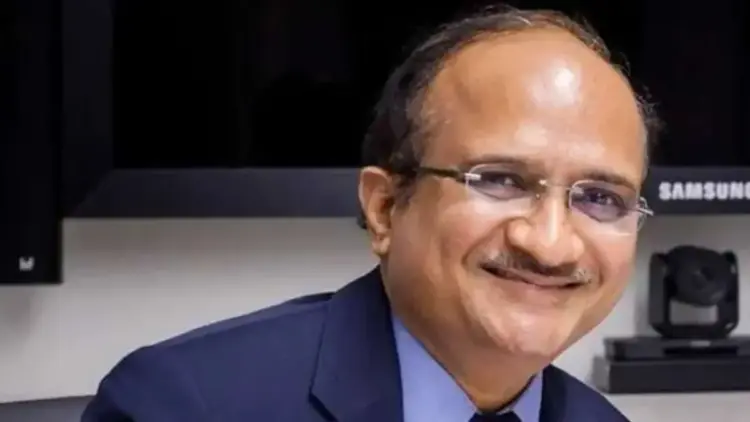
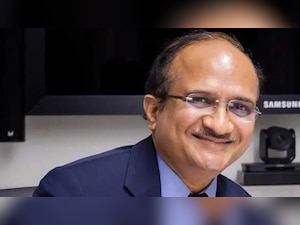
New Delhi, India – [Date of Publication] – In a significant intervention that could reshape the future of engineering education in India, V. Ramgopal Rao, Group Vice-Chancellor of BITS Pilani Campuses and former Director of IIT Delhi, has proposed a radical shift towards five-year B.Tech programmes across all Indian Institutes of Technology (IITs). This proposal emerges against the backdrop of mounting concerns regarding student stress, academic disparities, and a recent controversy involving an IIT Bombay professor, highlighting the urgent need to re-evaluate the current "one-size-fits-all" pedagogical model.
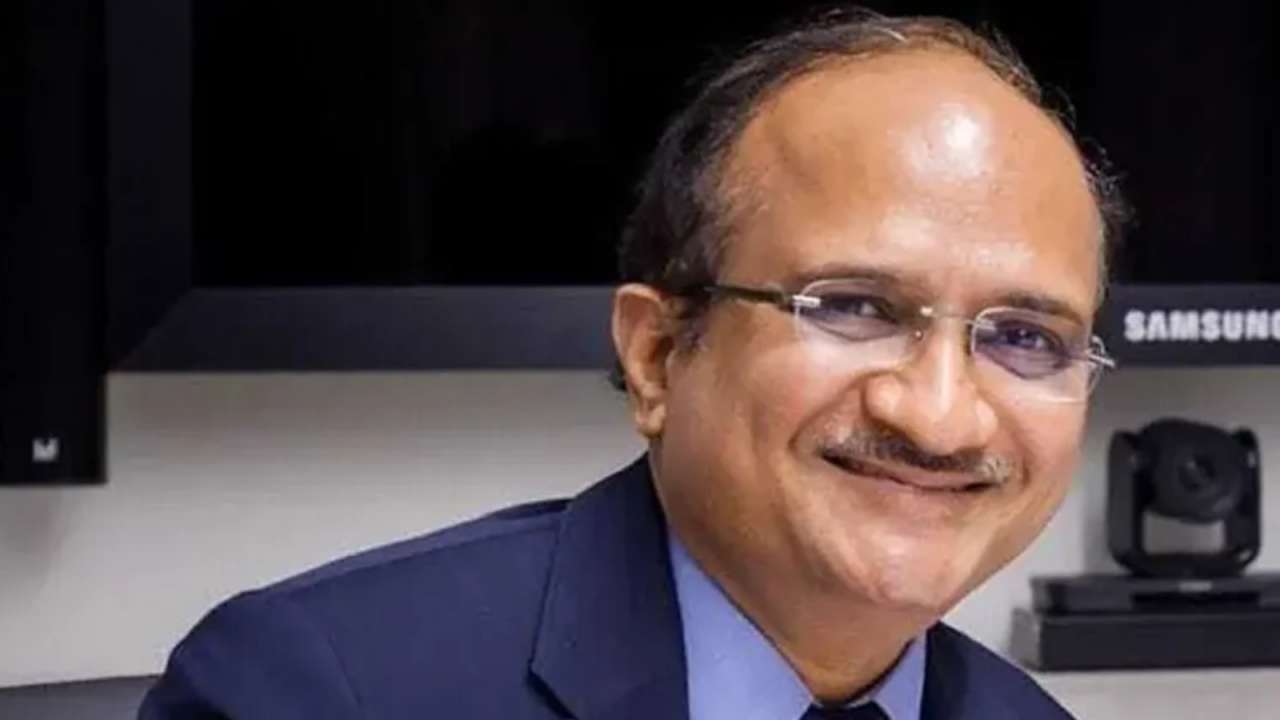
Rao, a distinguished academic with over 25 years of experience at IIT Bombay and IIT Delhi, including his tenure as Director of IIT Delhi from 2016 to 2021, articulated his vision in a candid discussion following the recent controversy surrounding IIT Bombay professor Suryanarayana Doola. His call for a structured, extended B.Tech program is not merely a response to a singular incident but a comprehensive critique of the inherent limitations of the current system in catering to the diverse academic needs of students admitted into these prestigious institutions.
The Heterogeneity Challenge: A Deep Dive into Classroom Realities
The crux of Rao’s argument lies in the stark reality of increasing heterogeneity within IIT classrooms. He points to the fiercely competitive Joint Entrance Examination (JEE) Advanced, which funnels students with vastly different academic backgrounds and preparation levels into the same lecture halls. "Students now come from an intensive coaching ecosystem, with JEE Advanced ranks in the same classroom ranging from single digits to five digits," Rao stated, emphasizing the chasm in preparedness.

He illustrated this point with a concrete example from IIT Delhi’s Computer Science and Engineering (CSE) department. "Students with such diverse ranks sit in the same class," he observed. This creates "highly heterogeneous classrooms across the IIT system." The challenge is further compounded by linguistic diversity, making it even more difficult for educators to strike a pedagogical balance.

Rao posed a critical question that lies at the heart of the issue: "With such heterogeneity, can we expect every student to learn at the same pace?" He stressed that there is "nothing wrong with opening the doors of our best institutions to students from different backgrounds," acknowledging the laudable goal of inclusivity. However, the pertinent question remains: "whether teaching-learning methods in the IIT system have accounted for this heterogeneity."

The current model, Rao argues, places an undue burden on faculty members. "A faculty member cannot pitch every class at several levels at once," he explained. The inevitable consequence is a pedagogical tightrope walk: "Move too slowly, and some students lose interest. Move too quickly, and others are left behind." This dichotomy inevitably leads to a segment of students feeling either disengaged or overwhelmed, irrespective of their initial admission rank.

The Coaching Conundrum and the Struggle for Independent Learning
Rao also shed light on a phenomenon he has observed firsthand: the limitations of rote learning fostered by intensive coaching. He recalled instances of students with top JEE Advanced ranks struggling in his classes. "Coaching had prepared them to solve familiar types of questions quickly. Many are lost when they see a question which they haven’t solved before," he remarked. This indicates that while coaching might equip students with exam-solving skills, it often falls short in cultivating the critical thinking, problem-solving abilities, and independent learning crucial for success in a research-oriented environment like an IIT.

Furthermore, Rao emphasized that this difficulty is not confined to any particular admission category. "This is not a difficulty confined to any admission category. The move from coaching to independent learning can be hard for anyone," he asserted. The transition from a structured, exam-centric learning environment to the more self-directed and inquiry-based approach prevalent in higher education poses a significant challenge for all students, regardless of their background.

The Proposed Five-Year B.Tech: A Solution for Enhanced Learning
To address these multifaceted challenges, Rao proposed a shift towards five-year B.Tech programmes. This model, he believes, offers a more flexible and supportive framework that can accommodate the diverse learning paces and needs of students.

In his proposed structure, students who meet the credit requirements could graduate in a standard four years, or even in three-and-a-half years, demonstrating a mastery of the curriculum at a faster pace. Crucially, for those who require additional time and support, the program could be extended to five years. This extended period would allow for more comprehensive academic assistance, including access to recorded lectures, supplementary online materials, and targeted language support where necessary.

The fundamental principle behind this proposal is to decouple the pace of learning from the student’s admission category or entrance rank. "The pace would be decided by performance within the IIT, not by a student’s admission category or entrance rank," Rao stated, advocating for a meritocratic approach based on actual academic progress within the institute.

Psychological Benefits and the Demise of Stigma
Beyond the academic advantages, Rao highlighted the significant psychological benefits of a five-year program. Designating it as a five-year program for everyone would alleviate the stigma often associated with taking longer to complete a degree. "Students who need more time would simply be following the program as designed, while those who are ready could complete it sooner. No one would be singled out for taking a fifth year," he explained. This approach fosters a more inclusive and less judgmental academic environment, allowing students to focus on their learning without the pressure of perceived failure.

Rao underscored the importance of maintaining rigorous academic standards while acknowledging the inherent differences in student preparation and learning speeds. "Giving them the time and support to meet those standards is a responsibility of the system," he concluded, placing the onus on the institutions to create an environment conducive to the success of all their students.

Responding to Controversy: A Plea for Fair Examination
Rao’s intervention comes at a sensitive time, with the IIT system grappling with the fallout from a controversy involving IIT Bombay professor Suryanarayana Doola. Rao expressed his dismay at the public vilification of Professor Doola, whom he knows personally. He described Doola as "one of the finest faculty members I have known in the IIT system, and a gentleman of the highest integrity."

"I am disturbed to see Prof. Suryanarayana Doola being vilified over the recent controversy at IIT Bombay," Rao stated. He urged for a fair and impartial examination of the concerns raised, stating, "Whatever concerns have been raised should be examined fairly. A public campaign against an individual serves no one." This stance suggests that while structural issues need addressing, individual reputations should be protected from undue public scrutiny and condemnation.

Implications for the Future of IIT Education
The proposal for a five-year B.Tech program at IITs carries profound implications for the future of engineering education in India. If implemented, it could:

- Enhance Student Well-being: By providing a more flexible learning pace and reducing academic pressure, the proposal could significantly mitigate student stress and anxiety, potentially addressing the alarming rise in mental health issues reported within higher education institutions.
- Improve Learning Outcomes: A structured approach that caters to diverse learning needs could lead to a deeper understanding of concepts and better retention of knowledge, ultimately producing more competent and well-rounded engineers.
- Foster Holistic Development: The extended timeframe could allow for greater exploration of interdisciplinary subjects, research opportunities, internships, and skill development beyond the core curriculum, contributing to the holistic development of students.
- Redefine Admissions and Evaluation: This shift might necessitate a re-evaluation of admission policies and assessment methods to align with a more continuous and personalized learning trajectory.
- Strengthen the IIT Brand: By demonstrating a proactive approach to addressing student challenges and adapting to evolving educational needs, IITs can further solidify their reputation as world-class institutions committed to academic excellence and student welfare.
While the transition to a five-year B.Tech program would undoubtedly present its own set of logistical and administrative challenges, V. Ramgopal Rao’s proposal offers a compelling vision for a more inclusive, supportive, and effective educational framework within India’s premier engineering institutes. It is a call to action for a system that has long prided itself on meritocracy, to now embrace a more nuanced understanding of student potential and provide the necessary scaffolding for all aspiring engineers to thrive. The conversation has begun, and its outcome could redefine the landscape of technical education in India for generations to come.