


Last Updated: May 27, 2026, 17:50 IST
The annals of South Indian cinema are replete with stories of meteoric rises and tragic falls. Among the most poignant and chilling is the tale of Rani Padmini, a luminous presence who captivated audiences in the early 1980s. Her brief but impactful career, marked by collaborations with legendary actors like Mammootty, Mohanlal, and Rajinikanth, was tragically extinguished by a brutal murder that sent shockwaves through the industry and beyond. This article delves into the life, career, and the horrific circumstances surrounding the untimely demise of Rani Padmini, exploring the lasting impact of this dark chapter in cinematic history.
The Ascendance of a Star: Rani Padmini’s Cinematic Journey
Born in 1962 in the bustling city of Chennai, Rani Padmini’s journey into the world of cinema was deeply intertwined with her mother, Indirakumari. A former dubbing artist herself, Indirakumari harbored dreams of stardom that had remained unfulfilled. This maternal ambition, coupled with Rani’s own burgeoning talent, propelled them towards the silver screen. After initial attempts to make inroads into Hindi cinema proved unsuccessful, the mother-daughter duo relocated to Madras, the epicenter of South Indian filmmaking, to pursue their shared aspirations.
Rani Padmini made her acting debut in 1981 with the Malayalam film Kathayariyathe. Her natural charisma and compelling screen presence quickly garnered attention, and she solidified her prominence the same year with the critically acclaimed film Sangharsham. This marked the beginning of a promising career that would see her become one of the most sought-after actresses of her generation.
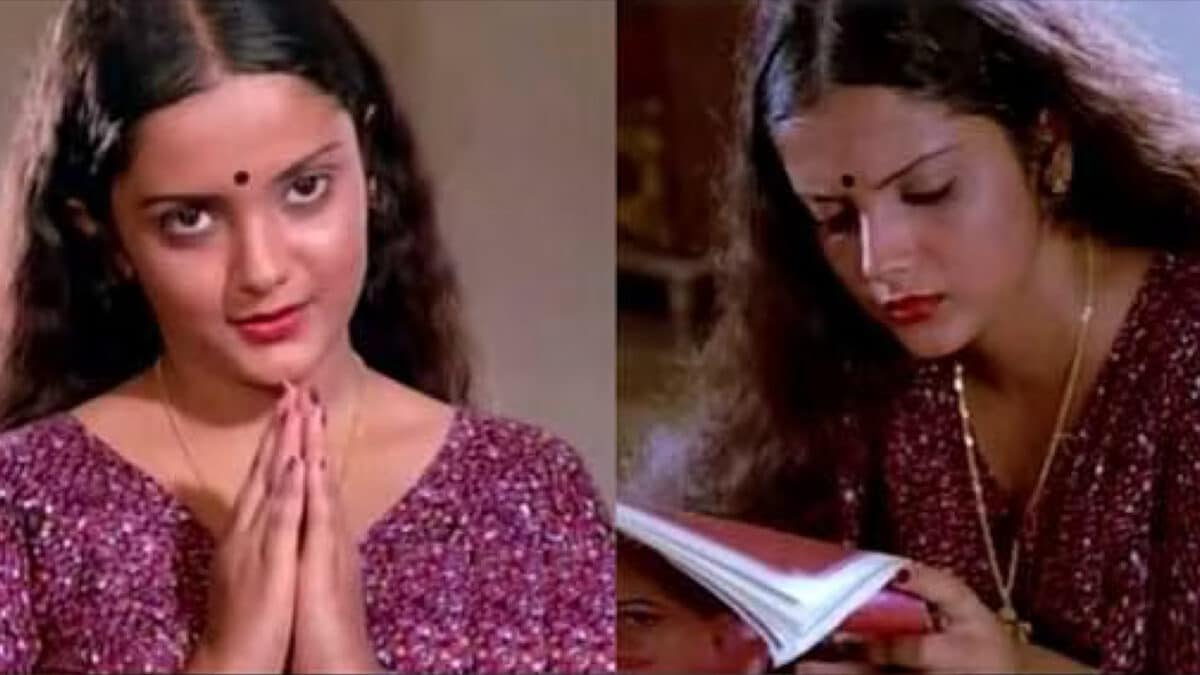
Over the next six years, Rani Padmini graced the screens in a diverse range of South Indian productions. Her filmography boasted over 60 films across Malayalam, Tamil, Telugu, and Kannada languages, with a handful of Hindi ventures as well. She demonstrated remarkable versatility, contributing significantly to action, drama, and family-oriented films that were characteristic of the vibrant 1980s Malayalam cinema landscape.
Her talent was not confined to emerging stars; Rani Padmini had the privilege of sharing screen space with established stalwarts of the era. She acted alongside the iconic Prem Nazir, the formidable Mammootty, the charismatic Mohanlal, and the talented Ratheesh. Her collaborations with these cinematic giants further underscored her rising stature and her ability to hold her own against seasoned performers. Films such as Athirathram, Akkare, Parankimala, and Thenum Vayambum remain testaments to her significant contributions to South Indian cinema during this period. She was widely regarded as one of the most promising young actresses, poised for an even brighter future.
A Glimmer of Prosperity and a Fatal Decision
As Rani Padmini’s star ascended and her earnings grew, she and her mother sought to elevate their living standards. They rented a luxurious bungalow located at 18th Avenue in Anna Nagar, Chennai. This move symbolized their upward mobility and the success they had achieved through sheer hard work and talent.
To manage their household, they decided to hire domestic staff. A newspaper advertisement was placed seeking a driver, a watchman, and a cook. This decision, however, would prove to be the most catastrophic in their lives. Among the applicants was Jebaraj, who would later be identified as the driver.

The fateful turn of events began when Rani Padmini expressed an interest in purchasing the bungalow outright, intending to make a cash payment. This conversation, overheard by Jebaraj, ignited a dangerous greed within him. He realized the potential for immense wealth within the house, comprising substantial cash and valuable jewelry. This knowledge planted the seed of a heinous plan.
The Horrific Crime: A Brutal Act of Violence
The morning of October 15, 1986, dawned with an unimaginable act of violence. Jebaraj, in collaboration with the watchman, Lakshmi Narasimhan (also known as Kutty), and the cook, Ganeshan, executed their sinister plot. Their initial target was Rani Padmini’s mother, Indirakumari. The trio launched a brutal assault, resulting in Indirakumari’s tragic death.
The horrifying screams of her mother alerted Rani Padmini, who rushed to investigate the commotion. Tragically, she walked directly into the trap laid by the perpetrators. Overpowered by the three men, Rani Padmini was also brutally murdered. The assailants, driven by avarice, fled the scene, making off with the jewelry and valuables from the house.
The loss was devastating: Rani Padmini, a vibrant 24-year-old with her entire life ahead of her, was gone. Her mother, Indirakumari, aged 42, also perished in the brutal attack. The double murder of a rising film star and her mother sent shockwaves of grief and outrage through the film fraternity and the public alike.

The Aftermath and the Lingering Questions
The swift apprehension of the accused offered a semblance of justice for the victims. Jebaraj, Lakshmi Narasimhan, and Ganeshan were arrested and subsequently sentenced to life imprisonment for their heinous crimes. The legal proceedings concluded with their convictions, bringing a formal end to the criminal case.
However, the narrative surrounding the murders did not end with the convictions. Whispers and allegations began to circulate, gaining traction across Tamil Nadu and Kerala. It was widely rumored that the arrested individuals were merely pawns, apprehended to shield a more prominent figure who was allegedly in close contact with Rani Padmini. The suggestion was that the true mastermind, a person of significant influence, remained at large, protected by a conspiracy of silence.
Despite the fervent speculation, the identity of this alleged high-profile individual was never officially established. The case was officially closed with the convictions of the three hired hands, leaving an enduring question mark over the complete truth behind the murders. This unresolved aspect added another layer of tragedy and intrigue to an already horrific event.
The Unseen Impact: Posthumous Releases and a Silent Industry
The tragic demise of Rani Padmini meant that several of her completed films were released posthumously. Her on-screen presence continued to entertain audiences for years after her life was tragically cut short, a poignant reminder of the talent lost.

However, the South Indian film industry, which had so readily embraced her talent during her life, appeared to move on with a disconcerting swiftness. There were no formal tributes, no memorial screenings, and no significant industry-wide acknowledgments of the devastating loss of one of its most promising glamour stars. The silence from the industry was deafening, a stark contrast to the vibrant performances Rani Padmini had delivered.
Her mother had sacrificed everything, including her own unrealized dreams, to nurture her daughter’s career. They had built a life together, lived side-by-side, and tragically, died together in the same house on the same fateful morning. The story of Rani Padmini and her mother is a stark reminder of the precariousness of life and the often-unseen sacrifices made in the pursuit of stardom. The industry’s apparent lack of collective mourning or remembrance for such a tragic figure only amplified the sense of injustice and the profound sense of loss.
Supporting Data and Chronology
- 1962: Rani Padmini born in Anna Nagar, Chennai. Her mother, Indirakumari, a former dubbing artist, harbored dreams of stardom.
- Early 1980s: Rani Padmini and her mother relocate to Madras to pursue acting careers.
- 1981: Rani Padmini makes her acting debut in the Malayalam film Kathayariyathe.
- 1981: Gains prominence with the release of the film Sangharsham.
- Early to Mid-1980s: Works in over 60 films across Malayalam, Tamil, Telugu, and Kannada cinema, sharing screen space with stars like Mammootty, Mohanlal, and Rajinikanth. Notable films include Athirathram, Akkare, Parankimala, and Thenum Vayambum.
- Circa 1985-1986: Rani Padmini and her mother rent a luxury bungalow at 18th Avenue, Anna Nagar, Chennai.
- October 1986: Rani Padmini expresses interest in purchasing the bungalow with a cash payment, overheard by her driver, Jebaraj.
- October 15, 1986: Rani Padmini and her mother, Indirakumari, are murdered in their Anna Nagar home by their driver (Jebaraj), watchman (Lakshmi Narasimhan alias Kutty), and cook (Ganeshan). Rani Padmini was 24 years old; her mother was 42.
- Post-October 1986: The three accused are arrested and subsequently sentenced to life imprisonment.
- Posthumous Releases: Several of Rani Padmini’s completed films are released after her death.
Official Responses and Legal Proceedings
The official response to the murders was swift in terms of apprehending the perpetrators. The Chennai police initiated an investigation immediately following the discovery of the bodies. The primary focus of the investigation was on identifying and arresting those directly involved in the crime.
The arrests of Jebaraj, Lakshmi Narasimhan, and Ganeshan were announced shortly after the incident. The subsequent legal proceedings were conducted diligently, leading to the conviction of all three men. They were sentenced to life imprisonment, a punishment reflective of the severity of their crime.
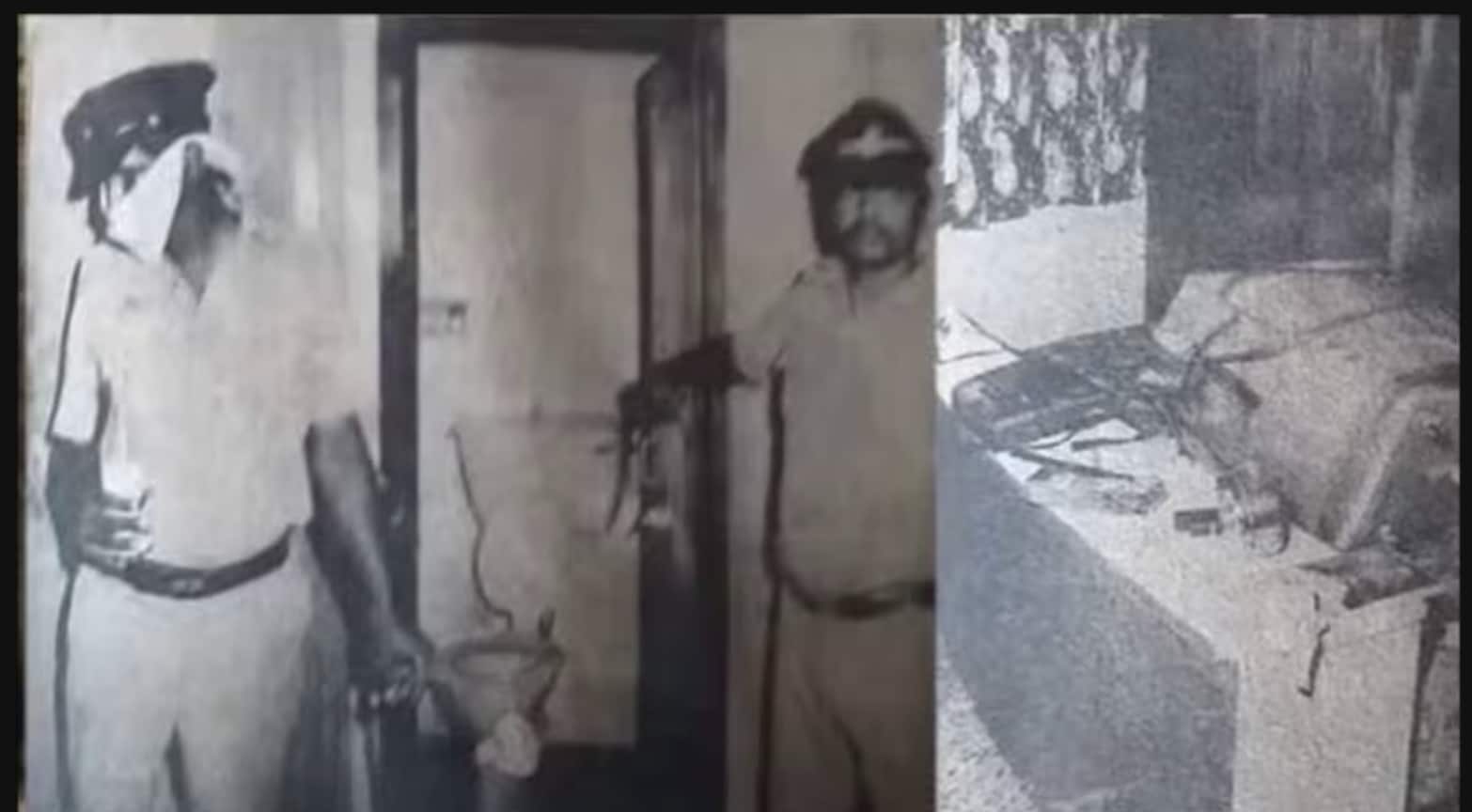
The official stance maintained that the case was solved with the convictions of the three individuals. Any allegations or rumors concerning a higher-profile involvement were officially dismissed or not substantiated by evidence gathered during the investigation. The legal framework, as it stood, deemed the case closed with the established culprits serving their sentences.
Implications and Legacy
The murder of Rani Padmini and her mother stands as a stark reminder of the vulnerability of individuals, regardless of their fame or fortune, to brutal acts of violence. The crime exposed the dark underbelly of hired help and the potential dangers that can arise from trusting individuals with access to one’s personal life and assets.
The case also highlighted the societal issues surrounding wealth disparity and the desperation that can drive individuals to extreme measures. The alleged motive of robbery underscores the persistent threat of crime fueled by financial gain.
Furthermore, the lingering questions about a potential cover-up and the involvement of a "high-profile person" speak to broader concerns about corruption, influence, and the potential for justice to be compromised in the face of power. While the official narrative concluded with the convictions of the hired hands, the whispers of a larger conspiracy have etched themselves into the collective memory, serving as a cautionary tale about the complexities of justice.

Rani Padmini’s story is more than just a crime report; it is a tragic narrative of unfulfilled potential and a life brutally cut short. Her career, though brief, left an indelible mark on South Indian cinema. Her memory, however, is now inextricably linked to the shocking circumstances of her death, serving as a somber reminder of the fragility of life and the enduring power of unresolved questions. The silence from the industry following her death is a poignant footnote, underscoring the transient nature of fame and the often-unseen human cost behind the glittering facade of cinema. The tragedy of Rani Padmini remains a haunting chapter in the history of South Indian film, a story that continues to resonate with its disturbing blend of cinematic promise and brutal reality.
