


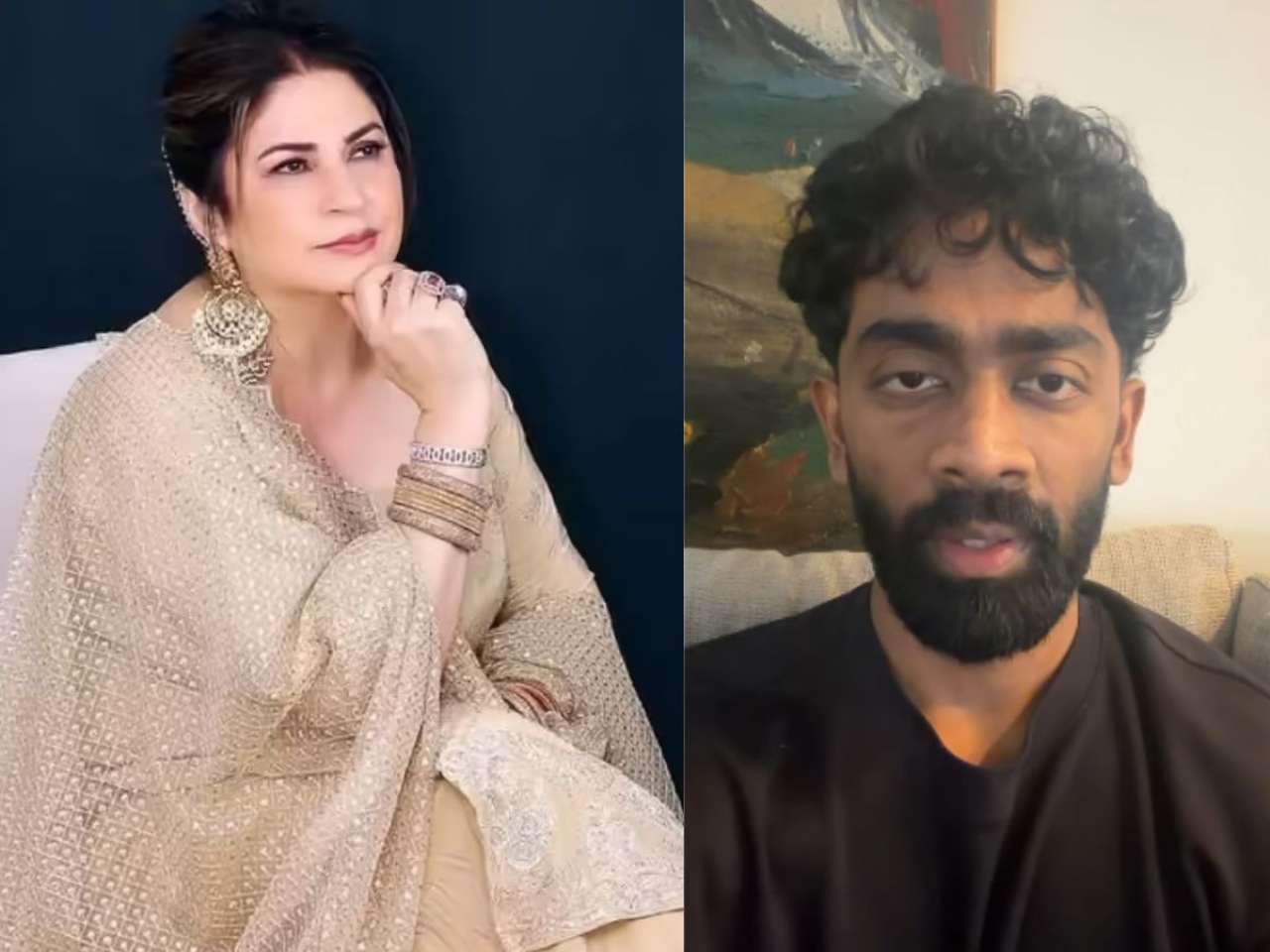
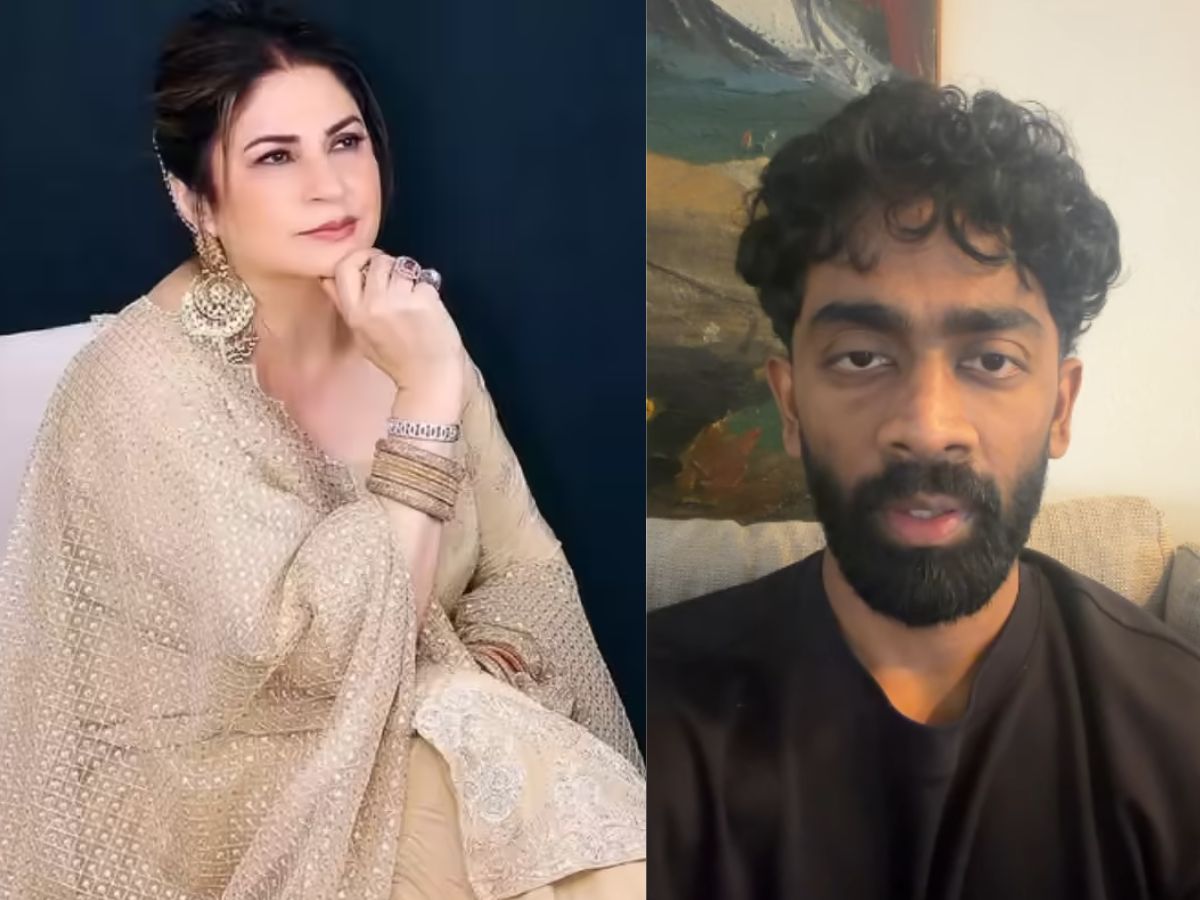
Mumbai, India – June 13, 2026 – In the wake of a viral controversy that has ensnared stand-up comedian Pranit More, fellow former Bigg Boss contestant and actress Kunickaa Sadanand has stepped forward to offer a nuanced defense, urging for public understanding and a deeper examination of societal attitudes. The incident, stemming from a crowd-work segment in one of More’s recent shows, has ignited a firestorm of criticism, with many labeling his remarks as insensitive and problematic, particularly concerning gender and consent. However, Sadanand believes that while mistakes were made, More’s apology and the broader context of his actions warrant a more compassionate response.
The "370 Biryani" Controversy: A Catalyst for Scrutiny
The controversy erupted after a clip from Pranit More’s stand-up performance circulated widely on social media. The segment involved More engaging with an audience member, Himanshu Jangra, who recounted an anecdote about spending ₹370 on a plate of chicken biryani during a date. Jangra, in jest, suggested he deserved a "return" on his investment. More’s subsequent interaction and the perceived implication of his jokes drew immediate backlash, with critics accusing him of perpetuating harmful stereotypes about relationships, transactional dating, and potentially trivializing issues of consent.
The term "370 Biryani" quickly became a shorthand for the controversy, amplifying its reach and intensity. Social media platforms buzzed with outrage, with many calling for professional repercussions for More and demanding accountability from the comedy circuit for what they deemed as borderline offensive material. The incident highlighted the growing scrutiny faced by comedians in an era of heightened social awareness, where the line between humor and insensitivity is constantly being debated and redefined.
Chronology of Events and Public Reaction
Early June 2026: A clip from a stand-up comedy show featuring Pranit More goes viral. The segment involves an audience member, Himanshu Jangra, discussing the cost of a biryani during a date.
)
Mid-June 2026: Widespread criticism erupts on social media. Critics condemn More’s jokes as insensitive and potentially promoting problematic attitudes towards consent and financial expectations in relationships. The phrase "370 Biryani" gains traction as a descriptor for the controversy.
June 10, 2026: Himanshu Jangra, the audience member featured in the clip, issues a public apology for his comments, acknowledging that they may have been misinterpreted and expressing regret for any offense caused.

June 12, 2026: Pranit More releases a video apology, expressing remorse for his remarks and acknowledging that his jokes may have been perceived as insensitive. He states his intention was not to offend and that he is committed to learning from the experience.
June 13, 2026: Actress Kunickaa Sadanand, a former co-contestant of More from Bigg Boss 19, publicly supports him on social media, urging for forgiveness and a more constructive approach to the situation.
)
Kunickaa Sadanand’s Defense: A Call for Empathy and Nuance
Kunickaa Sadanand, known for her roles in television and films, and who shared the Bigg Boss 19 house with Pranit More, has emerged as a vocal supporter of the comedian. In her statement, Sadanand emphasizes More’s character and the nature of stand-up comedy, advocating for a more understanding and forgiving public response.
"Pranit is a good boy with the right values," Sadanand stated, highlighting their shared experience in the highly scrutinized environment of the Bigg Boss house. She acknowledged that More had taken responsibility for his actions by issuing an apology video. "I praised him for taking responsibility for his actions," she added.
)
Sadanand’s defense delves into the complexities of crowd work, a staple of stand-up comedy. She explains that entertainers can sometimes get carried away by audience reactions and laughter, leading to spontaneous and potentially misconstrued remarks. "Entertainers can sometimes get carried away during crowd work when audiences react and laugh," she observed. She further emphasized that while mistakes are inevitable, admitting them requires significant courage.
Her message, posted in the comment section of a viral video related to the controversy, extended beyond a simple defense of More. She expressed a hopeful sentiment for public forgiveness: "I hope people forgive you." Crucially, she also broadened the scope of the discussion, linking the controversy to a larger societal issue: "And I also hope people change their attitude towards women and girls." This statement reframes the "370 Biryani" incident not as an isolated comedic misstep, but as a symptom of deeper, ingrained societal attitudes.
)
Reflecting on Deep-Rooted Mindsets: A Societal Mirror
Sadanand’s perspective is particularly significant as it moves beyond a direct defense of Pranit More’s specific jokes to address the underlying social fabric that may have contributed to the controversy. She argues that More was not solely responsible for the "mindset that brought the whole controversy in the first place." Instead, she positions it as a "bigger social problem, shaped over time by continuous objectification and these outdated attitudes aimed at women."
This framing suggests that the audience’s perception of More’s jokes, and the subsequent outrage, are partly a reflection of societal norms that have historically objectified women and perpetuated unequal power dynamics in relationships. Sadanand implies that the backlash, while understandable in its aim to address problematic sentiments, should also prompt introspection about how these attitudes are fostered and maintained in society.
)
"She seemed confident that Pranit would take something from what happened and come back later with better content or maybe a more thoughtful approach," the article states, underscoring Sadanand’s belief in More’s potential for growth and artistic evolution. Her concluding remarks offer encouragement: "The message ended with encouragement, basically asking him to stay strong, remain mindful, and keep going, even with all of that noise around it." This advice highlights the pressure comedians face and the importance of resilience in the face of public scrutiny.
The Broader Implications: Comedy, Responsibility, and Social Change
The "370 Biryani" controversy and Kunickaa Sadanand’s response raise several critical questions about the role of comedy in society, the responsibility of entertainers, and the ongoing journey towards gender equality.
)
The Evolving Landscape of Comedy: Stand-up comedy, by its nature, often pushes boundaries and challenges conventional thinking. However, in an increasingly interconnected and socially conscious world, the impact of jokes is amplified, and the potential for causing offense is heightened. Comedians are now operating in an environment where their material is subject to immediate and widespread public judgment. This necessitates a greater awareness of the potential harm that seemingly innocuous jokes can cause, particularly when they touch upon sensitive issues like consent, gender dynamics, and financial disparities in relationships.
Accountability and Apology: Pranit More’s apology video is a crucial element in this narrative. While some may view it as insufficient, his willingness to acknowledge the impact of his words and express remorse is a step towards accountability. Kunickaa Sadanand’s defense of his apology suggests that a genuine attempt at reconciliation should be met with a degree of openness from the public. The effectiveness of apologies in the public sphere remains a complex debate, with sincerity and demonstrable change being key factors.
)
Societal Reflection: Sadanand’s emphasis on "deep-rooted mindsets" and "outdated attitudes aimed at women" is perhaps the most profound implication of this controversy. It suggests that while individual comedians may err, the underlying societal issues they sometimes inadvertently highlight are far more pervasive and require collective attention. The "370 Biryani" incident, in this light, becomes a microcosm of larger conversations about gender equality, respect, and the dismantling of patriarchal norms.
The Role of Public Figures: The intervention of public figures like Kunickaa Sadanand is noteworthy. Their statements can significantly influence public opinion and provide a platform for more nuanced discussions. By framing the controversy within a broader social context, Sadanand encourages a move away from simply condemning an individual to critically examining the societal structures that contribute to such issues.
)
Moving Forward: The incident serves as a reminder that while humor can be a powerful tool for social commentary and connection, it must be wielded with responsibility and sensitivity. For comedians, this means a continuous process of self-reflection, an awareness of their audience, and a commitment to evolving their craft. For the public, it means engaging in these discussions with empathy, a willingness to understand context, and a commitment to fostering a more respectful and equitable society.
In conclusion, the "370 Biryani" controversy surrounding Pranit More, while sparking significant criticism, has also provided a platform for deeper reflection, largely propelled by the nuanced defense offered by Kunickaa Sadanand. Her call for forgiveness, coupled with her insistence on addressing societal attitudes towards women, highlights the complex interplay between individual actions, the art of comedy, and the ongoing pursuit of social progress. The incident underscores the need for both entertainers and audiences to engage in a continuous dialogue, ensuring that humor serves to enlighten and connect, rather than perpetuate harm.
